

Ayush Badoni becomes Kris Srikkanth’s latest victim as Gautam Gambhir faces favouritism charges
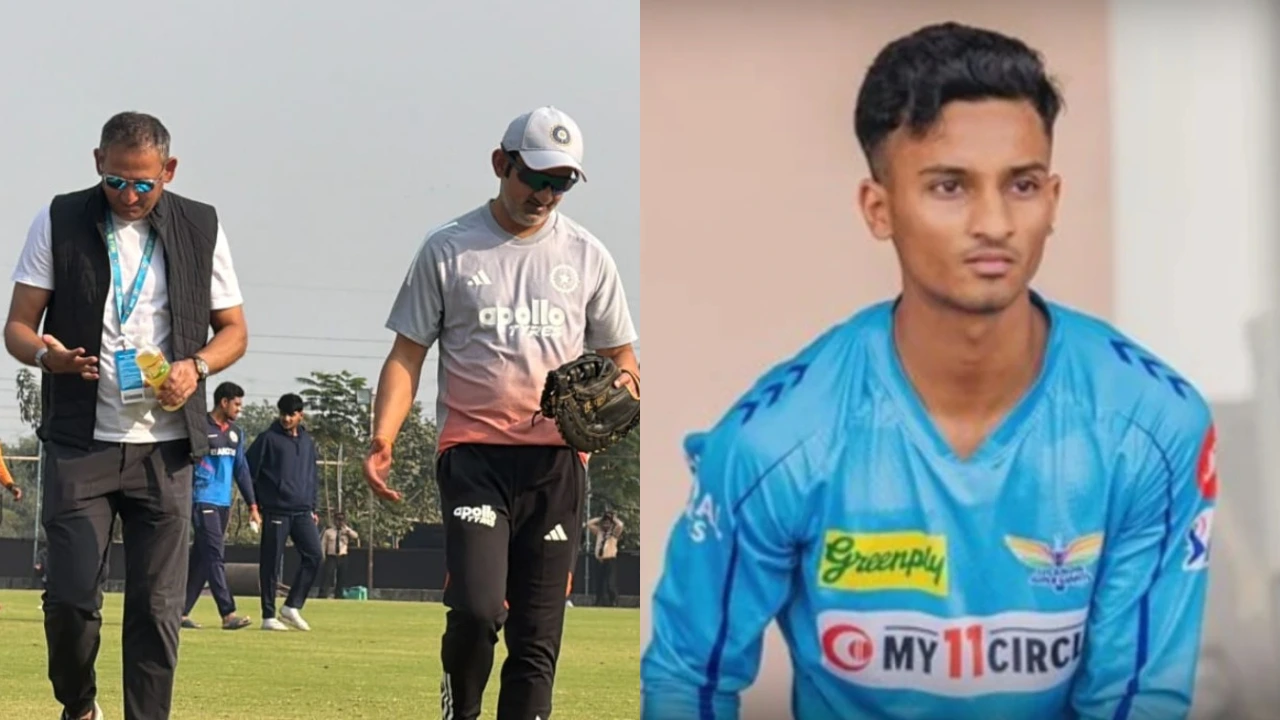
Former Indian Cricketer Kris Srikkanth Criticizes Selection of Ayush Badoni in ODI Team
Former Team India cricketer Kris Srikkanth has expressed his disapproval of the decision to include Ayush Badoni in the Indian ODI team, calling it “rubbish.” The ex-chief selector also raised questions about head coach Gautam Gambhir’s reasoning behind the selection, stating that he failed to comprehend the logic used by the selectors.
The Controversial Call-Up of Ayush Badoni
Badoni was added to India’s ODI squad for the ongoing series against New Zealand, despite being out of form during the Vijay Hazare Trophy. The batting all-rounder was brought in after Washington Sundar was sidelined due to an injury following the series opener.
Kris Srikkanth suggested that Badoni’s selection could be linked to his association with the Lucknow Super Giants in the IPL, where Gautam Gambhir served as a mentor. He pointed out that other viable options like Axar Patel and Ruturaj Gaikwad were overlooked in favor of Badoni.
Strong Criticism from Kris Srikkanth
Expressing his frustration, Srikkanth remarked on his YouTube channel ‘Cheeky Cheeka,’ “What kind of door is this? Bring two or three trucks, take them and go through and break the door. Really, I don’t understand what it is.” He further questioned, “Out of Axar, Badoni, Nitish Reddy, and Gaikwad, which two must really be in the team? Badoni played at LSG and he (Gambhir) was the mentor there. I don’t see any other reason. What else can it be? On what basis? You should have some sense in selection.”
Focus on Performance Over IPL Connection
Srikkanth emphasized that IPL performances should not be the primary criterion for selecting players in ODIs. He argued that Badoni’s track record does not warrant a place at the international level and advocated for Axar Patel as a more suitable option if an all-rounder was needed in the team.
“Ayush Badoni with this performance, no chance. What is his track record in the IPL also? IPL and one-day cricket are different. He has not done anything great,” Srikkanth stated. He added, “He is not a guy who can take the match away from you. Can he come at number six and hit sixes also? I don’t understand. What rubbish is this? How is he considered a bowling all-rounder? If an all-rounder is missing, why not bring in Axar Patel? He is a genuine all-rounder in all formats.”
Comparing Recent Numbers of Ayush Badoni and Axar Patel
Badoni’s recent performances in the Vijay Hazare Trophy showed modest returns, with 16 runs from three innings at an average of 8.00 and four wickets in 22 overs. In his List-A career, he has taken 18 wickets in 20 innings and scored 693 runs in 22 innings, with one century and five fifties.
In contrast, Axar Patel had a more impactful showing, scoring 75 runs and claiming three wickets in his last ODI series. During the Vijay Hazare Trophy, Axar showcased his all-round abilities with notable performances for Gujarat, including a knock of 130 against Andhra Pradesh and bowling figures of 2/27 against Odisha.
As the debate over Ayush Badoni’s selection continues to stir controversy, the cricketing fraternity awaits the team management’s response to the criticism and scrutiny from former players like Kris Srikkanth.
The Need for Consistency in Selection
One crucial aspect highlighted by Kris Srikkanth’s criticism is the need for consistency and transparency in the selection process. The inclusion of players based on personal connections or limited IPL performances raises concerns about the criteria used by the selectors. Srikkanth’s call for a more structured and merit-based approach to player selection resonates with fans and experts alike, who emphasize the importance of fair opportunities for deserving candidates.
Moreover, the debate surrounding Ayush Badoni’s selection sheds light on the challenges faced by young cricketers in the competitive world of Indian cricket. While the IPL has provided a platform for emerging talent to showcase their skills, the transition to international cricket requires a different level of performance and consistency. Srikkanth’s criticism serves as a reminder that success in franchise leagues should not be the sole factor in determining a player’s readiness for the national team.
Pressure on Emerging Players
For players like Ayush Badoni, the spotlight of international cricket can be both a blessing and a curse. While a call-up to the national team represents a significant opportunity to showcase their talent on a grand stage, it also comes with heightened expectations and scrutiny. The intense scrutiny from former players and analysts, as seen in Srikkanth’s comments, highlights the pressure faced by young cricketers to perform at a high level consistently.
Aspiring cricketers must navigate the challenges of balancing their potential with the demands of elite competition. The scrutiny faced by Ayush Badoni underscores the importance of resilience and mental fortitude in overcoming setbacks and proving one’s worth at the highest level of the sport.
Implications for Indian Cricket Selection Policies
The controversy surrounding Ayush Badoni’s selection raises broader questions about the effectiveness of India’s cricket selection policies. The debate over the influence of personal connections, IPL performances, and traditional metrics like domestic cricket records underscores the complexities involved in identifying and nurturing talent for the national team.
As former players like Kris Srikkanth continue to advocate for a more rigorous and transparent selection process, the onus falls on the Board of Control for Cricket in India (BCCI) and the selection committee to address these concerns. Implementing clear guidelines and criteria for player selection could help mitigate controversies and ensure a fair and merit-based approach to building the Indian cricket team.
Looking Ahead: The Future of Indian Cricket Selection
Ultimately, the criticism of Ayush Badoni’s inclusion in the Indian ODI team serves as a catalyst for introspection and reform within the realm of Indian cricket selection. By learning from instances of contentious selections and prioritizing performance-based criteria, the BCCI can foster a more competitive and inclusive environment for aspiring cricketers.
As the Indian cricketing landscape continues to evolve, the voices of former players like Kris Srikkanth play a vital role in upholding the integrity and competitiveness of the sport. Their insights and critiques contribute to ongoing discussions about the future direction of Indian cricket selection, ensuring a balanced and equitable approach to nurturing talent and building formidable national teams.
Latest News
Punjab Kings penalised! Shreyas Iyer punished after win vs Gujarat Titans in IPL 2026
Shreyas Iyer injury update: Punjab Kings captain ruled out of IPL 2026?
LSG vs DC Match No. 5 Preview: Free Live Streaming, Pitch & Weather Report, Head-to-Head | IPL 2026
LSG vs DC Match Prediction – Who Will Win Match No.5? | IPL 2026
LSG Playing XI vs DC Playing XI – Match No. 5 | IPL 2026
Krunal Pandya breaks silence on India snub, opens up on Virat Kohli
Mohsin Naqvi enforces new social media rules for Pakistan players following Naseem Shah incident
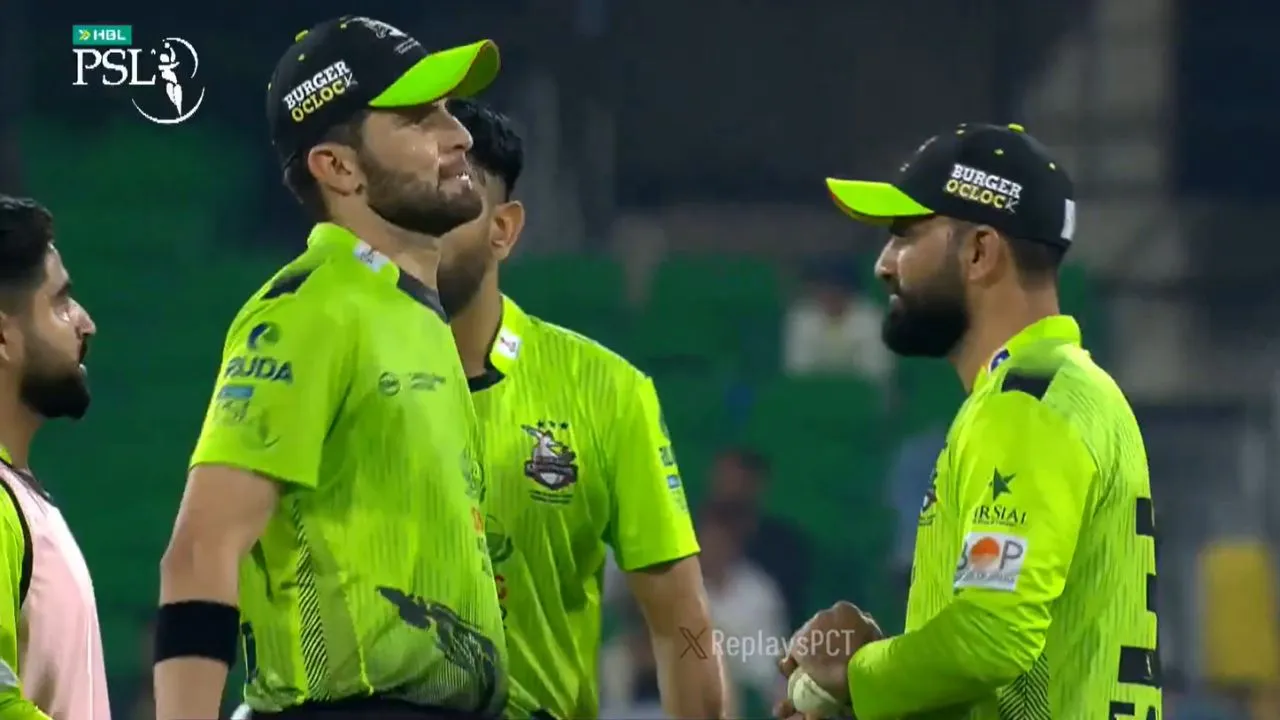
Fakhar Zaman officially handed cricket ban after PSL 2026 ball-tampering controversy
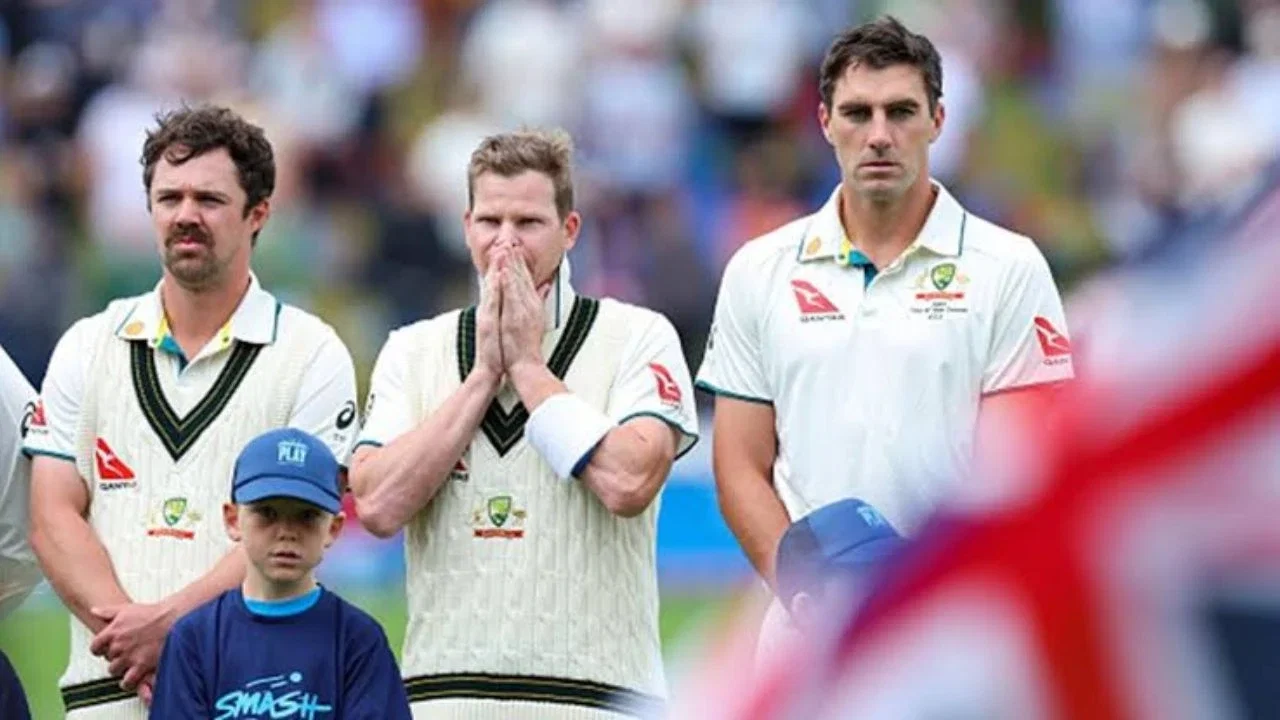
Pat Cummins forces Cricket Australia to slash central contracts list to secure premium deal
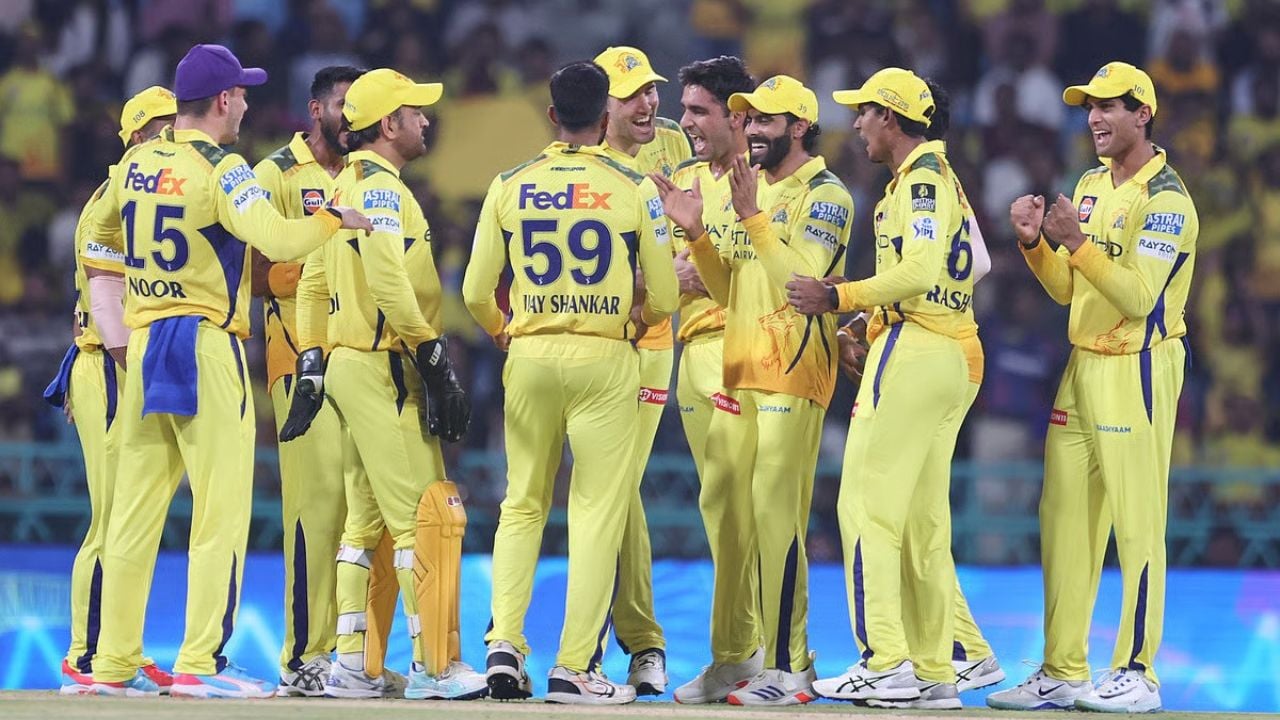
CSK’s big promise to players revealed amid IPL 2026: “Whatever BCCI offers, we’ll double it”
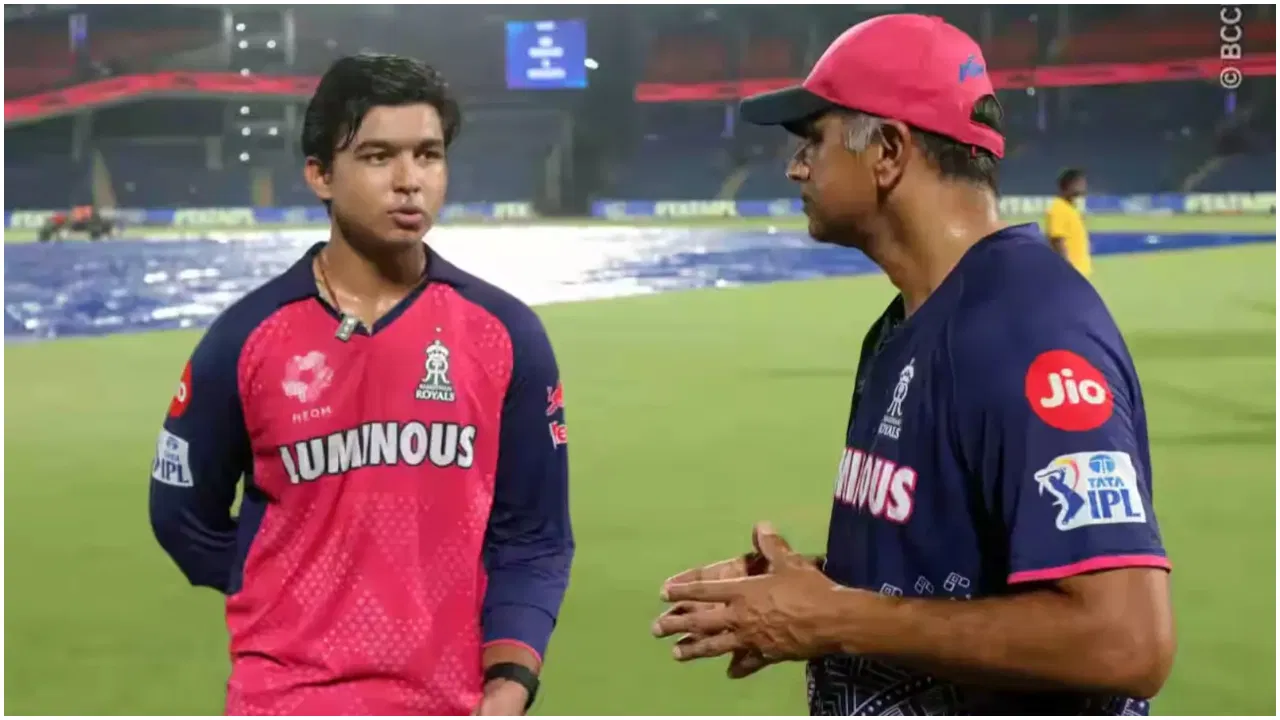
Ravichandran Ashwin rules out Vaibhav Sooryavanshi’s India call-up
Rashid Latif claims PSL ball-tampering row was deliberately created for attention amid IPL rivalry
Mohammed Shami breaks silence on retirement buzz after India snub; has special message for LSG
Mohammed Shami reveals IPL 2026 Top 4, leaves out five-time champions

