Azhar Mahmood’s appointment as Pakistan Head Coach instantly backfires; PCB red-faced
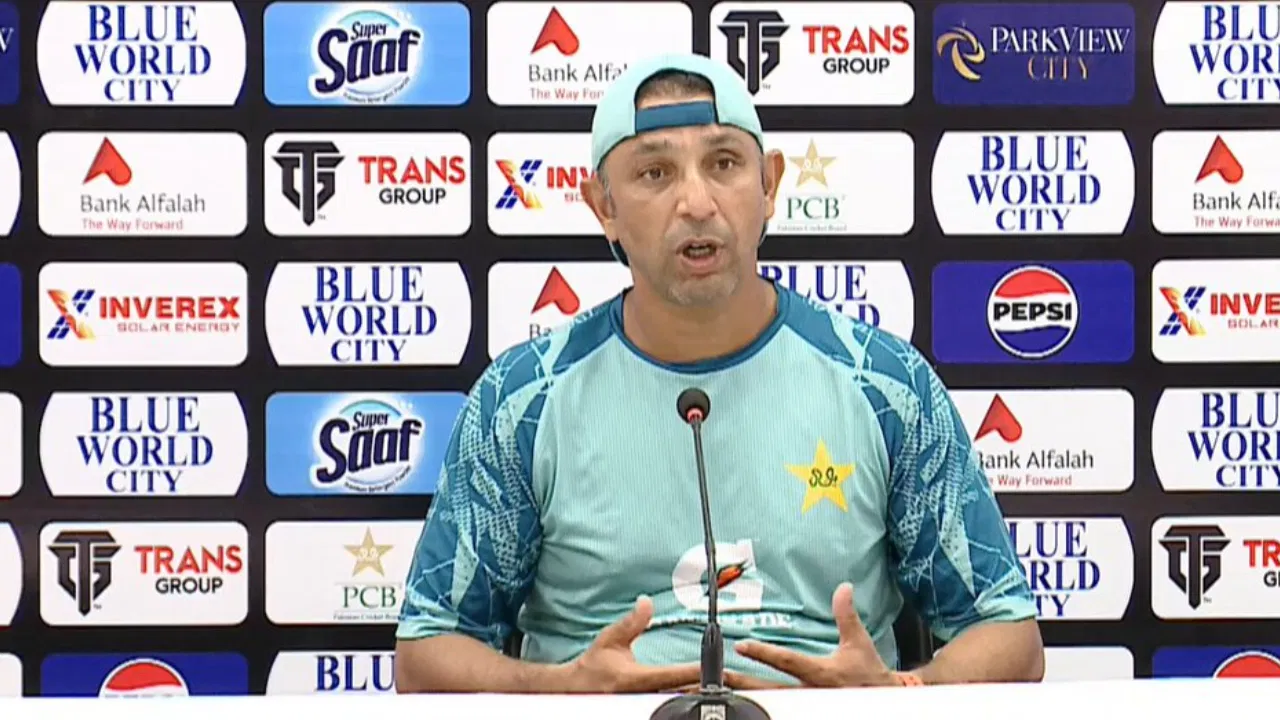
Former Cricketer Kamran Akmal Criticizes PCB’s Decision on Azhar Mahmood’s Appointment
Former Pakistani cricketer Kamran Akmal has voiced his disapproval of the Pakistan Cricket Board’s (PCB) choice to appoint Azhar Mahmood as the interim head coach for the Pakistan Test side. This decision comes after the resignation of Australian great Jason Gillespie, leaving the team without a permanent head coach.
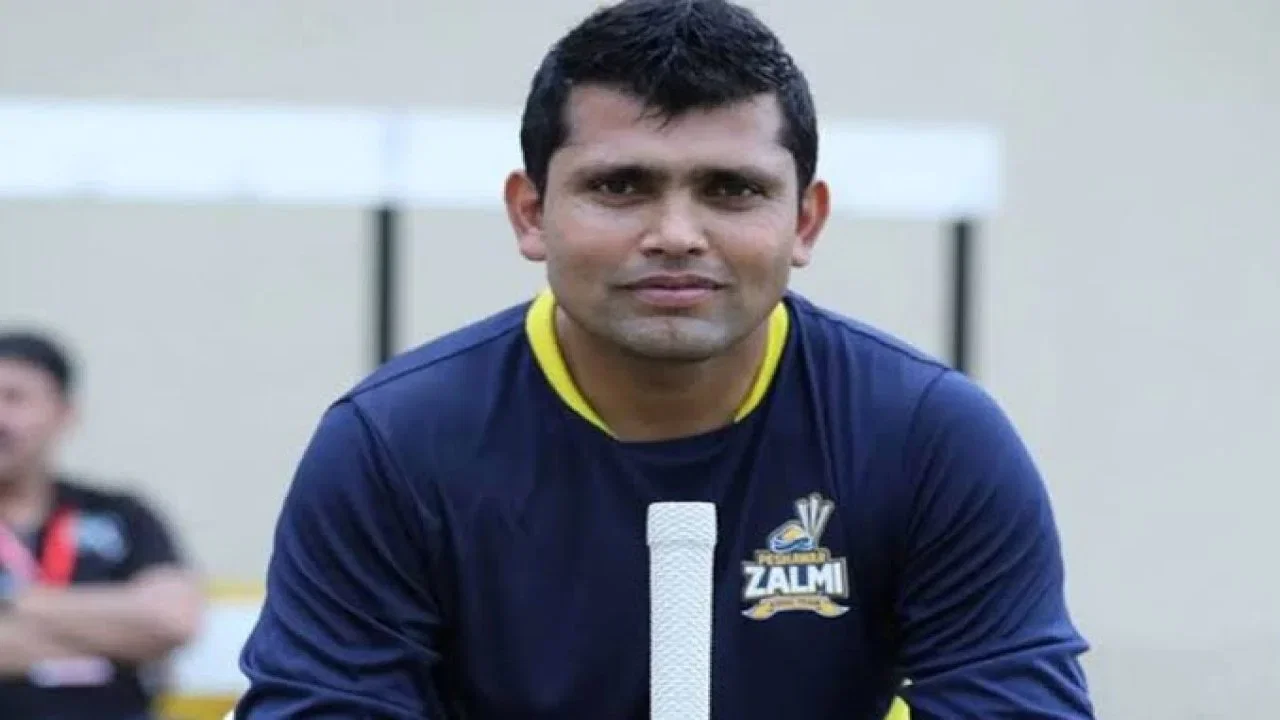
Kamran Akmal expressed his concerns regarding the continuous trend of interim appointments within the PCB, highlighting the lack of consistency and stability in decision-making. He compared the situation to when PCB appointed Mickey Arthur as the director of cricket while allowing him to work with a county team simultaneously, emphasizing the confusion and lack of clarity in such appointments.
Criticism on PCB’s Decision-Making Process
Pakistan has faced challenges across all three formats of the game, with disappointing results in various ICC events. Kamran Akmal criticized the PCB for its inconsistent decision-making, attributing the team’s struggles to the lack of professionalism and seriousness in the board’s approach.
Azhar Mahmood, who has been serving as the assistant coach across all formats since April 2024, has now been appointed as the seventh test coach for Pakistan in less than a year. His new role as the red-ball coach indicates a shift from his previous responsibilities, potentially leading to changes in the coaching staff.
Impact of Previous Coaching Changes
Following Jason Gillespie’s resignation in 2024, Aqib Javed took over as the interim head coach for the Pakistan Test side. While Gillespie’s tenure marked a home victory for Pakistan after a series of losses, Javed’s appointment resulted in a defeat in the test series against South Africa.
The inconsistent performance of the team in international competitions, including the humiliating end to the World Test Championship 2023-25 cycle, reflects the challenges faced by Pakistan in maintaining a stable coaching structure and achieving success on the global stage.
Looking Towards a More Stable Future
As Pakistan continues to navigate through coaching changes and struggles in international competitions, the need for a more stable and strategic approach to leadership and decision-making becomes evident. Kamran Akmal’s criticism sheds light on the importance of professionalism and consistency in the PCB’s operations to ensure long-term success for the national team.
While the appointment of Azhar Mahmood as the new test coach raises questions about the board’s strategy, it also serves as an opportunity for the PCB to address the concerns raised by former players and cricket enthusiasts regarding the team’s future direction and performance.
As Pakistan prepares for upcoming series and tournaments, the spotlight remains on the PCB’s ability to make informed and impactful decisions that will guide the team towards achieving its full potential in the world of international cricket.
Challenges Faced by Pakistan Cricket Team
Over the years, the Pakistan cricket team has grappled with inconsistencies in performance, both at home and on the international stage. While the team has shown flashes of brilliance with notable victories, such as the 2017 ICC Champions Trophy win, they have also struggled to maintain momentum and deliver consistent results across formats.
The lack of a stable coaching structure, combined with frequent changes in leadership, has contributed to the team’s struggles. The revolving door of coaches and interim appointments has made it challenging for players to adapt to different coaching styles and strategies, impacting their performance on the field.
In addition to coaching changes, Pakistan has also faced challenges with player selection, team composition, and off-field controversies that have often overshadowed the team’s on-field performance. These factors have added to the pressure on players and created an environment of uncertainty within the team.
The Role of Leadership in Team Success
Effective leadership is crucial for any sports team’s success, providing direction, motivation, and stability to players. In the case of the Pakistan cricket team, consistent and strategic leadership is essential to harness the talent and potential of the players and guide them towards achieving their goals.
Former cricketers like Kamran Akmal play a vital role in holding the PCB accountable for its decisions and policies, advocating for professionalism and transparency in the board’s operations. Their insights and criticisms serve as a reminder of the importance of upholding high standards of governance and decision-making in sports administration.
By addressing the concerns raised by former players and stakeholders, the PCB has the opportunity to create a more conducive environment for the Pakistan cricket team to thrive. Clear communication, long-term planning, and a commitment to excellence can help establish a solid foundation for sustained success in the future.
Looking Ahead: Opportunities for Growth and Improvement
Despite the challenges and criticisms faced by the PCB, there is also room for optimism and growth. The appointment of Azhar Mahmood as the interim head coach presents an opportunity for the team to regroup, refocus, and work towards achieving their collective goals.
By providing Mahmood with the necessary support and resources, the PCB can empower him to lead the team effectively and implement strategic changes that will benefit the players and the team as a whole. Clear communication, mutual respect, and a shared vision for success are essential elements that can drive the team towards improvement and success.
As the Pakistan cricket team prepares for upcoming series and competitions, the focus should be on building a strong foundation, fostering teamwork and camaraderie, and instilling a winning mindset among the players. With the right leadership, support, and determination, Pakistan has the potential to overcome its challenges and emerge as a formidable force in international cricket.
Ultimately, the success of the Pakistan cricket team hinges on the collective efforts of players, coaches, administrators, and fans working together towards a common goal. By addressing the issues raised by critics like Kamran Akmal and taking proactive steps to enhance professionalism and stability, the PCB can pave the way for a brighter future for Pakistan cricket.
Latest News
KL Rahul will win the Orange Cap in IPL 2026 if…: Ravichandran Ashwin makes bold claim

RCB coach rules Josh Hazlewood out of IPL 2026 opener, Pat Cummins update arrives
Kamran Akmal trolls Pakistan Super League after Hyderabad Kingsmen jersey turns ball pink

Prithvi Shaw backed to dominate IPL 2026 by Irfan Pathan

Rohit Sharma loses cool! Hits car, ignores fans in shocking moment before IPL 2026

RCB vs SRH Match No. 1 Preview: Free Live Streaming, Pitch & Weather Report, Head-to-Head | IPL 2026
Gujarat Titans IPL 2026 Full Schedule: GT Fixtures, Dates, Timings and Venues | Squad and Coaches

Naseem Shah humiliates Pakistan government with ‘Queen jibe’, massive punishment loading

Hardik Pandya fulfills promise, gifts ₹10 lakh to Wankhede groundstaff in beautiful gesture

IPL 2026 top four teams predicted by Faf du Plessis, Harbhajan Singh, and other experts
Ravichandran Ashwin joins IPL 2026 commentary panel, full list officially revealed

BCCI set to earn over ₹1,550 crore from Royal Challengers Bengaluru and Rajasthan Royals sales

“Tu to Allan Donald ban gaya hai” – Virat Kohli in awe of Venkatesh Iyer’s stunning delivery in RCB nets

IPL 2026 Purple Cap winner announced; KKR spinner picked as the frontrunner