Babar Azam, Mohammad Rizwan, Shaheen Afridi blocked in India; No ban on Shahid Afridi
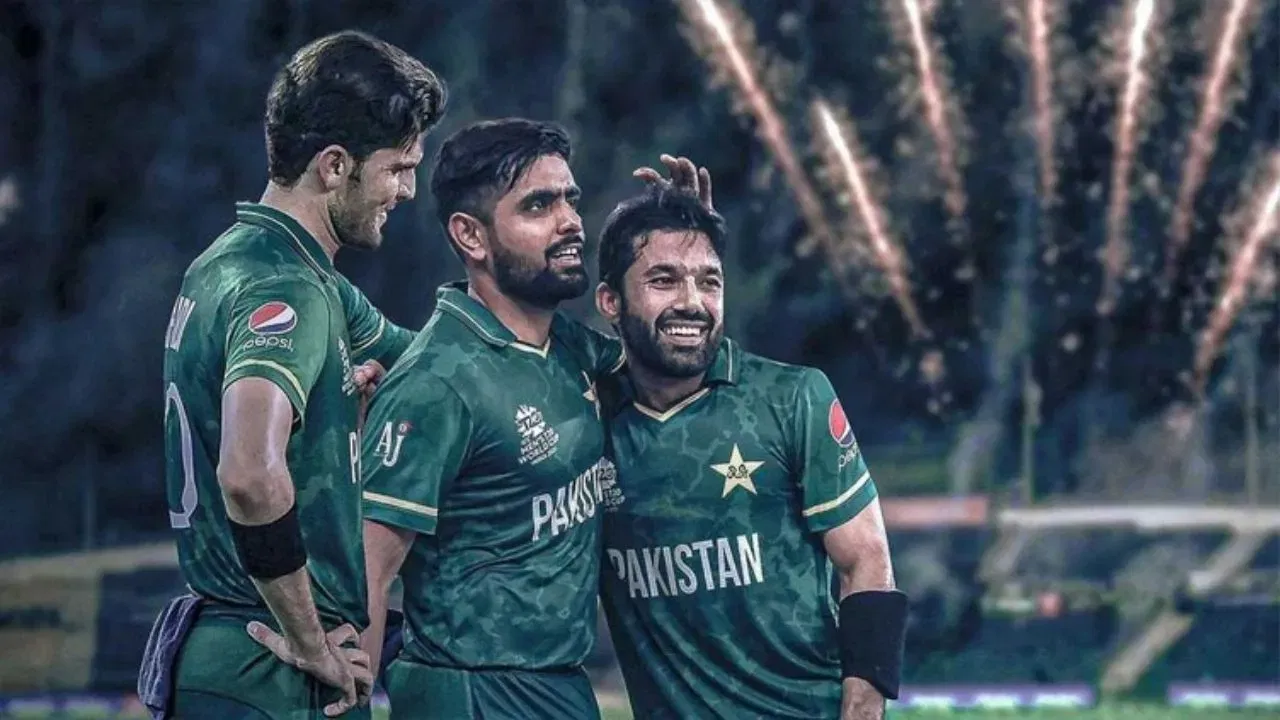
Indian Government Blocks Instagram Accounts of Pakistani Celebrities and Cricketers Following Pahalgam Attacks
After the tragic terrorist attacks in Pahalgam, India took a strict stance by blocking the Instagram accounts of several Pakistani cricket players and celebrities. Among those affected were Babar Azam, Mohammad Rizwan, and Shaheen Afridi, along with popular actors like Hania Aamir and Ali Fazal. This decision came after the attack on April 22, which resulted in the loss of 26 lives and injuries to many others.
Government’s Response and Restrictions
The Indian government cited concerns over national security and public order as the reason for blocking these accounts. Users in India trying to access the Instagram pages of Pakistani cricketers like Babar Azam and Mohammad Rizwan were met with a message stating that the accounts were unavailable in India. The message explained that this action was taken in compliance with a legal request to restrict the content on these accounts.
Interestingly, despite making controversial remarks against the Indian Army, former Pakistan captain Shahid Afridi’s Instagram account remains accessible in India as no action has been taken against it so far. This contrasting treatment raises questions about the political tensions between India and Pakistan and their impact on cricketing ties.
YouTube Channels Blockade
In addition to Instagram accounts, several Pakistani YouTube channels were also restricted in India due to their provocative, communally sensitive, and false narratives against India, its military, and security agencies. Former cricketers like Shoaib Akhtar, Basit Ali, and Shahid Afridi had their YouTube accounts blocked. These channels have a significant viewership in India and generate substantial revenue from the platform.
Furthermore, Arshad Nadeem, the Pakistani Olympic gold-winning javelin thrower’s Instagram account, is also inaccessible in India. The blockade of these social media accounts and channels adds fuel to the already simmering tensions between the two countries.
Impact on Cricket
These recent events come at a time when Babar Azam, Mohammad Rizwan, and Shaheen Afridi are actively participating in the 2025 Pakistan Super League (PSL). Babar represents Peshawar Zalmi, while Rizwan plays for Multan Sultans. With a history of visiting India for cricket tournaments, including the ODI World Cup in 2023, these restrictions on Pakistani players and public figures may have implications for future cricketing engagements between the two nations.
Notably, India and Pakistan have not played a bilateral series since 2013, limiting their matches to ICC and ACC tournaments. The ongoing tensions and restrictions on social media platforms highlight the complexities surrounding the relationship between the two cricketing nations.
Keywords: prediction, India-Pakistan tensions, Pahalgam attacks, cricket players, social media restrictions, bilateral series, Pakistan Super League
International Reactions and Diplomatic Relations
The blocking of Instagram accounts of Pakistani celebrities and cricketers by the Indian government has sparked reactions from various international bodies and governments. The United Nations has emphasized the importance of upholding freedom of expression and access to information, urging both countries to engage in constructive dialogue to address their differences peacefully.
Furthermore, the United States and other major powers have expressed concerns over the escalating tensions between India and Pakistan, emphasizing the need for de-escalation and diplomatic solutions. The European Union has also called for restraint and dialogue to prevent further deterioration of the situation.
Despite these calls for peaceful resolution, the longstanding disputes and historical animosities between India and Pakistan continue to create challenges in their bilateral relations. The use of social media platforms as a battleground for propaganda and ideological conflicts reflects the deeper political and ideological divisions that exist between the two nations.
Future Scenarios and Predictions
As the situation between India and Pakistan remains tense, the future of cricketing engagements between the two nations hangs in the balance. The restrictions on Pakistani players and celebrities on social media platforms may have ripple effects on the dynamics of sports diplomacy and cultural exchanges between India and Pakistan.
There is a possibility that the restrictions on social media accounts could escalate further, impacting other areas of collaboration and communication between India and Pakistan. Sports events, cultural exchanges, and people-to-people contacts may face additional challenges if the tensions between the two countries continue to escalate.
On the other hand, there remains a glimmer of hope for de-escalation and reconciliation through backchannel diplomacy and dialogue. Both countries have a shared history of cricketing rivalry and cultural exchanges, which could serve as a potential bridge to promote understanding and peaceful coexistence.
Conclusion
The blocking of Instagram accounts of Pakistani celebrities and cricketers by the Indian government underscores the complexities and challenges that define the relationship between India and Pakistan. The use of social media platforms as a tool for political messaging and propaganda reflects the broader geopolitical tensions and historical grievances that shape the interactions between the two nations.
As the situation evolves, it is essential for both countries to prioritize dialogue, diplomacy, and conflict resolution mechanisms to prevent further escalation and promote peace in the region. The future of cricketing engagements, cultural exchanges, and people-to-people contacts between India and Pakistan hinges on the ability of both countries to navigate their differences constructively and forge a path towards reconciliation.
Latest News
KL Rahul will win the Orange Cap in IPL 2026 if…: Ravichandran Ashwin makes bold claim
RCB coach rules Josh Hazlewood out of IPL 2026 opener, Pat Cummins update arrives
Kamran Akmal trolls Pakistan Super League after Hyderabad Kingsmen jersey turns ball pink
Prithvi Shaw backed to dominate IPL 2026 by Irfan Pathan
Rohit Sharma loses cool! Hits car, ignores fans in shocking moment before IPL 2026
RCB vs SRH Match No. 1 Preview: Free Live Streaming, Pitch & Weather Report, Head-to-Head | IPL 2026
Gujarat Titans IPL 2026 Full Schedule: GT Fixtures, Dates, Timings and Venues | Squad and Coaches
Naseem Shah humiliates Pakistan government with ‘Queen jibe’, massive punishment loading
Hardik Pandya fulfills promise, gifts ₹10 lakh to Wankhede groundstaff in beautiful gesture
IPL 2026 top four teams predicted by Faf du Plessis, Harbhajan Singh, and other experts
Ravichandran Ashwin joins IPL 2026 commentary panel, full list officially revealed
BCCI set to earn over ₹1,550 crore from Royal Challengers Bengaluru and Rajasthan Royals sales
“Tu to Allan Donald ban gaya hai” – Virat Kohli in awe of Venkatesh Iyer’s stunning delivery in RCB nets
IPL 2026 Purple Cap winner announced; KKR spinner picked as the frontrunner