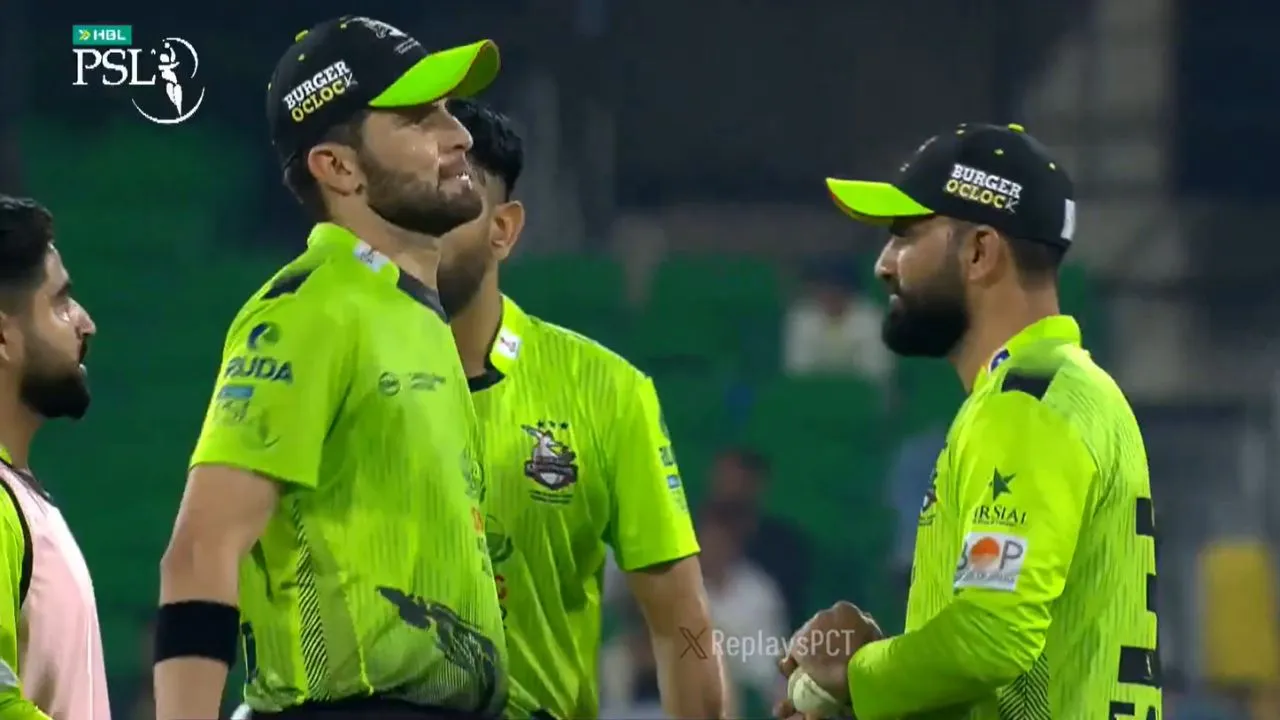
Babar Azam’s international career in danger!! PCB chief Mohsin Naqvi deliberates
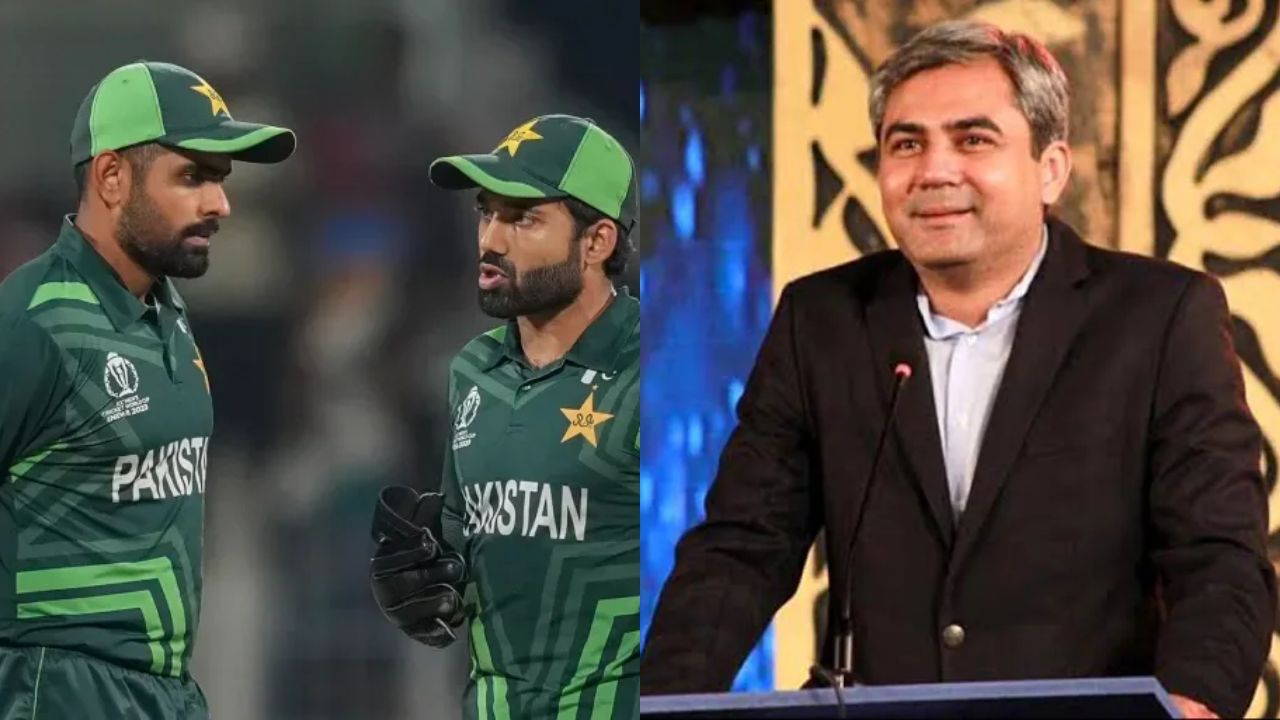
Pakistan Cricket Board addresses controversy over squad selection for Asia Cup
Following criticism over the exclusion of star players Babar Azam and Mohammad Rizwan from the Pakistan Cricket Team’s squad for the upcoming Asia Cup, PCB chief Mohsin Naqvi has clarified his stance on the matter. Naqvi asserted that he had no involvement in the selection process and that it was solely based on the decisions of the selectors.
Background of the controversy
The controversy sparked when the final squad for the UAE tri-series and Asia Cup was announced, omitting Babar Azam and Mohammad Rizwan. Both players had not featured in international T20I cricket for Pakistan since their disappointing exit from the ICC T20 World Cup in 2024. Their absence was mainly attributed to their low strike rates in international cricket.
Naqvi emphasized that the selection process involved thorough discussions among the selection committee and advisory body, lasting for hours or even days. He reiterated the importance of merit-based decisions and expressed his support for the selectors’ choices.
PCB’s strategic approach
The Pakistan team’s squad for the Asia Cup 2025 reflects a strategic vision aimed at enhancing the team’s performance in the shortest format of the game. The inclusion of players with all-round abilities, particularly in batting and occasional bowling, underscores the evolving demands of modern T20 cricket.
Players like Saim Ayub, Fakhar Zaman, and Sahibzada Farhan were preferred for their higher strike rates, aligning with the team’s focus on aggressive batting. Naqvi emphasized the importance of nurturing new talent to foster healthy competition within the team and ensure the emergence of the best players.
Coach’s perspective on Babar Azam
Addressing concerns about Babar Azam’s exclusion, head coach Mike Hesson highlighted the areas where the talented batsman needs improvement, particularly in facing spin bowling and increasing his strike rate. Hesson acknowledged Babar’s potential and encouraged him to showcase his skills in leagues like the Big Bash League (BBL) to reclaim his form.
Salman Ali Agha has been appointed as the new captain of the Pakistan team for the Asia Cup, signaling a fresh leadership direction for the squad. The PCB’s strategic approach and emphasis on merit-based selection aim to position Pakistan as a competitive force in the upcoming tournament.
Overall, the controversy surrounding Babar Azam and Mohammad Rizwan’s exclusion from the Asia Cup squad reflects the PCB’s commitment to fostering talent, enhancing performance, and ensuring transparent and merit-based selection processes within the team.
Response from Babar Azam and Mohammad Rizwan
Following their exclusion from the squad for the Asia Cup, Babar Azam and Mohammad Rizwan have maintained a positive outlook and expressed their determination to improve their performance and make a strong comeback. Both players have acknowledged the need to work on their strike rates and have committed to showcasing their skills in domestic and international leagues to prove their worth.
Babar Azam, in particular, has emphasized his dedication to enhancing his batting against spin bowling, a skill that he believes will be crucial for his success in T20 cricket. Mohammad Rizwan, known for his exceptional wicketkeeping skills and adaptability in various batting positions, has also expressed his eagerness to demonstrate his capabilities on the field and earn his place back in the national team.
Analyst’s Perspective on Squad Selection
Cricket analysts have weighed in on the controversy surrounding the squad selection for the Asia Cup, offering insights into the strategic decisions made by the selectors. While some have questioned the exclusion of Babar Azam and Mohammad Rizwan, others have commended the PCB for prioritizing players with high strike rates and all-round abilities.
Experts have highlighted the changing dynamics of T20 cricket, where aggressive batting and versatility in skills play a significant role in determining a player’s suitability for the format. The emphasis on nurturing new talent and promoting healthy competition within the team has been seen as a positive step towards building a strong and competitive squad for the Asia Cup.
Impact on Team Dynamics
The exclusion of established players like Babar Azam and Mohammad Rizwan has sparked discussions about the impact on team dynamics and leadership within the Pakistan cricket team. While their absence may create opportunities for younger players to step up and prove their capabilities, it also raises questions about the balance between experience and talent in the squad.
The appointment of Salman Ali Agha as the new captain signifies a shift in leadership style and a fresh approach to managing the team during the Asia Cup. The team will need to work cohesively under the new captaincy and adapt to the strategic vision set forth by the PCB to deliver strong performances in the tournament.
Looking Ahead: Predictions for the Asia Cup
As the Pakistan cricket team prepares for the Asia Cup, all eyes are on the selected players to deliver standout performances and showcase their skills on the international stage. The mix of experienced players and emerging talent in the squad presents an opportunity for the team to make a mark in the tournament and compete against top cricketing nations.
Predictions suggest that Pakistan’s strategic approach to squad selection, focusing on aggressive batting and all-round abilities, could work in their favor during the Asia Cup. The team’s performance will be closely watched, especially with new leadership at the helm and a renewed emphasis on merit-based selection processes.
In conclusion, the controversy surrounding the squad selection for the Asia Cup has brought attention to the evolving dynamics of T20 cricket and the emphasis on talent development within the Pakistan cricket team. The upcoming tournament will provide a platform for players to prove their worth and for the team to demonstrate its competitiveness on the international stage.
Latest News
Glenn Maxwell dropped as Australia part ways with star all-rounder
10 T20Is in one month! India’s full schedule vs Ireland, England, Zimbabwe revealed
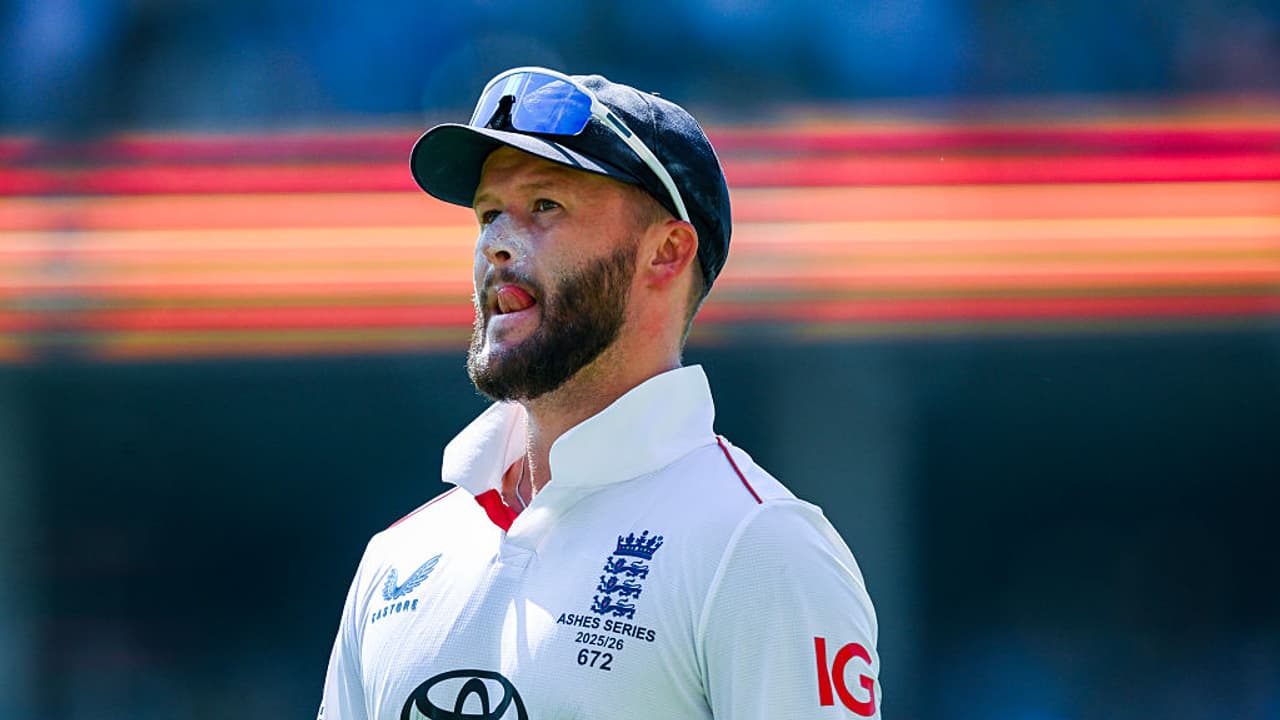
After MS Dhoni, Ben Duckett fined by police for overspeeding
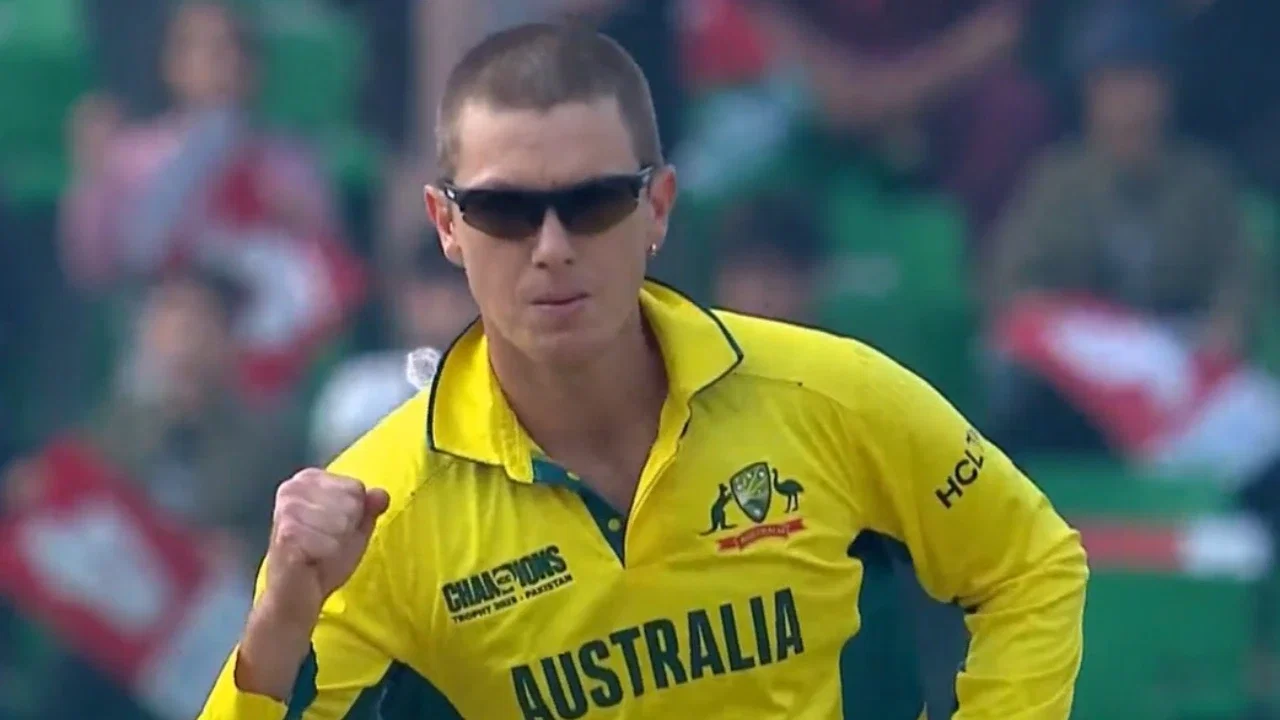
Why Adam Zampa chose PSL over IPL? Australia star reveals ‘monetary’ reason
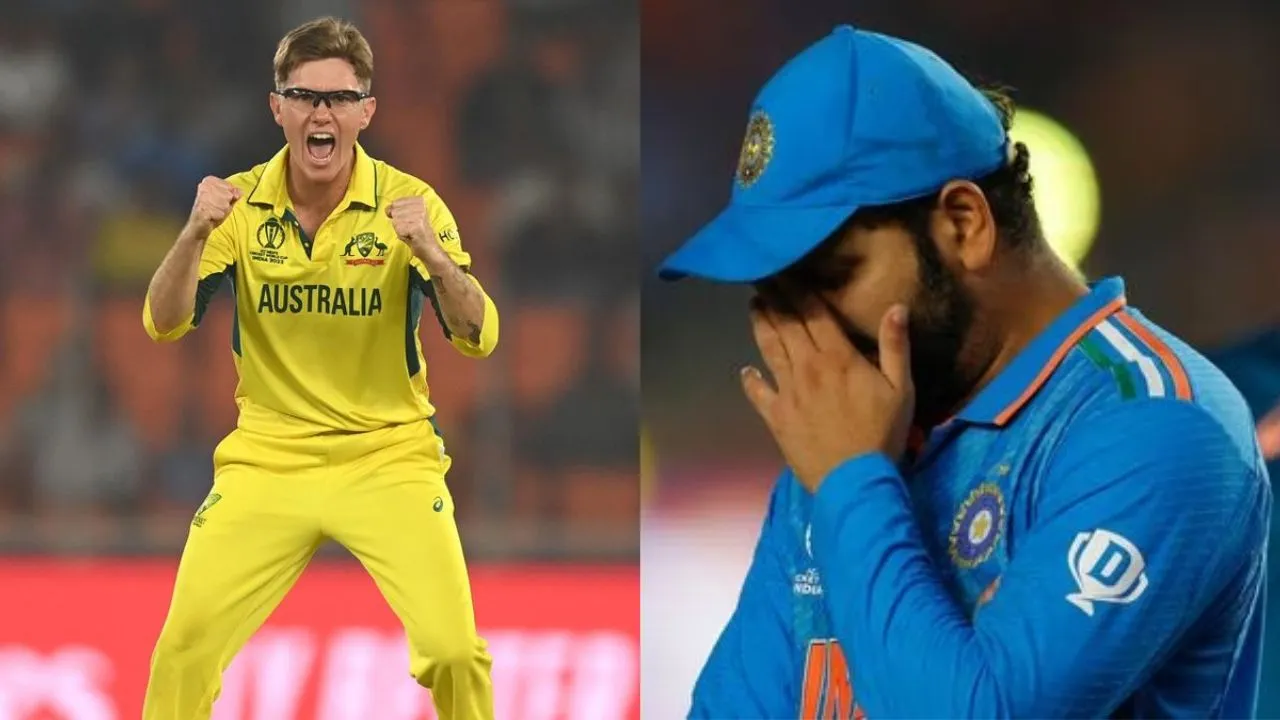
Making Indian crowd silent is a good feeling: Adam Zampa names 2023 CWC win as his favourite memory

Watch: Saim Ayub trains in heavy rain and thunderstorm, raises health concerns amid PSL 2026
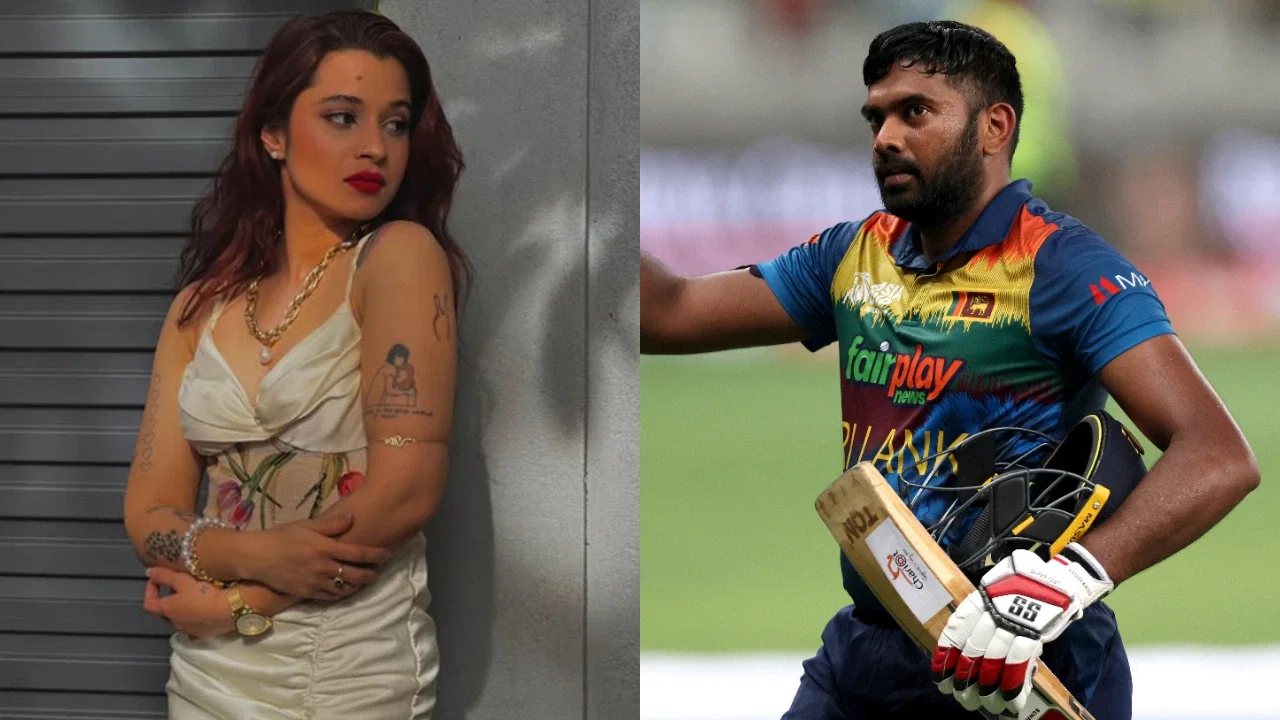
Sri Lanka cricketer Bhanuka Rajapaksa sends legal notice to actress over false accusations
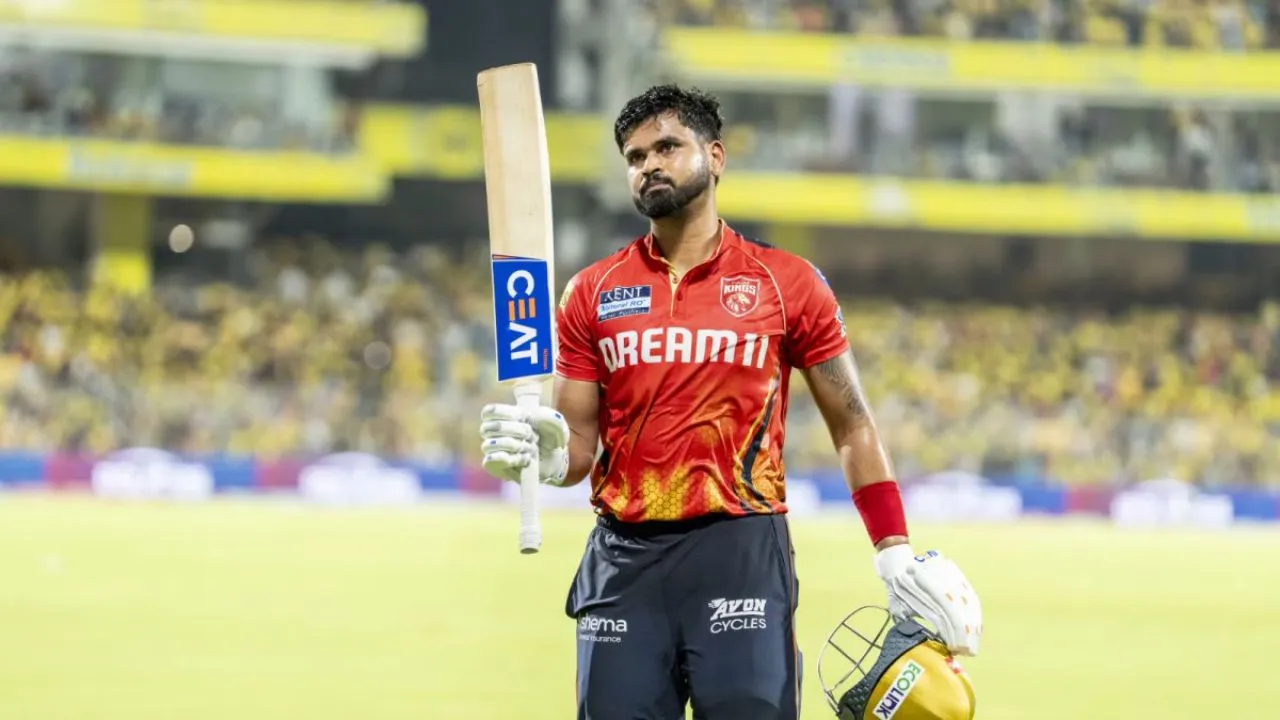
Punjab Kings penalised! Shreyas Iyer punished after win vs Gujarat Titans in IPL 2026
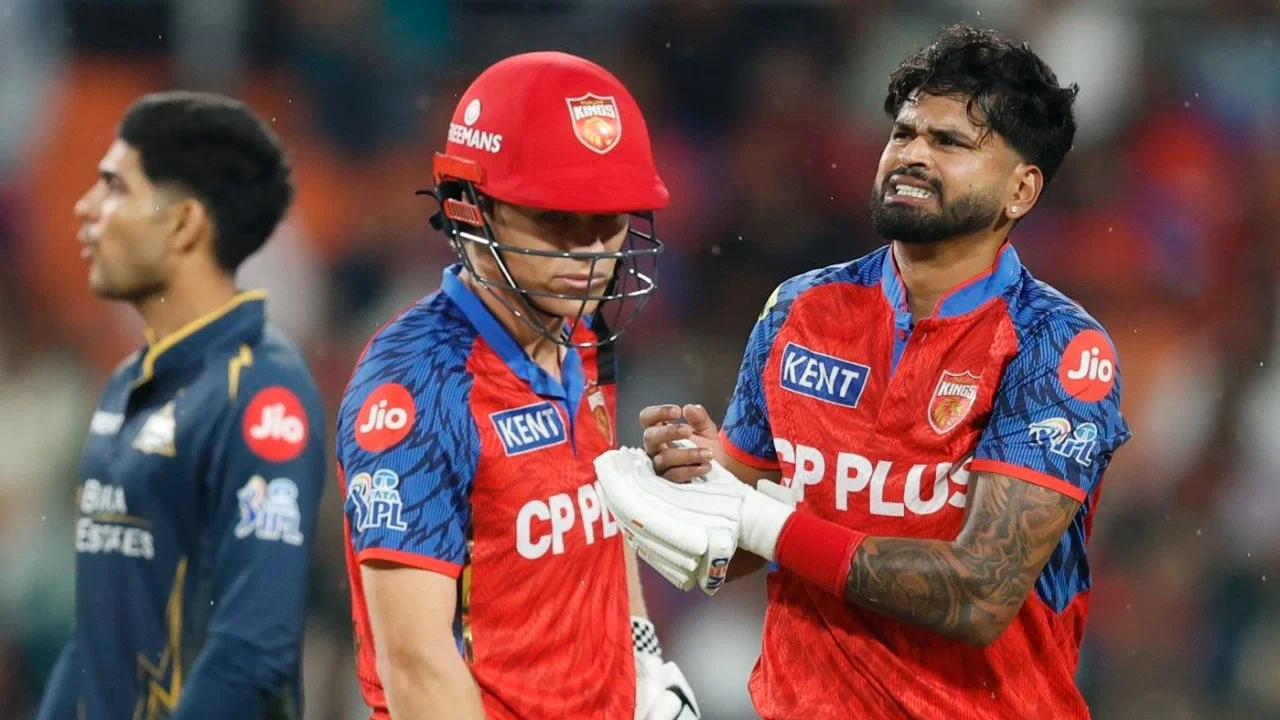
Shreyas Iyer injury update: Punjab Kings captain ruled out of IPL 2026?
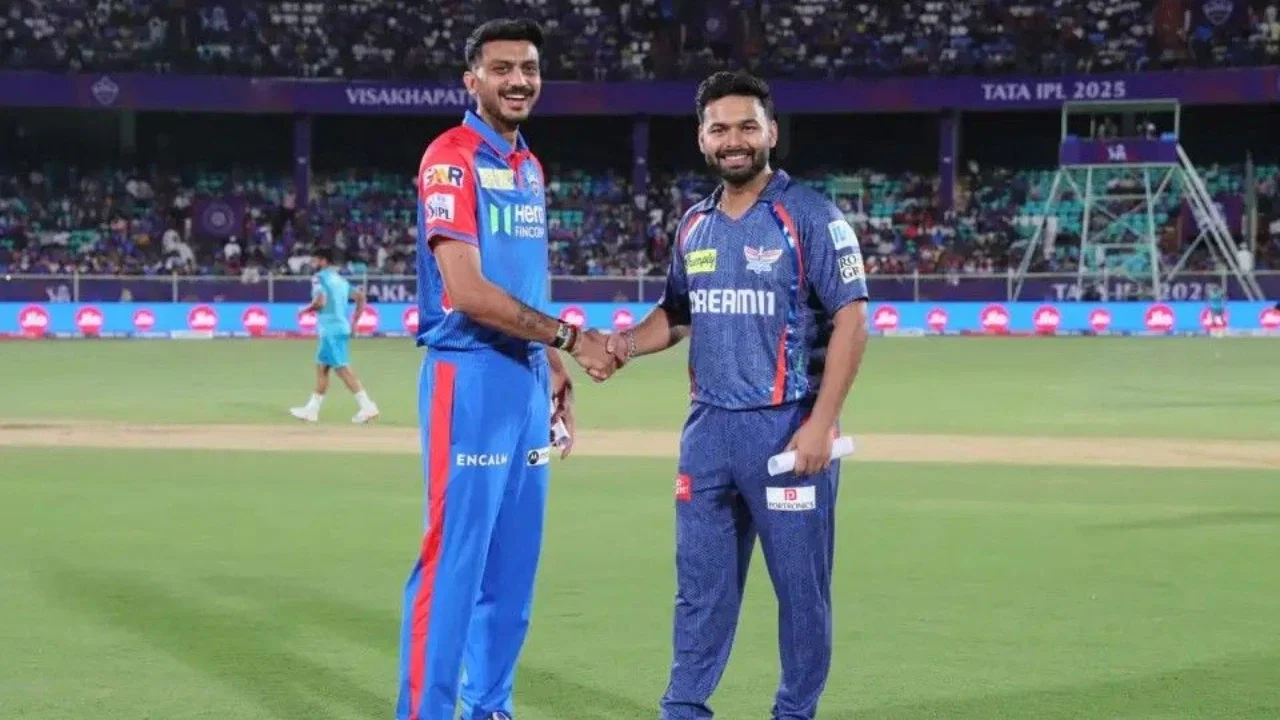
LSG vs DC Match No. 5 Preview: Free Live Streaming, Pitch & Weather Report, Head-to-Head | IPL 2026

LSG vs DC Match Prediction – Who Will Win Match No.5? | IPL 2026
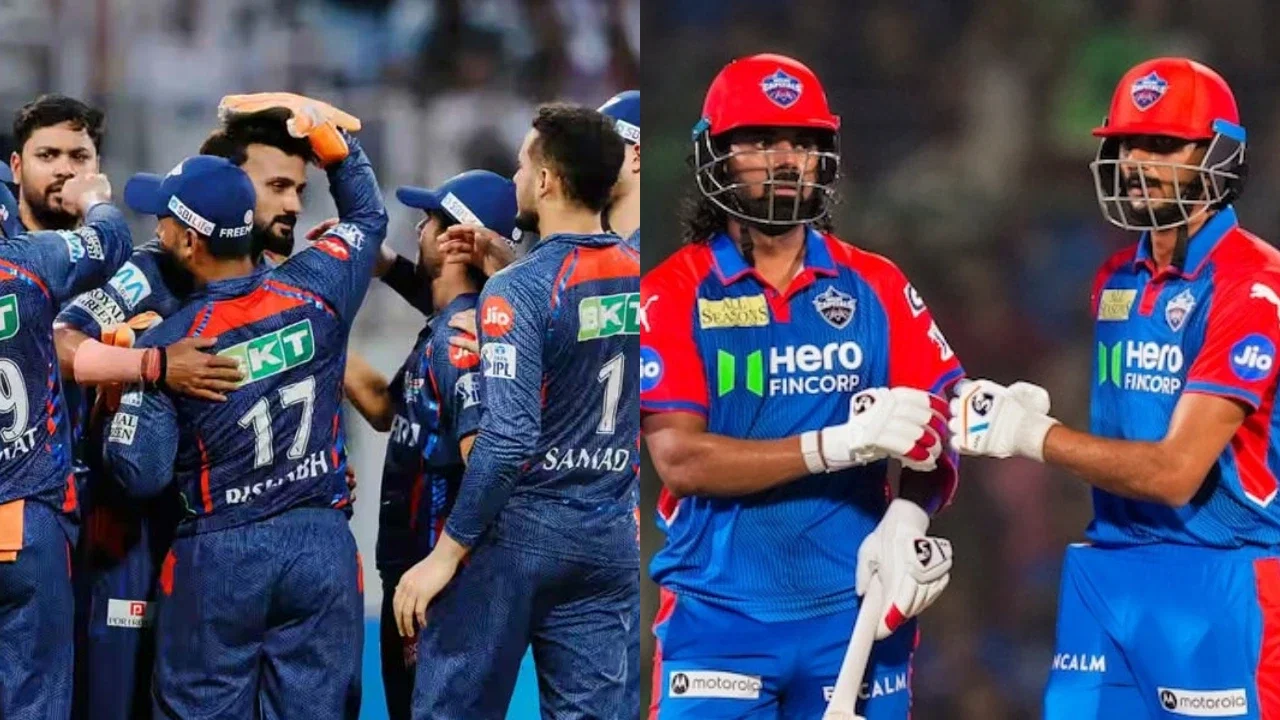
LSG Playing XI vs DC Playing XI – Match No. 5 | IPL 2026
Krunal Pandya breaks silence on India snub, opens up on Virat Kohli
Mohsin Naqvi enforces new social media rules for Pakistan players following Naseem Shah incident