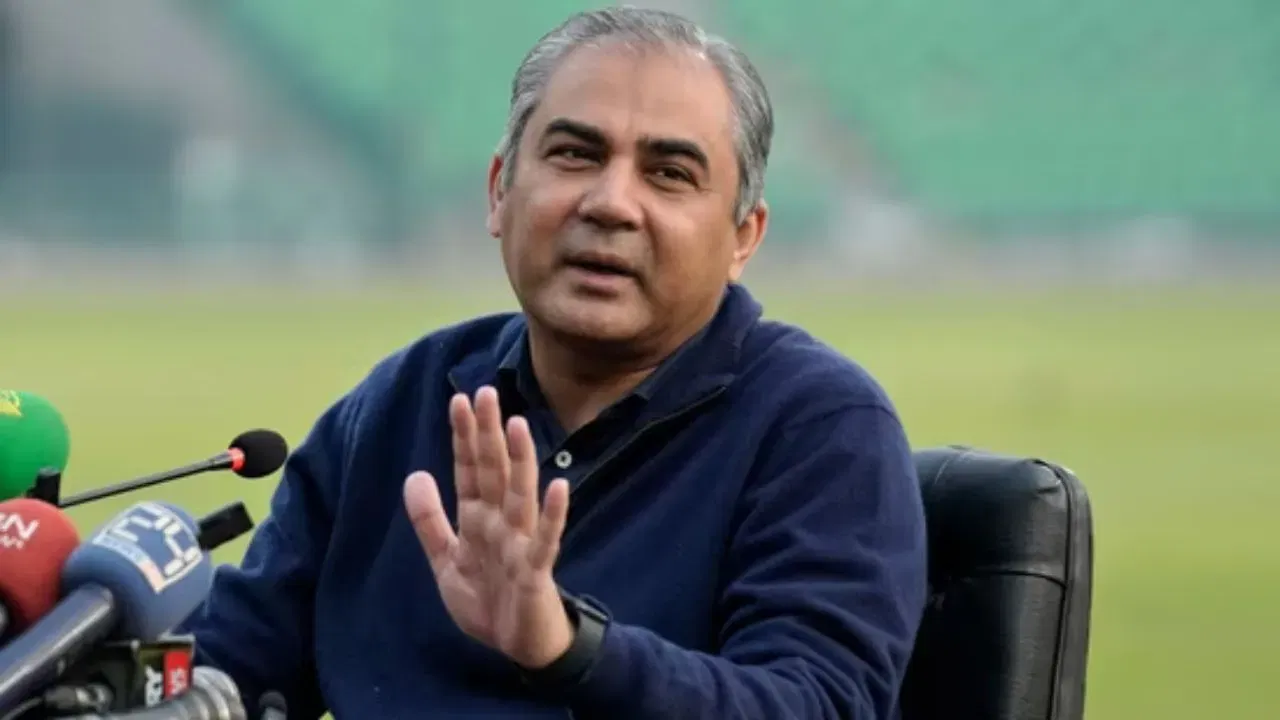
Babar Azam’s T20I comeback plans leaked; Salman Agha glorified in Pakistan despite humiliation vs India
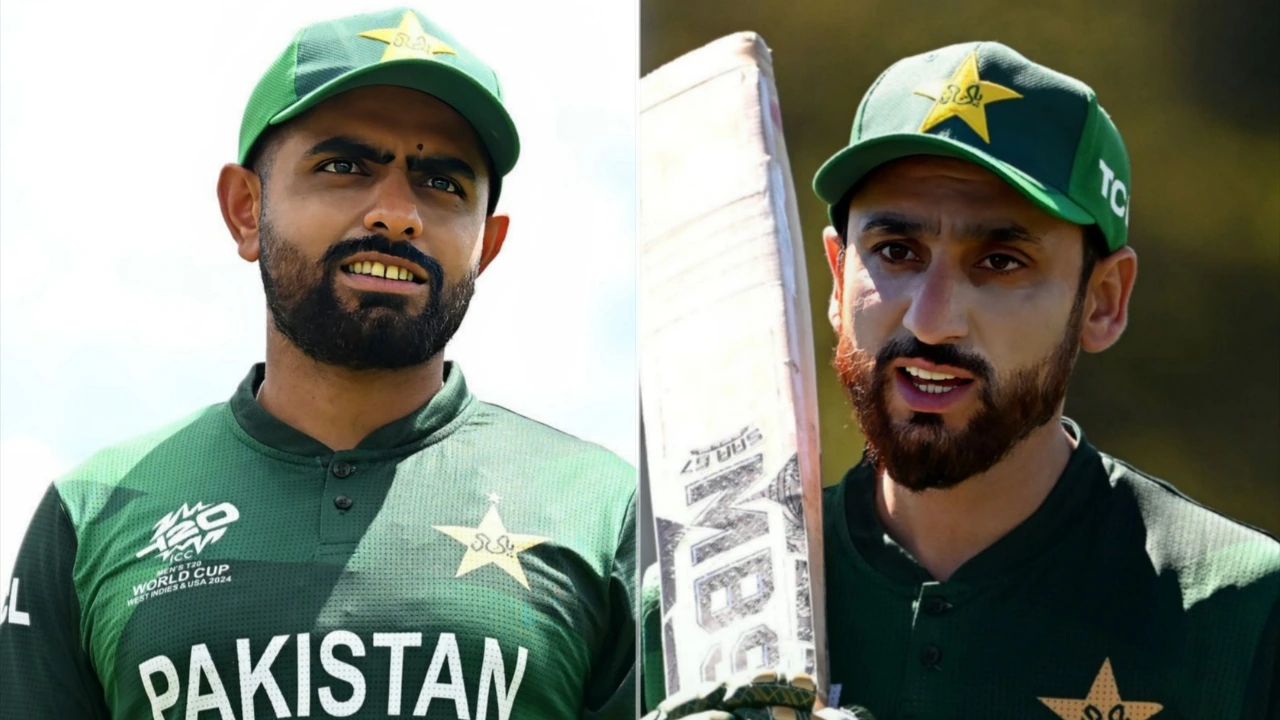
Pakistan Cricket Board (PCB) is currently embroiled in a heated selection debate as they gear up for the upcoming ICC T20 World Cup 2026 set to take place in India and Sri Lanka. The focus of the debate revolves around the possible recall of star player Babar Azam to strengthen the T20I squad for the prestigious event. The discussion comes on the heels of Salman Ali Agha’s shaky position as Pakistan’s T20I captain and batter following his lackluster performance in the recent Asia Cup 2025.
Salman Ali Agha, who managed only 72 runs across seven matches at an average of 12 and a strike rate of 80.89 in the Asia Cup, has been under scrutiny due to his inconsistent performances on the field. While he has received continued backing from the Pakistan selectors and head coach Mike Hesson, concerns are mounting within the PCB over his ability to lead the team’s batting line-up effectively as they strategize for the ICC T20 World Cup 2026.
According to reports from Pakistani journalist Saleem Khaliq, despite Hesson and the selectors’ determination to persist with Salman as the T20I captain, several PCB officials have raised doubts regarding his leadership and performance. This has led to discussions within the board about potentially bringing back Babar Azam to the side for the upcoming three-match T20I series against South Africa.
However, the team management has expressed reservations about Babar’s return, citing concerns about team balance and strategy. Hesson has emphasized that for Babar to make a T20I comeback, he needs to work on improving his strike rate and performance against spin bowling. Babar Azam has been absent from T20Is since late 2024 due to inconsistent performances and low strike rates. Despite this, the PCB believes that his experience and stability could benefit the T20I team as they prepare for the ICC T20 World Cup 2026.
While the PCB pushes for Babar Azam’s return, Pakistan’s team management advocates for maintaining the current setup with Salman at the helm. This difference in opinion has led to a split within the board, creating an air of uncertainty regarding Babar Azam’s potential comeback for the series against South Africa.
In other news, Pakistan recently made unexpected changes to its squad for the upcoming two-match Test series against South Africa. The squad was trimmed from 18 to a 16-member side with the exclusion of fast bowler Aamir Jamal and spinner Faisal Akram. The Test series is scheduled to kick off with the first Test at Lahore’s Gaddafi Stadium from October 12 to 16, followed by the second Test at Rawalpindi Cricket Stadium from October 20 to 24.
South Africa, fresh off their victory in the ICC World Test Championship 2023–25, will be looking to maintain their winning streak. Following the Test series, both teams are set to face off in three T20Is and three ODIs between October 28 and November 8, promising an action-packed cricketing extravaganza for fans worldwide.
Strategies for Babar Azam’s T20I Comeback
As the debate surrounding Babar Azam’s possible return to the T20I squad intensifies, it is crucial to consider the strategies that could be implemented to ensure his successful comeback. One aspect that needs to be addressed is Babar’s strike rate, which has been a point of contention during his previous T20I performances. To improve his strike rate, Babar could focus on enhancing his power-hitting skills and finding the right balance between aggression and consistency in his batting approach.
Additionally, Babar Azam’s performance against spin bowling has been highlighted as an area for improvement. To tackle this challenge, Babar could work on honing his skills against spinners in practice sessions and analyzing his past performances to identify weaknesses and areas for growth. Developing a solid strategy to counter spin bowling effectively could be instrumental in Babar’s success in the T20I format.
The Importance of Leadership in T20I Cricket
Leadership plays a pivotal role in the success of a T20I team, and the debate over Salman Ali Agha’s captaincy raises important questions about the impact of leadership on team performance. A captain’s ability to inspire, strategize, and lead by example can significantly influence the outcome of matches. As Pakistan gears up for the ICC T20 World Cup 2026, the PCB must carefully assess the leadership qualities of both Salman and Babar to determine the best fit for captaincy.
Effective communication, tactical acumen, and the ability to remain calm under pressure are key traits of a successful T20I captain. The Pakistan selectors and team management should evaluate these qualities in both Salman and Babar to make an informed decision that aligns with the team’s objectives and aspirations for the upcoming World Cup.
The Impact of Squad Changes on Team Dynamics
The recent adjustments to Pakistan’s squad for the Test series against South Africa highlight the ever-evolving nature of team dynamics in cricket. Squad changes can have a significant impact on team cohesion, morale, and performance. As players come in and out of the team, it is essential for the coaching staff and management to ensure smooth transitions and maintain a positive team environment.
Trimming the squad from 18 to 16 members requires careful consideration to balance player roles, strengths, and compatibility within the team. The exclusion of Aamir Jamal and Faisal Akram reflects the selectors’ strategic decisions to align the squad with the team’s objectives and playing conditions. These changes underscore the importance of adaptability and flexibility in team selection to achieve success in competitive cricket series.
In conclusion, the ongoing selection debate within the PCB presents a critical juncture for Pakistan cricket as they prepare for the ICC T20 World Cup 2026. The decisions made regarding Babar Azam’s potential comeback and the team’s leadership structure will have far-reaching implications on the team’s performance and prospects in the upcoming tournament. By carefully considering strategies for Babar’s return, evaluating leadership qualities, and managing squad dynamics effectively, Pakistan can position themselves for success in the highly anticipated T20 World Cup.
Latest News
Mohsin Naqvi enforces new social media rules for Pakistan players following Naseem Shah incident
Fakhar Zaman officially handed cricket ban after PSL 2026 ball-tampering controversy
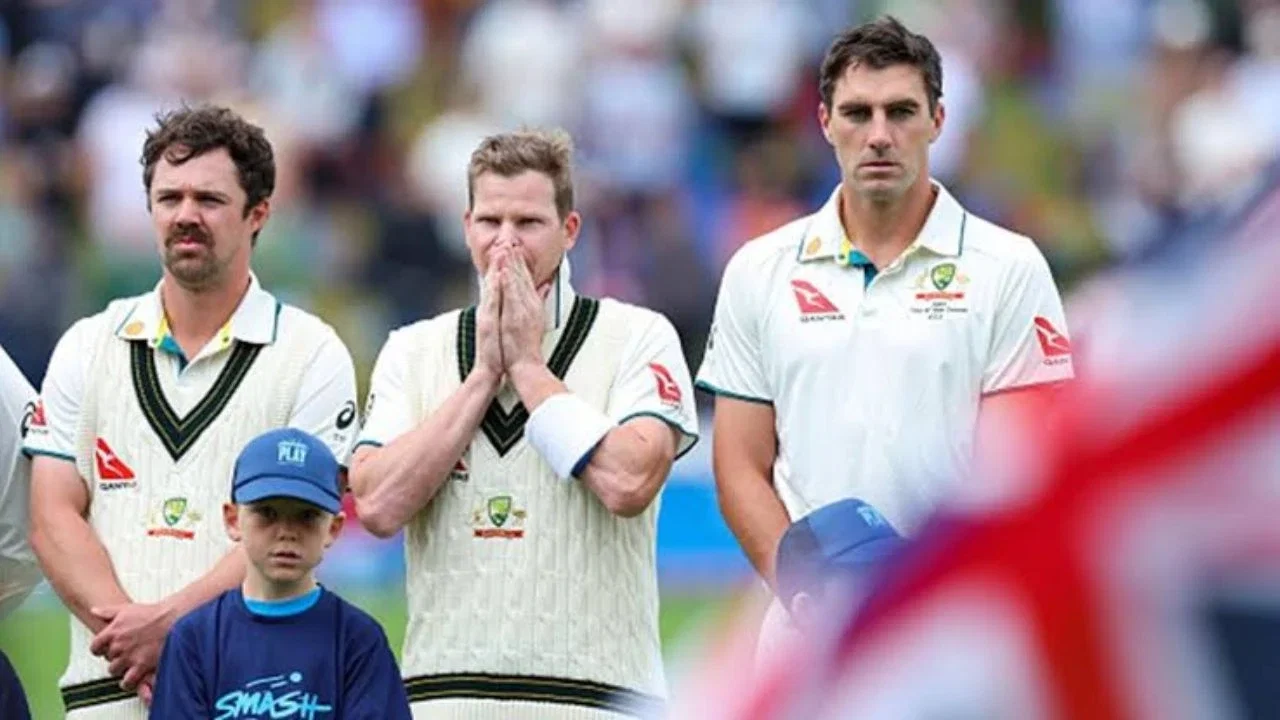
Pat Cummins forces Cricket Australia to slash central contracts list to secure premium deal
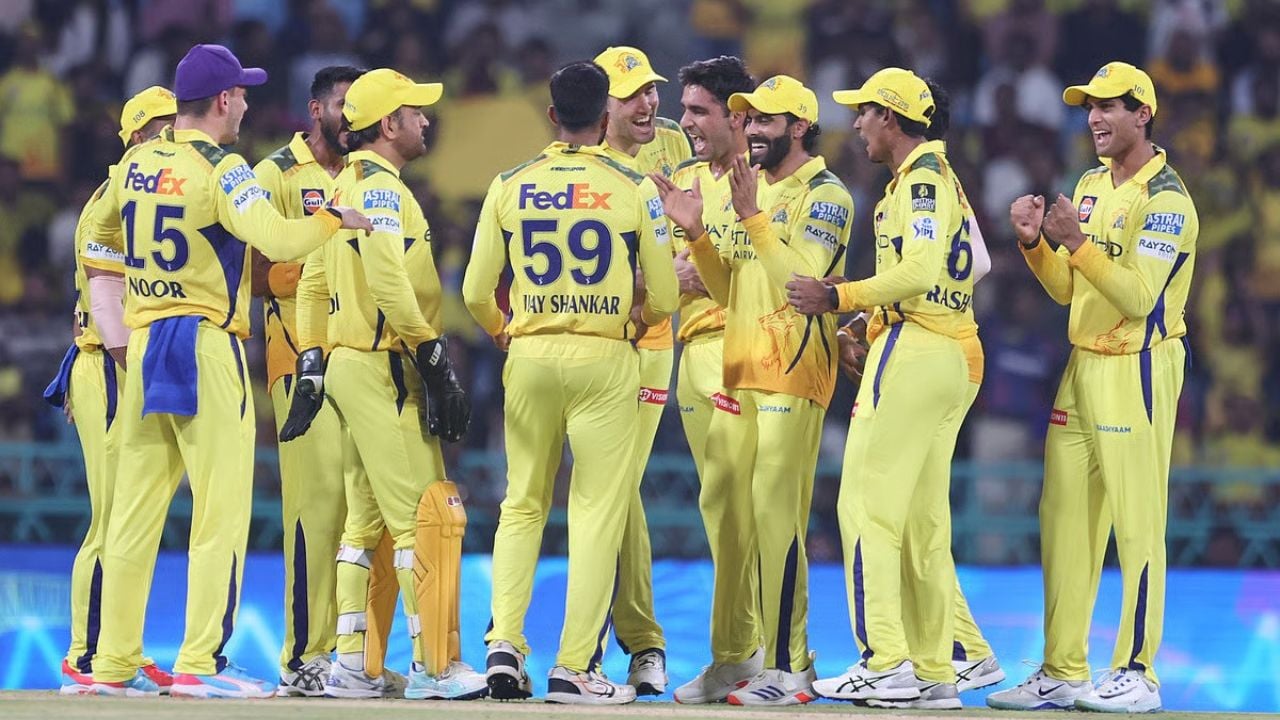
CSK’s big promise to players revealed amid IPL 2026: “Whatever BCCI offers, we’ll double it”
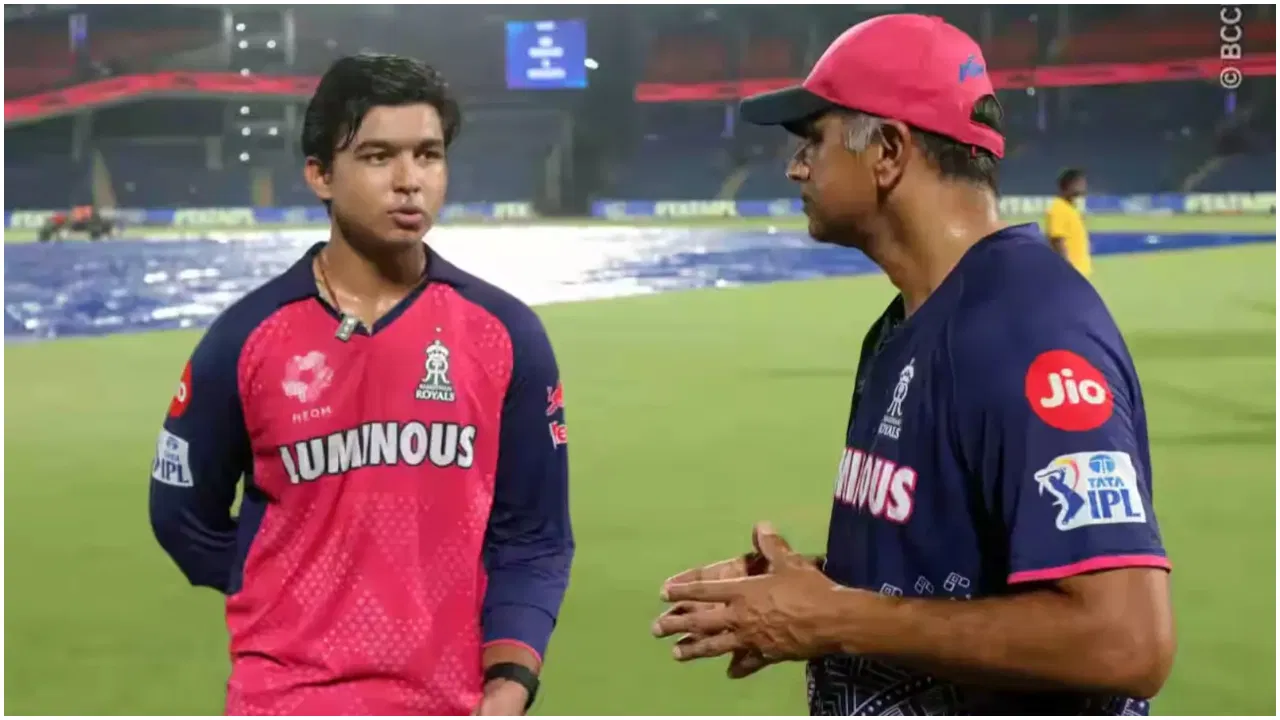
Ravichandran Ashwin rules out Vaibhav Sooryavanshi’s India call-up
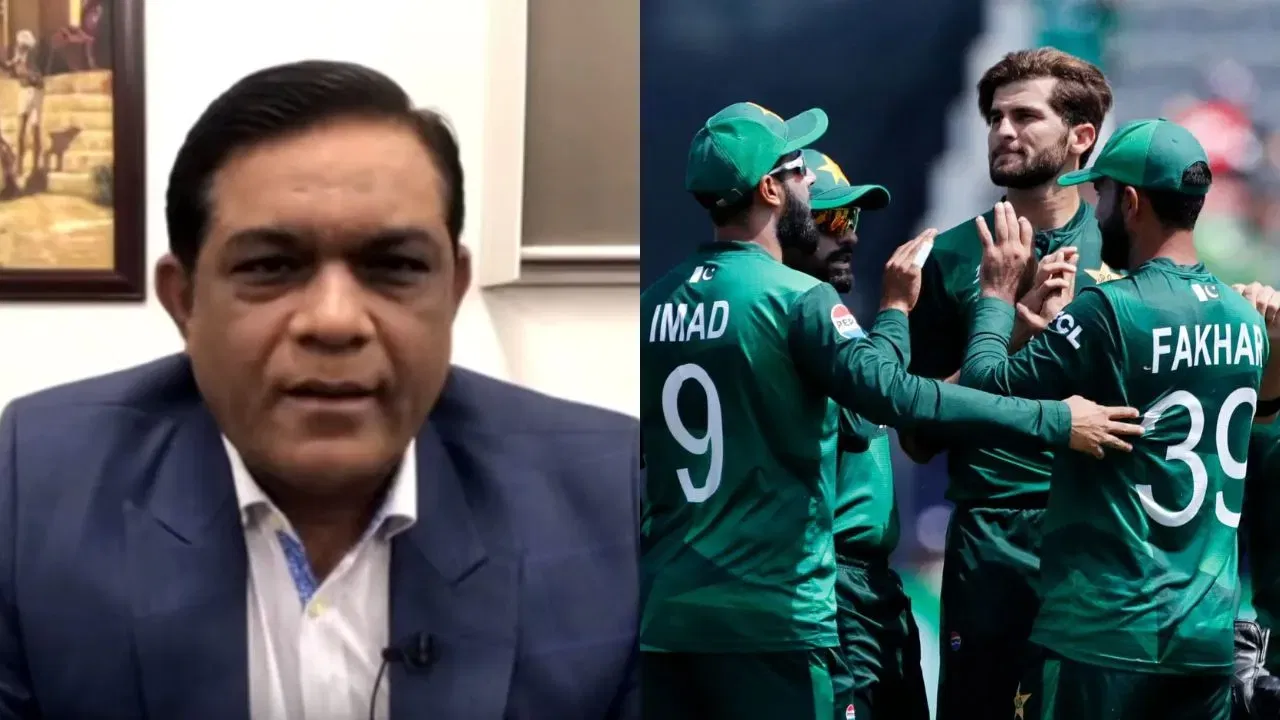
Rashid Latif claims PSL ball-tampering row was deliberately created for attention amid IPL rivalry
Mohammed Shami breaks silence on retirement buzz after India snub; has special message for LSG
Mohammed Shami reveals IPL 2026 Top 4, leaves out five-time champions
Mohammed Shami hits back at Ravichandran Ashwin over LSG’s poor IPL 2026 prediction
Riyan Parag mocked Sanju Samson? Batter’s muscle-flex celebration after sensational 6 vs CSK goes viral
IPL 2026 hit by tragedy! British broadcast engineer dies in Mumbai hotel room
Brad Haddin reveals reality of Shreyas Iyer as captain
Jos Buttler set to dominate IPL 2026, thanks to Ashish Nehra
Ravindra Jadeja says he had no conversation with MS Dhoni after RR move