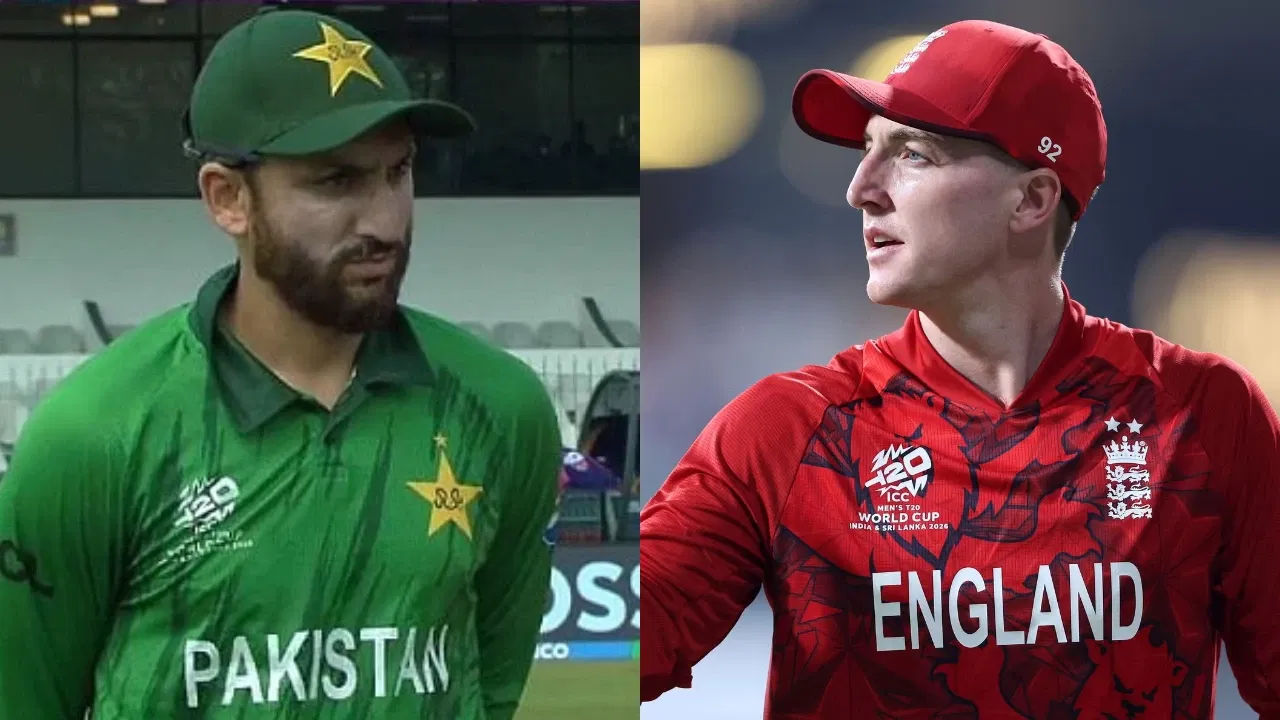
Babar Azam’s teammate issues official statement on The Hundred controversy involving Pakistan cricketers
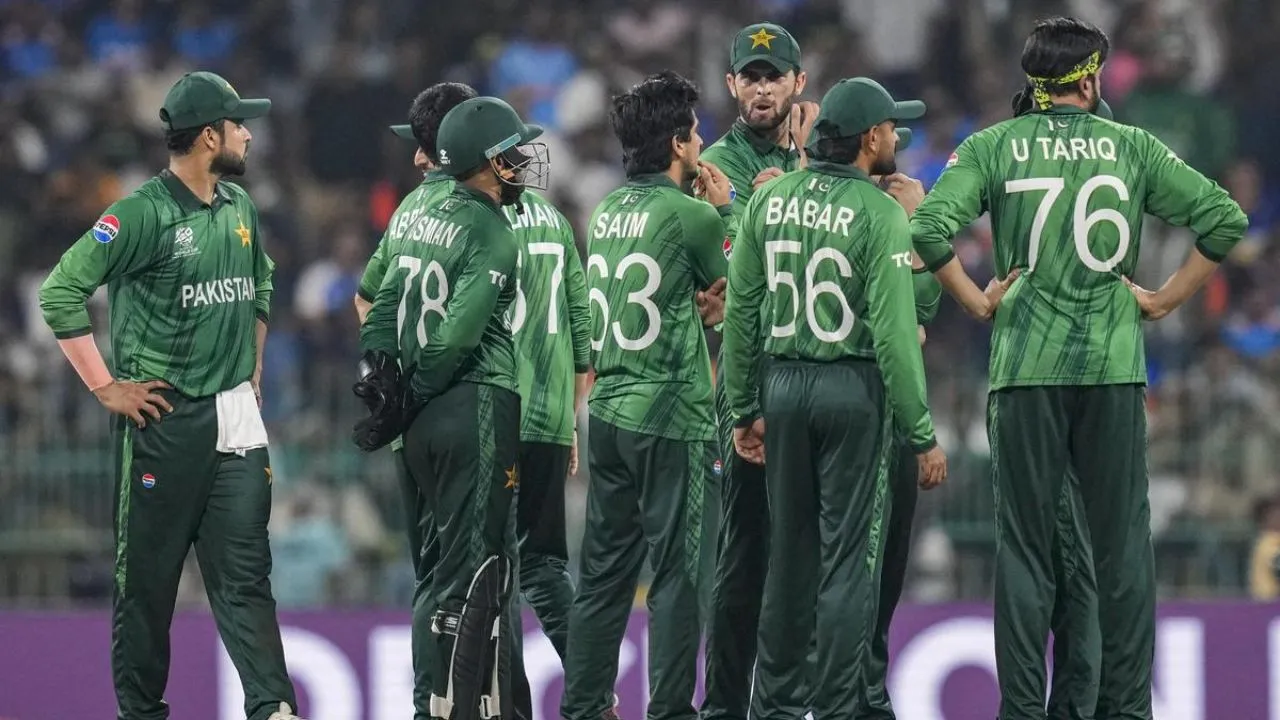
Fresh Controversy Surrounding Pakistani Players in The Hundred
A storm is brewing in anticipation of the next season of The Hundred, with concerns raised about the potential exclusion of Pakistani players from the upcoming player auction. Speculation suggests that teams owned or co-owned by Indian Premier League (IPL) team owners may steer clear of picking Pakistani cricketers, including stars like Babar Azam, Shaheen Afridi, and Haris Rauf.
IPL-Linked Owners Under Scrutiny
The Manchester Super Giants, MI London, Southern Brave, and Sunrisers Leeds teams, with owners and stakeholders tied to the IPL, are at the center of the controversy. Reports suggest that these teams may opt not to select Pakistani players at the auction, aligning with the historical ban on Pakistani cricketers in the IPL following the Mumbai terror attack in 2011.
Moreover, other leagues with IPL-linked owners, such as South Africa’s SA20 league and the UAE’s ILT20, have also avoided picking Pakistani players, adding fuel to the speculation surrounding The Hundred.
Sahibzada Farhan Addresses Tension
Reacting to the growing concerns, Pakistani opener Sahibzada Farhan emphasized that players have no control over who picks them. Despite the uncertainty, he expressed every cricketer’s dream of participating in prestigious leagues like The Hundred, emphasizing the importance of opportunities in top-tier competitions.
Farhan’s statement at a press conference ahead of the Pakistan-England Super 8 game at the T20 World Cup 2026 underscored the players’ willingness to play in any league that welcomes them, highlighting their passion for showcasing their talent on a global platform.
67 Pakistani Players in the Auction Pool
The issue has gained traction as a significant number of Pakistani cricketers, including 67 men and women, have registered for The Hundred season, with notable names like Shaheen Afridi, Shadab Khan, and Haris Rauf in the mix. These players have already made their mark in the 100-ball tournament in previous seasons.
England captain Harry Brook expressed his disappointment at the prospect of Pakistani players being excluded, citing their skill and ability to draw crowds, enhancing the overall quality of the competition.
ECB’s Response to the Controversy
While no team has officially announced plans to overlook Pakistani players, the speculation prompted the England and Wales Cricket Board (ECB) to intervene. The ECB issued a formal communication to all eight teams participating in The Hundred, reminding them of their obligation to uphold fair selection practices and anti-discrimination policies.
The message reiterated the importance of adhering to regulations to ensure unbiased selection processes and prevent any appearance of favoritism or discrimination.
As the anticipation builds for the upcoming season of The Hundred, cricket fans worldwide are eagerly awaiting the resolution of this controversy and the inclusion of Pakistani players in the auction, enhancing the competitiveness and diversity of the tournament.
Pakistani Players’ Impact on The Hundred
Despite the controversy surrounding the potential exclusion of Pakistani players from The Hundred, their presence in the tournament has undeniably left a lasting impression. Over the years, Pakistani cricketers have showcased their talent, skills, and competitive spirit, contributing significantly to the success and excitement of the event.
Players like Shaheen Afridi, Babar Azam, and Haris Rauf have captivated audiences with their exceptional performances, setting new records, and enthralling fans with their cricketing prowess. Their inclusion in previous seasons has not only elevated the level of competition but also added a unique flair and diversity to the tournament.
Diversity and Inclusivity in Cricket
Cricket is a sport that thrives on diversity, bringing together players from different backgrounds, cultures, and countries. The inclusion of Pakistani cricketers in global leagues like The Hundred not only showcases the talent pool from Pakistan but also promotes inclusivity and cross-cultural exchange in the world of cricket.
By embracing players from various cricketing nations, leagues like The Hundred can foster a sense of unity and camaraderie among players, fans, and stakeholders. Emphasizing fair selection practices and anti-discrimination policies is crucial to maintaining the integrity and spirit of the game while providing equal opportunities for all talented individuals.
The Role of Cricket Governing Bodies
Cricket governing bodies play a vital role in ensuring that leagues and teams adhere to fair and transparent selection processes. By intervening in potential controversies and issuing reminders about anti-discrimination policies, organizations like the England and Wales Cricket Board (ECB) can uphold the principles of equality and fairness in the sport.
It is essential for cricket boards, leagues, and teams to prioritize meritocracy and talent recognition above any external influences or biases. By valuing players based on their skills, performance, and dedication to the game, cricket can continue to evolve as a global sport that celebrates diversity and excellence.
Looking Ahead
As the cricketing world eagerly awaits the resolution of the controversy surrounding Pakistani players in The Hundred, there is hope that all talented cricketers, regardless of their nationality, will have the opportunity to showcase their abilities on the international stage. The inclusion of players from diverse backgrounds not only enriches the quality of competition but also promotes unity and mutual respect among cricket enthusiasts worldwide.
Ultimately, the success of The Hundred and other global cricket leagues hinges on upholding values of fairness, inclusivity, and sportsmanship, ensuring that the spirit of the game remains untarnished by external pressures or biases. As the cricketing community continues to evolve and grow, the participation of Pakistani players and other international talent will undoubtedly play a vital role in shaping the future of the sport.
Latest News
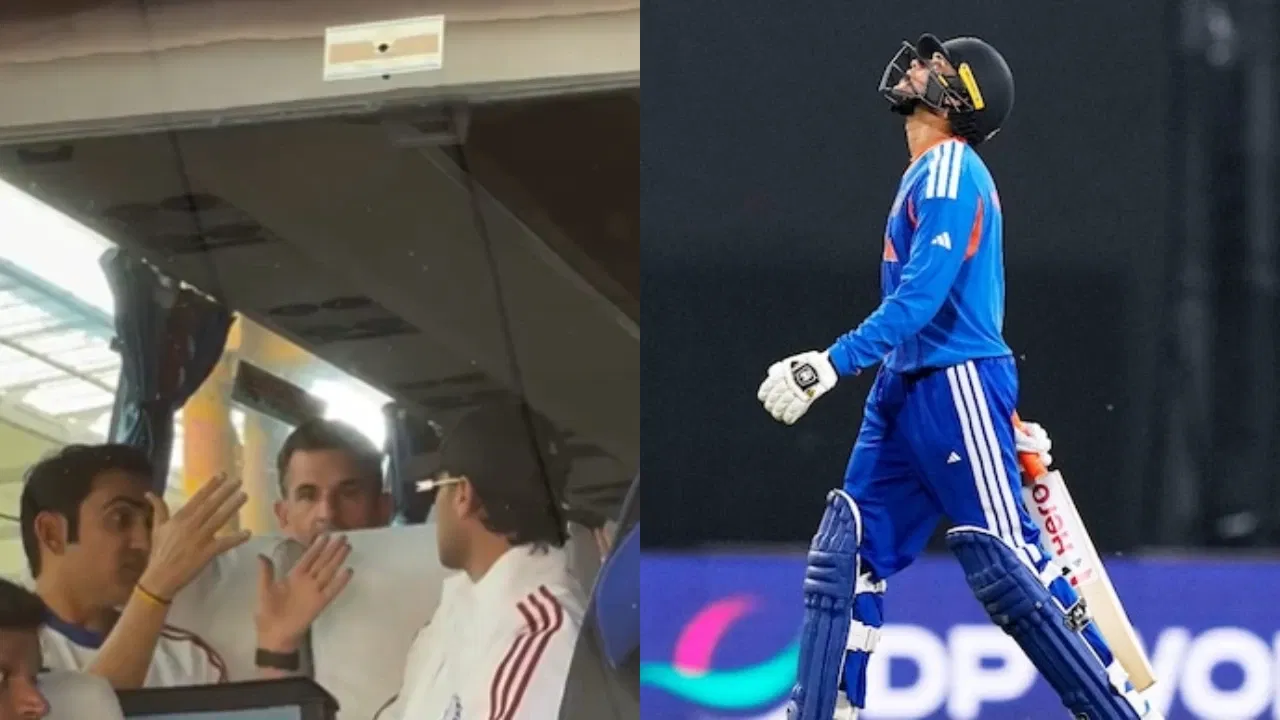
Gautam Gambhir caught scolding Abhishek Sharma inside team bus amid horror show in T20 World Cup 2026
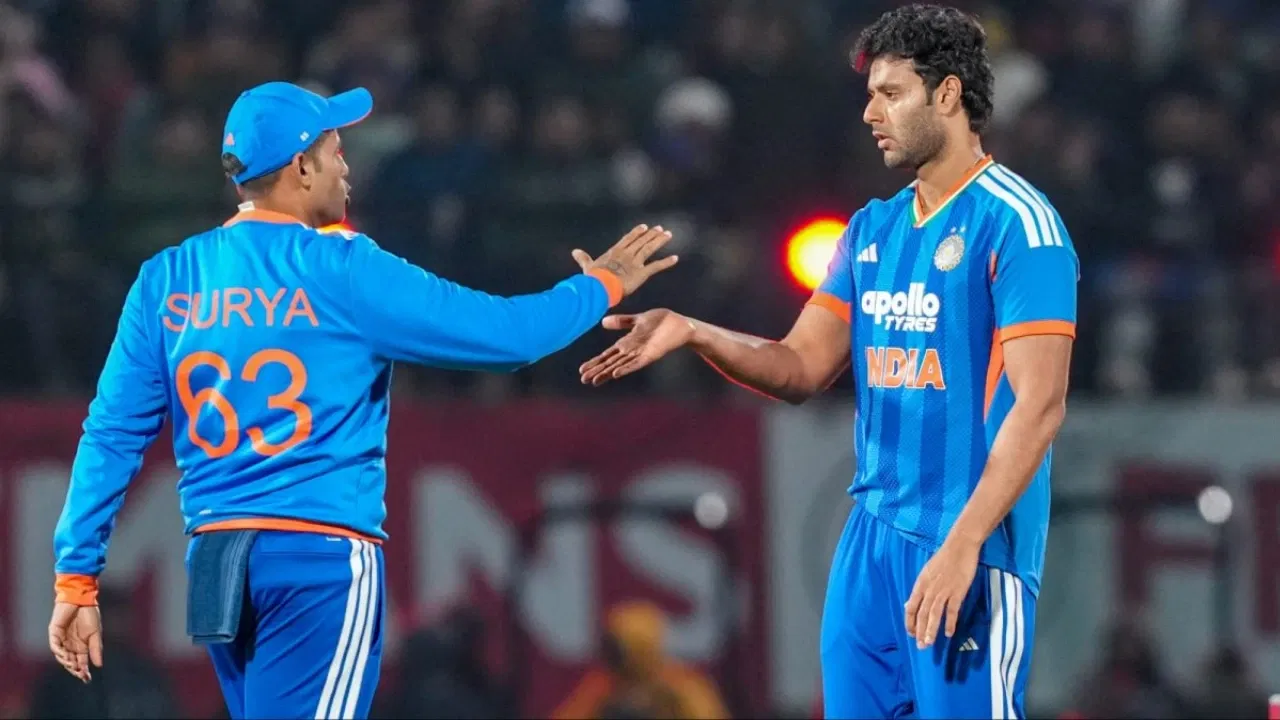
“Tune hi toh bola tha” – Suryakumar Yadav, Shivam Dube involved in heated exchange in loss to South Africa
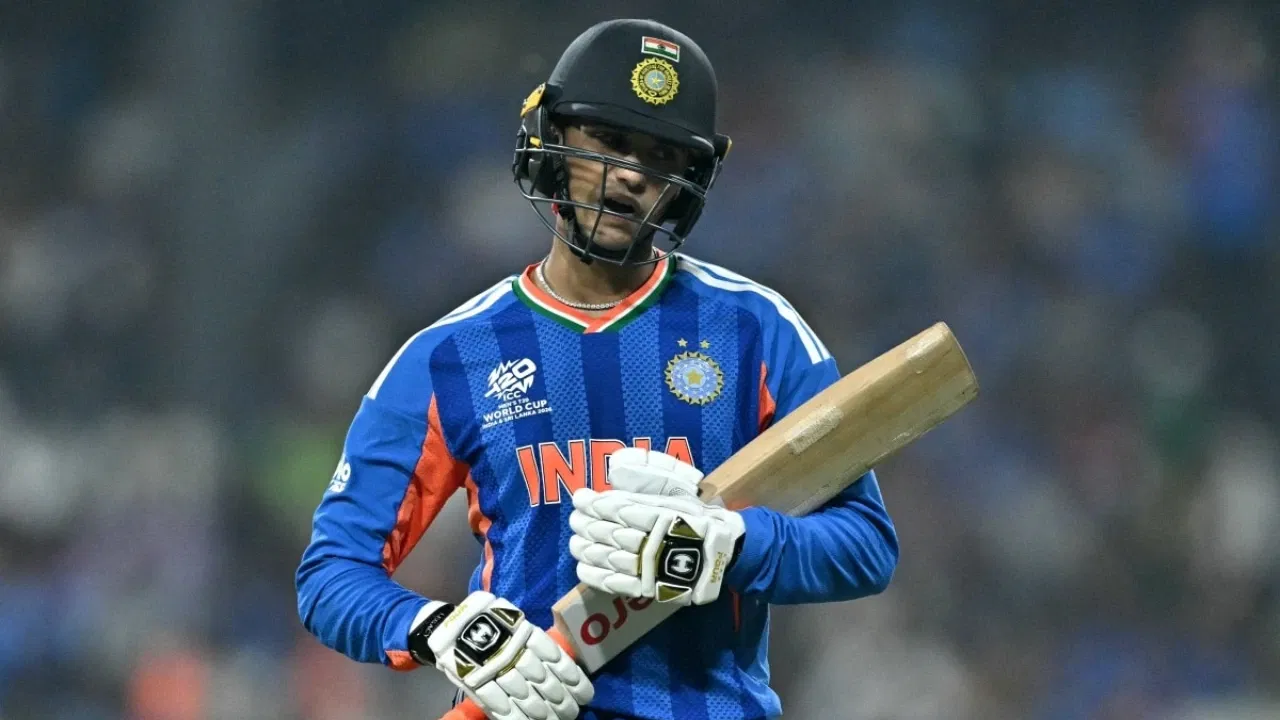
Abhishek Sharma hiding injury from team management? Shocking development emerges
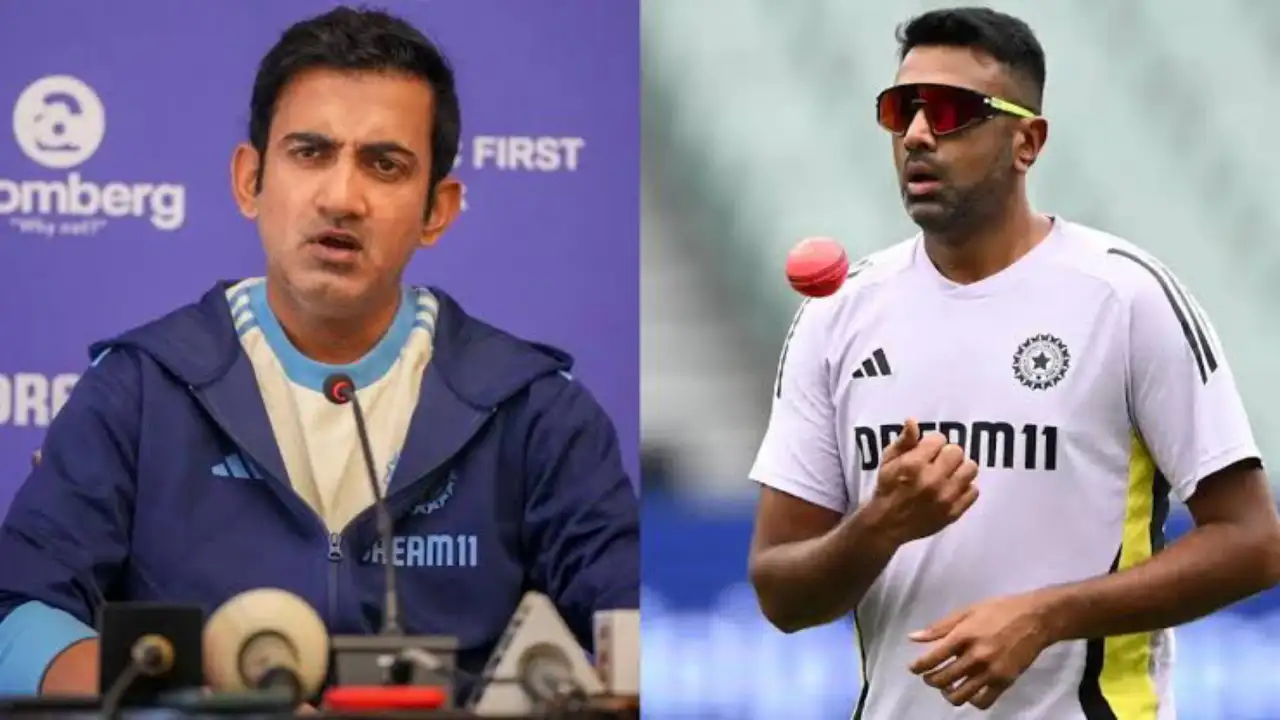
Gautam Gambhir’s experiments make Team India unstable! Ravichandran Ashwin makes shocking accusation
Gautam Gambhir’s experiments make Team India unstable! Ravichandran Ashwin makes shocking accusation
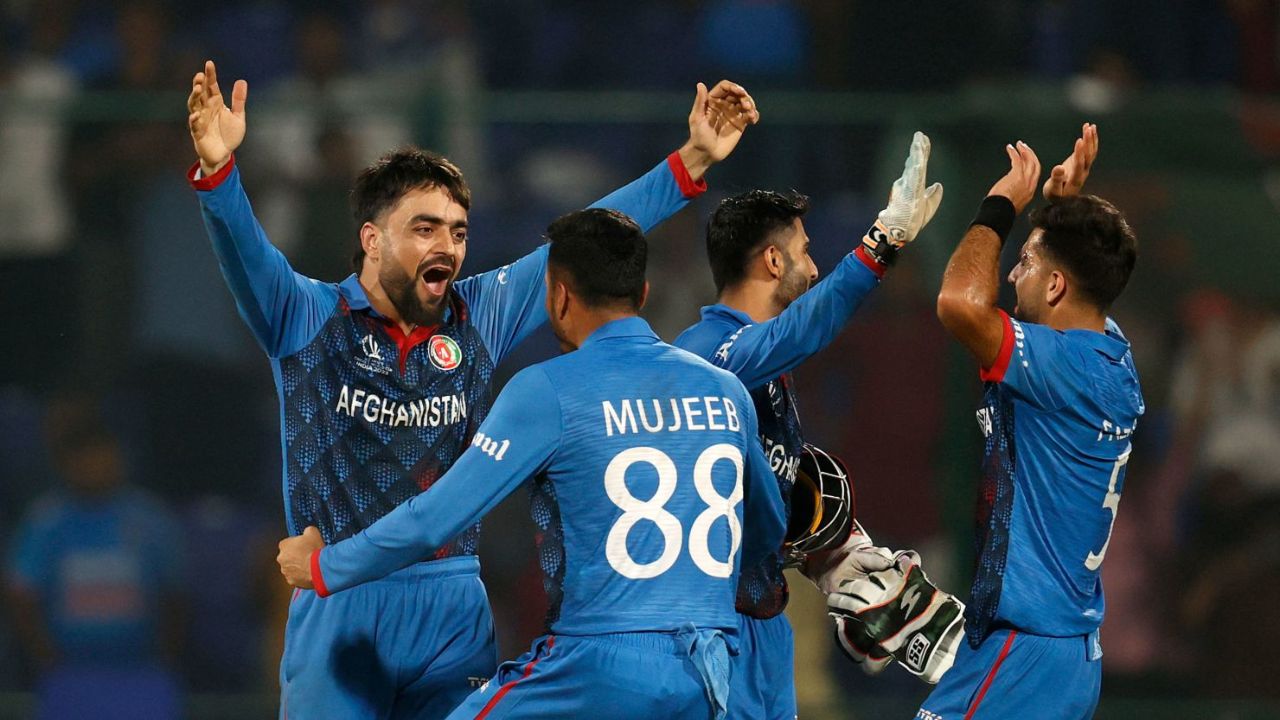
Afghanistan announce full schedule for white-ball series against Sri Lanka in March 2026
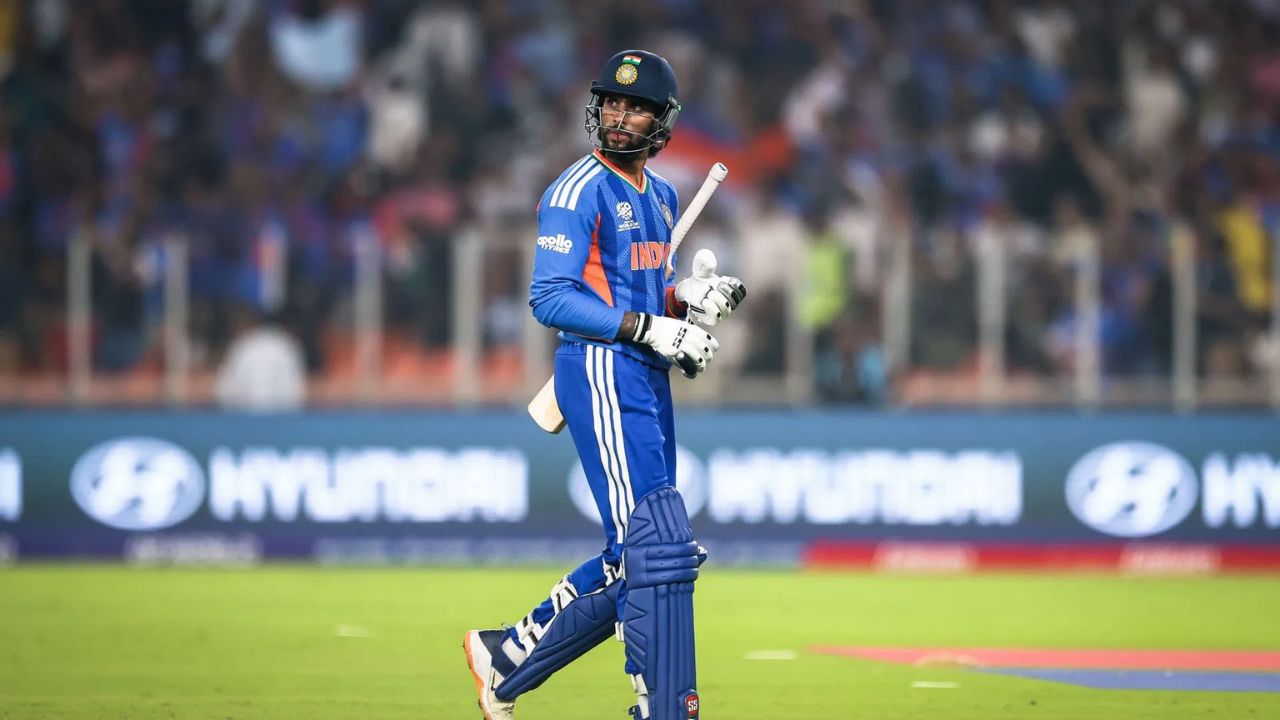
India missing Virat Kohli’s magic? Tilak Varma under fire after costly Super 8 blunder
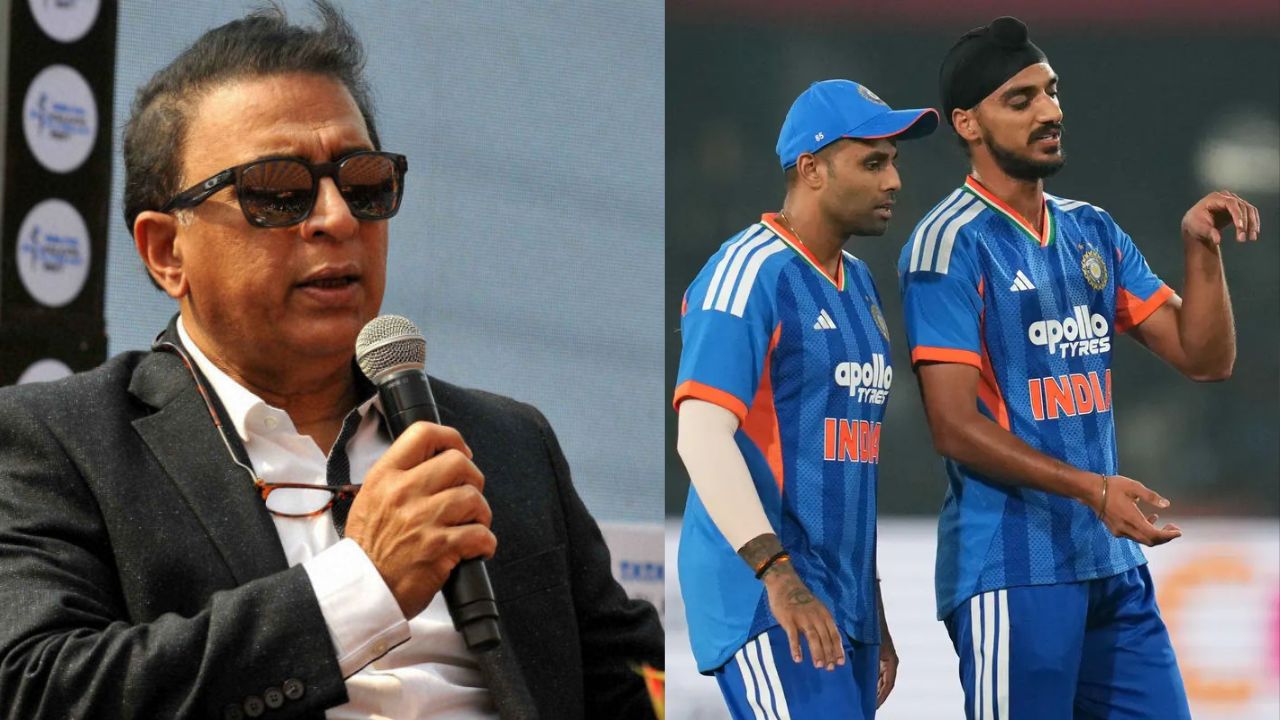
Sunil Gavaskar destroys ‘overconfident’ India batters after crushing loss vs South Africa in T20 World Cup
Sunil Gavaskar destroys ‘overconfident’ India batters after crushing loss vs South Africa in T20 World Cup
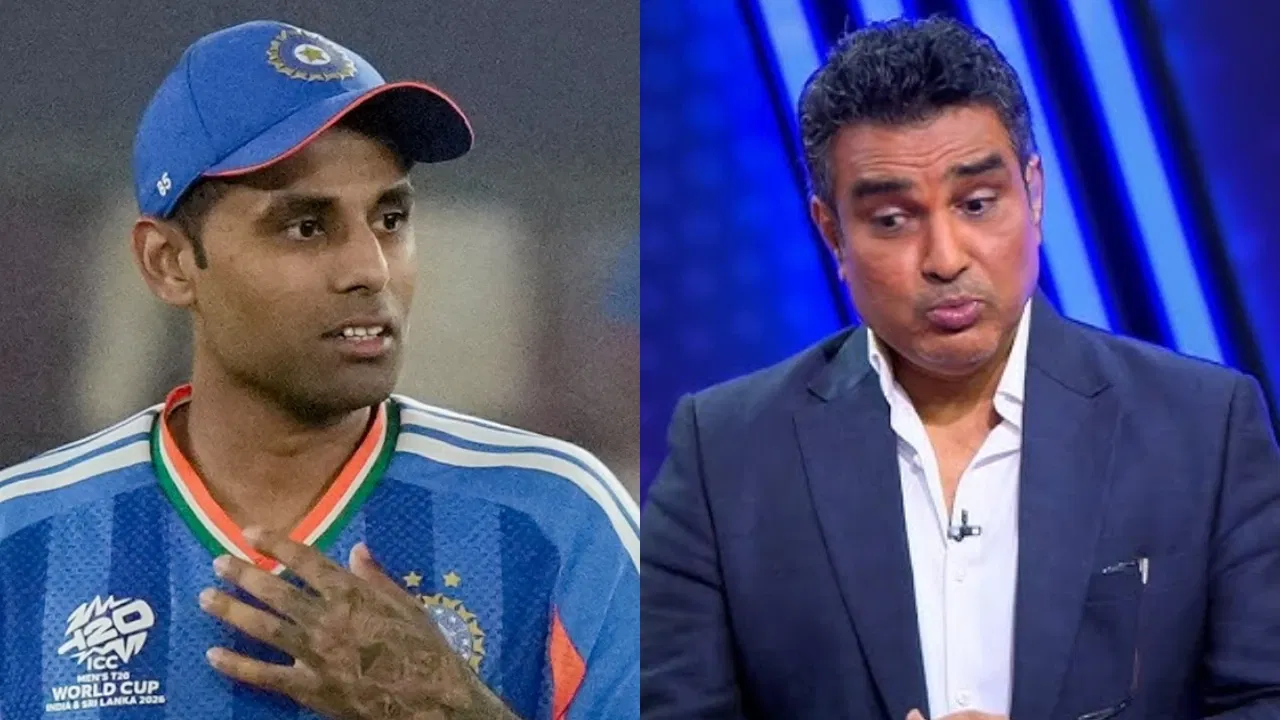
Sanjay Manjrekar exposes Suryakumar Yadav’s inability to lead from the front
KKR head coach brutally trolls Abhishek Sharma, Ishan Kishan after their ducks in T20 World Cup 2026
Babar Azam’s teammate issues official statement on The Hundred controversy involving Pakistan cricketers
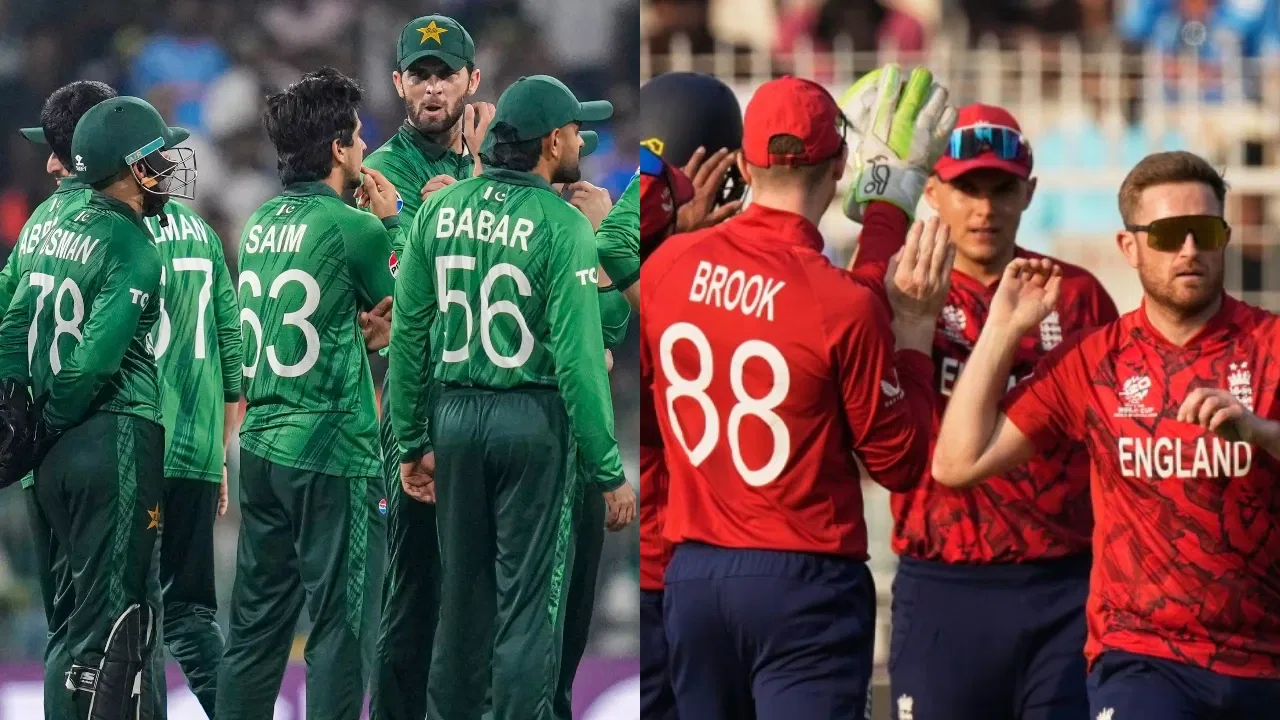
ENG vs PAK Preview – Match 45, Super 8 Group 2: Free Live Streaming, Pitch & Weather Report, Head-to-Head | T20 World Cup 2026
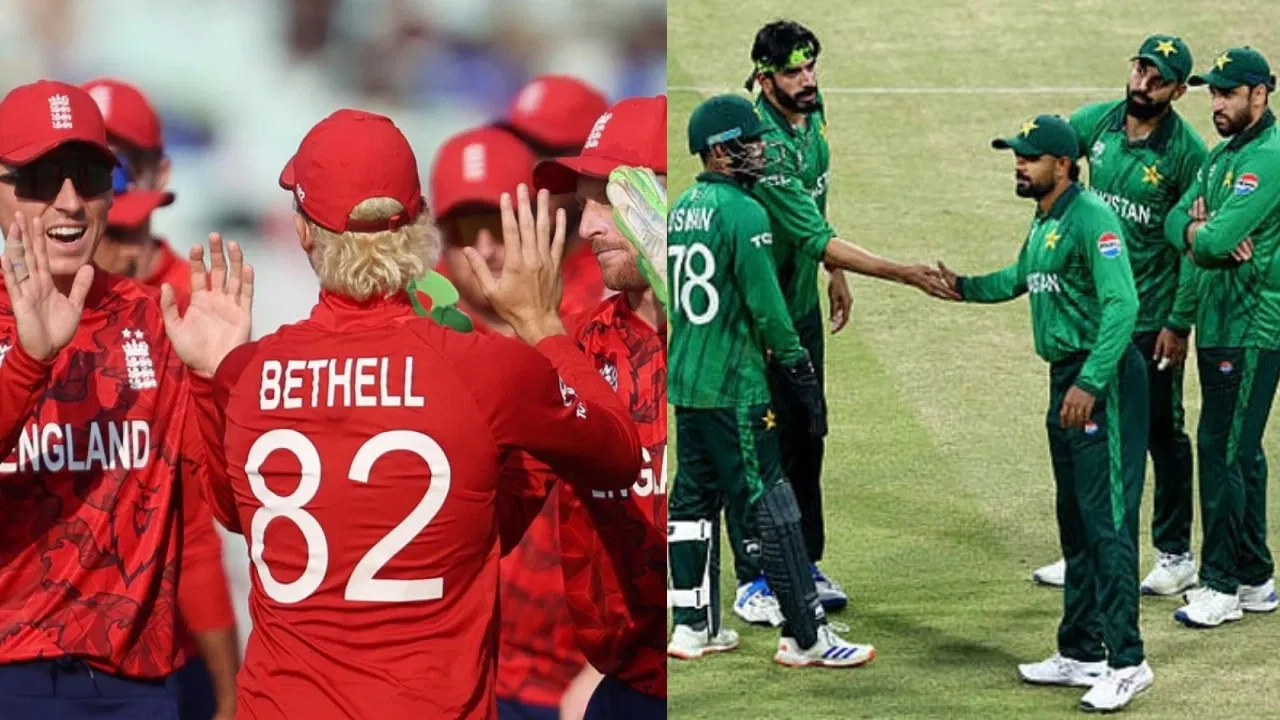
ENG vs PAK Match Prediction – Who Will Win Match 45, Super 8 Group 2? | T20 World Cup 2026