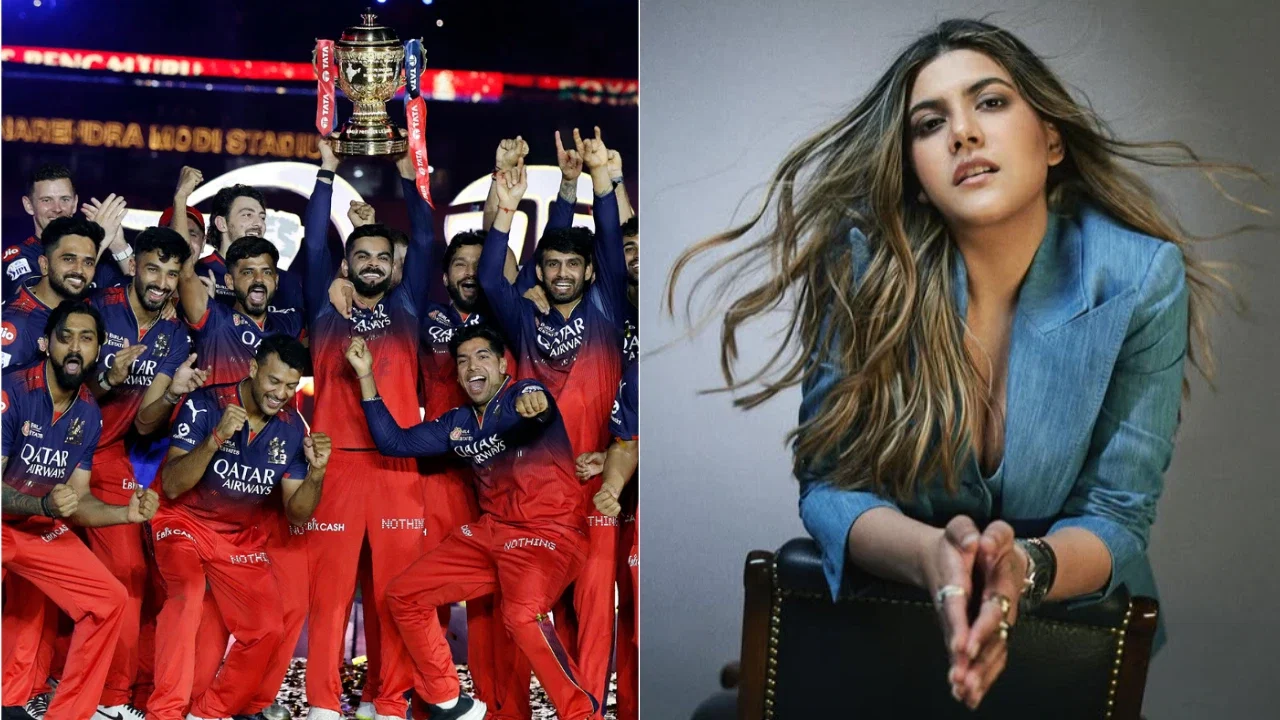
Ban on Pakistan cricket! Mohsin Naqvi’s threats backfire as Jay Shah-led ICC announces nuclear sanctions
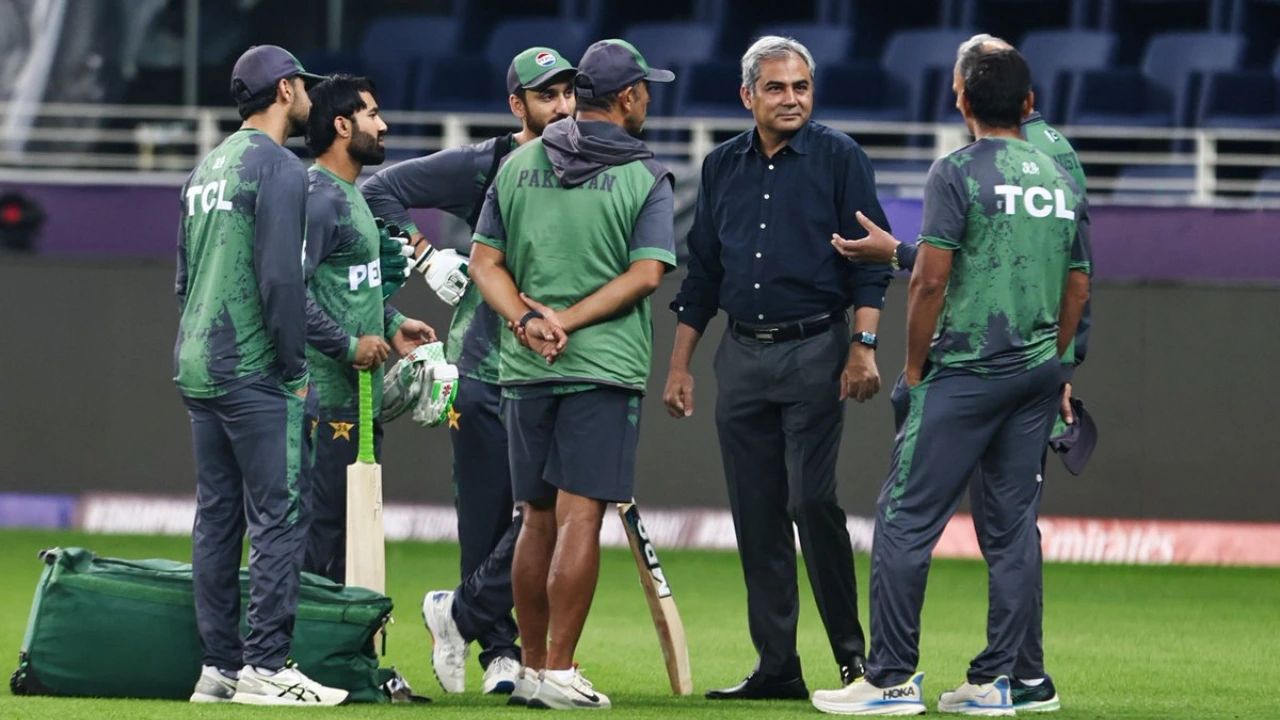
ICC Threatens Pakistan with Sanctions Over T20 World Cup Withdrawal
Following the Pakistan Cricket Board’s (PCB) withdrawal threats, the International Cricket Council (ICC) has issued a warning to the Pakistan team regarding potential sanctions if they decide to follow the same path as Bangladesh. The ICC has stated that any attempt by Pakistan to withdraw from the upcoming ICC T20 World Cup will result in a ban on participation in bilateral series and exclusion from the Asia Cup.
Controversy Over Bangladesh’s Withdrawal
What started as a trivial matter between the Bangladesh and Pakistan Cricket Boards has escalated into a significant issue. Reports suggest that the Bangladesh players have shown disinterest in their nation’s proposal to withdraw from the World Cup. While the decision to boycott the tournament was made by the Bangladesh government, the Bangladesh Cricket Board (BCB) and its players were reportedly more inclined to participate in the ICC tournament.
Pakistan, despite having a hybrid model and no direct connections to India, has found itself embroiled in fresh controversies. The ICC has expressed displeasure with the PCB’s statements and actions, prompting a stern warning to the Pakistani cricket authorities.
ICC Stands Firm Against Pakistan’s Intentions
Reports indicate that Pakistan had communicated their intention to withdraw from the T20 World Cup if Bangladesh’s demands were not met. The ICC, along with Bangladesh, stood their ground, resulting in Bangladesh boycotting the tournament. Pakistan, seemingly in solidarity with Bangladesh, also considered exiting the competition to seek justice for their fellow cricketing nation.
The ICC’s response was swift and clear – any attempt by Pakistan to follow Bangladesh’s path would lead to severe sanctions. These sanctions would include the suspension of bilateral series, exclusion from the Asia Cup, and restrictions on foreign players participating in the Pakistan Super League (PSL).
PCB’s Support for Bangladesh and Criticism of ICC
Mohsin Naqvi, the PCB Chief, criticized the ICC for what he perceived as double standards in their treatment of Bangladesh. The PCB openly supported Bangladesh’s demand for a hybrid model in the T20 World Cup, further straining their relationship with the international governing body.
Despite the announcements of venues and group-stage games, the last-minute demand by the BCB for a hybrid model raised logistical challenges. The ICC cited security concerns in India but faced backlash from Pakistan for what they perceived as unfair treatment.
Impact on Pakistan Super League (PSL)
The PCB’s confrontational stance against the ICC has put the future of the Pakistan Super League (PSL) in jeopardy. The league, which had been gaining popularity and attracting top international players, now faces the threat of losing out on foreign talent due to the PCB’s actions.
The ICC has made it clear that continued defiance from Pakistan will result in the denial of No Objection Certificates (NOCs) for foreign players in the PSL, potentially hampering the league’s growth and reputation.
In conclusion, the escalating tensions between Pakistan, Bangladesh, and the ICC have cast a shadow over the upcoming T20 World Cup and have raised concerns about the future of cricketing relations in the region.
Impact on Global Cricket Diplomacy
The rift between Pakistan, Bangladesh, and the ICC not only affects the immediate tournaments and bilateral series but also has broader implications for global cricket diplomacy. The lack of unity and consensus within the cricketing community can lead to a destabilization of relationships between countries, impacting the sport’s growth and development worldwide.
Cricket has often been used as a diplomatic tool to bridge gaps between nations, foster cultural exchange, and promote peace. However, the current disputes threaten to undermine these efforts and create divisions that could have long-term consequences for the sport’s international relations.
Future of the T20 World Cup
With the uncertainty surrounding Pakistan and Bangladesh’s participation in the upcoming ICC T20 World Cup, questions arise about the tournament’s integrity and competitiveness. The absence of key teams can impact the event’s quality and viewership, potentially diminishing its overall appeal and commercial value.
Fans and stakeholders are eagerly awaiting a resolution to the current standoff, hoping that all parties involved can find common ground and prioritize the spirit of sportsmanship and collaboration. The successful hosting of the T20 World Cup hinges on the participation of all cricketing nations, ensuring a vibrant and inclusive competition.
Repercussions on Sponsorship and Broadcasting
The ongoing tensions between Pakistan, Bangladesh, and the ICC could have significant implications for sponsorships and broadcasting deals associated with cricket tournaments. Uncertainty and negative publicity surrounding the sport can deter potential sponsors and broadcasters, impacting the financial sustainability of cricket events.
Major stakeholders in the cricketing industry closely monitor developments in the sport and seek stability and consistency to maximize their investments. The current discord threatens to disrupt these partnerships and undermine the sport’s commercial viability, necessitating a swift resolution to restore confidence in the cricketing ecosystem.
Calls for Mediation and Dialogue
As the standoff between Pakistan, Bangladesh, and the ICC continues, voices within the cricketing community are urging all parties to engage in dialogue and mediation to find a peaceful resolution. Diplomatic channels, cricketing bodies, and influential figures in the sport can play a vital role in facilitating constructive discussions and fostering reconciliation.
The spirit of cricket emphasizes fair play, respect for opponents, and the spirit of competition. It is imperative that these values guide the interactions between cricketing nations and governing bodies, promoting understanding and cooperation to overcome differences and uphold the integrity of the sport.
Looking Ahead: Collaboration and Unity in Cricket
Amidst the current challenges and tensions, the future of cricket hinges on collaboration, unity, and mutual respect among all stakeholders. The sport’s global appeal and impact rely on cohesive efforts to promote inclusivity, diversity, and excellence in cricketing competitions.
By prioritizing dialogue, empathy, and sportsmanship, cricketing nations can navigate conflicts, overcome obstacles, and build a sustainable future for the sport. The resilience and spirit of cricket lie in its ability to transcend boundaries, foster relationships, and inspire generations of fans, players, and administrators worldwide.
As the cricketing community navigates through these turbulent times, the core values of the sport must guide actions and decisions, paving the way for a brighter and more united future for cricket around the globe.
Latest News
Virat Kohli’s explosive threat during coach’s conspiracy revealed: “Will beat the living hell out of…”
Dinesh Karthik can become head coach of India, England or Australia: Jitesh Sharma makes bold claim
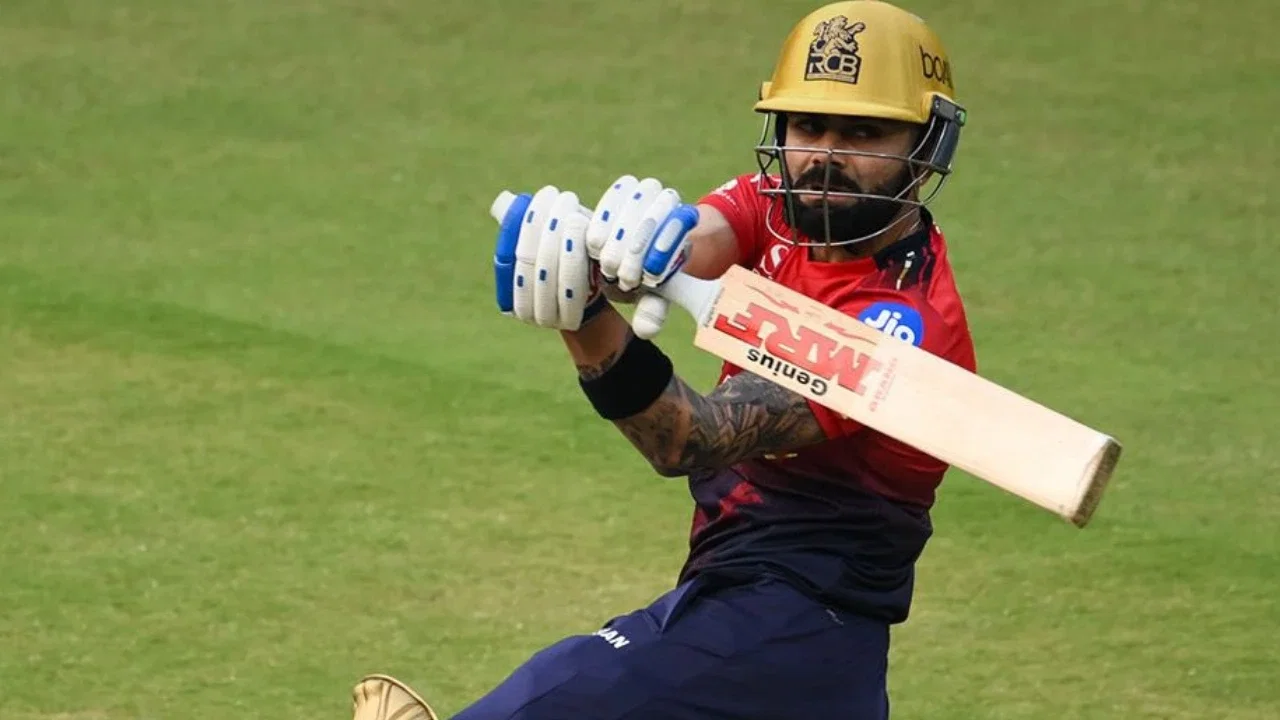
Virat Kohli turns Abhishek Sharma with explosive batting for RCB ahead of IPL 2026
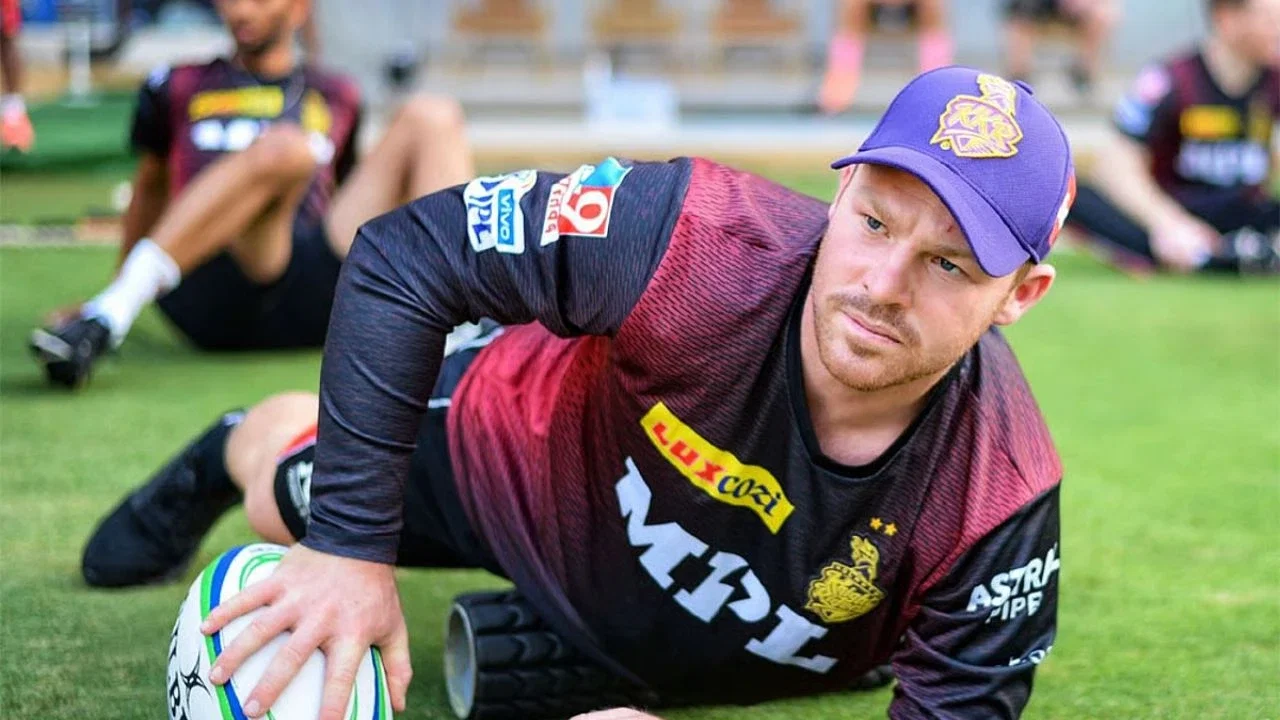
Not Tim Seifert! KKR eye 21-year-old Indian as wicketkeeper for IPL 2026
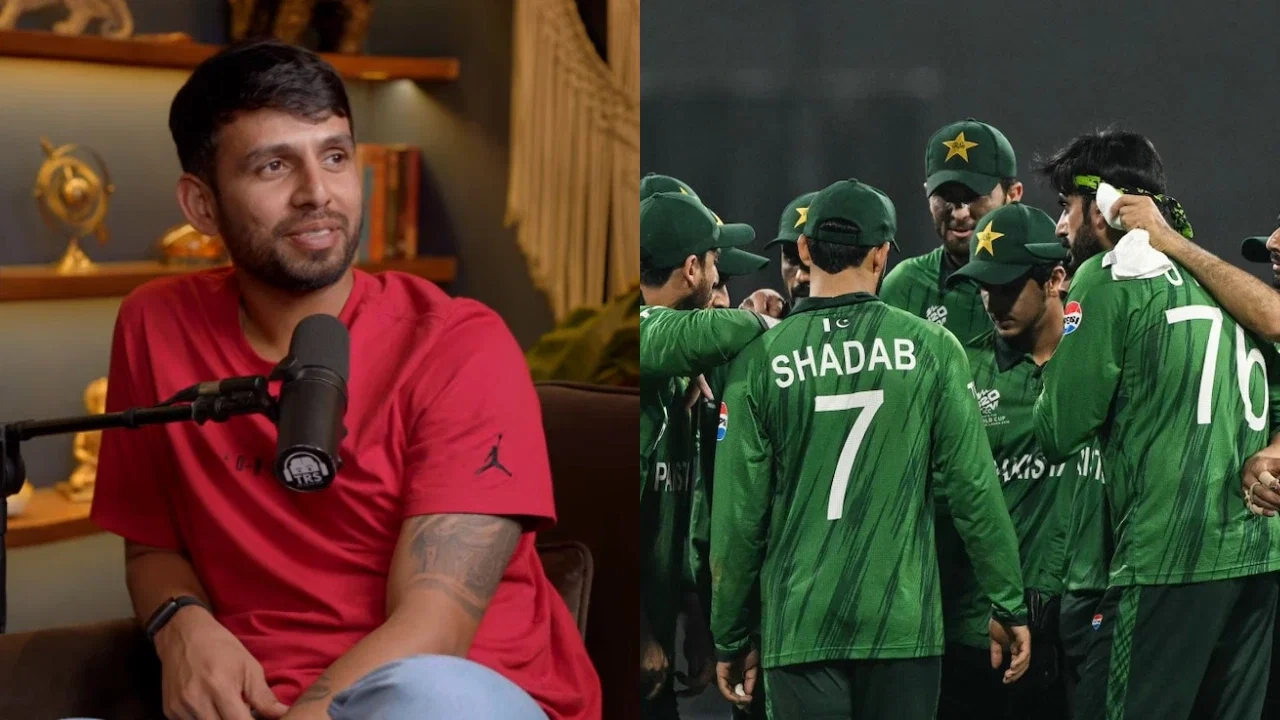
“Itna dete nahi importance inko”: Jitesh Sharma trolls Pakistan, reveals unheard story
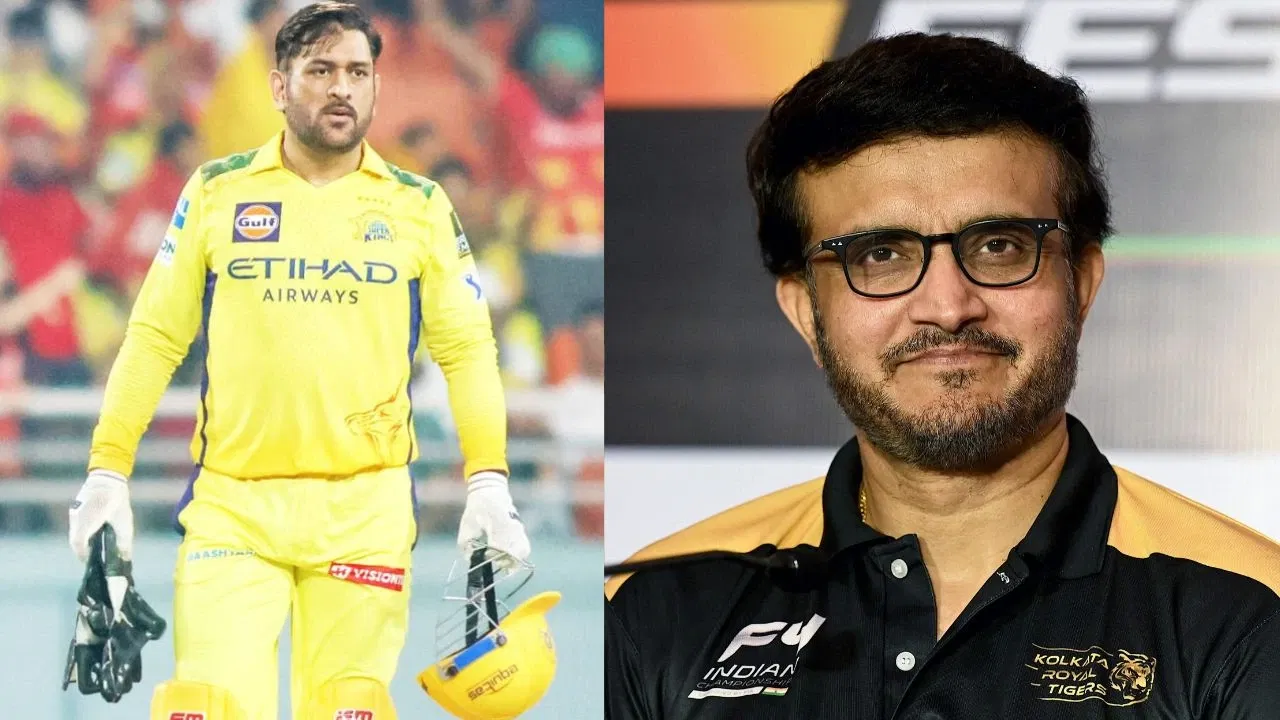
‘I liked young MS Dhoni more than the mature one’: Sourav Ganguly drops huge statement
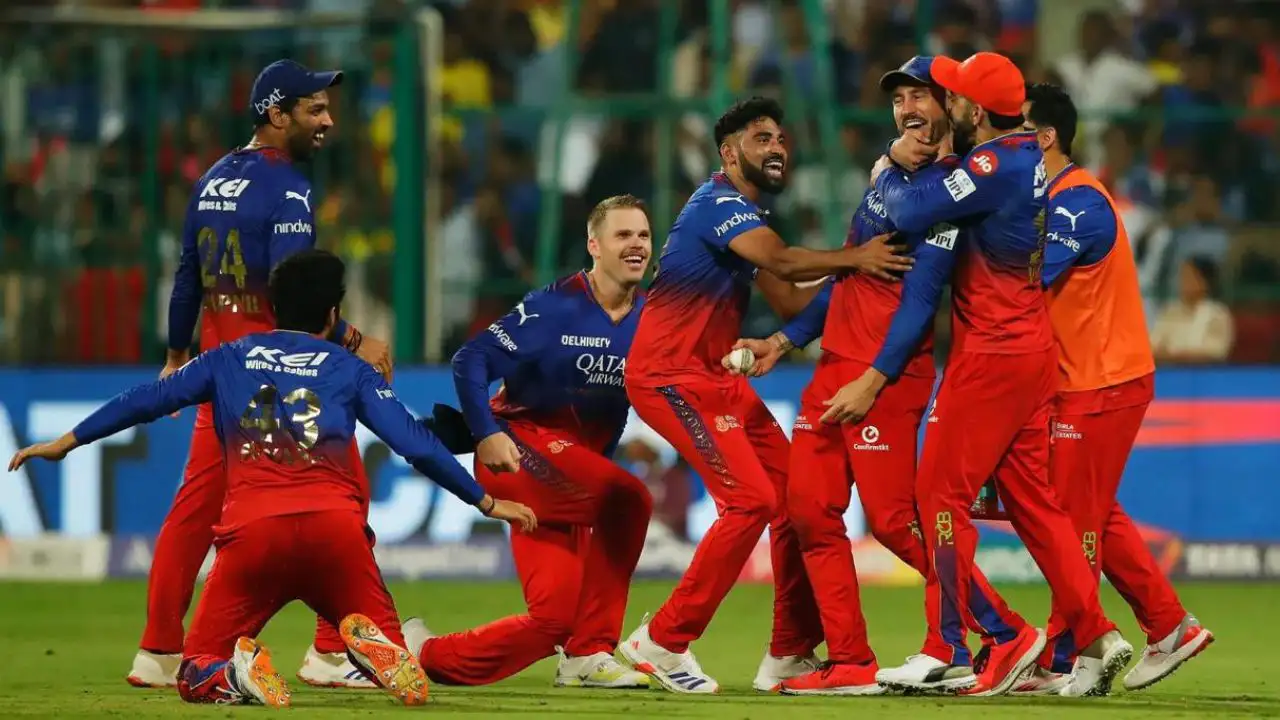
RCB suffer huge blow! SLC blocks Nuwan Thushara’s IPL 2026 participation
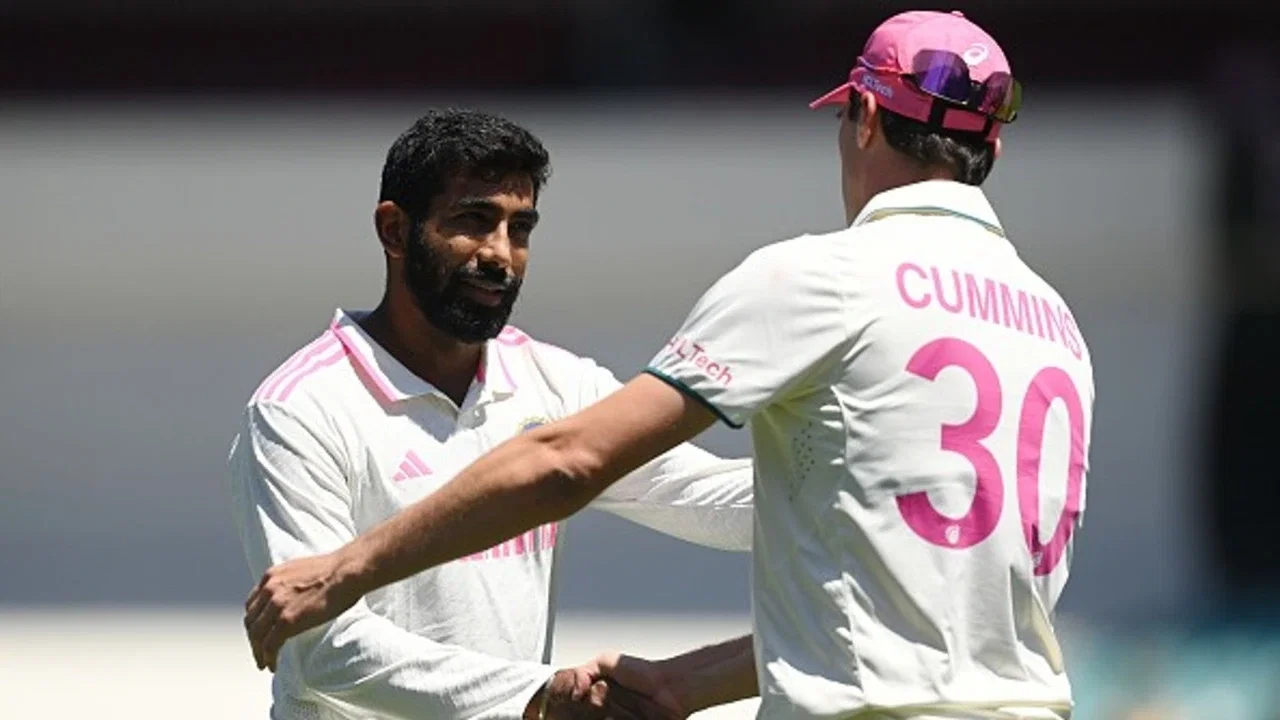
Border-Gavaskar Trophy 2027 schedule announced; Ahmedabad among five venues selected
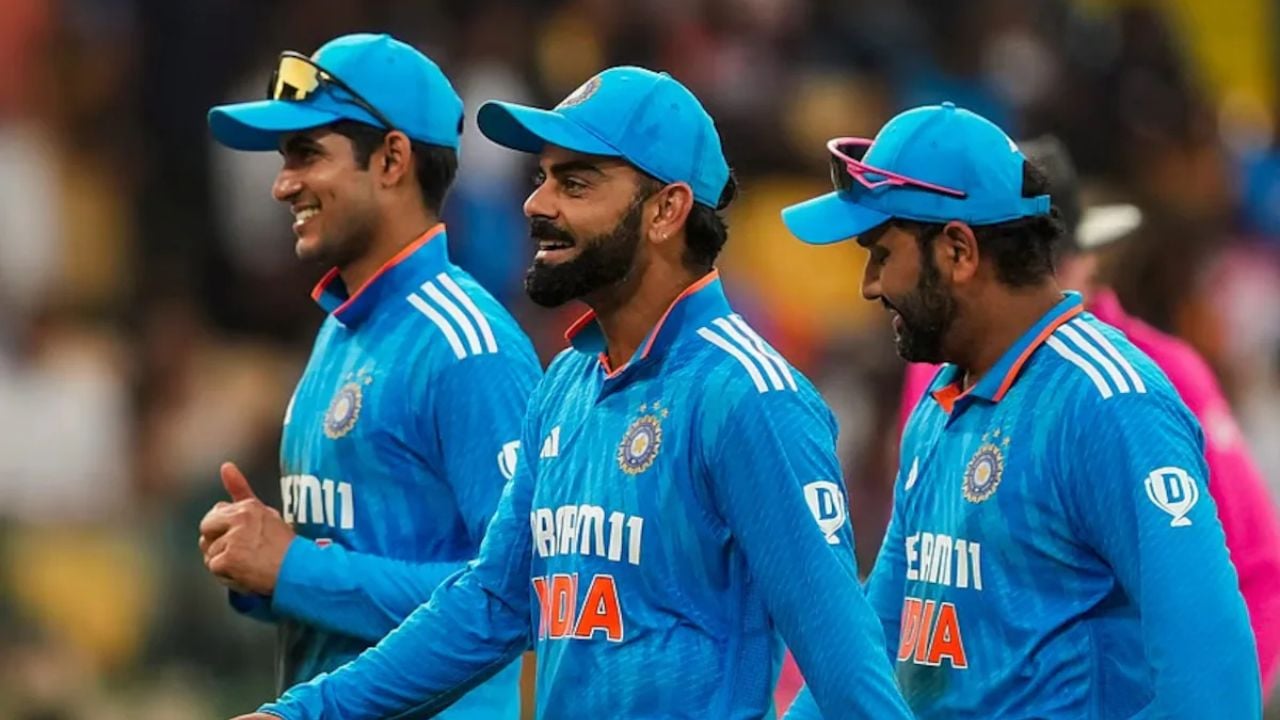
BCCI announces India’s 2026-27 international home season schedule; series vs AUS, WI, SL, ZIM finalized
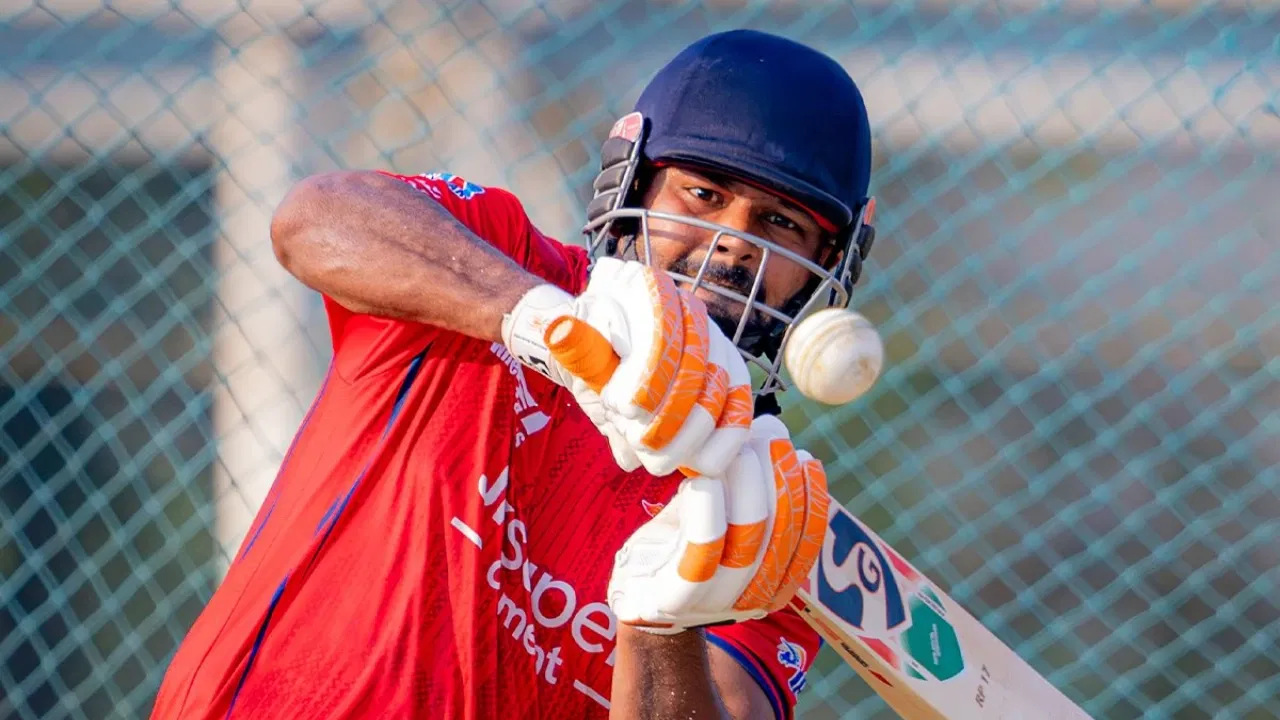
Irfan Pathan reveals Yuvraj Singh’s secret method to train Rishabh Pant ahead of IPL 2026
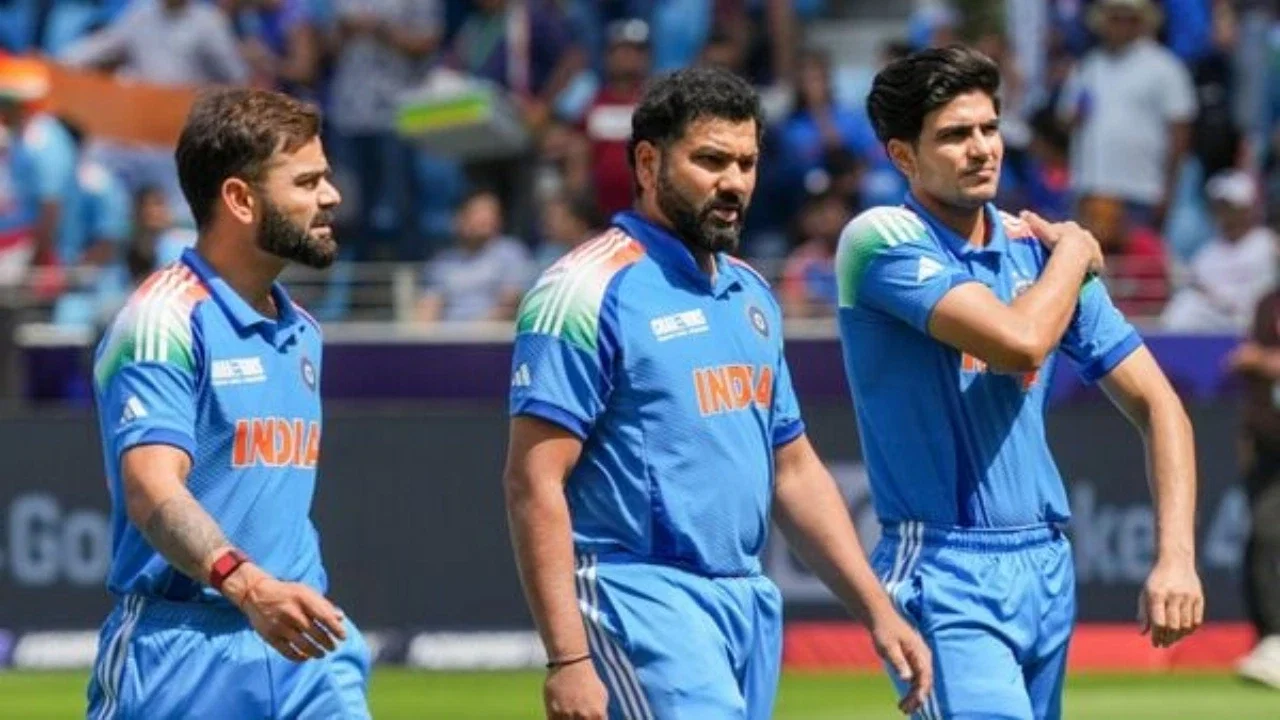
Virat Kohli, Rohit Sharma ODI schedule: Full list of matches they will play in India’s 2026-27 home season
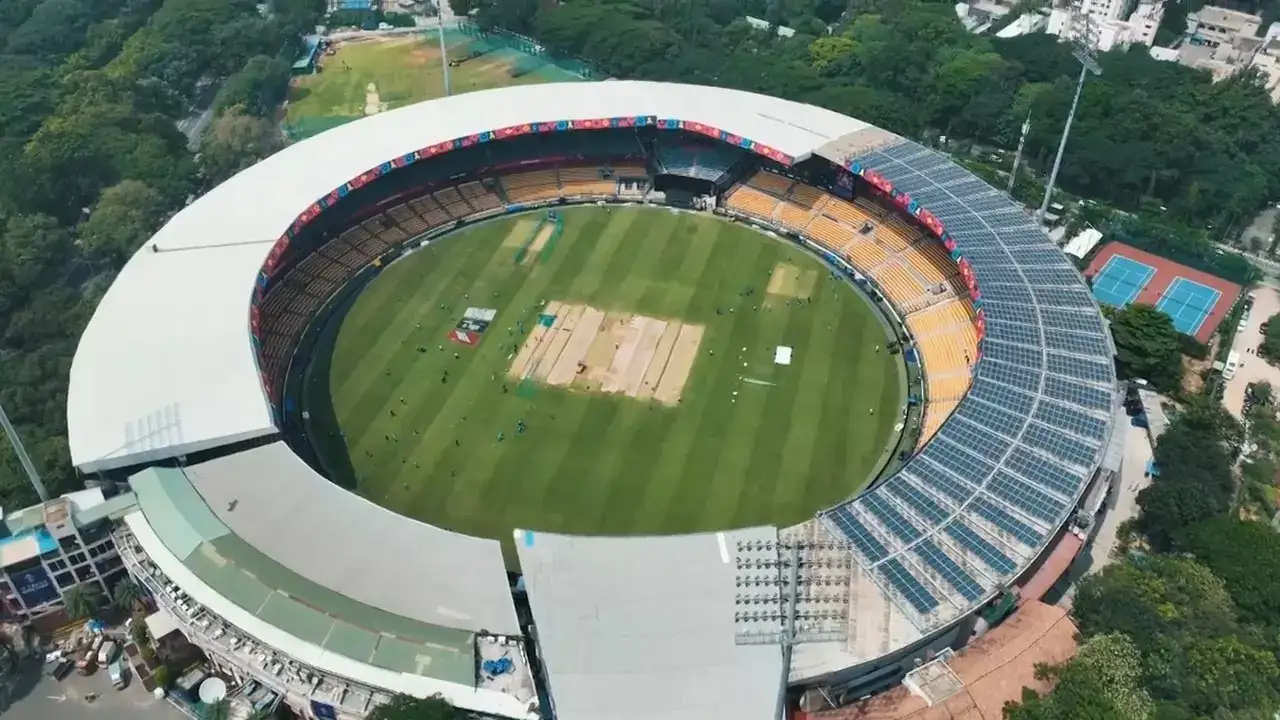
Days before RCB vs SRH IPL 2026 match, M. Chinnaswamy Stadium looks like a ‘construction side’
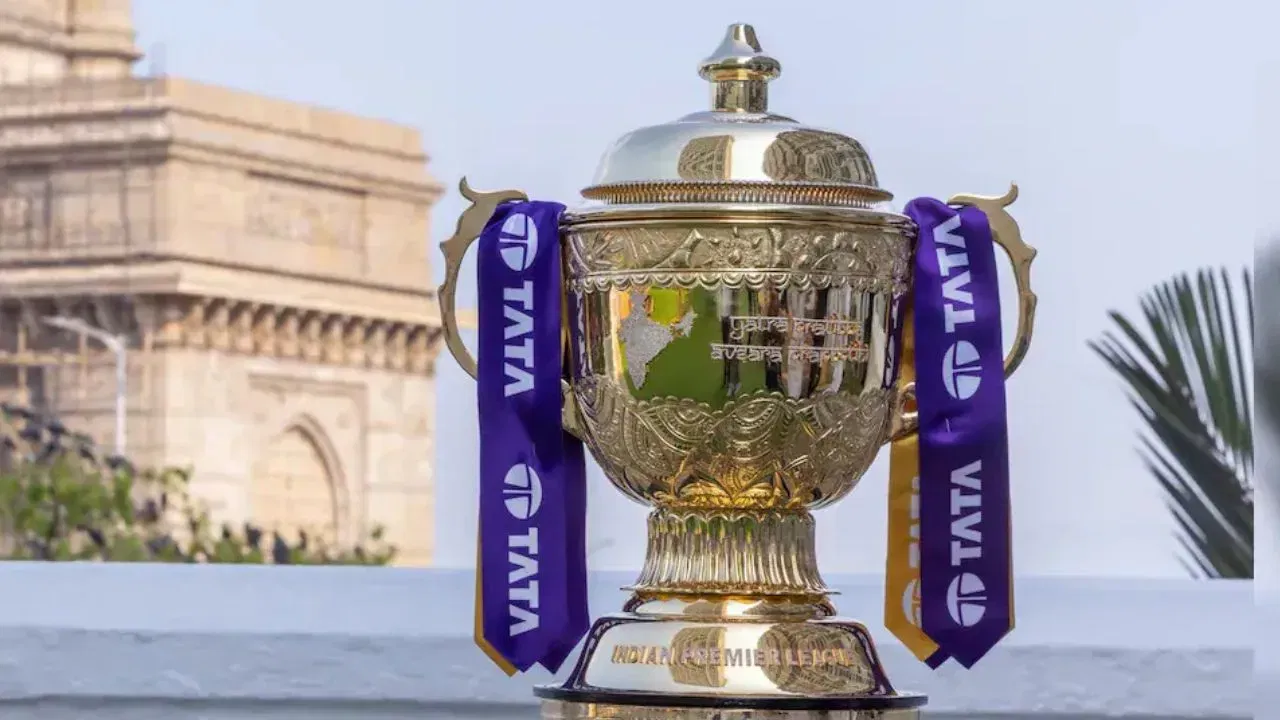
IPL 2026 second-half schedule announcement date revealed by BCCI secretary
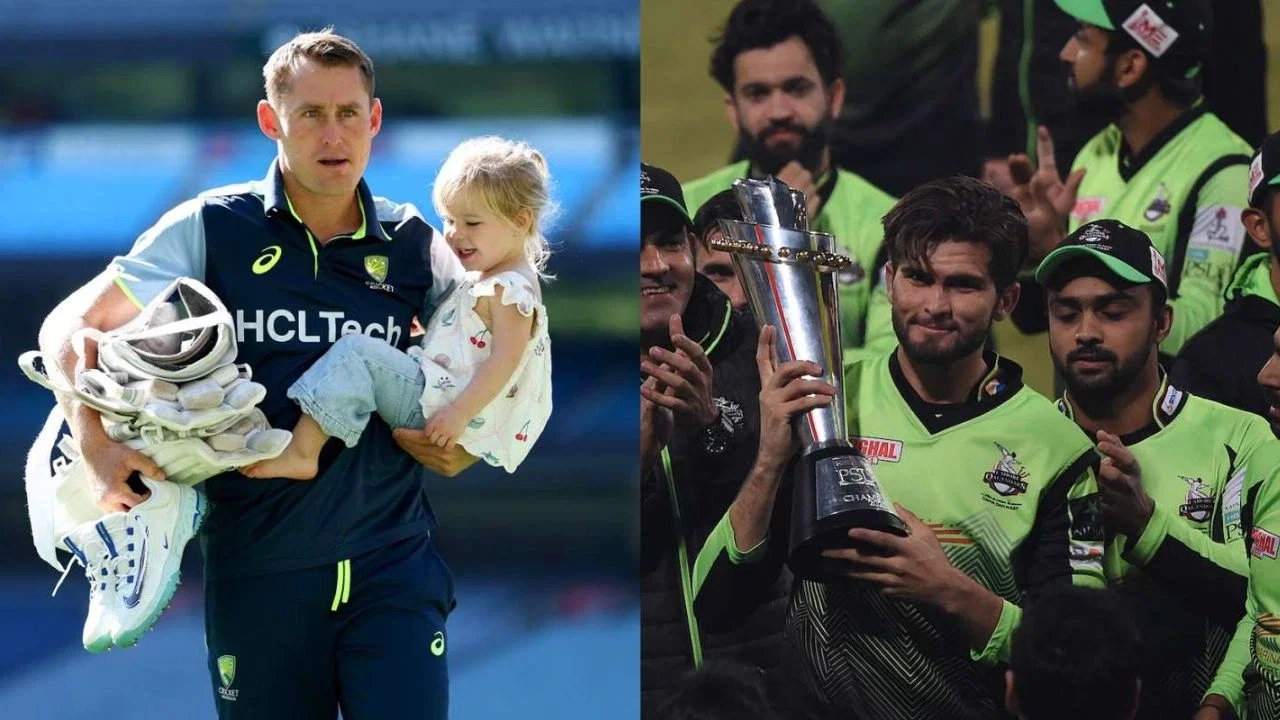
LHQ vs HYDK Match Prediction, Pitch & Weather Report, Playing XIs, Head-to-Head, Free Live Streaming – PSL 2026 Match 1