Bangladesh boss teams up with Mohsin Naqvi to challenge Jay Shah in ICC meeting over India vs Pakistan row
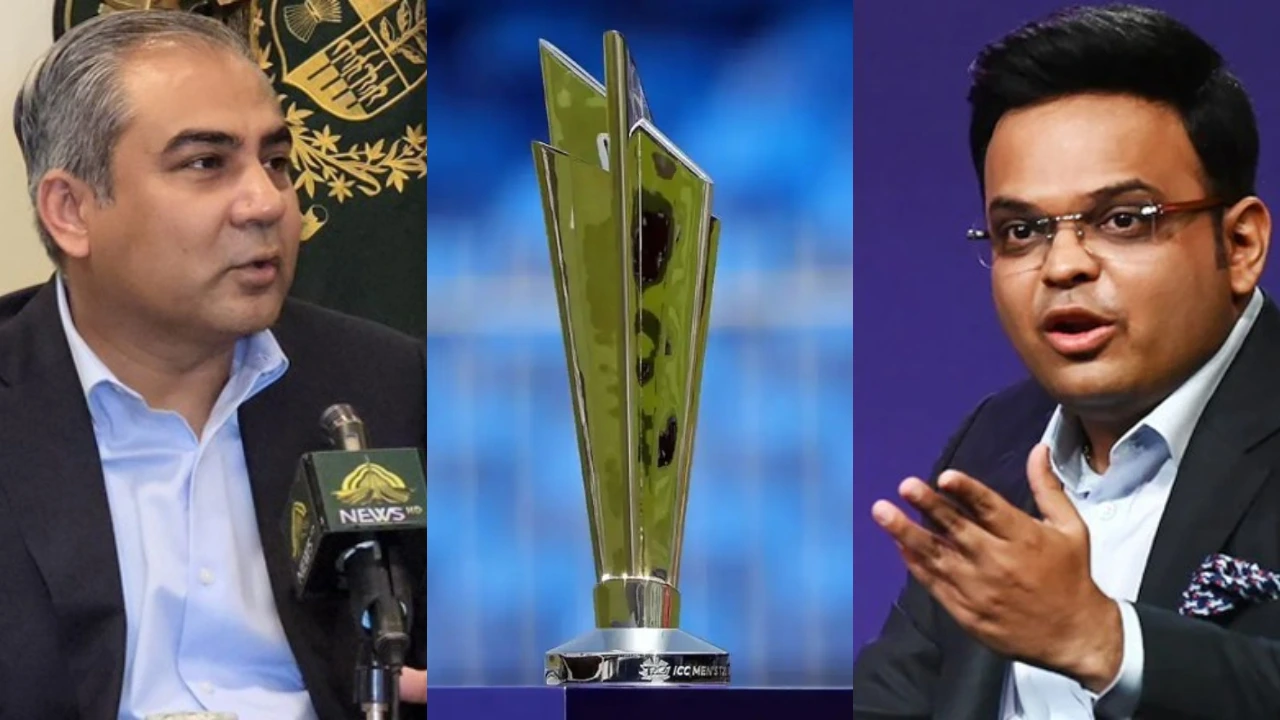
Bangladesh Cricket Board Removed from 2026 T20 World Cup: Emergency ICC Meeting Called
The Bangladesh Cricket Board (BCB) has been making headlines after being removed from the 2026 T20 World Cup due to their refusal to change the venue from India to Sri Lanka, citing security concerns. The International Cricket Council (ICC) took the decision to replace Bangladesh with Scotland in the upcoming tournament.
Emergency ICC Meeting
According to sources from Geo Super, the Chairman of the Bangladesh Cricket Board, Aminul Islam, is currently on his way to Pakistan to attend an emergency ICC meeting scheduled to take place virtually today. This meeting has been called to address the uncertainty surrounding the highly anticipated fixture between India and Pakistan in the ICC Men’s T20 World Cup 2026.
While Pakistan had initially announced their participation in the T20 World Cup, they later declared that they would not play against India in solidarity with Bangladesh’s removal from the tournament. The Pakistan Cricket Board (PCB) has not yet formally notified the ICC of this decision.
Seeking Resolution
The ICC is now tasked with finding a solution to the India vs. Pakistan match dilemma. This fixture has always been a highlight of ICC tournaments, drawing in significant revenue and viewership. The Deputy Chairman of the ICC has been assigned the responsibility of engaging with the PCB to discuss the matter.
Reports suggest that the PCB has certain demands to consider resuming the fixture, including increased funding from the ICC, the revival of bilateral series that have been on hold since 2013, and the restoration of the handshake tradition between players, which was halted after a terrorist attack. Pakistan’s Prime Minister has also stressed the need to keep politics out of sports.
Outcome Uncertain
All eyes are now on the ICC to find a resolution for the India vs. Pakistan match. If the game does not proceed as planned, the PCB could face serious consequences from the international cricket governing body. The situation remains fluid, with stakeholders eagerly awaiting the outcome of the emergency ICC meeting.
As the cricket world watches closely, the fate of the India vs. Pakistan match in the T20 World Cup hangs in the balance, with potential ramifications for both teams and the tournament as a whole.
Challenges Faced by Bangladesh Cricket Board
The decision to remove the Bangladesh Cricket Board from the 2026 T20 World Cup has sparked a wave of controversy and challenges for the BCB. This move not only affects the team’s participation in the tournament but also raises questions about the BCB’s relationship with the ICC and other cricketing nations.
One of the key challenges facing the BCB is the impact on the morale and confidence of the players. Being excluded from such a prestigious event can have psychological effects on the team members, potentially affecting their performance in future matches. The BCB will need to address these concerns and ensure that the players remain focused and motivated despite this setback.
Implications for Scotland
With Scotland stepping in to replace Bangladesh in the T20 World Cup, this presents a unique opportunity for the Scottish team to showcase their talent on a global stage. This unexpected turn of events could be a game-changer for Scotland’s cricketing aspirations, providing them with exposure and experience that could propel them towards greater success in the future.
Scotland will now have to quickly adapt to the challenges of competing in a major ICC tournament and prepare themselves to face some of the best teams in the world. This opportunity could be a turning point for Scottish cricket, opening up new avenues for growth and development within the sport.
Political Intricacies in Cricket
The decision by Pakistan to boycott the match against India highlights the complex intersection of politics and sports in international cricket. This longstanding rivalry between the two nations has often spilled over into the cricketing arena, with matches becoming more than just sporting contests.
The demands put forth by the PCB to resume the fixture underscore the intricate negotiations and power dynamics at play within the world of cricket. Balancing political sensitivities with the spirit of sportsmanship poses a significant challenge for cricketing bodies like the ICC, who must navigate these complexities to ensure fair play and unity within the sport.
Future of India vs. Pakistan Matches
The outcome of the emergency ICC meeting will likely have far-reaching implications for the future of India vs. Pakistan matches in international cricket. This high-stakes rivalry has always been a crowd-puller and a major revenue generator for cricketing bodies, making it a crucial fixture in the cricketing calendar.
Depending on the resolution reached by the ICC, we may see significant changes in how these matches are approached and managed in the future. The stakeholders involved will need to carefully consider the implications of their decisions on the broader cricketing community and the fans who eagerly anticipate these intense contests.
Conclusion
As the cricketing world awaits the outcome of the emergency ICC meeting, the repercussions of the decisions made will reverberate throughout the sport. From the challenges faced by the Bangladesh Cricket Board to the opportunities presented to Scotland, and the political intricacies surrounding India vs. Pakistan matches, this incident has shed light on the complexities inherent in international cricket.
Ultimately, the resolution reached by the ICC will shape the future of these teams and the tournaments they participate in, setting the stage for a new chapter in the ongoing narrative of cricketing rivalries and partnerships.
Latest News
IPL 2026 second-half schedule announcement date revealed by BCCI secretary
LHQ vs HYDK Match Prediction, Pitch & Weather Report, Playing XIs, Head-to-Head, Free Live Streaming – PSL 2026 Match 1
Aditya Birla Group confirms NO NAME CHANGE plans after RCB takeover
Virat Kohli will win Orange Cap: Jitesh Sharma makes bold IPL 2026 predictions
David Warner tears into Shaheen Afridi and Mohammad Rizwan at PSL captains’ press conference
“Joker and Clueless”: Lalit Modi’s fiery attack on Sanjiv Goenka for his Jay Shah remark after RR–RCB mega sale
IPL 2026: BCCI scraps opening ceremony! Virat Kohli’s RCB linked to shocking decision
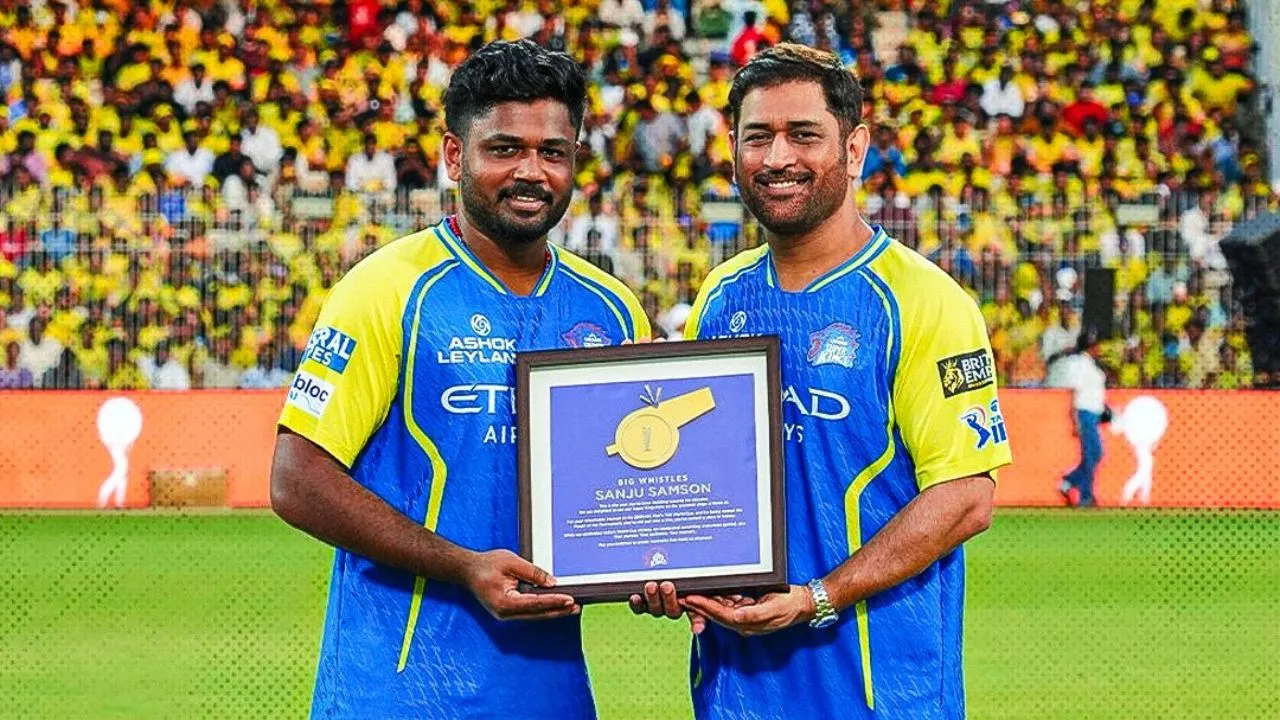
Sanju Samson gets huge role as Ruturaj Gaikwad confirms CSK openers for IPL 2026
Prithvi Shaw declares his mission to return to team India begins from IPL 2026
Irfan Pathan questions Arshdeep Singh’s bowling ahead of IPL 2026
“Mind is somewhere else”: Yuvraj’s Father exposes Abhishek Sharma’s indiscipline lifestyle
EX-RCB pacer joins KKR as replacement of Harshit Rana ahead of IPL 2026

“Win our first trophy”: Sanjiv Goenka crowns LSG as champions ahead of IPL 2026
New catching rule? Captains warned over ‘Incomplete’ catches ahead of IPL 2026