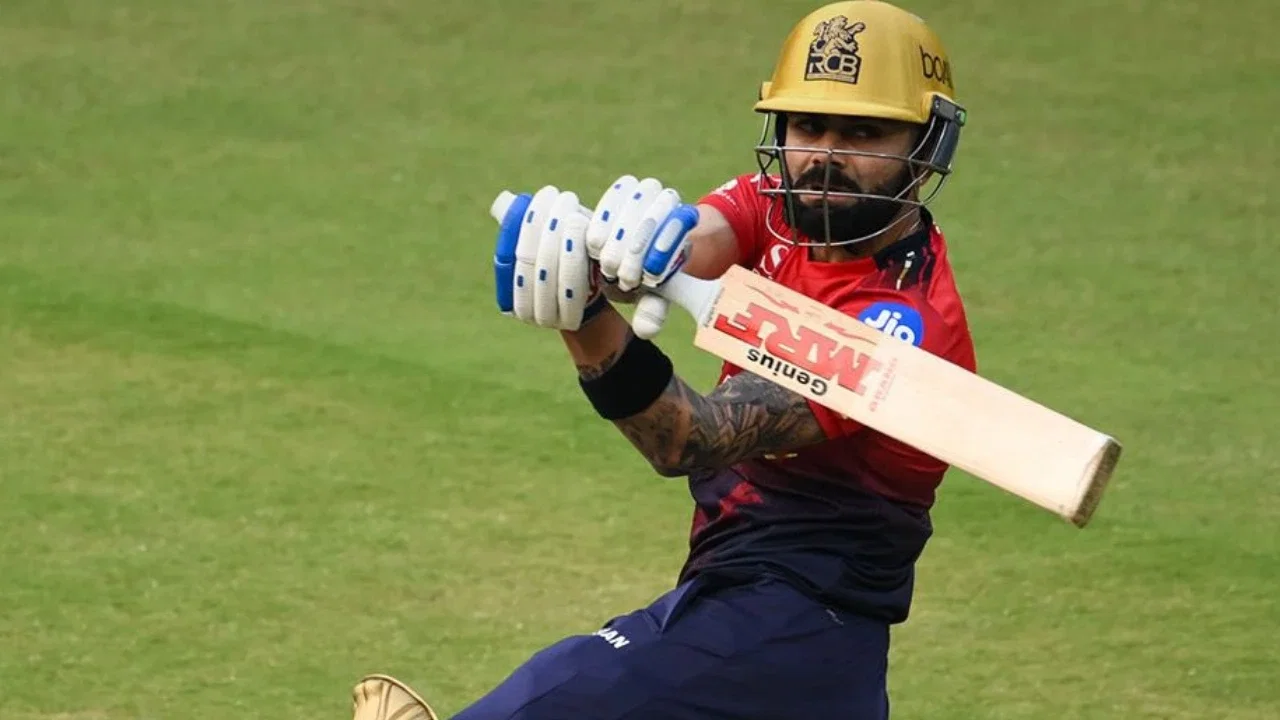
Bangladesh Cricket digs its own grave, risks going ‘Broke’ amid fight with India
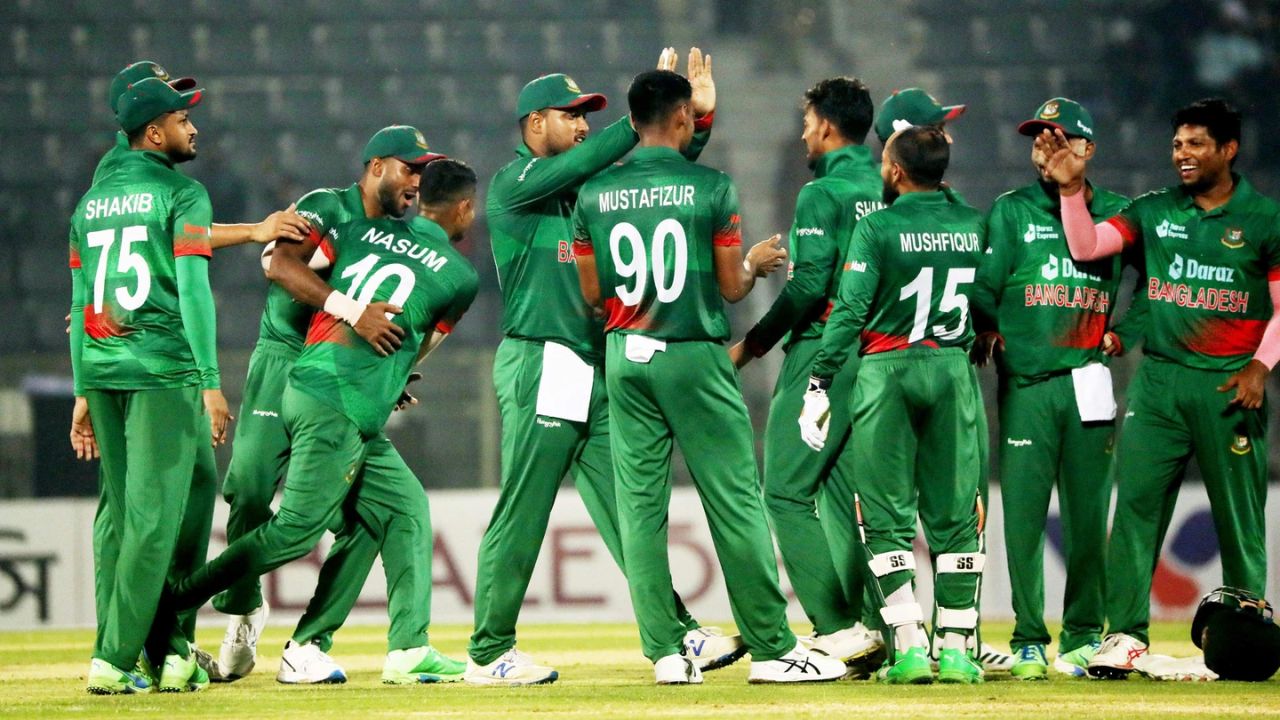
Bangladesh Cricket Faces Sponsorship Crisis as SG Pulls Back Amid India-Bangladesh Diplomatic Clash
The world of Bangladesh cricket is currently facing a major crisis that could have far-reaching consequences. The situation has escalated after India’s renowned sports equipment company SG decided to end its association with several Bangladeshi cricketers, which may lead to a domino effect on other sponsorships.
SG Withdraws Sponsorship Amid Diplomatic Tensions
SG’s decision to pull back from sponsoring Bangladesh cricketers comes in the midst of rising cricketing and diplomatic tensions between India and Bangladesh. The turmoil began when the Board of Control for Cricket in India (BCCI) directed the Kolkata Knight Riders to drop Bangladeshi fast bowler Mustafizur Rahman from their IPL 2026 squad.
This controversial move by the BCCI was reportedly influenced by political pressure following violence against Hindus in Bangladesh. The situation escalated further when the Bangladesh Cricket Board (BCB) refused to grant Mustafizur a no-objection certificate for the IPL 2026. The BCB also sought to move Bangladesh’s matches in the upcoming ICC T20 World Cup 2026 out of India due to security concerns.
SG’s Decision to Impact Top Bangladeshi Players
SG, currently sponsoring some of Bangladesh’s prominent cricketers like Litton Das, Yasir Rabbi, and Mominul Haque, has opted not to renew their sponsorship deals. While the players have not yet received official communication from SG, their agents have hinted at an imminent end to the partnerships.
This move by SG could have significant repercussions on Bangladesh cricket, as it raises concerns that other sports equipment companies might follow suit in pulling back sponsorships. Such a scenario could leave many cricketers struggling to secure sponsorship deals and negatively impact the sport’s growth in Bangladesh.
BCB Seeks ICC Intervention
Following these developments, the BCB held an emergency meeting and formally requested the ICC to relocate Bangladesh’s matches in the ICC T20 World Cup 2026 to Sri Lanka. The ICC is currently reviewing this request, with Bangladesh scheduled to play matches in Group C against West Indies, Italy, England, and Nepal.
The outcome of the ICC’s decision remains uncertain, but the situation underscores the complex interplay between sports, politics, and business in the realm of cricket.
As Bangladesh cricket navigates through these challenging times, the impact of SG’s withdrawal on player sponsorships and the need for diplomatic resolutions to safeguard the sport’s integrity remain crucial aspects to monitor in the coming days.
Impact of Sponsorship Crisis on Bangladesh Cricket
The withdrawal of sponsorship by SG has created a ripple effect within the Bangladesh cricketing community. Apart from the immediate impact on individual players, the broader implications are significant. Sponsorship deals are crucial for players to support themselves financially, especially for those who are not part of the national team or do not have lucrative contracts with the BCB. Without sponsorships, these players may struggle to meet their training and equipment needs, hindering their development and potential to excel in the sport.
Furthermore, the withdrawal of a major sponsor like SG could also affect the overall infrastructure and development of cricket in Bangladesh. Sponsorship money often goes towards grassroots programs, coaching initiatives, and infrastructure improvements in the cricketing ecosystem. If more sponsors follow SG’s lead and withdraw their support, it could hamper the growth of the sport at all levels in the country.
The Intersection of Sports, Politics, and Business
The diplomatic tensions between India and Bangladesh have spilled over into the realm of sports, highlighting the intricate relationship between sports, politics, and business. The decision by BCCI to influence IPL team selections based on political considerations has brought to the forefront the challenges of navigating sensitive issues in the world of cricket. Such incidents underscore the need for clear boundaries between sports and politics to ensure that the integrity and spirit of the game are preserved.
From a business perspective, the withdrawal of sponsorship by SG showcases the vulnerability of sports sponsorships to geopolitical events and diplomatic conflicts. Companies operating in the sports industry must carefully navigate such situations to protect their brand image and interests while also considering the impact on athletes and sporting communities.
Looking Ahead: The Road to Resolution
As Bangladesh cricket grapples with the sponsorship crisis and the broader implications of diplomatic tensions, the path to resolution remains unclear. The BCB’s decision to seek ICC intervention indicates a willingness to find a solution that safeguards the interests of the players and the sport. However, navigating the complex web of relationships between cricket boards, players, sponsors, and political entities will require careful deliberation and diplomacy.
In the coming days, it will be essential to monitor how the ICC responds to Bangladesh’s request for relocating matches in the ICC T20 World Cup 2026. The outcome of this decision could have far-reaching consequences for the future of cricket tournaments and the relationships between cricket-playing nations. Ultimately, finding a balance between sports, politics, and business interests will be key to ensuring the continued growth and success of cricket in Bangladesh and beyond.
In conclusion, the sponsorship crisis facing Bangladesh cricket serves as a stark reminder of the interconnected nature of sports, politics, and business. It highlights the challenges and opportunities inherent in managing such relationships and underscores the importance of finding equitable and sustainable solutions for the benefit of all stakeholders involved.
Latest News
Josh Hazlewood lands in India before IPL 2026
“Franchises run out of patience”: Irfan Pathan issues strict warning to Mayank Yadav
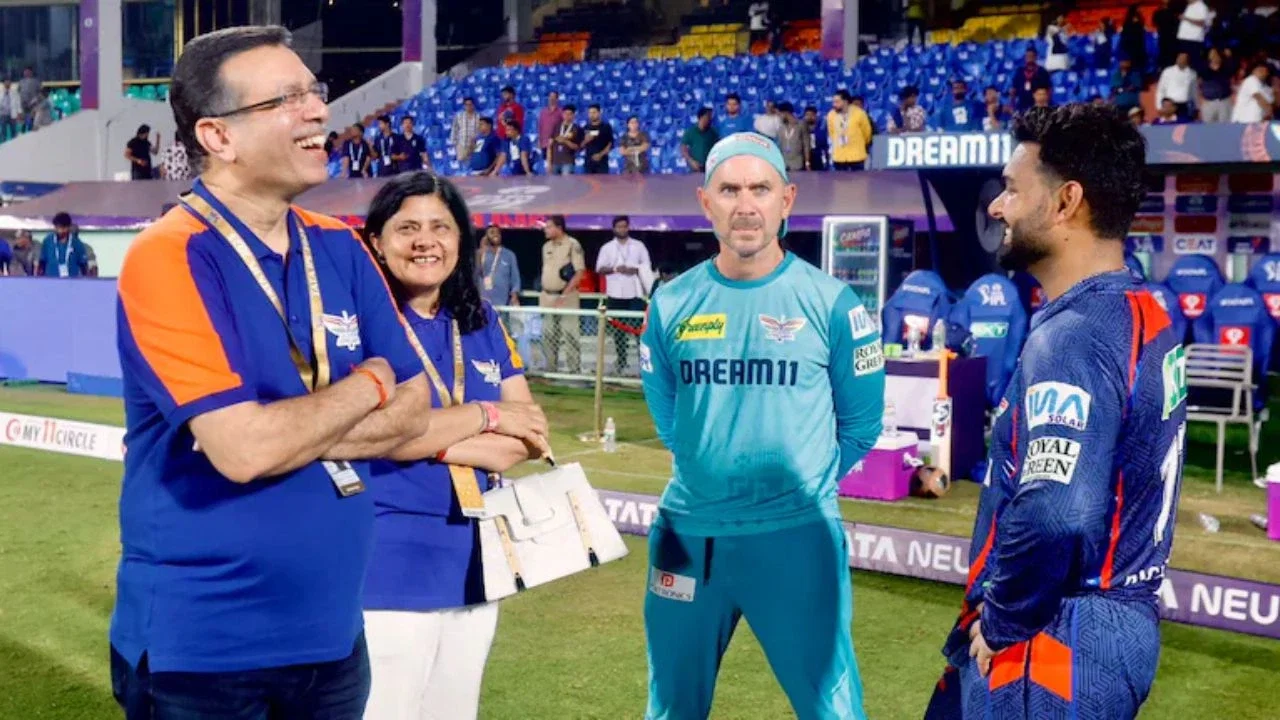
Sanjiv Goenka breaks silence on Rishabh Pant’s rumoured sacking as LSG captain
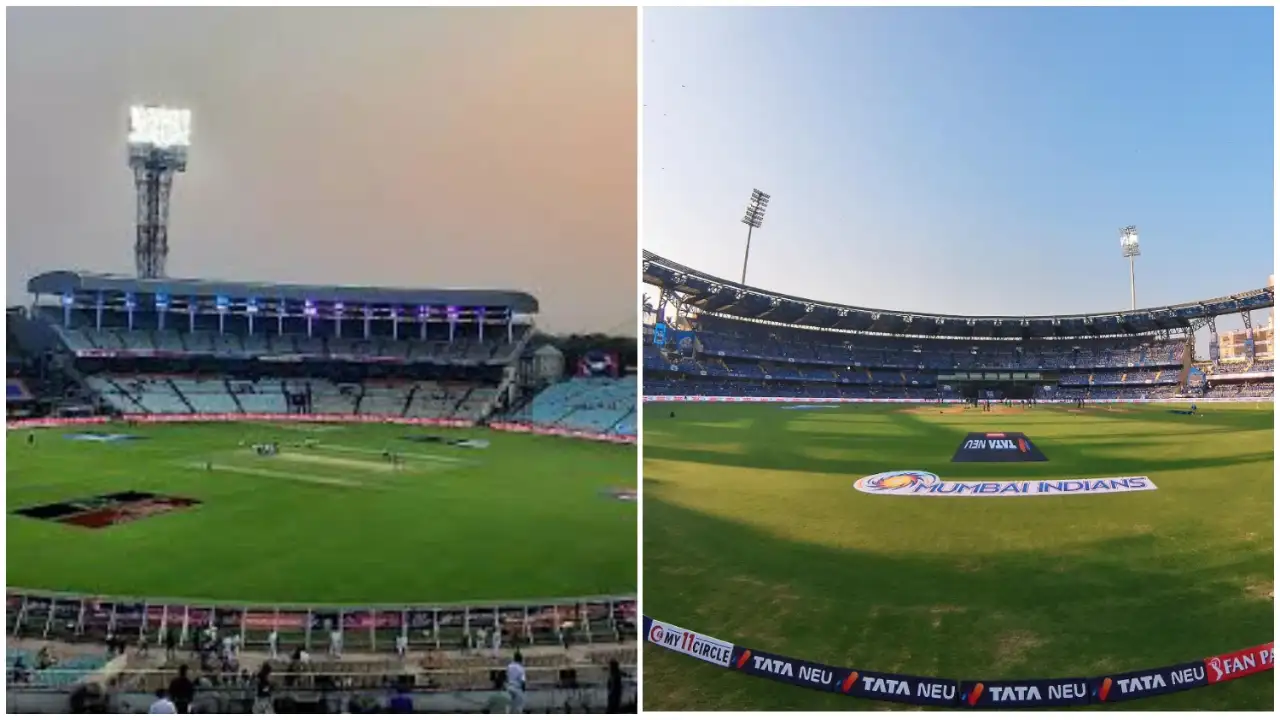
Revealed: Why BCCI didn’t give BGT matches to Wankhede and Eden Gardens?
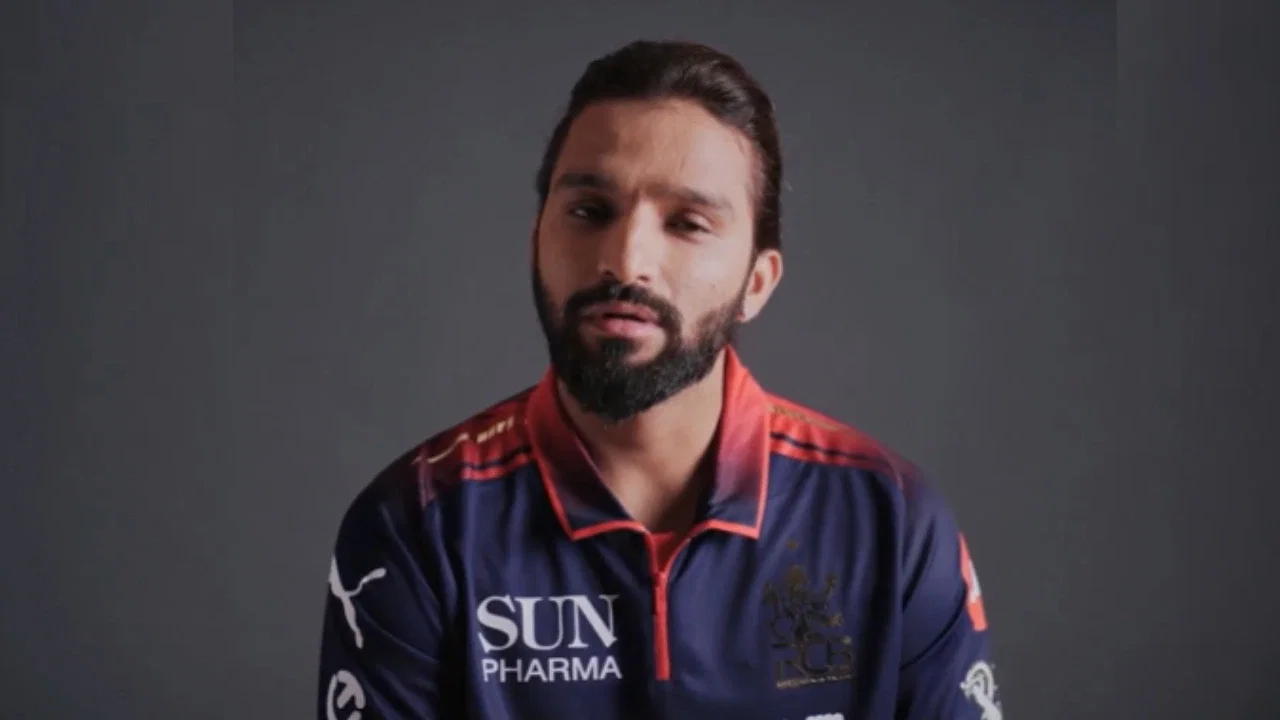
Not Virat Kohli! Rajat Patidar reveals Jitesh Sharma helped him most in RCB captaincy
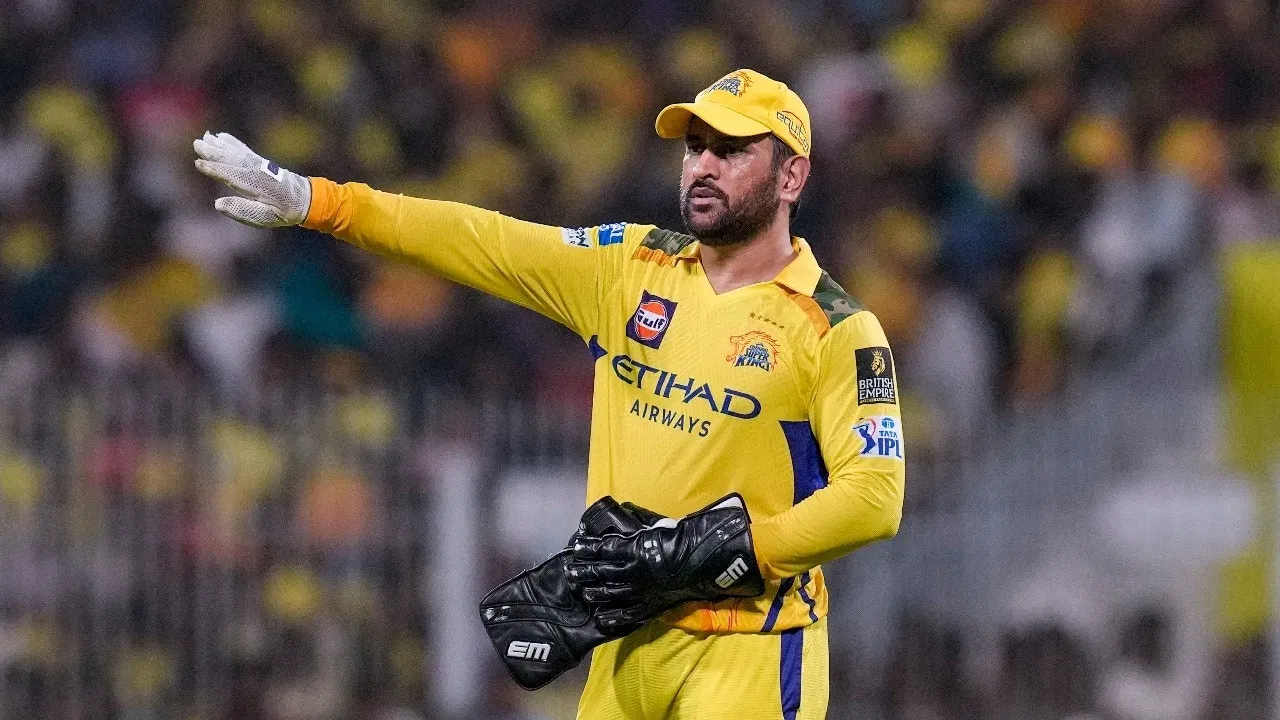
“Does MS Dhoni still have the ability to…” – Ex-CSK star raises serious questions
NOT Virat Kohli! Sourav Ganguly picks greatest ever Indian captain
“Should not play”: CSK legend suggests MS Dhoni to skip IPL 2026
Jitesh Sharma spills secret bond with PBKS owner ahead of IPL 2026
Star CSK spinner signs deal with new team ahead of IPL 2026
Shaheen Afridi lashed out at journalists after asked about Pakistan Team during PSL press-conference
IPL 2026 full schedule out! BCCI announces second phase fixtures
Virat Kohli’s explosive threat during coach’s conspiracy revealed: “Will beat the living hell out of…”
Dinesh Karthik can become head coach of India, England or Australia: Jitesh Sharma makes bold claim