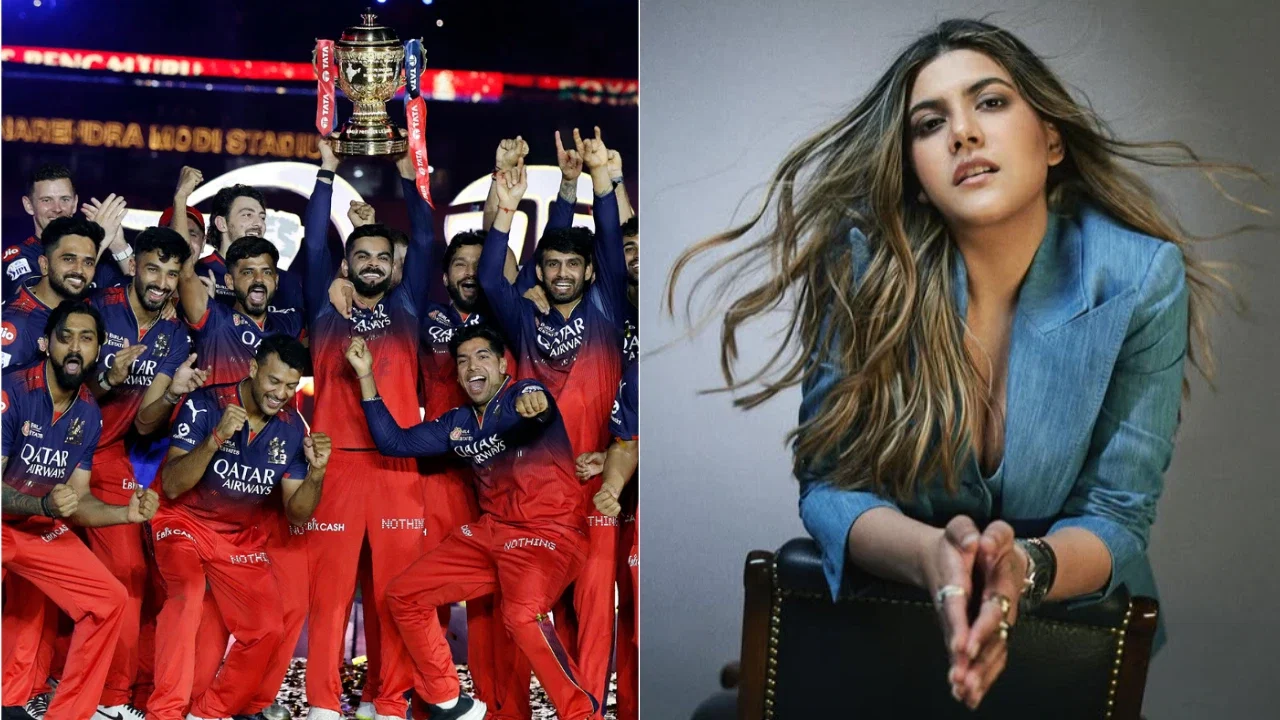
Bangladesh government KILLS cricket in country by defying ICC’s T20 World Cup ultimatum
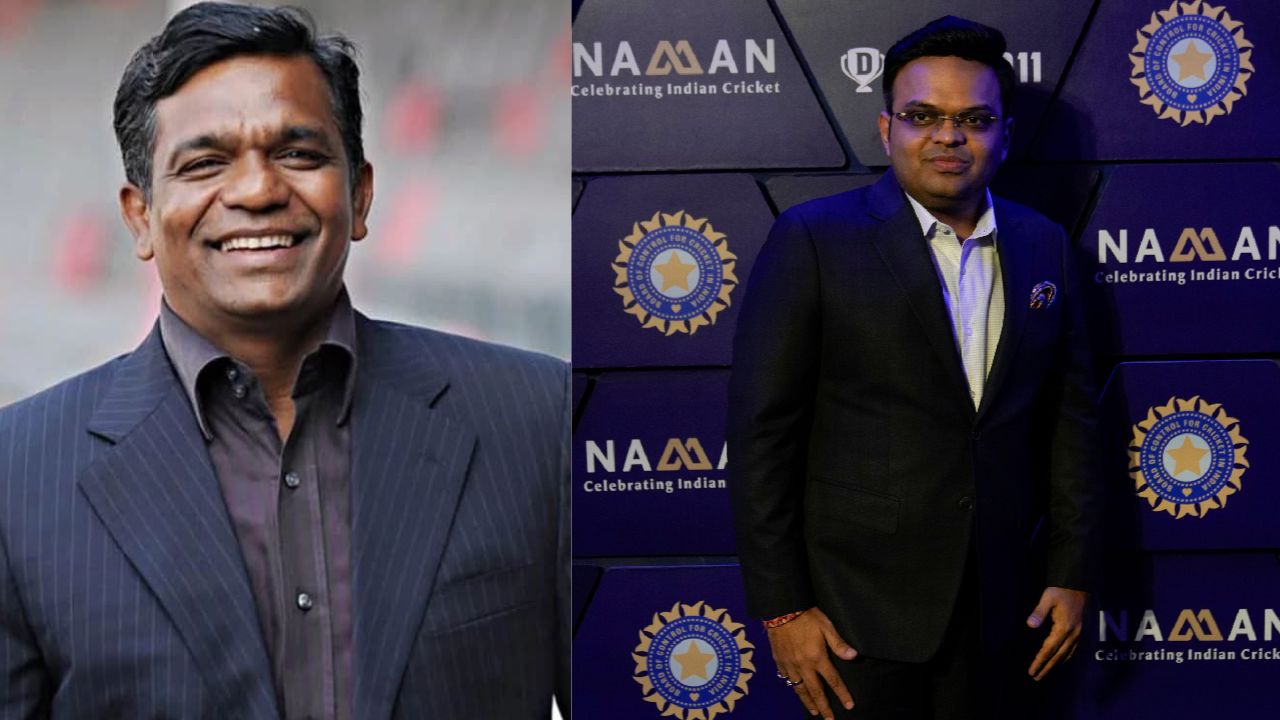
**Bangladesh Sticks to Its Guns in ICC T20 World Cup Dispute**
The long-standing feud between the Bangladesh Cricket Board (BCB) and the Board of Control for Cricket in India (BCCI) has escalated to new heights, with the International Cricket Council (ICC) failing to mediate a resolution. Despite the ICC’s numerous efforts, the BCB remains firm in its decision regarding the upcoming ICC T20 World Cup.
**Bangladesh’s Stance**
The discord began when the BCCI terminated Mustafizur Rahman’s Indian Premier League (IPL) contract with the Kolkata Knight Riders, prompting Bangladesh to challenge the ICC’s scheduling for the T20 World Cup. The BCB insisted that if Bangladesh were to participate, their matches must be relocated from India to alternate venues. They proposed Sri Lanka as a suitable host, citing the country’s co-host status.
**ICC Negotiations**
Despite the BCB’s requests, the ICC faced logistical constraints that prevented the relocation of matches. The BCB then suggested swapping groups with Ireland, whose matches were slated to be held in Sri Lanka. However, the ICC rejected this proposal and issued an ultimatum for the BCB to make a decision by January 21st.
**Bangladesh Government’s Stance**
Asif Nazrul, the Bangladesh government’s sports advisor, emphasized that the BCB stands unwavering in their demand to play T20 World Cup matches exclusively in Sri Lanka. The recent verdict indicates that discussions between the BCB and ICC officials in Dhaka did not yield a compromise.
**Denial of Exclusion**
Contrary to reports of an ultimatum from the ICC threatening Bangladesh’s exclusion from the tournament in favor of Scotland, Nazrul denied receiving any formal communication on the matter. He asserted that Bangladesh cannot be compelled to play in India under undue pressure and unreasonable conditions.
**Firm Stand Against Pressure**
Nazrul reiterated Bangladesh’s refusal to yield to what they perceive as unjust demands from the ICC influenced by the BCCI. He cited instances where India had declined to travel to Pakistan, leading to venue changes by the ICC, highlighting the need for a logical venue change in this case.
**T20 World Cup Fixtures**
Bangladesh finds itself in a challenging group alongside cricket powerhouses England and West Indies, as well as Italy and Nepal. The majority of Bangladesh’s matches are scheduled to take place in Kolkata, with their final group stage fixture set for Mumbai’s Wankhede Stadium. Despite ICC assurances of adequate security measures, Bangladesh remains resolute in their stance.
In conclusion, the standoff between the BCB and ICC continues, with Bangladesh adamant about their stance for the ICC T20 World Cup. The impasse underscores the complexities of international cricket diplomacy and the challenges of balancing sporting interests with political considerations. As the tournament approaches, all eyes will be on whether a resolution can be reached to ensure a smooth and fair competition for all participating teams.
**Legal Implications**
The legal ramifications of the ongoing dispute between the BCB and the ICC are significant, as both parties have contractual obligations to fulfill. With the BCCI’s decision to terminate Mustafizur Rahman’s IPL contract sparking the initial conflict, questions of contractual interference and breach of agreements have come to the forefront. The BCB’s insistence on relocating T20 World Cup matches raises concerns about the enforceability of existing contracts and the potential for disputes to escalate further.
**Public Opinion**
Public opinion in Bangladesh is divided on the issue, with some supporting the BCB’s firm stance against perceived injustices, while others express concerns about the potential consequences of boycotting the tournament. The decision to prioritize principles over participation has garnered both praise and criticism, reflecting the complex dynamics at play in the world of international cricket.
**Regional Dynamics**
The dispute also sheds light on broader regional dynamics within the cricketing world, particularly the influence of powerhouse nations like India on tournament logistics and decision-making. Bangladesh’s push for a venue change underscores the challenges faced by smaller cricketing nations in asserting their interests and standing up to more established players in the global cricket landscape.
**Future Implications**
The outcome of the ICC T20 World Cup dispute will have far-reaching implications for the future of international cricket and the relationships between cricket boards worldwide. The stand taken by the BCB sets a precedent for other smaller cricketing nations to assert their rights and demand fair treatment in global cricketing events. The resolution (or lack thereof) of this conflict will shape the dynamics of future tournaments and negotiations within the cricketing community.
**Media Attention**
The escalating tensions between the BCB, ICC, and BCCI have attracted significant media attention, both locally and internationally. The coverage of the dispute has highlighted the complexities of cricket diplomacy and the challenges faced by governing bodies in balancing the interests of various stakeholders. The spotlight on this issue underscores the global significance of cricket as a sport and its ability to spark debates and discussions beyond the boundaries of the field.
In conclusion, the Bangladesh ICC T20 World Cup dispute is a multifaceted issue that goes beyond mere scheduling conflicts. It touches upon questions of power dynamics, legal obligations, public opinion, and regional relationships within the cricketing world. As the standoff continues, the implications for the future of international cricket remain uncertain, with potential ripple effects that could reshape the landscape of the sport for years to come.
Latest News
Virat Kohli’s explosive threat during coach’s conspiracy revealed: “Will beat the living hell out of…”
Dinesh Karthik can become head coach of India, England or Australia: Jitesh Sharma makes bold claim
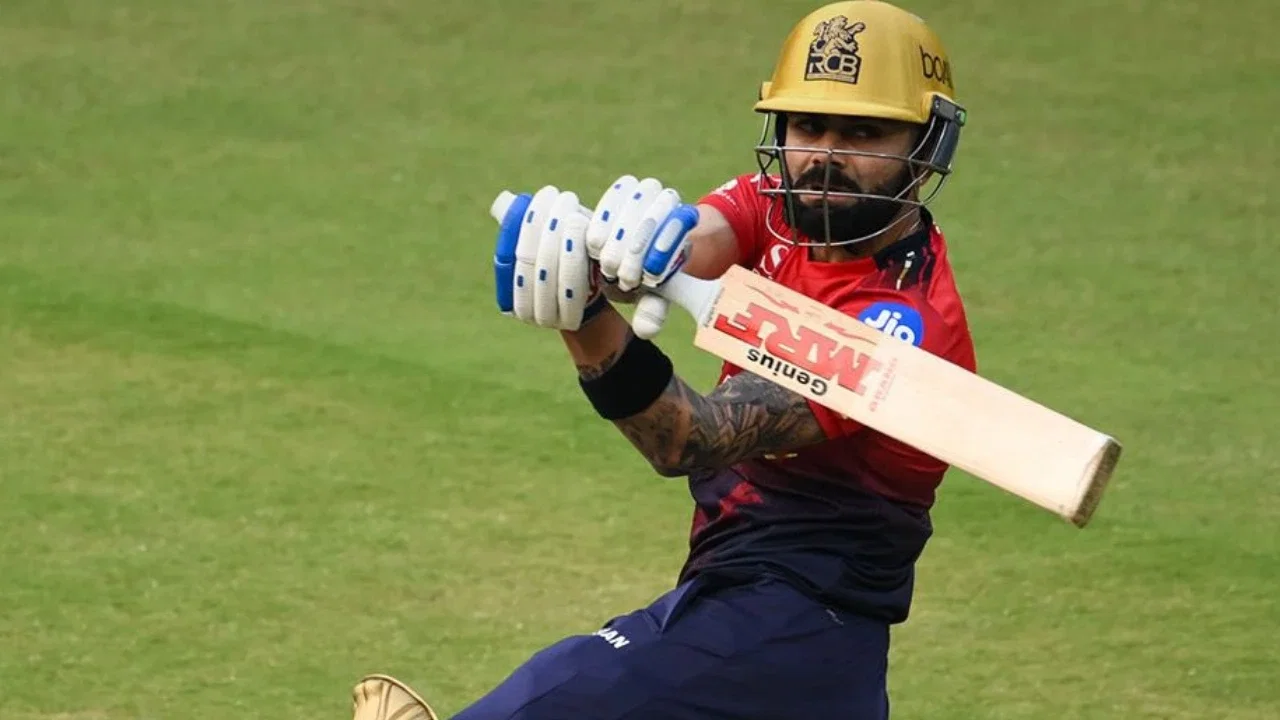
Virat Kohli turns Abhishek Sharma with explosive batting for RCB ahead of IPL 2026
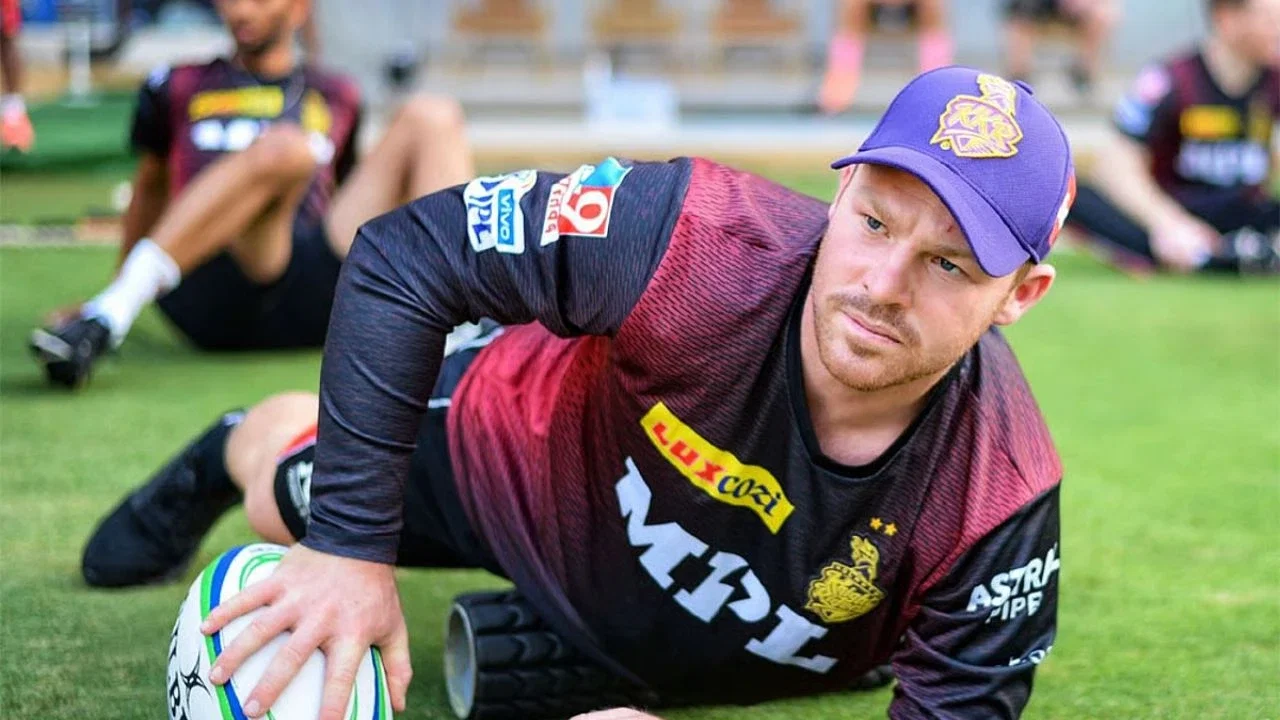
Not Tim Seifert! KKR eye 21-year-old Indian as wicketkeeper for IPL 2026
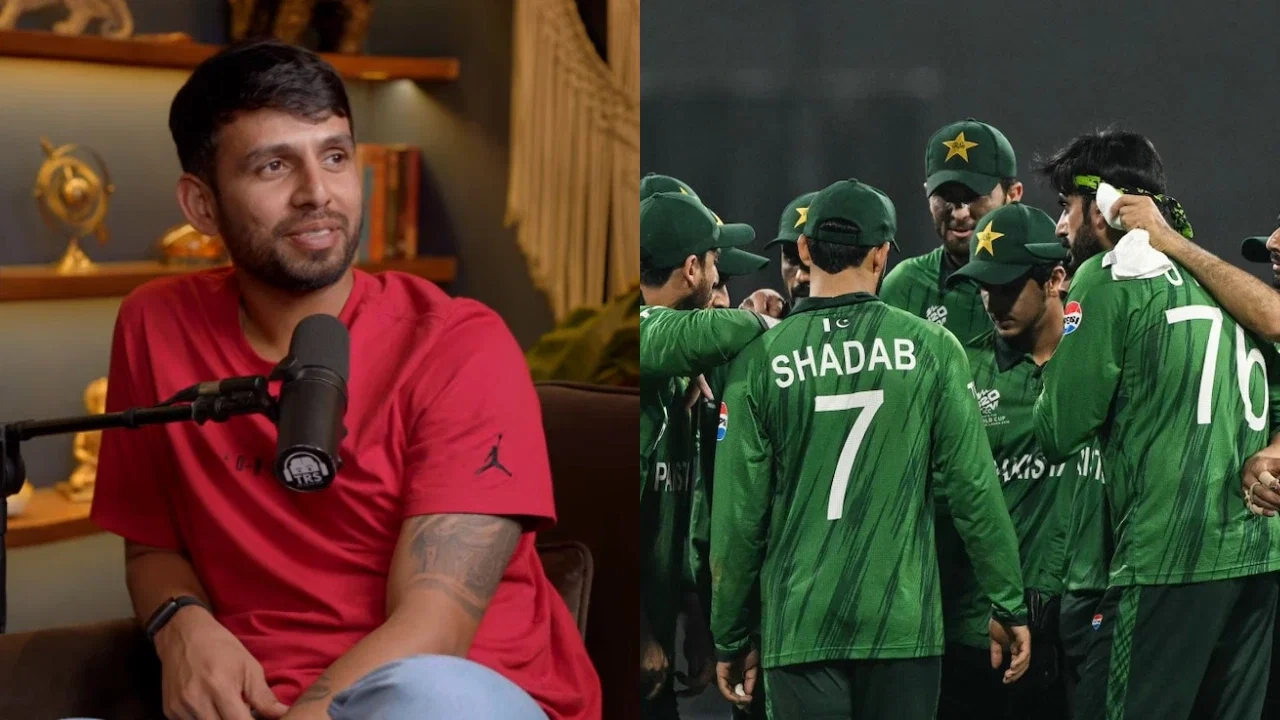
“Itna dete nahi importance inko”: Jitesh Sharma trolls Pakistan, reveals unheard story
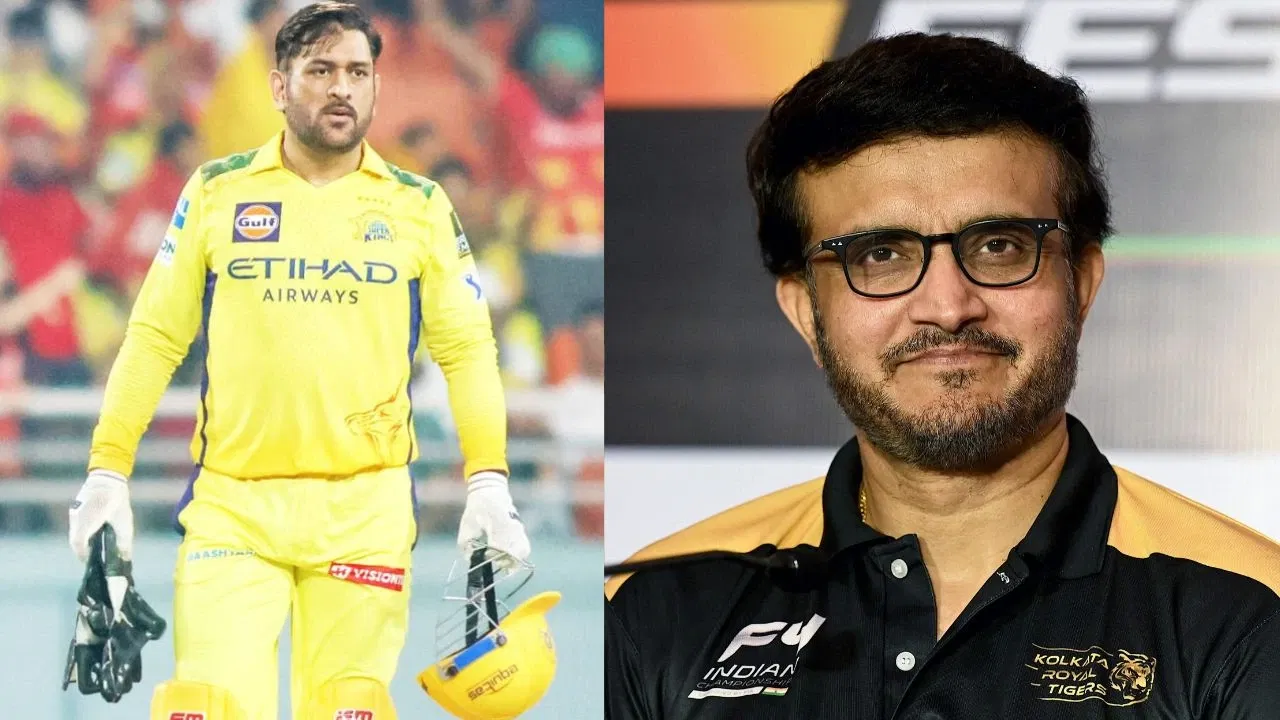
‘I liked young MS Dhoni more than the mature one’: Sourav Ganguly drops huge statement
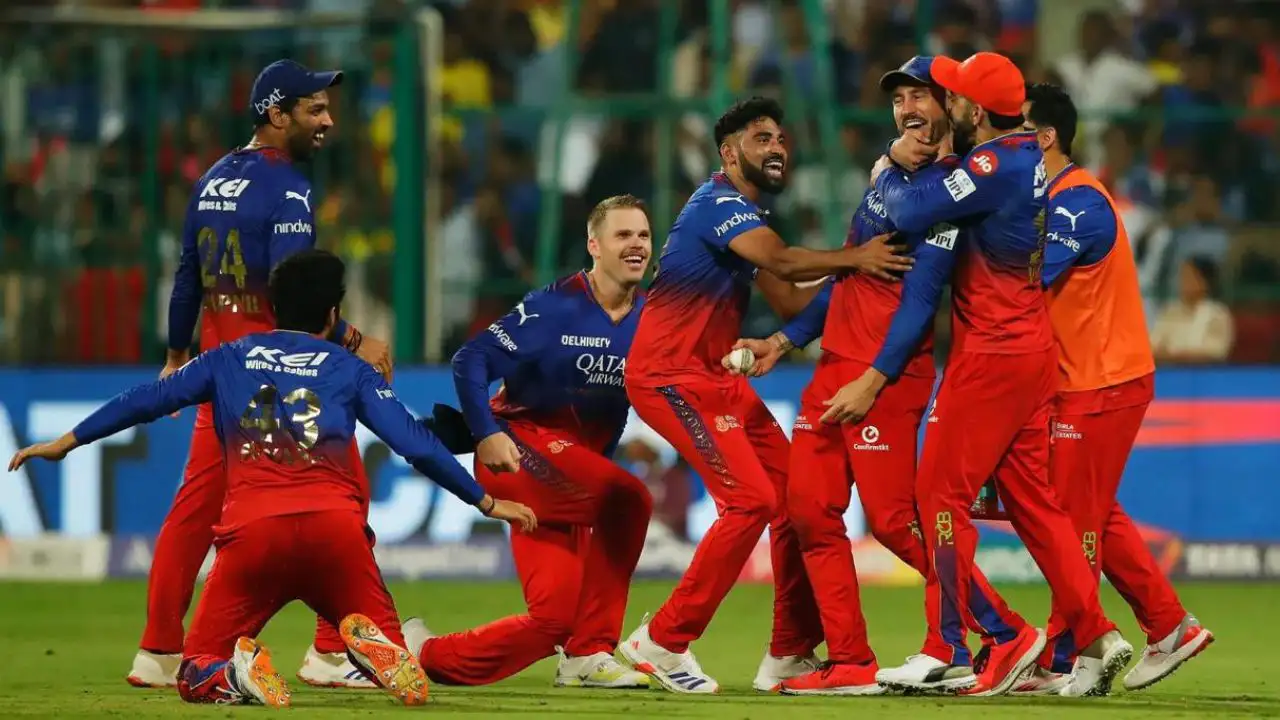
RCB suffer huge blow! SLC blocks Nuwan Thushara’s IPL 2026 participation
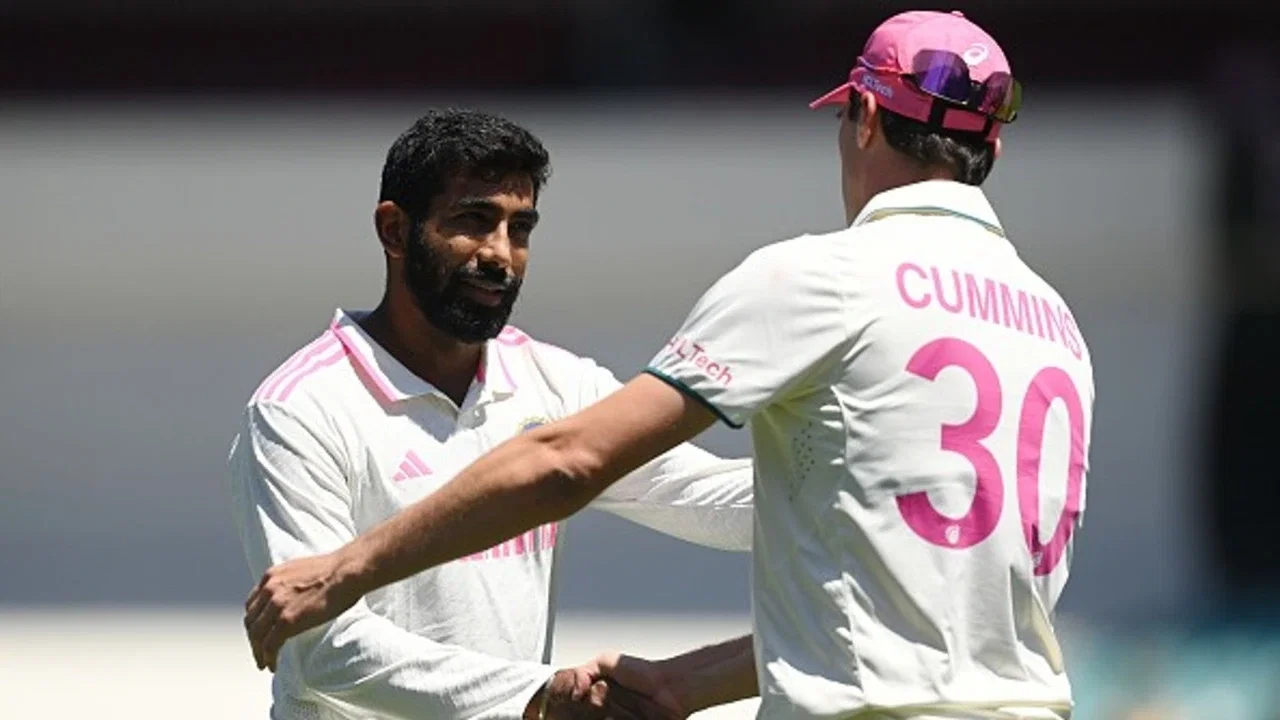
Border-Gavaskar Trophy 2027 schedule announced; Ahmedabad among five venues selected
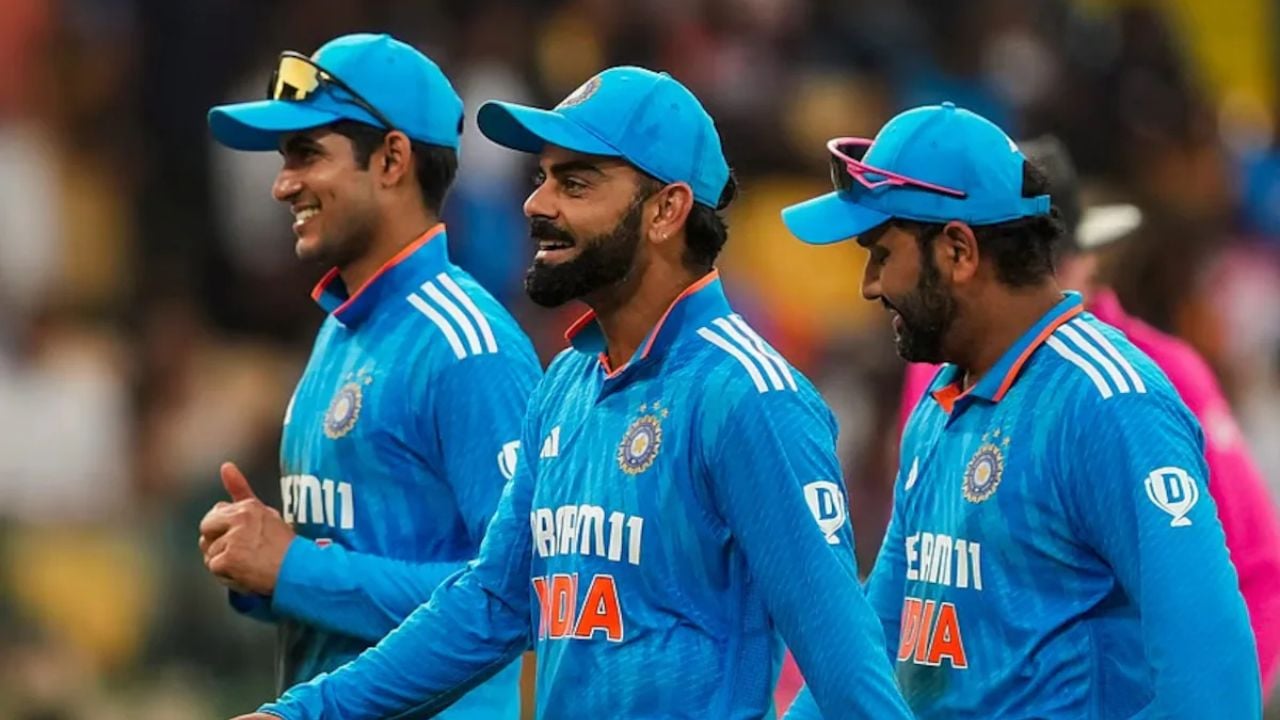
BCCI announces India’s 2026-27 international home season schedule; series vs AUS, WI, SL, ZIM finalized
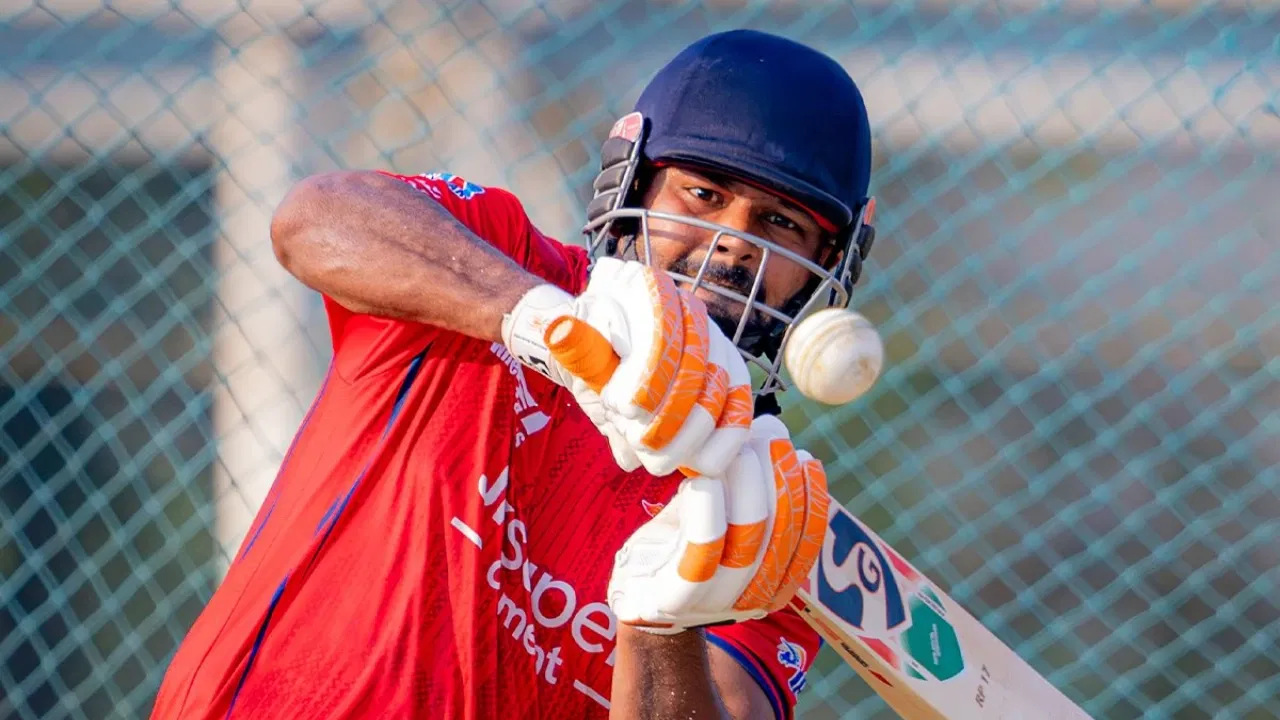
Irfan Pathan reveals Yuvraj Singh’s secret method to train Rishabh Pant ahead of IPL 2026
Virat Kohli, Rohit Sharma ODI schedule: Full list of matches they will play in India’s 2026-27 home season
Days before RCB vs SRH IPL 2026 match, M. Chinnaswamy Stadium looks like a ‘construction side’
IPL 2026 second-half schedule announcement date revealed by BCCI secretary
LHQ vs HYDK Match Prediction, Pitch & Weather Report, Playing XIs, Head-to-Head, Free Live Streaming – PSL 2026 Match 1