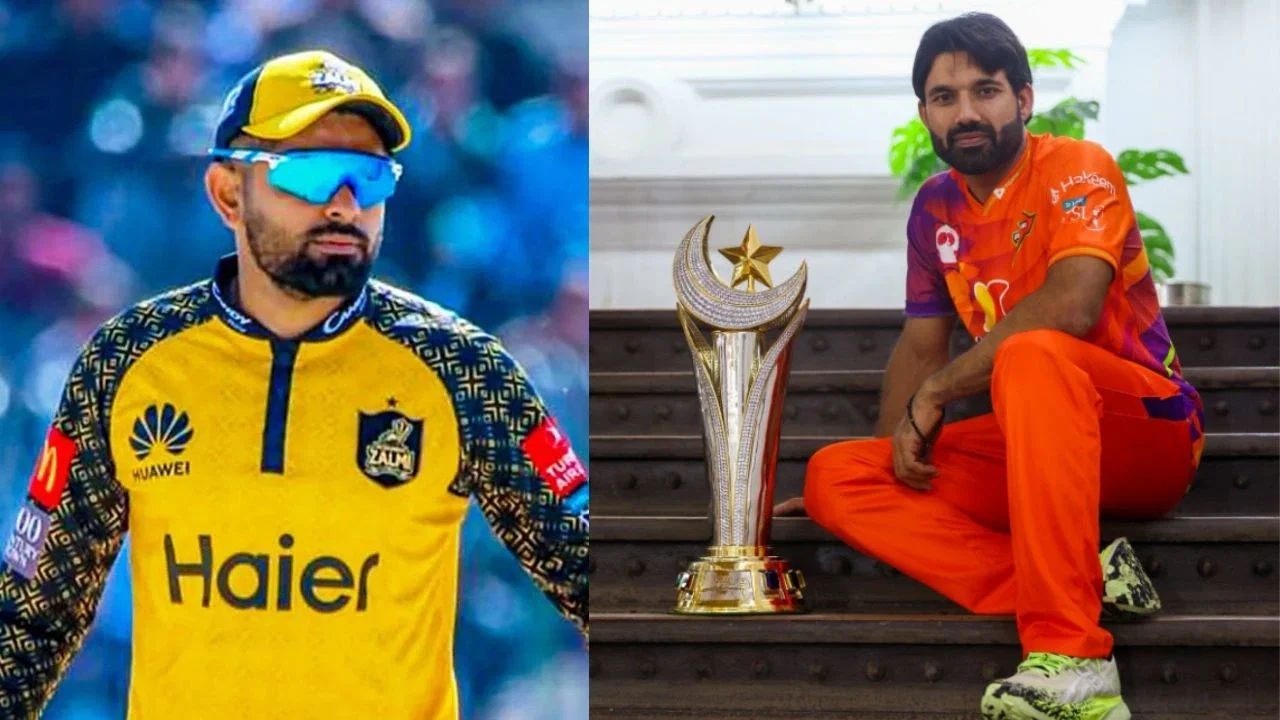
Bangladesh ordered to use ‘Captain Litton Das is Hindu’ narrative to end T20 World Cup controversy with India, ICC
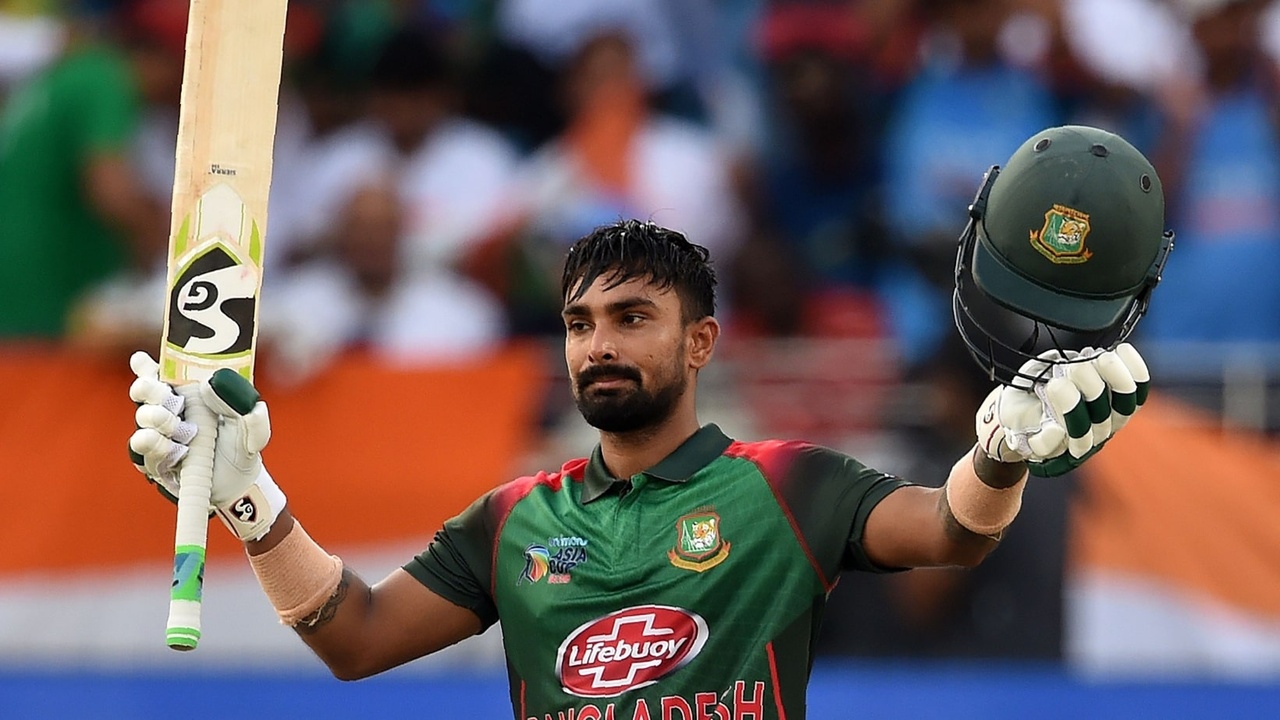
Former India Cricketer Atul Wassan Speaks Out on Bangladesh Cricket Board’s Decision to Pull Out of T20 World Cup 2026 in India
Former India cricketer Atul Wassan recently shared his thoughts on the Bangladesh Cricket Board’s (BCB) decision to withdraw from the T20 World Cup 2026, which is set to take place in India. Wassan believes that the BCB should focus on using Litton Das’ captaincy as a way to ease tensions between the two countries and the International Cricket Council (ICC).
ICC Confirms T20 World Cup Will Proceed in India
After a recent ICC Board meeting held via video conference, it was confirmed that the T20 World Cup will go ahead as scheduled in India. Despite the BCB’s request to move their fixtures to Sri Lanka, the ICC has decided that Bangladesh will play their matches in India. Wassan believes that pushing for last-minute venue changes could create logistical challenges for the ICC.
Speaking to ANI, Wassan stated, “It is a logistical nightmare for the ICC. The preparations for the T20 WC have been ongoing for so long, and it is not feasible to make changes at this stage. I don’t believe there will be any security concerns in India, as we have robust safety measures in place. Bangladesh should view the tournament as an opportunity to foster goodwill.”
BCB’s Concerns Misaligned with ICC, Says Wassan
Wassan expressed his opinion that the BCB’s concerns do not align with the ICC’s plans. He emphasized that teams cannot expect sudden venue changes to be accommodated and must adhere to the existing schedule. Wassan suggested that the ICC may have given the BCB an ultimatum to either conform to the original plan or risk missing out on the T20 World Cup 2026.
“It is unrealistic for the ICC to cater to the whims of any team. It is not appropriate to demand venue changes at the last minute. The BCB must understand that things cannot operate in this manner,” Wassan stated.
Bangladesh’s T20 World Cup 2026 Group-Stage Schedule
Bangladesh’s T20 World Cup 2026 group-stage matches are all set to be played in India. The team will kick off their campaign on February 7 against West Indies at Eden Gardens in Kolkata, followed by matches against Italy and England at the same venue. Bangladesh’s final group match will be against Nepal in Mumbai at the Wankhede Stadium.
Despite the BCB’s suggestion to swap groups with Ireland, the ICC rejected the proposal, and Bangladesh is expected to confirm their participation in the tournament. If Bangladesh decides to withdraw, Scotland is likely to take their place in the T20 World Cup 2026.
Stay tuned for updates on the evolving situation as teams prepare for the highly anticipated T20 World Cup 2026 in India.
Analysis of Bangladesh’s Decision
While Wassan believes that the BCB should prioritize participating in the T20 World Cup to strengthen cricketing ties, it is essential to understand the perspective of the Bangladesh Cricket Board. The BCB’s decision to request a venue change may stem from genuine concerns about safety and security in India. Recent events, such as political tensions between India and Bangladesh or previous security incidents during sporting events, could have influenced the board’s decision.
It is crucial to consider the complexities involved in hosting a major tournament like the T20 World Cup. The ICC and host countries must ensure the safety and well-being of players, officials, and spectators. Any perceived threats or risks must be taken seriously, and the concerns of all participating teams should be addressed to maintain the integrity of the competition.
Impact of Venue Changes on Tournament Dynamics
As Wassan highlighted, last-minute venue changes can pose logistical challenges for the organizers and participating teams. The infrastructure, accommodations, travel arrangements, and overall planning for an event of this scale require meticulous coordination and preparation. Moving matches to a different country at short notice could disrupt the entire tournament schedule and create confusion among stakeholders.
Additionally, the decision to relocate matches could impact the competitive balance of the tournament. Teams may have to adjust to unfamiliar conditions, pitches, and environments, potentially affecting their performance. The home advantage enjoyed by the host nation may also be diminished if matches are moved to a neutral venue, altering the dynamics of the competition.
Future Considerations for Cricket Diplomacy
Cricket has often been used as a tool for diplomacy and sportsmanship between nations. The BCB and the ICC must find common ground to address any concerns and ensure the smooth conduct of the T20 World Cup. By engaging in open dialogue, respecting each other’s perspectives, and prioritizing the spirit of the game, cricketing bodies can uphold the values of fair play and unity.
Moving forward, it is essential for cricket boards and governing bodies to establish clear communication channels and protocols to address potential conflicts or issues that may arise during international tournaments. Collaborative efforts to promote inclusivity, diversity, and mutual respect can enhance the global appeal of cricket and foster positive relationships among nations.
In Conclusion
As the countdown to the T20 World Cup 2026 continues, the cricketing world eagerly anticipates an exciting and competitive tournament in India. While challenges and disagreements may arise, it is essential for all stakeholders to work together towards a shared goal of showcasing the best of cricket on the world stage. By embracing the spirit of sportsmanship, unity, and collaboration, the T20 World Cup has the potential to inspire fans, unite nations, and celebrate the beauty of the game.
Latest News
Naseem Shah charged with central contract violation during PSL 2026
MS Dhoni out of IPL 2026, has not recovered from calf strain
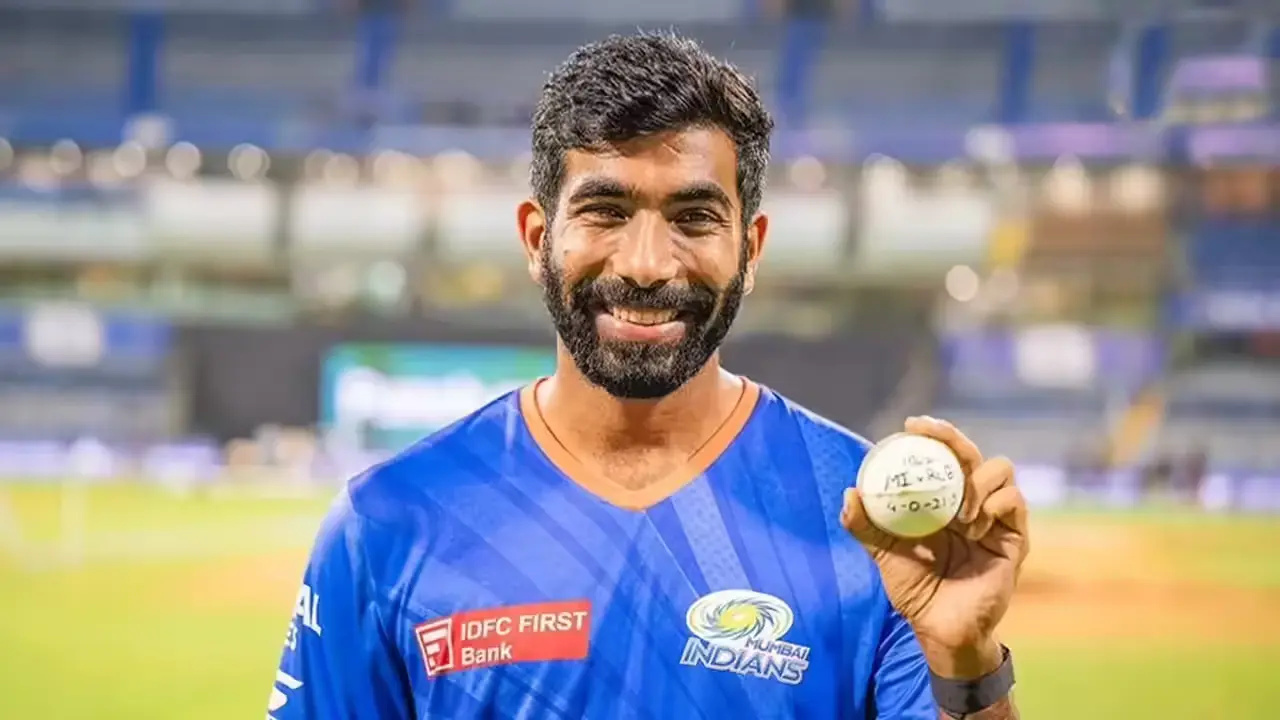
Jasprit Bumrah set to lead MI attack in blockbuster IPL 2026 clash vs KKR
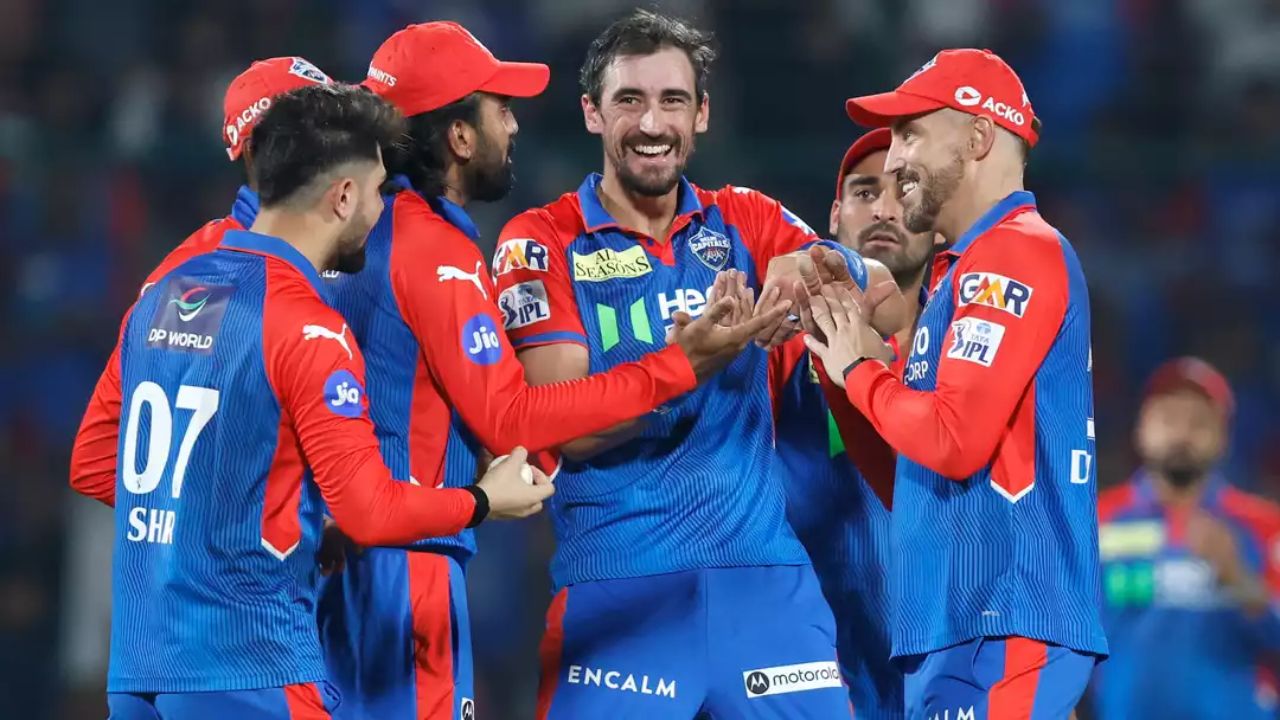
Mitchell Starc to miss IPL 2026, wife Alyssa Healy drops massive update on injury

Nick Knight rejects PSL to join IPL commentary panel
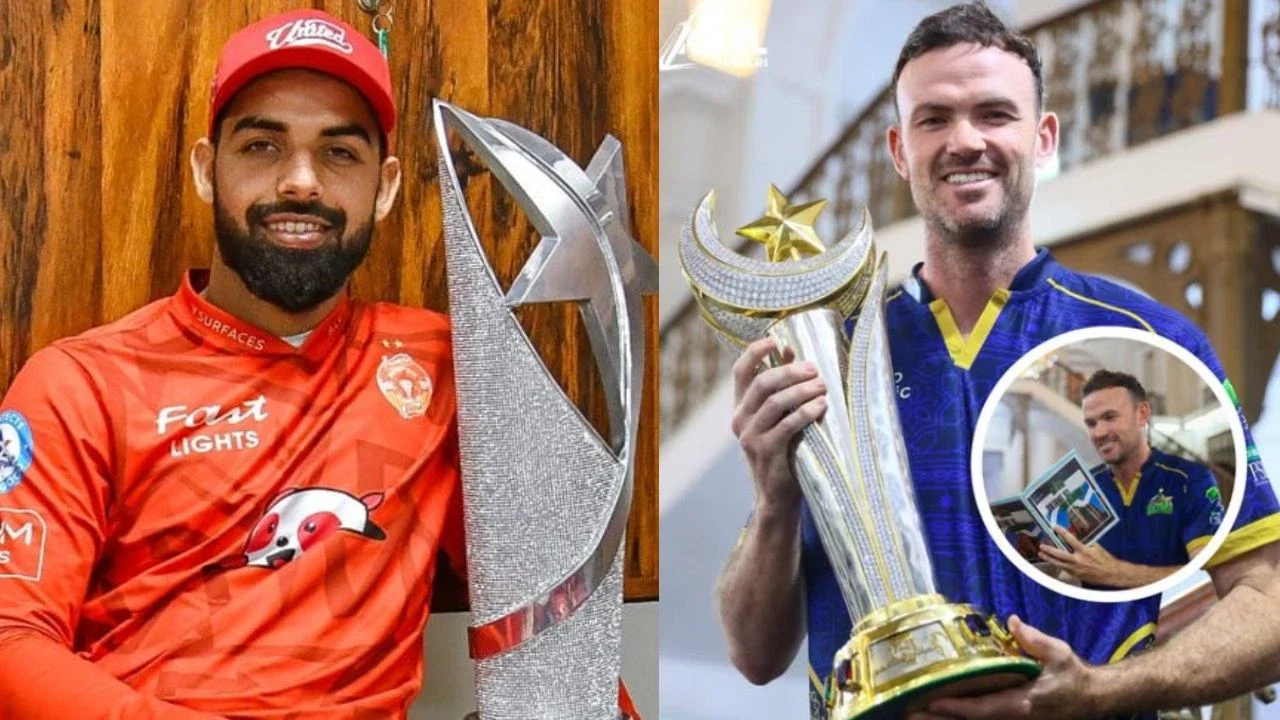
MS vs ISU Match Prediction, Pitch & Weather Report, Playing XIs, Head-to-Head, Free Live Streaming – PSL 2026 Match 4
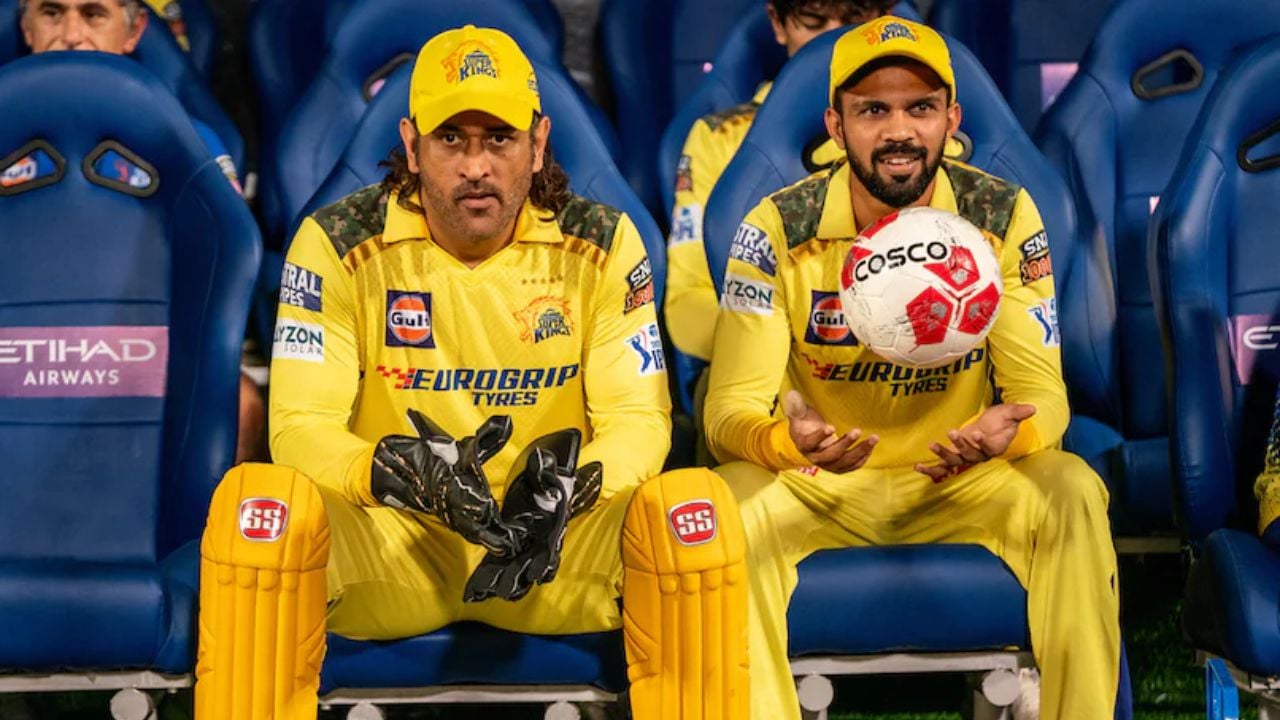
“MS Dhoni doesn’t attend team discussions” – Ruturaj Gaikwad makes stunning revelationtaincy Role

Ben Duckett breaks silence on Noosa Clip scandal, calls it ‘Worst’ moment in cricketing career
“IPL players are grossly underpaid”: Ex-CSK star calls out BCCI
Ahmed Shehzad summoned as former Pakistan skipper takes legal action over serious allegations
CSK to feature without their legendary duo MS Dhoni and Suresh Raina for the first time
Ishan Kishan set to create history as SRH captain in IPL 2026 opener against RCB
RCB Playing XI vs SRH Playing XI – Match No. 1 | IPL 2026
Delhi Capitals IPL 2026 Full Schedule: DC Fixtures, Dates, Timings and Venues | Squad and Coaches