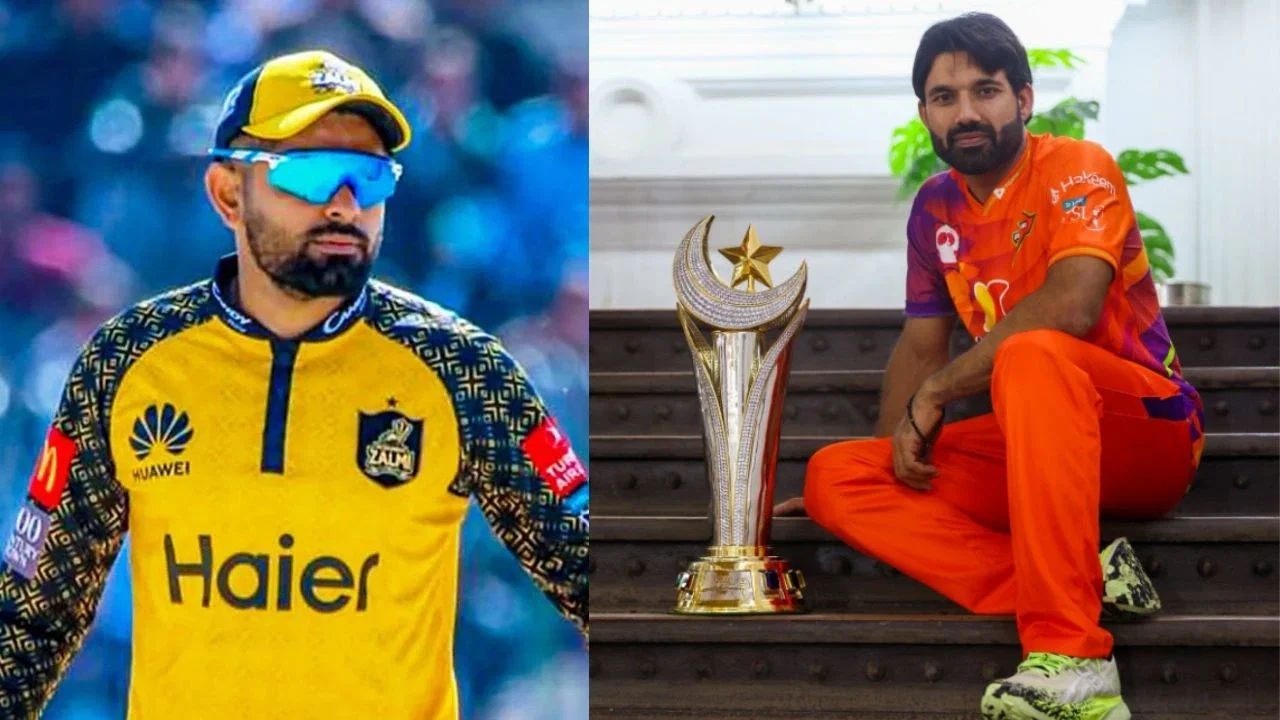
Bangladesh players angry as government betrays them, shifts T20 World Cup exclusion blame
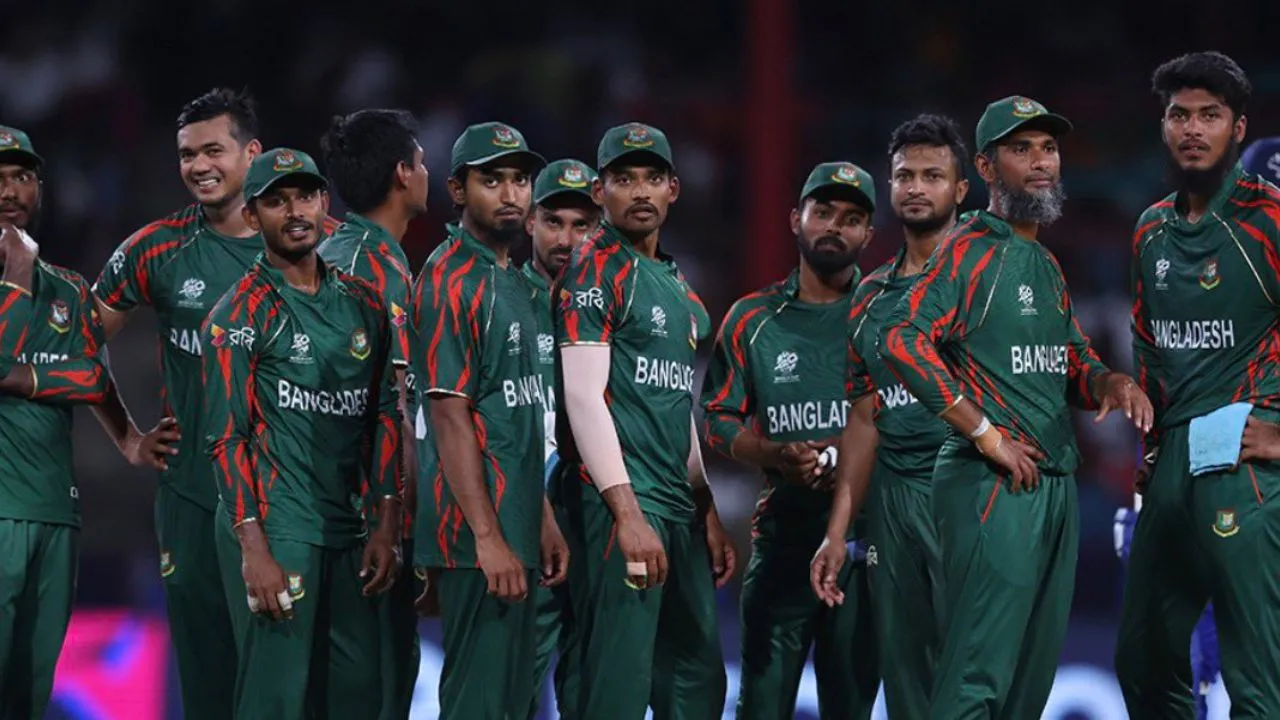
Government Blames Bangladesh Players for T20 World Cup Boycott
Recently, Bangladesh players have found themselves at the center of a controversy sparked by comments made by the government’s Sports Advisor, Asif Nazrul. The issue began when the BCCI snubbed Mustafizur Rahman from an IPL contract with the Kolkata Knight Riders, leading to a campaign against the BCCI by the BCB and the Bangladesh government.
The BCB sought an explanation from the BCCI for their actions, but the BCCI did not respond, stating that the IPL is a domestic league and not accountable to other boards. In response, the BCB asked the ICC to move matches out of India due to security concerns. However, the ICC rejected the request, citing logistical challenges if the tournament schedule was changed.
Subsequently, the Bangladesh government made the decision to boycott the upcoming T20 World Cup, putting the blame on the players and the cricket board. As a result, Bangladesh was replaced in the World Cup, and their allies, Pakistan, continued with their tournament preparations.
Bangladesh Players Disappointed and Helpless
The Bangladesh cricketers were left feeling upset by the developments, as they were eager to participate in the World Cup but were overruled by the government. The players have expressed their disappointment at being held responsible for the consequences of the boycott.
One player described the situation as “funny,” while another emphasized their sense of helplessness, stating that they had no support or backing from any side. The players feel caught in the middle of a political decision that they had no part in making.
One player told The Daily Star, “We are helpless. We don’t know what to say since we had no hand in this. Many things don’t need to be verbalized to be understood. We didn’t get any help from any side.”
Asif Nazrul’s Turnaround on the T20 World Cup Issue
Following backlash from both the players and fans, Asif Nazrul backtracked on his previous comments and clarified that the decision to boycott the World Cup was indeed made by the government.
Nazrul stated, “Once again, I firmly state that the decision not to play in the World Cup was made by the government.” He explained that his earlier statements were misunderstood and that he was responding to a question regarding any regrets about not playing in the World Cup.
The controversy surrounding the Bangladesh team’s boycott of the T20 World Cup highlights the complex dynamics between sports, politics, and the players’ desires to compete at the highest level. As the players continue to navigate this challenging situation, the focus remains on the upcoming tournaments and their future participation in international cricket.
Impact on Bangladesh Cricket’s International Standing
The decision to boycott the T20 World Cup has had far-reaching consequences for Bangladesh cricket. By withdrawing from the tournament, Bangladesh not only missed out on a valuable opportunity to showcase their talent on a global stage but also damaged their reputation as a competitive cricketing nation. The absence of Bangladesh from the World Cup lineup also affected the overall competitiveness of the tournament and deprived fans of the chance to see some exciting matchups.
Furthermore, the strained relationship between the BCB and the BCCI has jeopardized future collaborations and engagements between the two cricket boards. This rift could potentially hinder player exchanges, bilateral series, and other cricketing activities that benefit both countries. It underscores the importance of diplomacy and communication in resolving conflicts in the world of international cricket.
Player Welfare and Support
The plight of the Bangladesh players caught in the middle of this controversy sheds light on the need for robust support structures and advocacy for athletes. In situations where political decisions impact sports, players often find themselves in vulnerable positions with limited agency to influence the outcome. This underscores the importance of player associations, unions, and other support systems that can advocate for players’ rights and interests.
Moving forward, it is crucial for cricket boards and governing bodies to consider the welfare of players and ensure that they are not unfairly penalized for decisions beyond their control. Player empowerment and involvement in decision-making processes can help prevent similar incidents in the future and ensure that athletes are not scapegoated for political disputes.
The Future of Bangladesh Cricket
As Bangladesh cricket navigates the aftermath of the T20 World Cup boycott, there is an opportunity for reflection, reconciliation, and growth. The incident has highlighted the need for clearer communication channels between the government, cricket board, and players to prevent misunderstandings and conflicts in the future.
It is essential for all stakeholders to come together and work towards rebuilding trust, repairing relationships, and charting a path forward for Bangladesh cricket. By learning from this experience and prioritizing the interests of the players and the sport, Bangladesh can emerge stronger and more united in its pursuit of excellence on the cricketing stage.
Conclusion
In conclusion, the controversy surrounding Bangladesh’s boycott of the T20 World Cup serves as a cautionary tale about the intersection of sports and politics in the world of cricket. It underscores the delicate balance between national pride, player aspirations, and diplomatic relations that shape the landscape of international cricket.
As Bangladesh cricket grapples with the fallout from this incident, there is an opportunity for introspection, dialogue, and reconciliation. By prioritizing the welfare of players, fostering open communication, and fostering a culture of collaboration, Bangladesh can overcome this challenge and emerge as a stronger, more cohesive cricketing nation in the future.
Latest News
Naseem Shah charged with central contract violation during PSL 2026
MS Dhoni out of IPL 2026, has not recovered from calf strain
Jasprit Bumrah set to lead MI attack in blockbuster IPL 2026 clash vs KKR
Mitchell Starc to miss IPL 2026, wife Alyssa Healy drops massive update on injury
Nick Knight rejects PSL to join IPL commentary panel
MS vs ISU Match Prediction, Pitch & Weather Report, Playing XIs, Head-to-Head, Free Live Streaming – PSL 2026 Match 4
“MS Dhoni doesn’t attend team discussions” – Ruturaj Gaikwad makes stunning revelationtaincy Role

Ben Duckett breaks silence on Noosa Clip scandal, calls it ‘Worst’ moment in cricketing career
“IPL players are grossly underpaid”: Ex-CSK star calls out BCCI
Ahmed Shehzad summoned as former Pakistan skipper takes legal action over serious allegations
CSK to feature without their legendary duo MS Dhoni and Suresh Raina for the first time
Ishan Kishan set to create history as SRH captain in IPL 2026 opener against RCB
RCB Playing XI vs SRH Playing XI – Match No. 1 | IPL 2026
Delhi Capitals IPL 2026 Full Schedule: DC Fixtures, Dates, Timings and Venues | Squad and Coaches