Bangladesh to be banned by ICC as Jay Shah set to unleash strict action
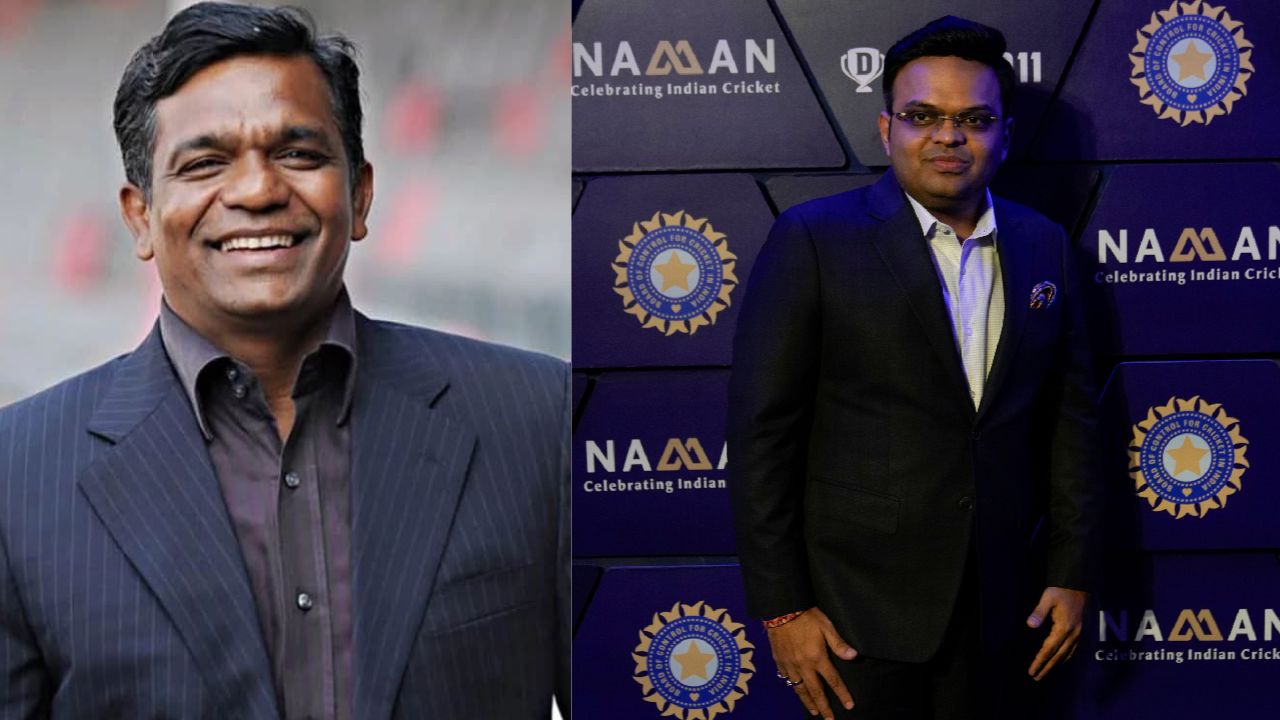
ICC Chairman Jay Shah to Take Action Against BCB Over T20 World Cup 2026 Controversy
The upcoming ICC T20 World Cup 2026, set to kick off in February with India and Sri Lanka as joint hosts, is currently shrouded in controversy. Amidst this, the International Cricket Council (ICC) chairman Jay Shah has the authority to take strict action against the Bangladesh Cricket Board (BCB).
All participating teams have commenced their preparations for the tournament, including Bangladesh. However, the BCB has raised concerns over security and safety, stating that they will not travel to India to compete due to worries regarding the well-being of players, fans, and media personnel.
Mustafizur Rahman IPL 2026 Snub Adds Fuel to the Fire
The root of the escalating tensions between India and Bangladesh stems from the exclusion of Mustafizur Rahman from the IPL 2026. The Bangladesh pacer was initially signed by the Kolkata Knight Riders (KKR) for a significant sum but was later released following a directive from the Board of Control for Cricket in India (BCCI).
In response to Rahman’s ousting and subsequent safety concerns, the BCB has adamantly refused to participate in the T20 World Cup matches in India. The board has petitioned the ICC to relocate their games to Sri Lanka, a request that has been denied.
ICC Considers Strict Measures Against Bangladesh
According to an ANI report, ICC Chairman Jay Shah is contemplating taking strict action against Bangladesh should they persist in their refusal to tour India for the upcoming Men’s T20 World Cup 2026. The report highlights that the security risk in India is deemed low to moderate, a factor that should not overly concern the Bangladesh cricket team.
ICC sources have affirmed that the overall security risk assessment for the tournament in India falls within the low to moderate range, aligning with the security protocols of major global sporting events.
BCB Stands Firm on Venue Change Demand
BCB President Aminul Islam has reiterated the board’s willingness to participate in the T20 World Cup but asserts that they will not do so in India. The BCB plans to continue engaging with the ICC to find a viable solution.
Islam expressed, “We want to play the World Cup, but we won’t play in India. We will keep fighting. The Mustafizur issue is not an isolated single issue. They (India) were the sole decision-makers in that issue.”
The BCB’s plea to relocate their matches outside India has been rejected by the ICC, prompting the board to consider further actions. Despite facing setbacks, the BCB remains determined to uphold their stance and explore all available avenues to ensure their participation in the prestigious tournament.
Potential Impact on T20 World Cup 2026
The refusal of Bangladesh to play in India could have significant repercussions for the T20 World Cup 2026. With one of the participating teams raising concerns and potentially boycotting matches, the integrity and smooth execution of the tournament may be compromised. The ICC, as the governing body of international cricket, faces the challenge of mediating the dispute and ensuring that the event proceeds without any major disruptions.
If Bangladesh remains steadfast in their decision not to travel to India, alternative arrangements may need to be made. This could involve adjusting the tournament schedule, redistributing matches to other venues, or even finding a replacement team to fill the vacant spot. Such changes could impact the competitive balance of the tournament and may require swift and decisive action from the ICC to mitigate any adverse effects.
Implications for Future ICC Events
The standoff between the BCB and the ICC over the T20 World Cup 2026 could set a precedent for future ICC events. If member boards perceive a lack of responsiveness or flexibility in addressing their concerns, it may lead to further conflicts and disputes surrounding the hosting and organization of international cricket tournaments.
The ICC’s response to the current situation with Bangladesh will likely shape how member boards approach similar issues in the future. If the ICC adopts a firm stance and enforces consequences for non-compliance, it could deter other boards from taking similar unilateral actions that could disrupt the smooth conduct of ICC events.
Resolving the Conflict Through Dialogue
Amidst the escalating tensions, it is crucial for both the BCB and the ICC to engage in constructive dialogue to find a mutually acceptable solution. Open communication and a willingness to address each other’s concerns are essential to resolving the impasse and ensuring the participation of all teams in the T20 World Cup 2026.
By engaging in transparent discussions and exploring potential compromises, both parties can work towards a resolution that upholds the spirit of sportsmanship and prioritizes the safety and well-being of all participants. Finding common ground and reaching a consensus through diplomatic channels will be key to salvaging the situation and preserving the integrity of the tournament.
Final Thoughts
As the controversy surrounding the T20 World Cup 2026 continues to unfold, all eyes are on the ICC and the BCB to navigate the challenges and find a resolution that benefits the sport of cricket as a whole. The outcome of this dispute will not only impact the upcoming tournament but could also shape the future dynamics of international cricket governance and the handling of similar conflicts in the years to come.
Ultimately, a swift and amicable resolution that addresses the concerns of all parties involved is essential to ensuring the success and credibility of the T20 World Cup 2026 and maintaining the spirit of unity and collaboration that defines the world of cricket.
Latest News
Naseem Shah charged with central contract violation during PSL 2026
MS Dhoni out of IPL 2026, has not recovered from calf strain
Jasprit Bumrah set to lead MI attack in blockbuster IPL 2026 clash vs KKR
Mitchell Starc to miss IPL 2026, wife Alyssa Healy drops massive update on injury
Nick Knight rejects PSL to join IPL commentary panel
MS vs ISU Match Prediction, Pitch & Weather Report, Playing XIs, Head-to-Head, Free Live Streaming – PSL 2026 Match 4
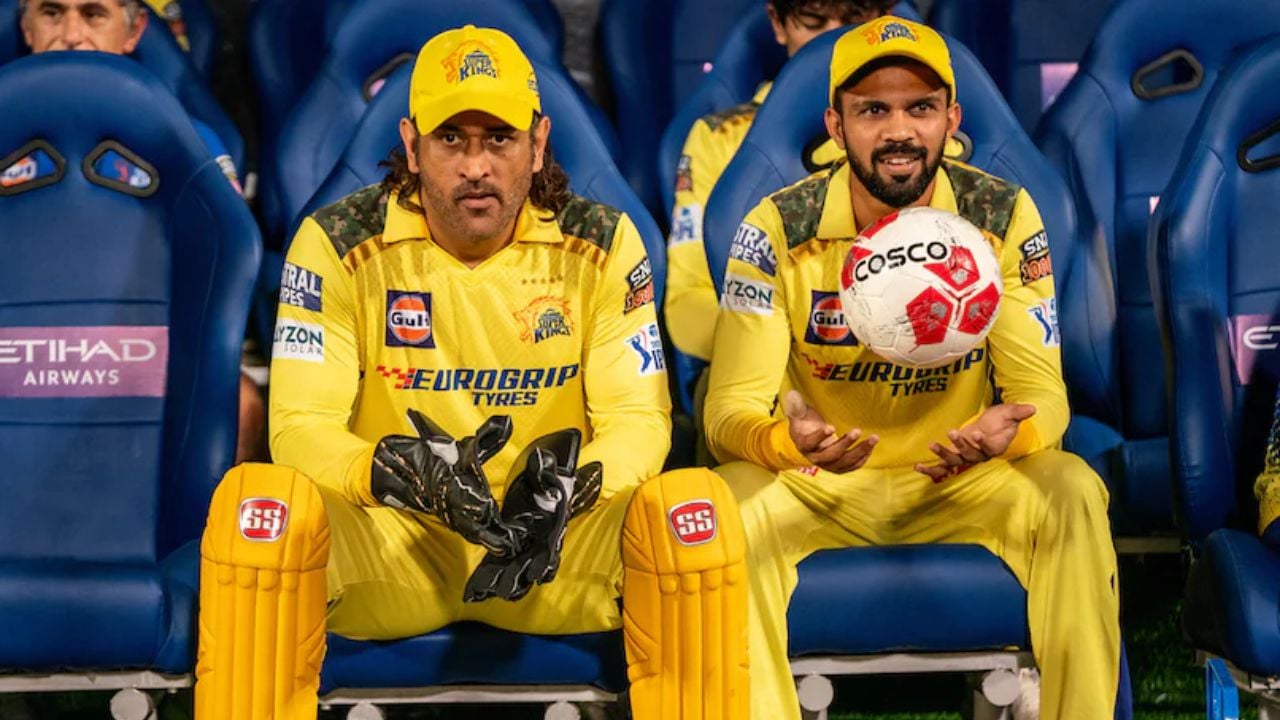
“MS Dhoni doesn’t attend team discussions” – Ruturaj Gaikwad makes stunning revelationtaincy Role

Ben Duckett breaks silence on Noosa Clip scandal, calls it ‘Worst’ moment in cricketing career
“IPL players are grossly underpaid”: Ex-CSK star calls out BCCI
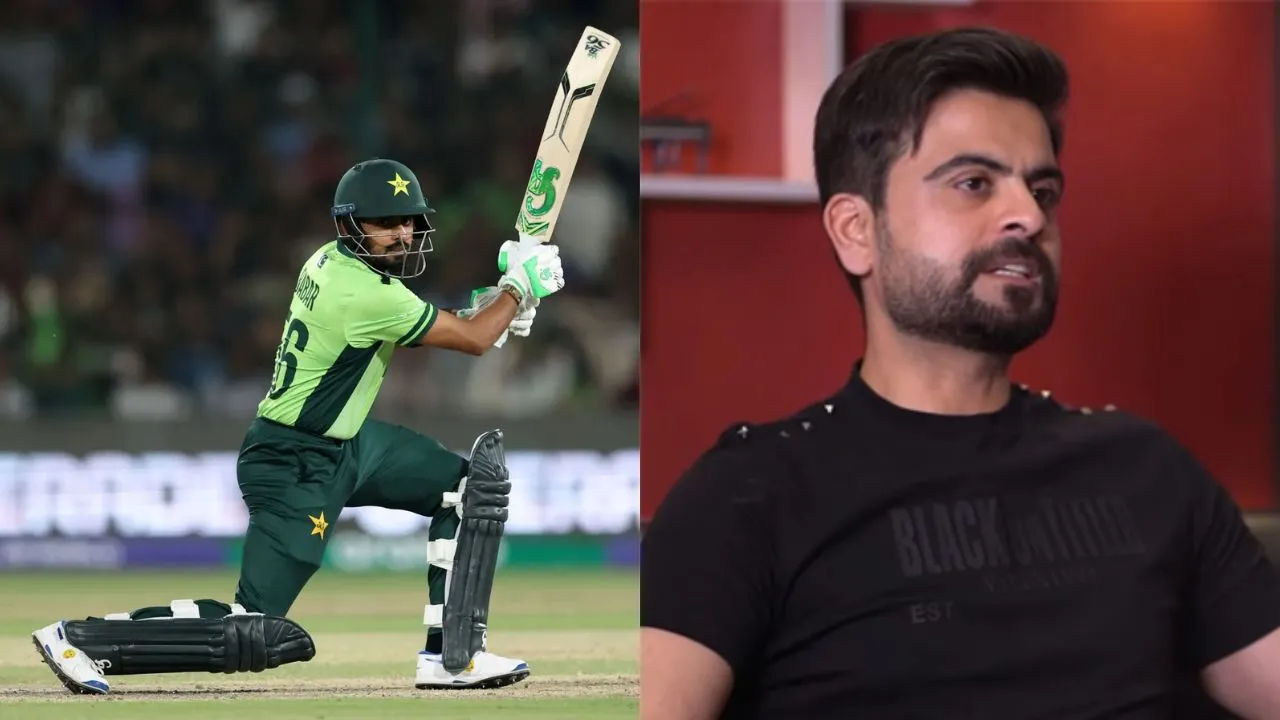
Ahmed Shehzad summoned as former Pakistan skipper takes legal action over serious allegations
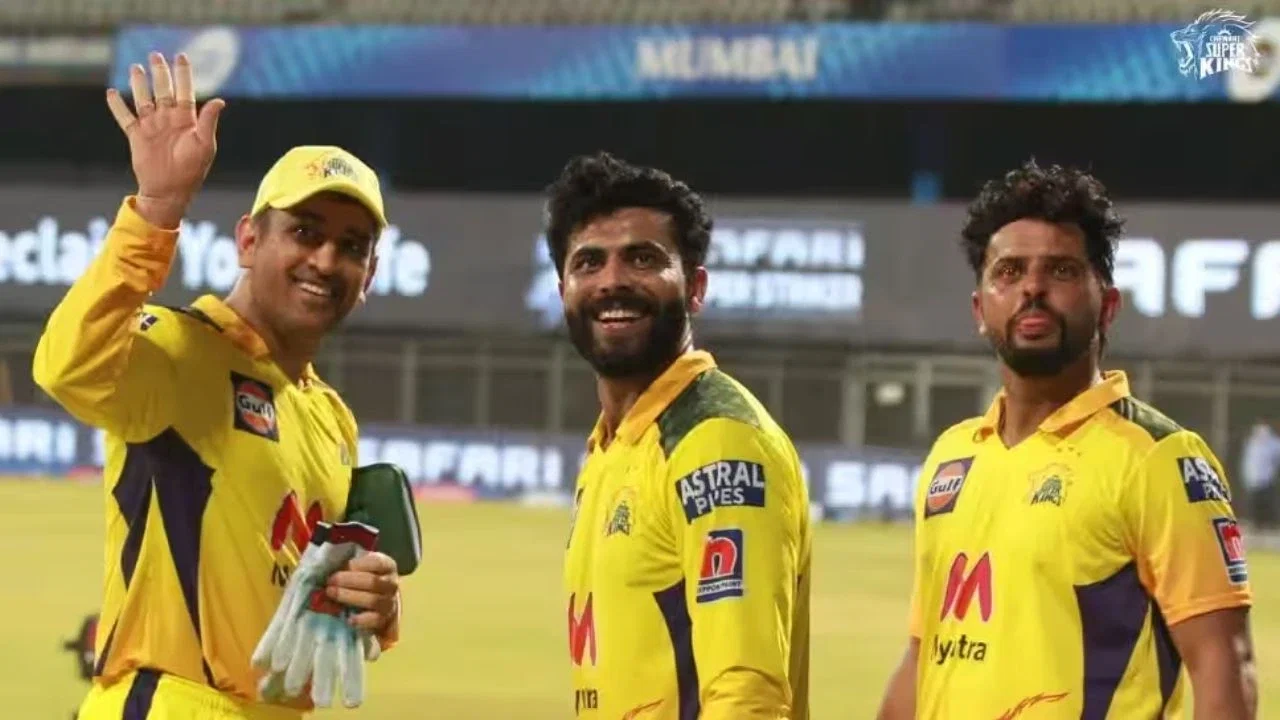
CSK to feature without their legendary duo MS Dhoni and Suresh Raina for the first time
Ishan Kishan set to create history as SRH captain in IPL 2026 opener against RCB
RCB Playing XI vs SRH Playing XI – Match No. 1 | IPL 2026
Delhi Capitals IPL 2026 Full Schedule: DC Fixtures, Dates, Timings and Venues | Squad and Coaches