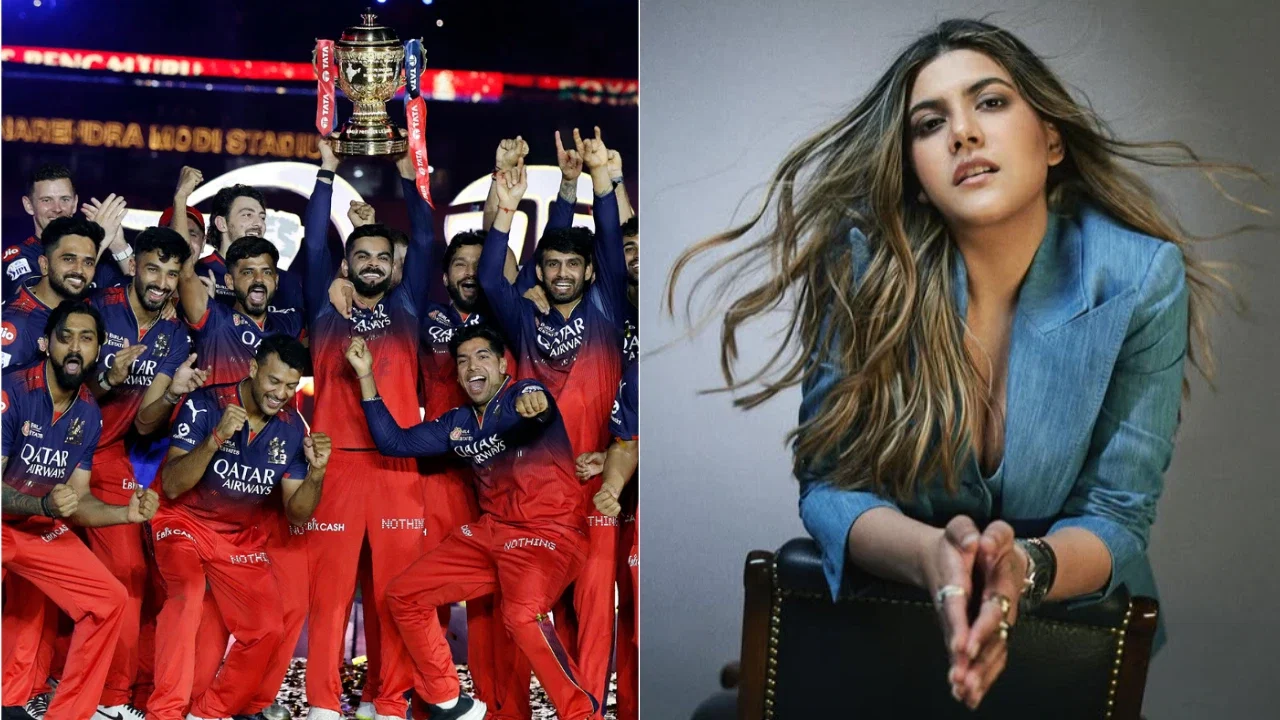
Bangladesh to be banned from cricket? Delhi High Court slams the door with strong statement
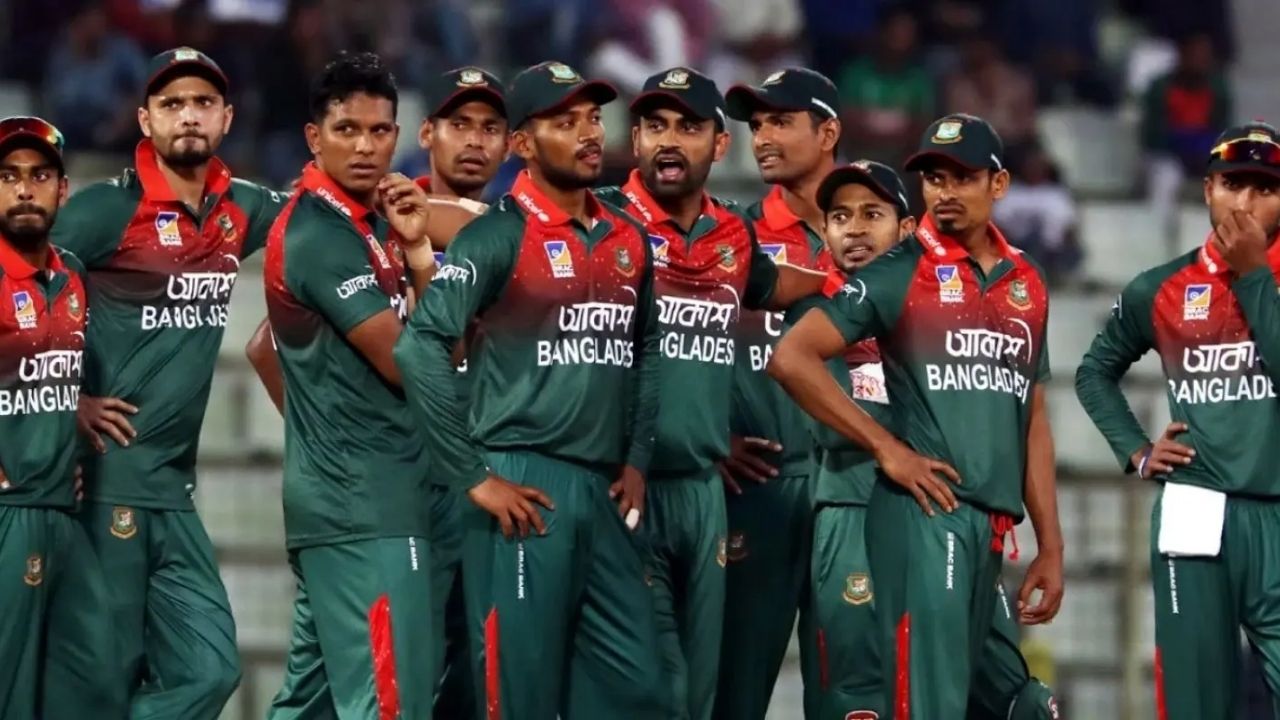
Delhi High Court Rejects PIL Seeking Ban on Bangladesh from International Cricket
The Delhi High Court recently refused to consider a Public Interest Litigation (PIL) that called for Bangladesh to be prohibited from participating in international cricket matches in India. The court stated that such matters fall under the realm of foreign policy and international relations, which are beyond the jurisdiction of the judiciary.
Background:
Recently, Bangladesh declined to travel to India for cricket matches, citing security concerns. This decision came after fast bowler Mustafizur Rahman was left out of the Kolkata Knight Riders team at the direction of the Board of Control for Cricket in India (BCCI). The situation was further complicated by escalating diplomatic tensions between the two countries.
Despite Bangladesh’s request to move their matches to Sri Lanka, the International Cricket Council (ICC) rejected the proposal.
Delhi High Court’s Response:
A bench led by Chief Justice Devendra Kumar Upadhyaya and Justice Tejas Karia dismissed the PIL seeking a ban on Bangladesh from international cricket over alleged violence against the Hindu community. The court emphasized that decisions related to foreign policy are the responsibility of the executive branch and not the judiciary.
The judges criticized the petitioner for submitting a frivolous plea and clarified that Indian courts do not have authority over foreign governments, overseas organizations, or cricket boards.
Clarification on Jurisdiction:
The court made it clear that its powers under Article 226 of the Constitution do not extend to foreign entities. It emphasized that Indian courts cannot issue directives to organizations outside the country.
Solicitor General Tushar Mehta, representing the BCCI, pointed out that the petitioner had also named the Bangladesh and Sri Lankan cricket boards in the case. The court reiterated that it lacks jurisdiction over these bodies and warned against the misuse of PILs.
Key Takeaways:
Chief Justice Upadhyaya stressed that PILs should not be based on assumptions or personal opinions without legal basis. He also dismissed the petitioner’s reference to a Pakistani court ruling, highlighting that Indian courts do not follow judgments from other countries.
After facing objections regarding the maintainability of the petition, the petitioner opted to withdraw the PIL. The court permitted the withdrawal and advised the petitioner to engage in more meaningful pursuits.
In conclusion, the Delhi High Court’s decision underscores the importance of respecting the separation of powers and the limited jurisdiction of the judiciary in matters concerning foreign affairs and international relations.
Implications of the Decision:
The Delhi High Court’s rejection of the PIL seeking a ban on Bangladesh from international cricket sets a significant precedent in terms of judicial restraint and the separation of powers. By declining to interfere in matters of foreign policy, the court upholds the principle of non-interference in sovereign affairs. This decision reinforces the idea that international relations should be handled by the executive branch, which is better equipped to navigate the complexities of diplomacy and international agreements.
Moreover, the dismissal of the PIL underscores the importance of filing petitions that are grounded in legal principles and have a genuine public interest at heart. Frivolous and baseless petitions not only waste the court’s time but also undermine the credibility of the legal system. The court’s emphasis on the necessity of meaningful and well-founded PILs serves as a reminder to litigants to approach the judiciary with legitimate grievances backed by legal reasoning.
Role of International Bodies in Cricket:
The refusal of the ICC to entertain Bangladesh’s request to move their matches to Sri Lanka sheds light on the intricate web of relationships within the world of cricket. International cricket is governed by a complex set of rules and regulations that are enforced by the ICC. The ICC’s decision to uphold the original schedule of matches despite diplomatic tensions between India and Bangladesh highlights the organization’s commitment to maintaining the integrity and impartiality of the sport.
Cricket, as a global sport, plays a significant role in fostering international relations and promoting cultural exchange. The ICC’s role in ensuring that matches proceed as planned, regardless of political circumstances, demonstrates the organization’s dedication to promoting sportsmanship and unity through cricket.
Lessons for Future PILs:
The outcome of this case serves as a lesson for future petitioners who seek to use PILs as a tool for social change. While PILs can be powerful instruments for addressing systemic issues and promoting justice, they must be based on sound legal arguments and genuine concerns that affect the public interest. The Delhi High Court’s firm stance against frivolous petitions underscores the importance of due diligence and legal acumen when approaching the judiciary with public interest matters.
By withdrawing the PIL, the petitioner acknowledged the limitations of the court’s jurisdiction and the need for petitions to be well-founded in legal principles. This decision highlights the importance of respecting the authority and scope of the judiciary while also encouraging litigants to pursue meaningful avenues for addressing social and legal issues.
Conclusion:
In conclusion, the Delhi High Court’s refusal to entertain the PIL seeking a ban on Bangladesh from international cricket exemplifies the judiciary’s commitment to upholding the rule of law and respecting the boundaries of its jurisdiction. This decision reinforces the principle of non-interference in foreign affairs and emphasizes the importance of filing meaningful and legally sound petitions. As the world of cricket continues to navigate diplomatic challenges and geopolitical tensions, the role of international bodies like the ICC becomes increasingly crucial in promoting unity and sportsmanship on a global scale.
Overall, the case before the Delhi High Court serves as a reminder of the delicate balance between law, international relations, and public interest, highlighting the need for thoughtful and well-reasoned legal actions in addressing complex societal issues.
Latest News
Virat Kohli’s explosive threat during coach’s conspiracy revealed: “Will beat the living hell out of…”

Dinesh Karthik can become head coach of India, England or Australia: Jitesh Sharma makes bold claim
Virat Kohli turns Abhishek Sharma with explosive batting for RCB ahead of IPL 2026

Not Tim Seifert! KKR eye 21-year-old Indian as wicketkeeper for IPL 2026
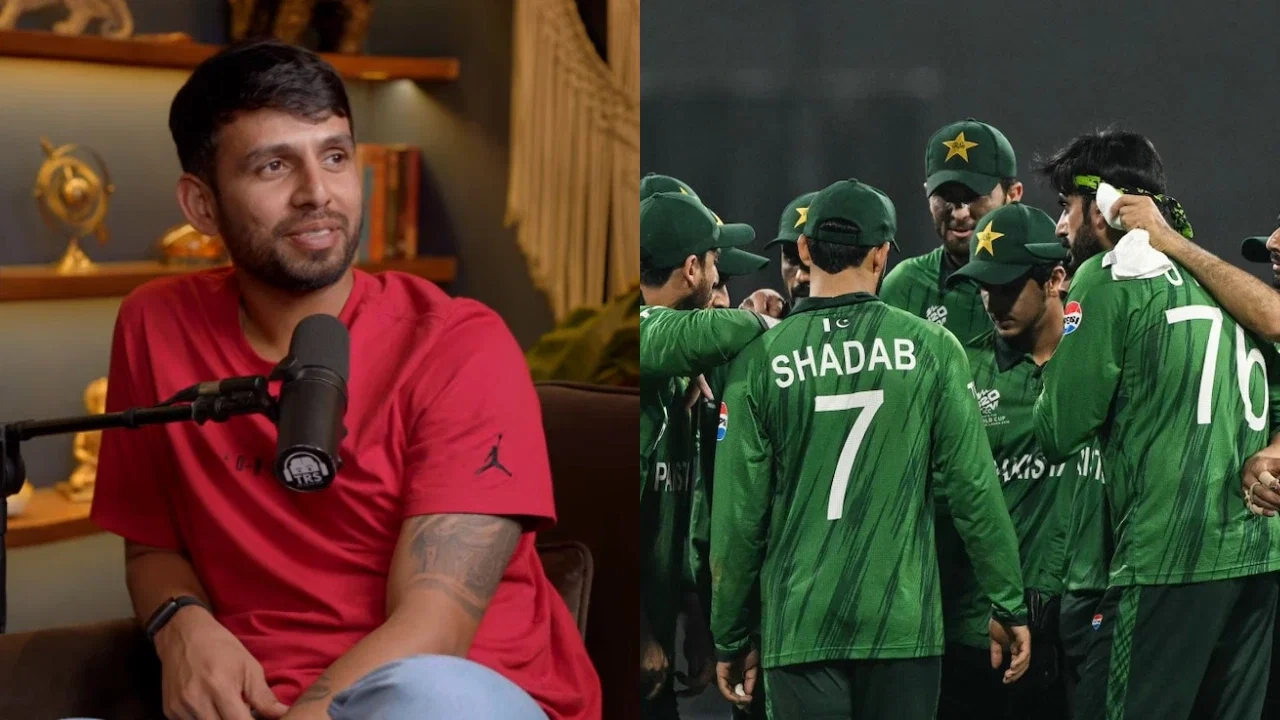
“Itna dete nahi importance inko”: Jitesh Sharma trolls Pakistan, reveals unheard story

‘I liked young MS Dhoni more than the mature one’: Sourav Ganguly drops huge statement
RCB suffer huge blow! SLC blocks Nuwan Thushara’s IPL 2026 participation

Border-Gavaskar Trophy 2027 schedule announced; Ahmedabad among five venues selected
BCCI announces India’s 2026-27 international home season schedule; series vs AUS, WI, SL, ZIM finalized
Irfan Pathan reveals Yuvraj Singh’s secret method to train Rishabh Pant ahead of IPL 2026
Virat Kohli, Rohit Sharma ODI schedule: Full list of matches they will play in India’s 2026-27 home season
Days before RCB vs SRH IPL 2026 match, M. Chinnaswamy Stadium looks like a ‘construction side’
IPL 2026 second-half schedule announcement date revealed by BCCI secretary

LHQ vs HYDK Match Prediction, Pitch & Weather Report, Playing XIs, Head-to-Head, Free Live Streaming – PSL 2026 Match 1