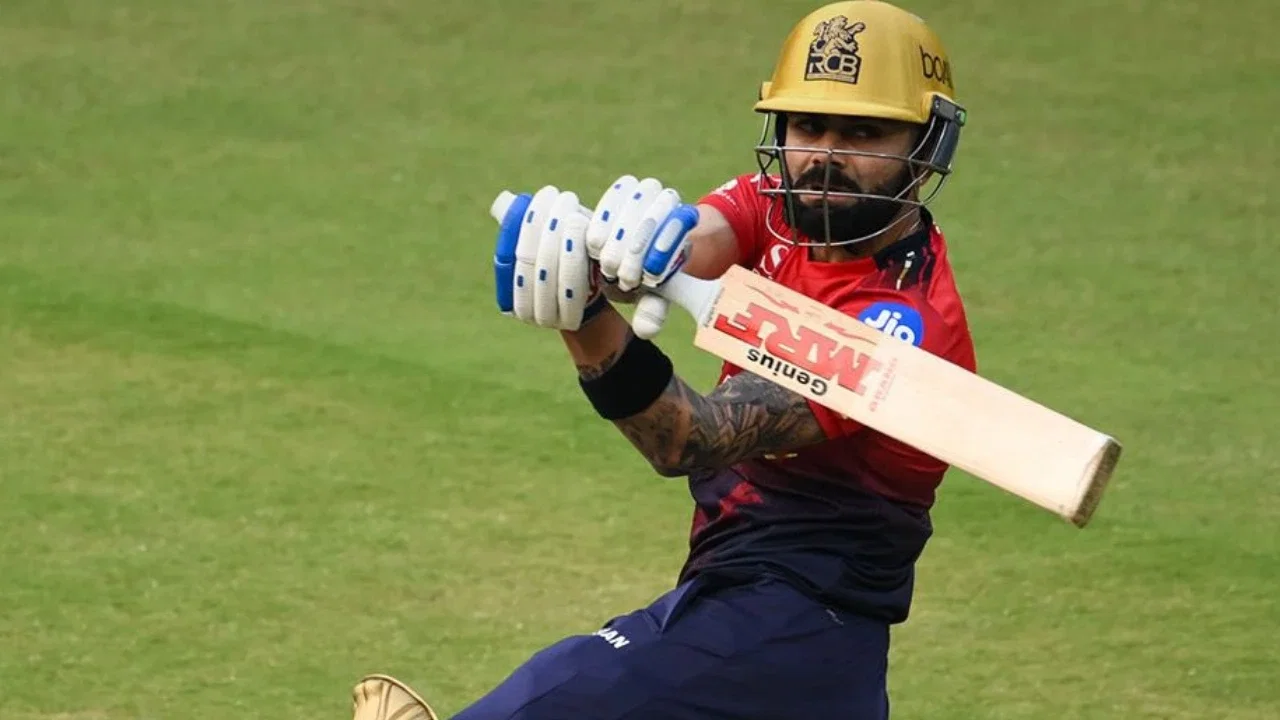
Bangladesh to use India vs Pakistan mega clash to end controversy with BCCI
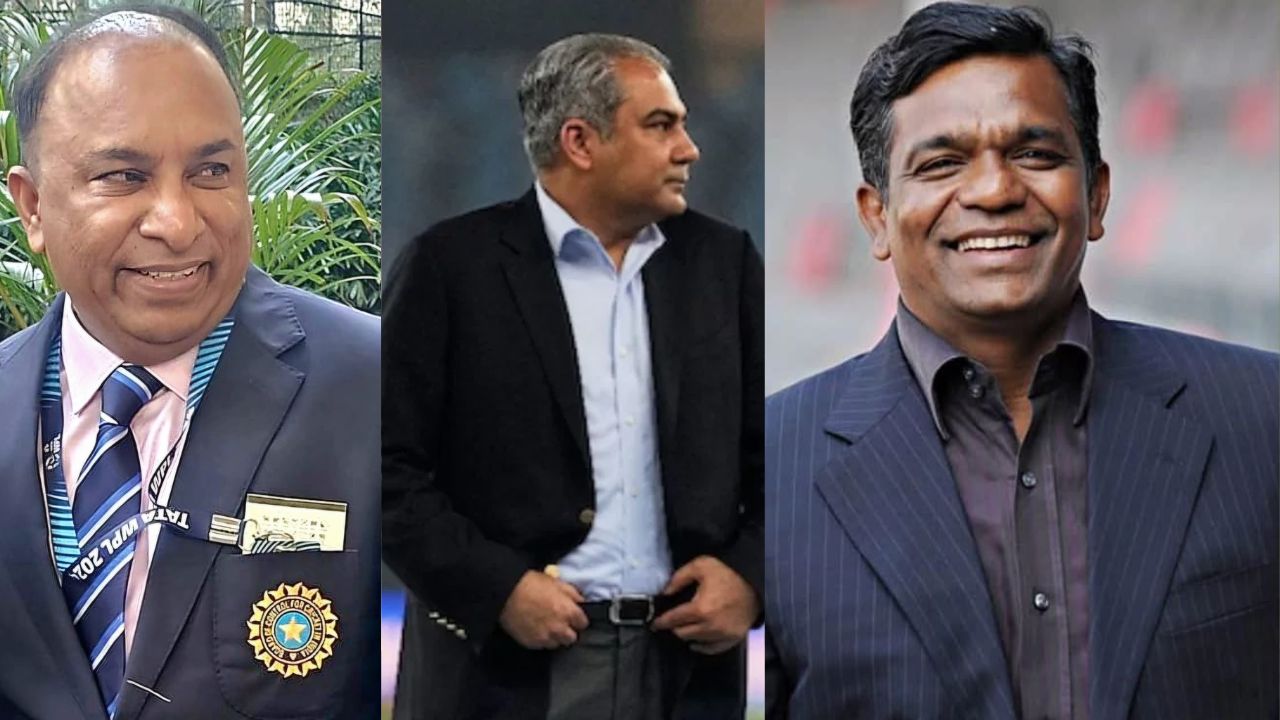
Bangladesh Cricket Board Seeks to Mend Relations with BCCI During T20 World Cup 2026
The Bangladesh Cricket Board (BCB) is making efforts to repair its strained relationship with the Board of Control for Cricket in India (BCCI) during the upcoming T20 World Cup in 2026. Following a recent resolution between the International Cricket Council (ICC) and the Pakistan Cricket Board (PCB), BCB President Aminul Islam has expressed his intention to “break the ice” with the BCCI.
Background
Earlier this year, Bangladesh withdrew from the T20 World Cup due to security concerns after the ICC rejected their request to relocate matches away from India. Consequently, Bangladesh did not participate in the tournament, and Scotland was brought in as their replacement. However, after a meeting in Lahore, the ICC confirmed that Bangladesh would not face sanctions for their boycott and even awarded them hosting rights for an ICC tournament between 2028 and 2031.
Efforts to Rebuild Relations
Aminul Islam revealed that the ICC has organized a joint meeting involving five Asian cricket boards during the India-Pakistan match at the T20 World Cup. This meeting serves as an opportunity to initiate dialogue and reduce tensions between the boards, particularly with the BCCI.
“The ICC has taken a decision to have the major stakeholders of the ICC, including India, Pakistan, Sri Lanka, Bangladesh, and Afghanistan, watch the India-Pakistan match together on the 15th. This will be a chance to open up communication and ease tensions,” Aminul stated in an interview with leading Bangladeshi newspaper Prothom Alo.
Memorandum of Understanding
Aminul Islam mentioned that the boards are likely to establish a detailed Memorandum of Understanding (MoU) to ensure all decisions are documented clearly. This MoU will serve as a formal agreement to avoid any misunderstandings in the future.
“We will also enter into an agreement. The agreement will be like an MoU document, where each line will be clearly stated to prevent any uncertainty,” Aminul explained.
Finalizing Discussions
According to Aminul Islam, similar discussions have been more or less finalized with the ICC after drafting an MoU during the Asian Cricket Council Annual General Meeting in Dhaka. This approach aims to ensure that all parties adhere to the agreed terms without any deviations.
“Similar discussions with the ICC are almost concluded. By preparing a detailed MoU, we aim to prevent any party from stepping away from the agreed terms, as we did during the ACC Annual General Meeting,” Aminul added.
As preparations for the T20 World Cup 2026 continue, the BCB remains optimistic about re-establishing a positive relationship with the BCCI and other Asian cricket boards. The joint meeting during the highly anticipated India-Pakistan clash presents a valuable opportunity to foster cooperation and unity within the cricketing community.
Potential Impact of Improved Relations
If the Bangladesh Cricket Board successfully repairs its relationship with the Board of Control for Cricket in India, it could lead to numerous benefits for both parties. Improved relations could pave the way for collaborative efforts in organizing bilateral series, sharing cricketing knowledge, and promoting the sport in the region. This could ultimately enhance the quality of cricket played by both nations and create more opportunities for players and fans alike.
Enhancing Cricketing Diplomacy
The initiative to mend relations between the BCB and BCCI through the ICC-mediated meeting signifies the power of cricket as a tool for diplomacy. By using cricket as a platform for dialogue and cooperation, the boards can set an example for resolving conflicts and fostering camaraderie in the cricketing community. This approach not only benefits the sport but also contributes to broader diplomatic efforts between nations.
Strategic Alignment for Future Tournaments
Establishing a Memorandum of Understanding between the cricket boards ensures that all parties align their strategies for future tournaments. This alignment can lead to smoother coordination, fewer disputes, and a more harmonious relationship among the boards. By clearly outlining their commitments and responsibilities, the boards can work together towards common goals and uphold the integrity of the sport.
Promoting Regional Unity
By bringing together the major stakeholders of the ICC, such as India, Pakistan, Sri Lanka, Bangladesh, and Afghanistan, the joint meeting during the T20 World Cup serves as a symbol of regional unity in cricket. This gathering emphasizes the shared passion for the sport and the potential for collaboration beyond national boundaries. It presents an opportunity for the cricketing nations in the region to set aside differences and work towards a common purpose.
Building Trust and Long-term Partnerships
Through the establishment of a detailed MoU and ongoing discussions, the BCB and BCCI can build trust and foster long-term partnerships. Clear communication, mutual understanding, and a commitment to honoring agreements are essential for maintaining a positive relationship in the long run. By solidifying their commitments in writing, the boards can demonstrate their willingness to uphold their promises and work together towards mutual success.
Conclusion
As the Bangladesh Cricket Board seeks to mend relations with the Board of Control for Cricket in India during the T20 World Cup 2026, the potential for positive outcomes and improved collaboration in the cricketing world is significant. By leveraging the platform of cricket to promote unity, diplomacy, and strategic alignment, the boards can set a precedent for peaceful resolution of conflicts and enhanced cooperation in the sport. With a focus on building trust, establishing formal agreements, and fostering regional unity, the BCB and BCCI have the opportunity to create a positive legacy for cricket in the years to come.
Latest News
Josh Hazlewood lands in India before IPL 2026
“Franchises run out of patience”: Irfan Pathan issues strict warning to Mayank Yadav
Sanjiv Goenka breaks silence on Rishabh Pant’s rumoured sacking as LSG captain
Revealed: Why BCCI didn’t give BGT matches to Wankhede and Eden Gardens?
Not Virat Kohli! Rajat Patidar reveals Jitesh Sharma helped him most in RCB captaincy
“Does MS Dhoni still have the ability to…” – Ex-CSK star raises serious questions
NOT Virat Kohli! Sourav Ganguly picks greatest ever Indian captain
“Should not play”: CSK legend suggests MS Dhoni to skip IPL 2026
Jitesh Sharma spills secret bond with PBKS owner ahead of IPL 2026
Star CSK spinner signs deal with new team ahead of IPL 2026
Shaheen Afridi lashed out at journalists after asked about Pakistan Team during PSL press-conference
IPL 2026 full schedule out! BCCI announces second phase fixtures
Virat Kohli’s explosive threat during coach’s conspiracy revealed: “Will beat the living hell out of…”
Dinesh Karthik can become head coach of India, England or Australia: Jitesh Sharma makes bold claim