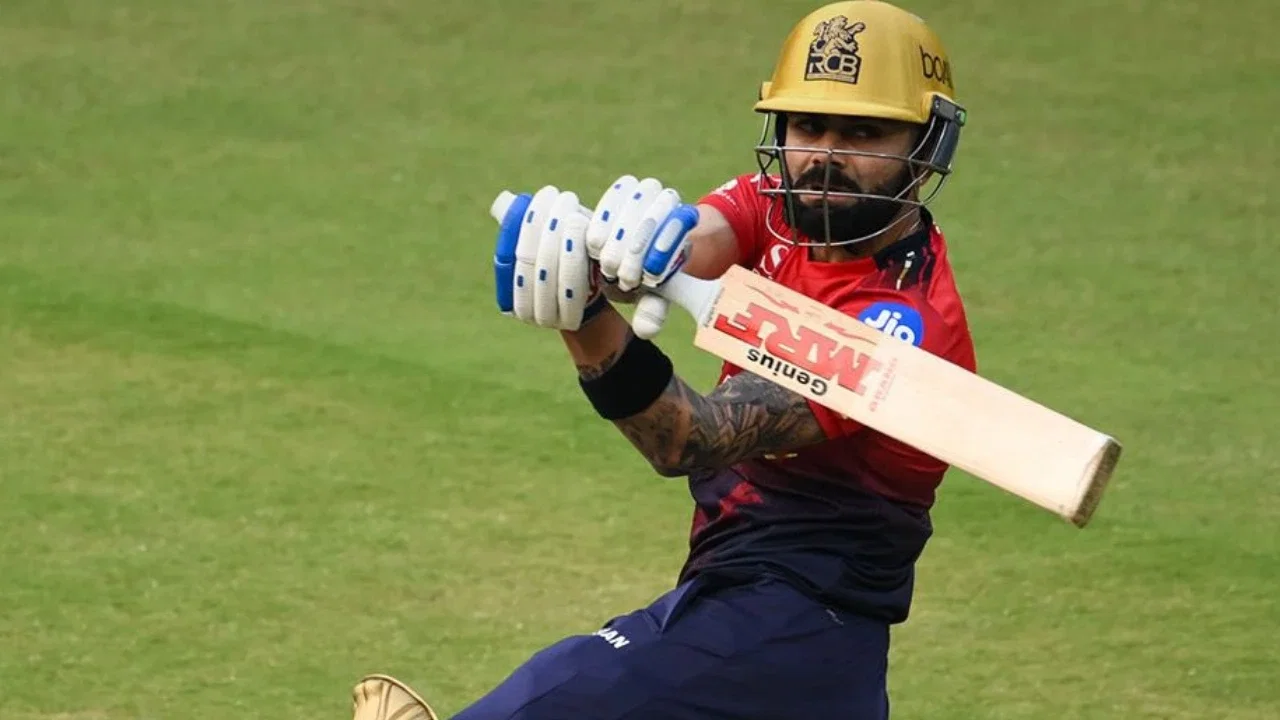
Bangladesh’s T20 World Cup pullout orchestrated by Mohsin Naqvi & Pakistan!! World Cup winner drops bomb
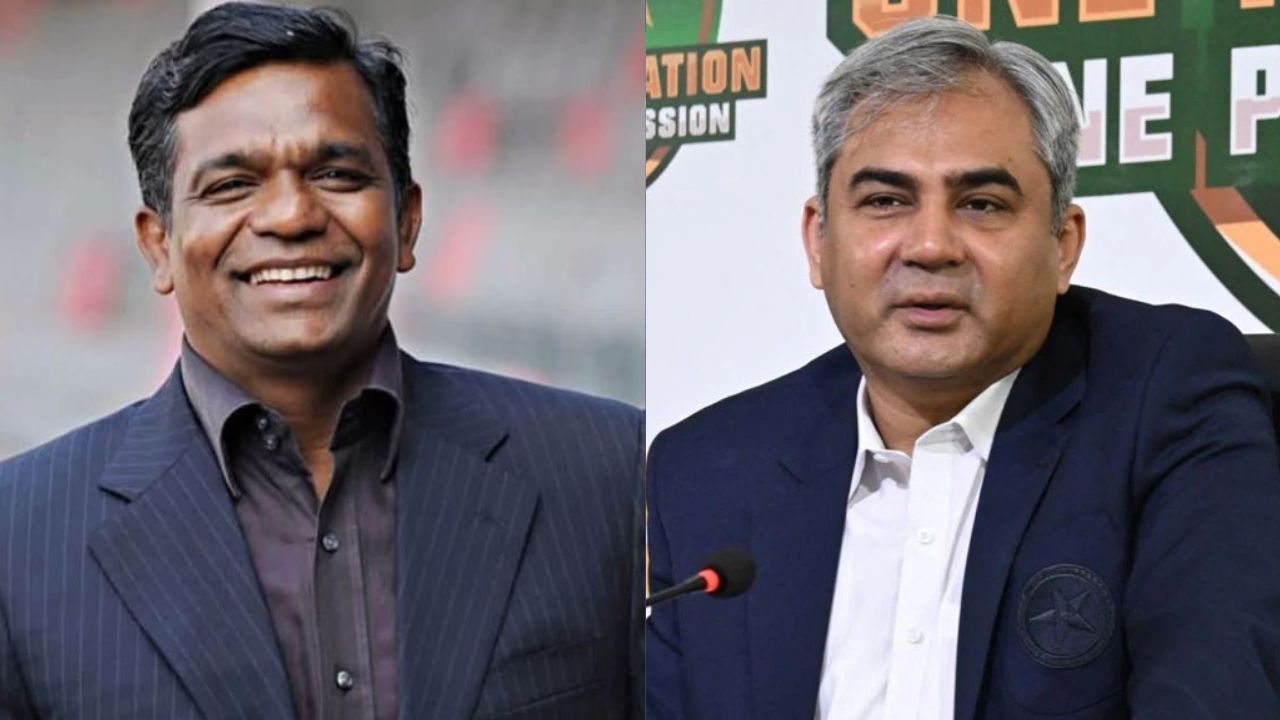
Former Indian Cricketer Madan Lal Accuses Pakistan of Influencing Bangladesh’s Decision to Withdraw from ICC T20 World Cup 2026
Former Indian cricketer Madan Lal has sparked controversy by alleging that Pakistan played a role in influencing Bangladesh’s decision to pull out of the upcoming ICC Men’s T20 World Cup 2026, which is set to take place in India and Sri Lanka from February 7 to March 8. Lal described Bangladesh’s move as “foolish” and politically motivated by the Bangladesh Cricket Board (BCB).
Political Motives Behind Bangladesh’s Decision
Lal criticized the BCB’s decision, stating that it was driven by political motives rather than genuine concerns. He emphasized that India would not suffer any losses if Bangladesh chose not to participate in the tournament. However, Lal warned that Bangladesh stood to lose significantly from a commercial standpoint due to their absence from such a major event.
“I think it’s Pakistan instigating them not to participate in this tournament. They just want to bring India down,” Lal commented on the situation, highlighting the alleged role of Pakistan in influencing Bangladesh’s stance.
Security Concerns Debunked
Addressing concerns about security, Lal emphasized that India, particularly Mumbai where some of the matches are scheduled to take place, is one of the safest places in the country. He dismissed the idea that safety issues should deter Bangladesh from participating in the T20 World Cup.
“They are playing in Mumbai, and it is one of the safest places in India. It doesn’t make any difference to the Indian board or anything, but I think it’s all politics,” Lal stated, attributing the controversy to political agendas rather than genuine security threats.
Strained Cricket Relations Between Bangladesh and India
The tensions between Bangladesh and India have further escalated following a recent incident where the Board of Control for Cricket in India requested Kolkata Knight Riders to release Mustafizur Rahman from IPL 2026. This move has strained the cricket ties between the two nations.
Moreover, reports suggest that Pakistan Cricket Board is backing Bangladesh’s decision to withdraw from the tournament. The PCB chairman has supposedly paused team preparations, awaiting further clarity on the situation.
Implications for Bangladesh’s Participation in the T20 World Cup
With Bangladesh scheduled to play all four group matches in India against teams like the West Indies, Italy, and England, the decision to withdraw could have far-reaching consequences for the team. If Bangladesh qualifies for the Super Eights, additional matches in India may be on the horizon, depending on their group performance.
In the previous T20 World Cup, Bangladesh reached the Super Eights but fell short of progressing to the semifinals. The current standoff raises questions about the team’s future participation and the broader implications for cricket diplomacy in the region.
Allegations of External Influence
The accusations made by Madan Lal shed light on the complexities of cricket diplomacy in the region. While sports have often been seen as a unifying force, they can also become entangled in political maneuvering and rivalries. Lal’s claims suggest that external forces may be at play in influencing decisions within the cricketing world, adding a layer of intrigue to the situation.
It is not uncommon for countries to use sports as a platform for political messaging or leverage. In this case, the alleged influence of Pakistan on Bangladesh’s decision raises questions about the motivations behind such actions and the broader implications for regional dynamics.
Commercial Implications for Bangladesh
Madan Lal’s assertion that Bangladesh would face commercial losses by withdrawing from the ICC T20 World Cup 2026 underscores the financial stakes involved in international cricket tournaments. Participation in such events not only boosts a team’s visibility and reputation but also brings in revenue through sponsorships, broadcasting rights, and ticket sales.
By opting out of the tournament, Bangladesh not only risks missing out on these financial opportunities but also potentially damaging their relationship with other cricketing nations. The decision could have long-term repercussions for the team’s standing in the international cricketing community.
Regional Dynamics in Cricket
The strained relations between Bangladesh and India, exacerbated by recent incidents in the IPL and the T20 World Cup, highlight the delicate balance of cricket diplomacy in the region. While sports have the power to transcend boundaries and foster camaraderie, they can also become a battleground for political tensions and rivalries.
The involvement of Pakistan in the situation further complicates the narrative, showcasing how cricket can be used as a tool for geopolitical maneuvering. As tensions simmer between these cricketing nations, the future of sports diplomacy in the region remains uncertain.
Future of Bangladesh Cricket
As Bangladesh grapples with the fallout from their decision to withdraw from the T20 World Cup, the team faces a pivotal moment in their cricketing journey. The implications of this move extend beyond the tournament itself, influencing their relationships with other cricketing nations and their standing in the global cricketing community.
It remains to be seen how Bangladesh will navigate the complexities of cricket diplomacy moving forward and whether they can overcome the challenges posed by recent events. The team’s resilience and ability to adapt to changing circumstances will play a crucial role in shaping their future in international cricket.
By delving deeper into the political, commercial, and diplomatic dimensions of the situation, we gain a more nuanced understanding of the complexities at play in the world of cricket. As the story continues to unfold, it will be fascinating to see how these dynamics evolve and shape the future of cricket in the region.
Latest News
Josh Hazlewood lands in India before IPL 2026
“Franchises run out of patience”: Irfan Pathan issues strict warning to Mayank Yadav
Sanjiv Goenka breaks silence on Rishabh Pant’s rumoured sacking as LSG captain
Revealed: Why BCCI didn’t give BGT matches to Wankhede and Eden Gardens?
Not Virat Kohli! Rajat Patidar reveals Jitesh Sharma helped him most in RCB captaincy
“Does MS Dhoni still have the ability to…” – Ex-CSK star raises serious questions
NOT Virat Kohli! Sourav Ganguly picks greatest ever Indian captain
“Should not play”: CSK legend suggests MS Dhoni to skip IPL 2026
Jitesh Sharma spills secret bond with PBKS owner ahead of IPL 2026
Star CSK spinner signs deal with new team ahead of IPL 2026
Shaheen Afridi lashed out at journalists after asked about Pakistan Team during PSL press-conference
IPL 2026 full schedule out! BCCI announces second phase fixtures
Virat Kohli’s explosive threat during coach’s conspiracy revealed: “Will beat the living hell out of…”
Dinesh Karthik can become head coach of India, England or Australia: Jitesh Sharma makes bold claim