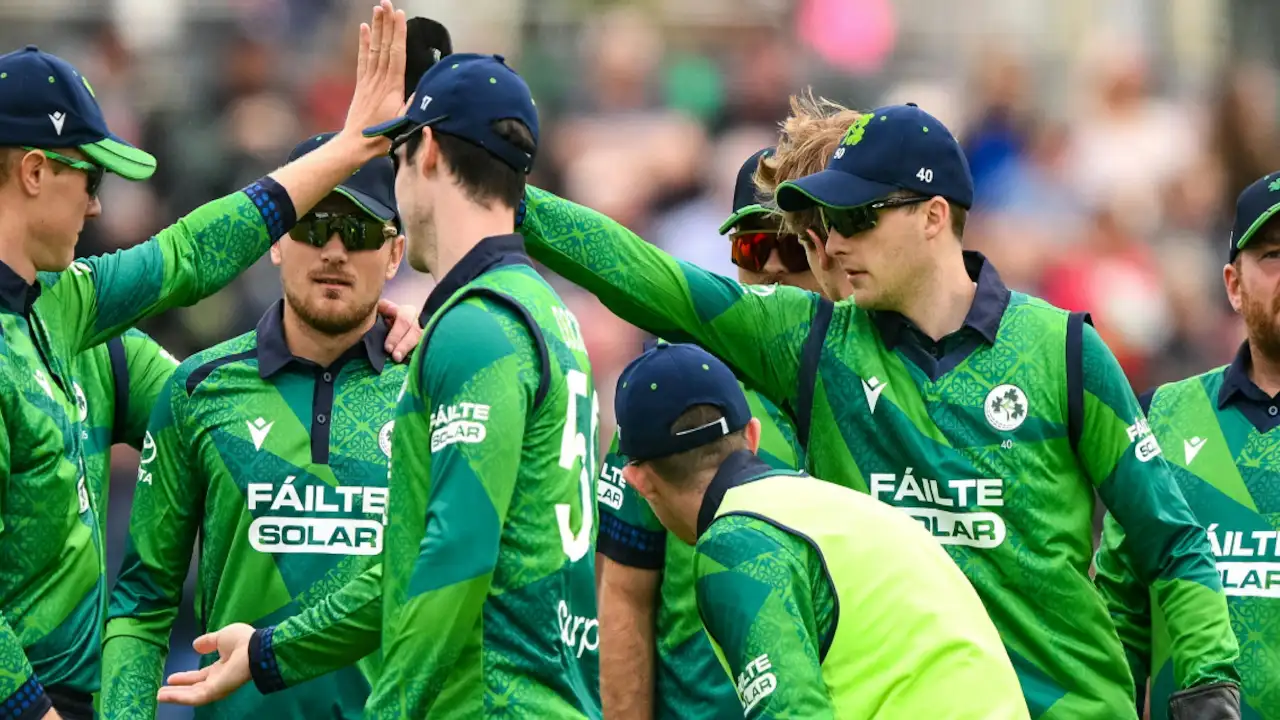
Basit Ali disowns Pakistan team after T20 WC exit: “This is Mike Hesson’s team”
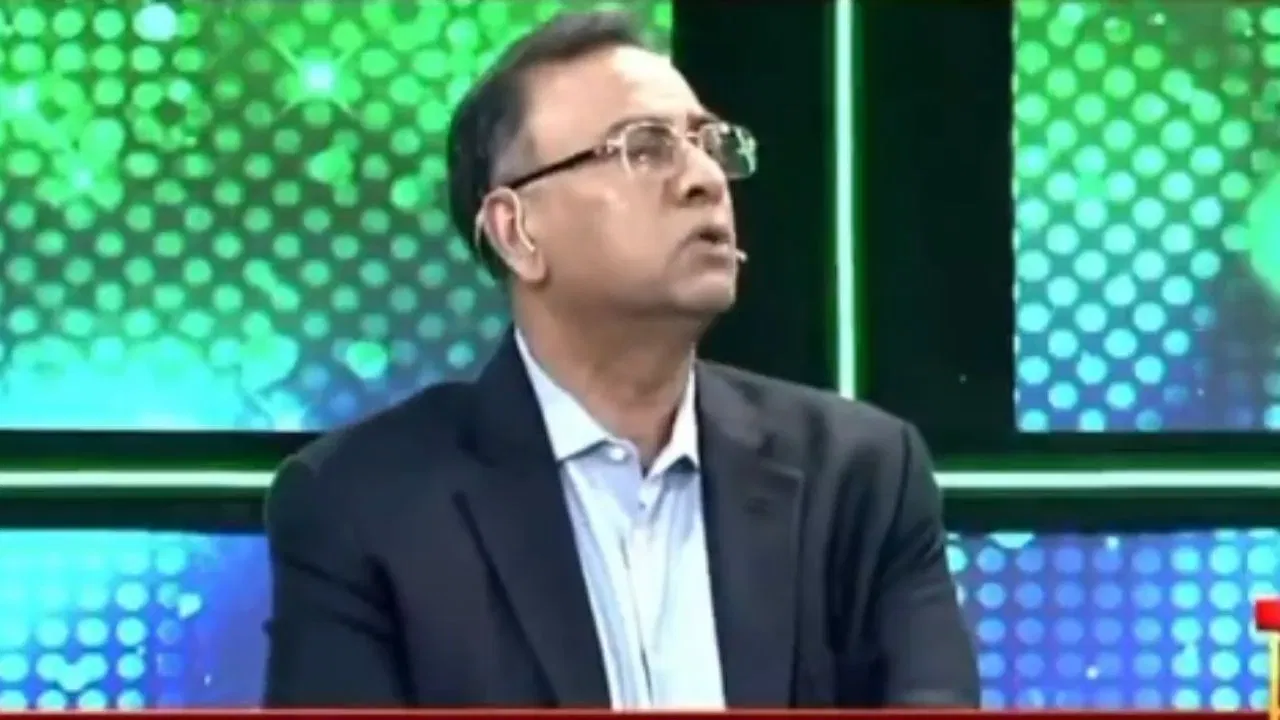
Former Pakistan Cricketer Basit Ali Criticizes Team Performance at ICC T20 World Cup 2026
Former Pakistan cricketer Basit Ali recently expressed his disappointment with the performance of the Salman Ali Agha-led team at the ICC T20 World Cup 2026. Ali, who now serves as a cricket expert, blamed head coach Mike Hesson for fielding what he called a franchise-style side for the Pakistan national cricket team.
Pakistan’s Missed Opportunity at the T20 World Cup
Pakistan’s journey in the T20 World Cup came to an end without reaching the semifinals, primarily due to their net run rate. In their final Super 8 match against Sri Lanka, Pakistan secured a victory by five runs on February 28. Despite this win, the Men in Green finished third in Group 2, behind New Zealand, falling short of a semifinal spot.
Sahibzada Farhan and Fakhar Zaman’s impressive 176-run partnership for the first wicket had put Pakistan in a strong position to improve their net run rate. However, the team’s collapse in the final five overs, where they lost eight wickets while adding only 49 runs, proved costly.
Ali’s Criticisms and Questions
Basit Ali criticized the middle order for its disappointing performance, highlighting that a few more runs in the final overs could have secured Pakistan a spot in the semifinals.
He questioned the selection of Babar Azam, citing Hesson’s comments about Babar lacking intent in the powerplay and having a low strike rate. Ali also raised concerns about Babar’s batting position, emphasizing that the team’s strategy seemed flawed.
Ali also mentioned Usman Khan’s situation, where despite a strong performance against India, he was not given the necessary support by the team management, indicating a lack of favoritism towards certain players.
Call for Change in Team Management
Basit Ali urged the Pakistan Cricket Board to bring in experienced individuals and focus on long-term improvement rather than running the team like a franchise setup. He emphasized the importance of having competent advisors and selectors who understand cricket and can lead the team towards success.
Ali’s criticisms extended to former Pakistan players working as television experts, questioning their support for certain players and their overall contribution to the team’s development. He called for accountability and a more strategic approach to team selection and management.
Looking Towards the Future
As Pakistan reflects on their performance at the T20 World Cup, Basit Ali’s comments shed light on the areas where improvements are needed. With a focus on strategic decision-making, player development, and overall team management, Pakistan’s cricketing future could see positive changes under the guidance of experienced and knowledgeable individuals.
Assessing Pakistan’s Performance at the ICC T20 World Cup 2026
While Pakistan’s journey at the ICC T20 World Cup 2026 may have ended in disappointment, it also showcased moments of brilliance and potential for growth. The team’s ability to secure victories against strong opponents like India and South Africa highlighted their talent and determination. However, inconsistencies in performance and strategic decisions ultimately cost them a spot in the semifinals.
One key aspect that emerged from Pakistan’s campaign was their overreliance on individual performances rather than collective team efforts. While players like Sahibzada Farhan and Fakhar Zaman delivered standout performances, the team struggled to maintain momentum and capitalize on crucial moments in matches. This highlighted the need for a more cohesive team strategy and better support for all players throughout the tournament.
Addressing Selection Controversies
Basit Ali’s critique of the team selection and management raised important questions about the criteria used to pick players for crucial matches. The controversy surrounding Babar Azam’s role in the team and his batting position brought attention to the need for a clear and consistent selection policy. By addressing these issues and ensuring transparency in decision-making, Pakistan can build a stronger and more balanced squad for future tournaments.
Additionally, the treatment of players like Usman Khan, who showed promise but lacked consistent opportunities, underlined the importance of fair and unbiased selection processes. By fostering a supportive and inclusive environment for all players, Pakistan can harness their full potential and create a more competitive team on the international stage.
Striving for Strategic Improvement
Basit Ali’s call for a change in team management resonates with the need for a more strategic and holistic approach to coaching and leadership. By employing experienced individuals who understand the nuances of the game and can provide valuable insights, Pakistan can benefit from a more structured and well-rounded development plan for the team.
Furthermore, the emphasis on long-term improvement over short-term gains aligns with the idea of building a sustainable cricketing culture that prioritizes player development and team cohesion. By investing in the right resources and fostering a culture of accountability and growth, Pakistan can establish themselves as a formidable force in the international cricketing community.
Embracing a Brighter Future
As Pakistan navigates the aftermath of the T20 World Cup, there is a sense of optimism and opportunity for change. By heeding the insightful criticisms of former cricketers like Basit Ali and implementing strategic reforms in team management and selection processes, Pakistan can embark on a new chapter of success and excellence in the world of cricket.
With a renewed focus on teamwork, strategic planning, and player development, Pakistan has the potential to reclaim their position as a dominant force in T20 cricket and inspire a new generation of cricketing talent in the country.
Latest News
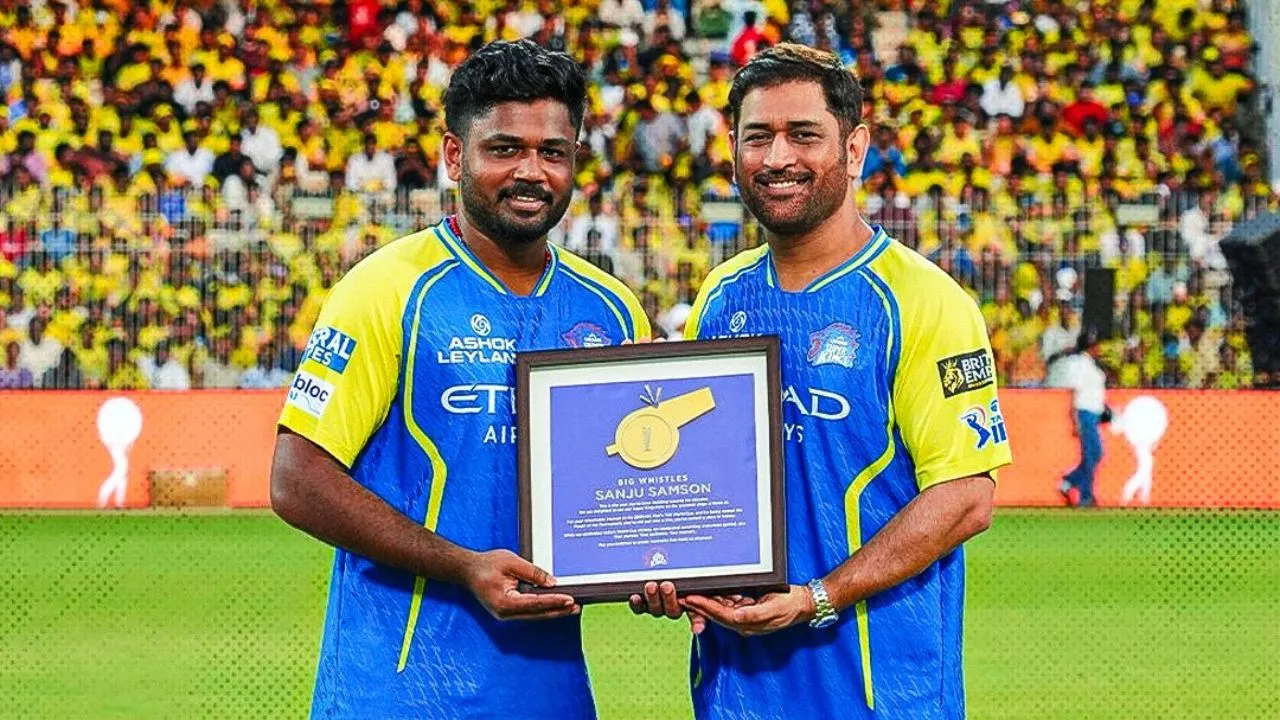
Sanju Samson gets huge role as Ruturaj Gaikwad confirms CSK openers for IPL 2026
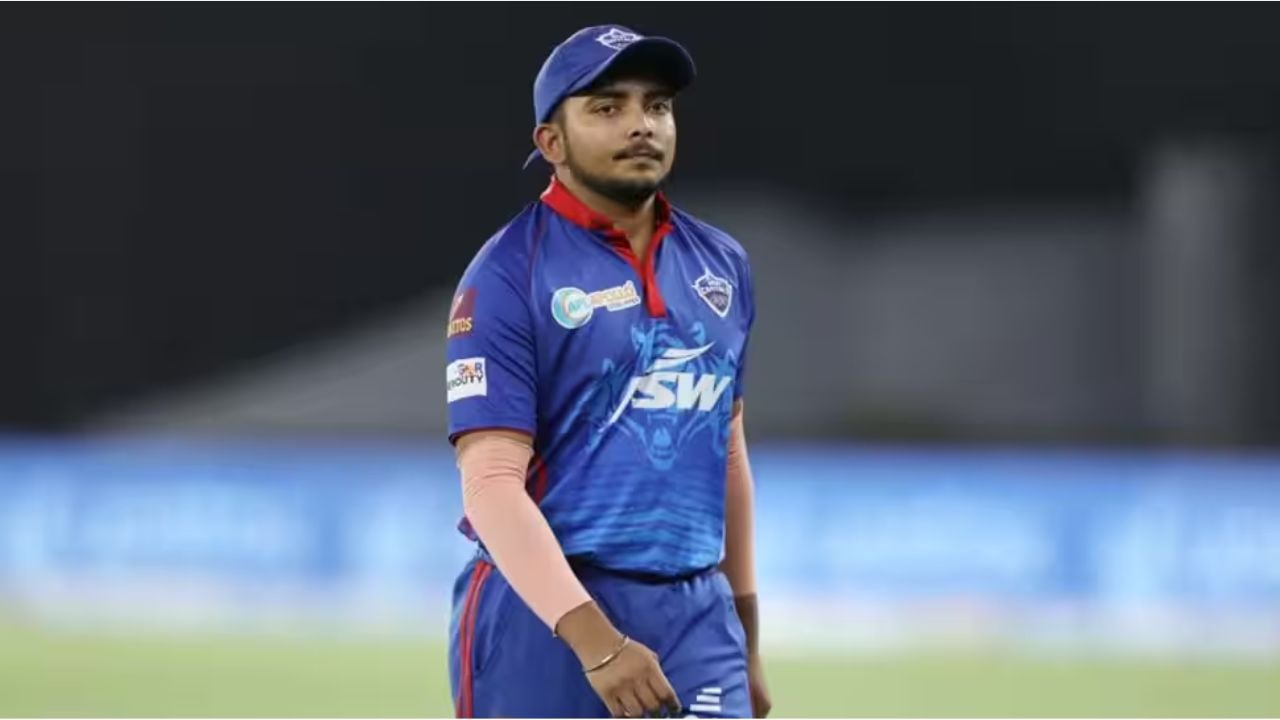
Prithvi Shaw declares his mission to return to team India begins from IPL 2026
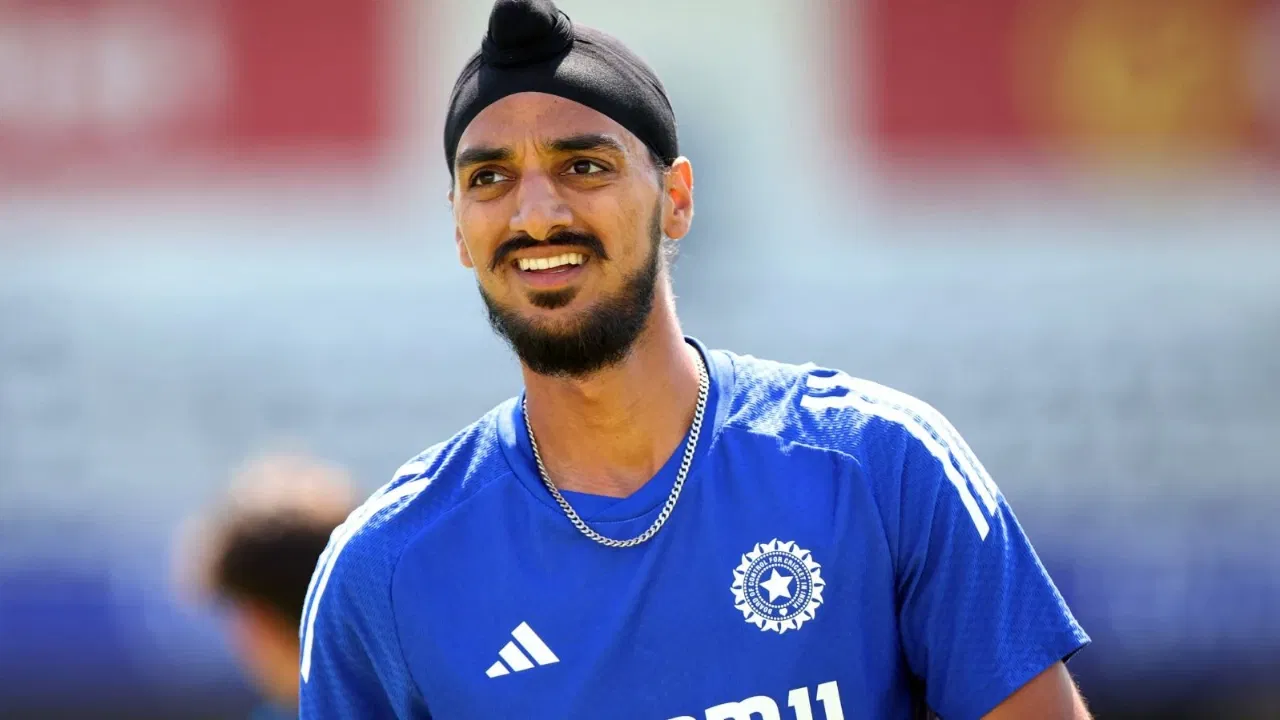
Irfan Pathan questions Arshdeep Singh’s bowling ahead of IPL 2026
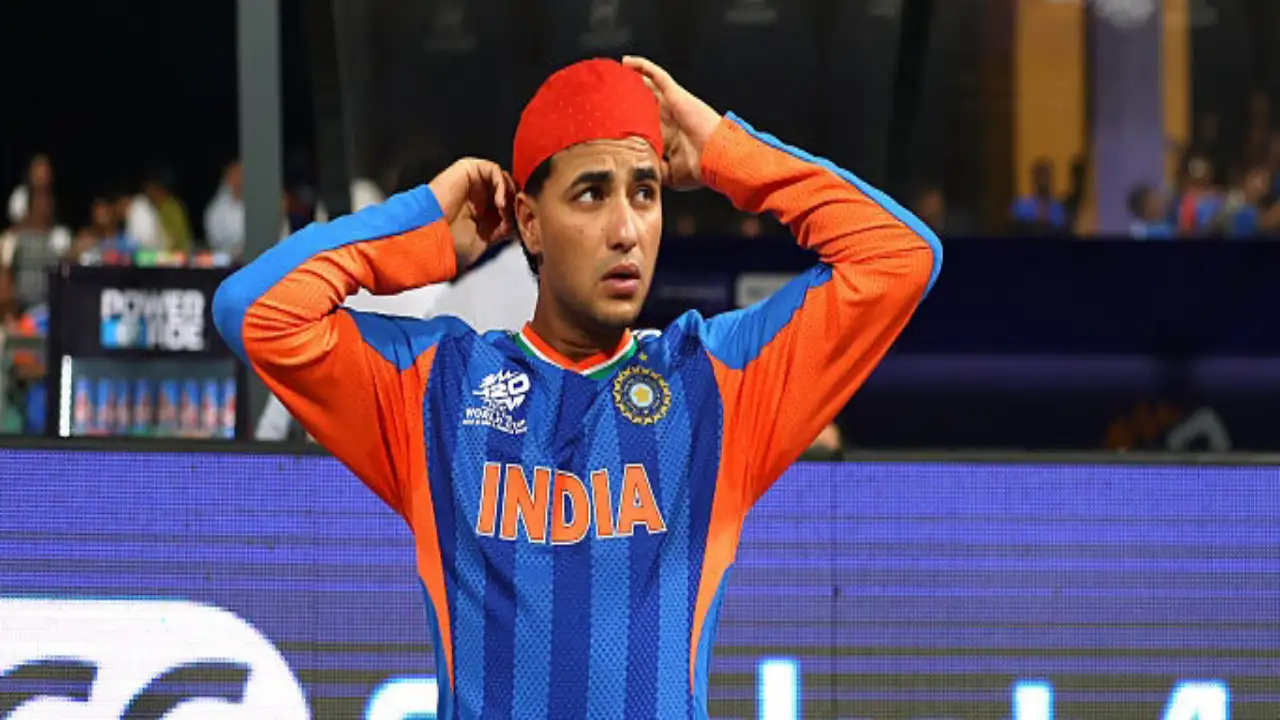
“Mind is somewhere else”: Yuvraj’s Father exposes Abhishek Sharma’s indiscipline lifestyle

EX-RCB pacer joins KKR as replacement of Harshit Rana ahead of IPL 2026

“Win our first trophy”: Sanjiv Goenka crowns LSG as champions ahead of IPL 2026
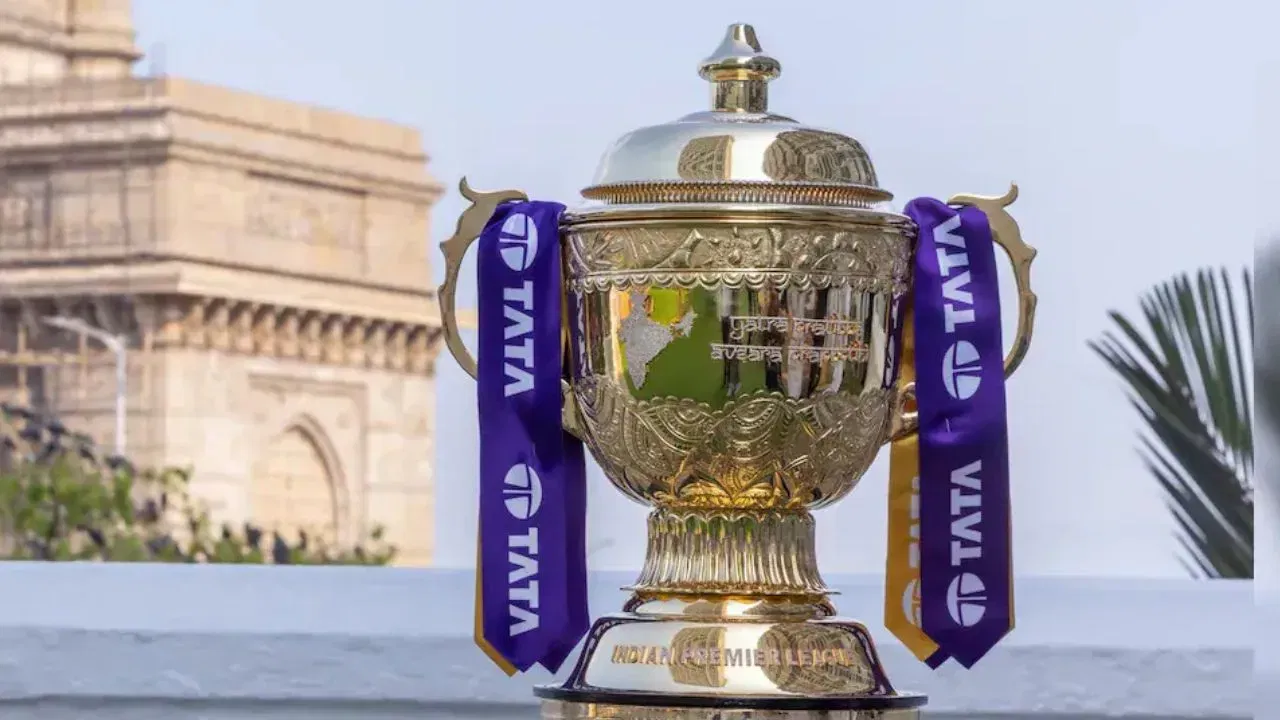
New catching rule? Captains warned over ‘Incomplete’ catches ahead of IPL 2026

Pat Cummins in awe of Ishan Kishan’s captaincy

Ex-India star accuses teammates of ‘Racism’, blames it for early international exit
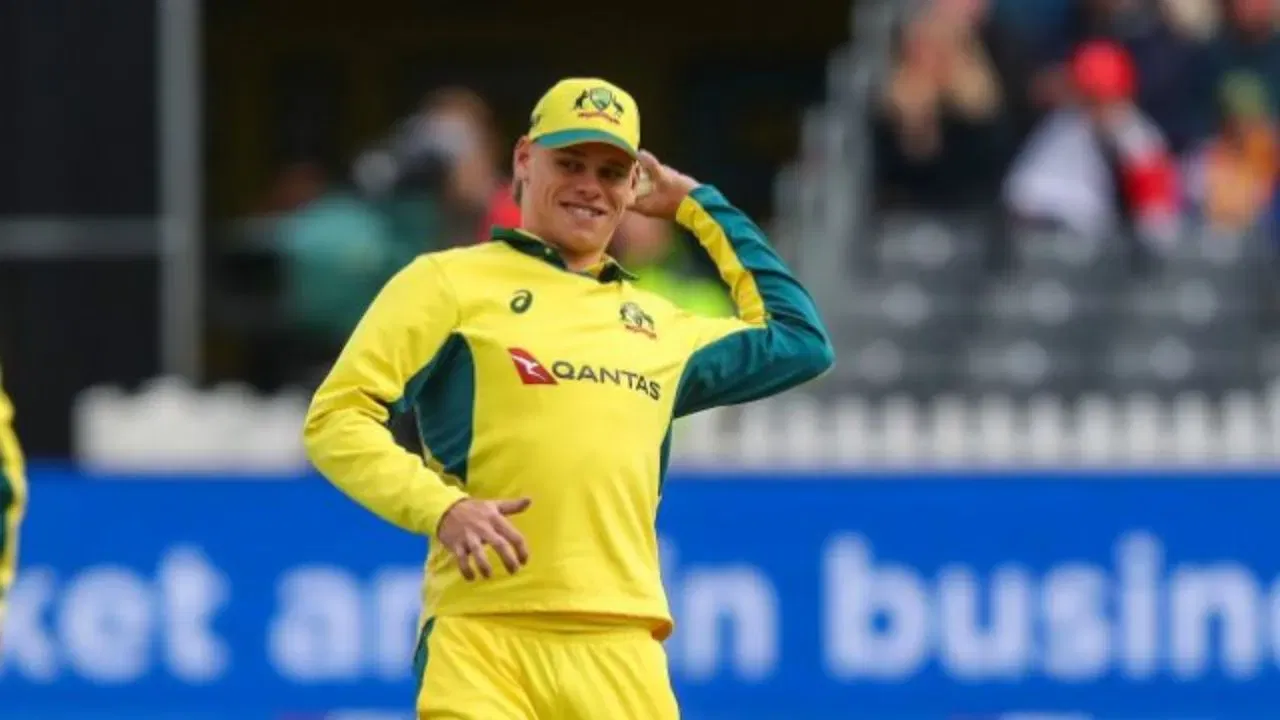
“I love watching Shreyas Iyer bat” – PBKS all-rounder Cooper Connolly ahead of IPL 2026
Yograj Singh gives Ravichandran Ashwin belt treatment because of Arjun Tendulkar remarks
CSK legend advises Shubman Gill the best way to bounce back in T20I team
Jasprit Bumrah Injury Scare, reason behind visit to CoE revealed
“Didn’t invite me”: R Ashwin puts Kuldeep Yadav in spotlight over wedding snub