BCB announces legal fight after ICC rejects T20 World Cup 2026 venue change demand

Bangladesh Cricket Board vs. ICC: A Clash of Titans Before ICC T20 World Cup 2026
BCB’s Battle with ICC Over Venue Change
Bangladesh cricket finds itself in the midst of a severe crisis just weeks before the ICC T20 World Cup 2026, as tensions escalate between the Bangladesh Cricket Board (BCB) and the International Cricket Council (ICC). The latest development in this ongoing saga involves the BCB’s request to relocate their group matches out of India, which was promptly rejected by the global governing body.
Despite facing a setback, the BCB has not given up the fight. The Times of India reports that the BCB has escalated the matter by writing another letter to the ICC, urging the global body to refer the venue change request to the ICC’s independent Dispute Resolution Committee. This move comes after the ICC stood firm on maintaining the tournament schedule that includes games in both India and Sri Lanka, starting on February 7.
BCB’s Hope for Dispute Resolution Committee Intervention
The Dispute Resolution Committee of the ICC serves as an arbitration body comprising independent legal experts and operates under English law from its base in London. This committee not only evaluates disputes but also ensures the lawful interpretation of ICC decisions.
By seeking intervention from the Dispute Resolution Committee, the BCB aims to find a legal resolution to the venue change dispute ahead of the T20 World Cup 2026. Once the committee delivers its verdict, it becomes final and binding, leaving little room for further appeal.
Uncertainty Surrounding Bangladesh’s T20 World Cup Schedule
With the tournament fast approaching, Bangladesh’s T20 World Cup 2026 schedule remains unchanged on paper. The Litton Das-led team is set to kick off their campaign on February 7 against West Indies at Eden Gardens in Kolkata. Subsequent matches include a clash against Italy on February 9 and a faceoff with England on February 14, both in Kolkata.
Following the Kolkata leg, Bangladesh is scheduled to travel to Mumbai to take on Nepal on February 17 at the Wankhede Stadium. However, with the BCB standing firm on its decision not to play in India and the ICC refusing to alter the schedule, the situation has become increasingly tense.
Potential Consequences of the Standoff
The standoff between the BCB and the ICC could potentially lead to one of the most significant controversies in cricket history. As both sides remain steadfast in their positions, the looming uncertainty surrounding Bangladesh’s participation in the T20 World Cup 2026 raises concerns about the repercussions of the dispute.
As the clock ticks down to the tournament’s commencement, all eyes are on the ICC’s response to the BCB’s latest appeal and the potential involvement of the Dispute Resolution Committee. The outcome of this high-stakes clash will not only impact Bangladesh cricket but could also have far-reaching implications for the reputation and governance of international cricket.
The Importance of Venue Selection in International Cricket
Choosing the right venues for international cricket tournaments is crucial for the success of the event and the safety of the players. The decision to host matches in specific countries is based on various factors, including infrastructure, security, and logistical considerations. In the case of the ICC T20 World Cup 2026, the selection of India and Sri Lanka as host nations was likely influenced by their rich cricketing history, passionate fan base, and well-equipped stadiums.
For Bangladesh, the issue of venue selection goes beyond just the location of the matches. It is about ensuring the safety and well-being of their players while also considering any potential political or security risks that may arise from playing in certain countries. The BCB’s request for a venue change underscores their commitment to prioritizing the welfare of their team members and maintaining a competitive but secure environment for the tournament.
The Impact of COVID-19 on International Sporting Events
The shadow of the COVID-19 pandemic continues to loom large over international sporting events, with organizers facing the challenge of balancing the excitement of live sports with the need to protect participants and spectators from health risks. The decision to host the ICC T20 World Cup 2026 in multiple countries reflects a cautious approach to ensure flexibility in the face of unforeseen circumstances, such as travel restrictions or outbreaks of the virus.
For Bangladesh, the uncertainty surrounding the venue for their group matches may also be influenced by concerns related to COVID-19 protocols and the potential impact of the pandemic on their players’ health and performance. As a result, the BCB’s push for a venue change could be driven by a desire to mitigate any risks associated with playing in certain host nations during these challenging times.
The Future of International Cricket Governance
The clash between the BCB and the ICC highlights the complex dynamics of governance in international cricket and the power struggles that can arise between national boards and global regulatory bodies. As cricket continues to evolve as a global sport, ensuring transparency, fairness, and accountability in decision-making processes is essential to maintaining the integrity of the game.
The outcome of the current dispute between Bangladesh and the ICC could set a precedent for future conflicts and negotiations within the cricketing community. It may also prompt a reevaluation of the roles and responsibilities of national boards and governing bodies in shaping the future of the sport, particularly in terms of tournament organization, venue selection, and player welfare.
Conclusion
The clash between the Bangladesh Cricket Board and the International Cricket Council over the venue change for the ICC T20 World Cup 2026 underscores the complexities and challenges inherent in organizing international cricket tournaments. As the two sides engage in a high-stakes battle for control and decision-making authority, the future of the sport hangs in the balance.
With the Dispute Resolution Committee of the ICC potentially stepping in to arbitrate the dispute, the outcome of this conflict will not only impact Bangladesh cricket but also have broader implications for the governance and reputation of international cricket. As fans and stakeholders await a resolution, the importance of collaboration, communication, and compromise in navigating such conflicts cannot be overstated in ensuring the continued success and growth of the sport on the global stage.
Latest News
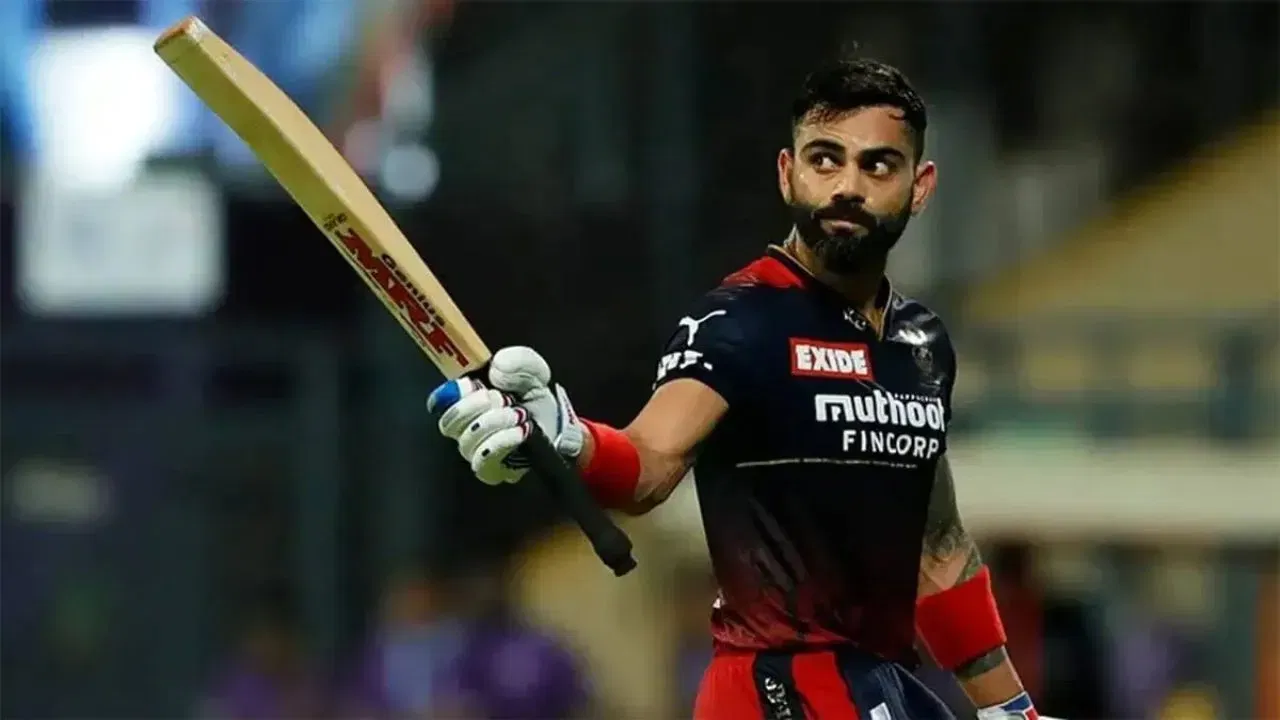
Virat Kohli’s explosive threat during coach’s conspiracy revealed: “Will beat the living hell out of…”

Dinesh Karthik can become head coach of India, England or Australia: Jitesh Sharma makes bold claim
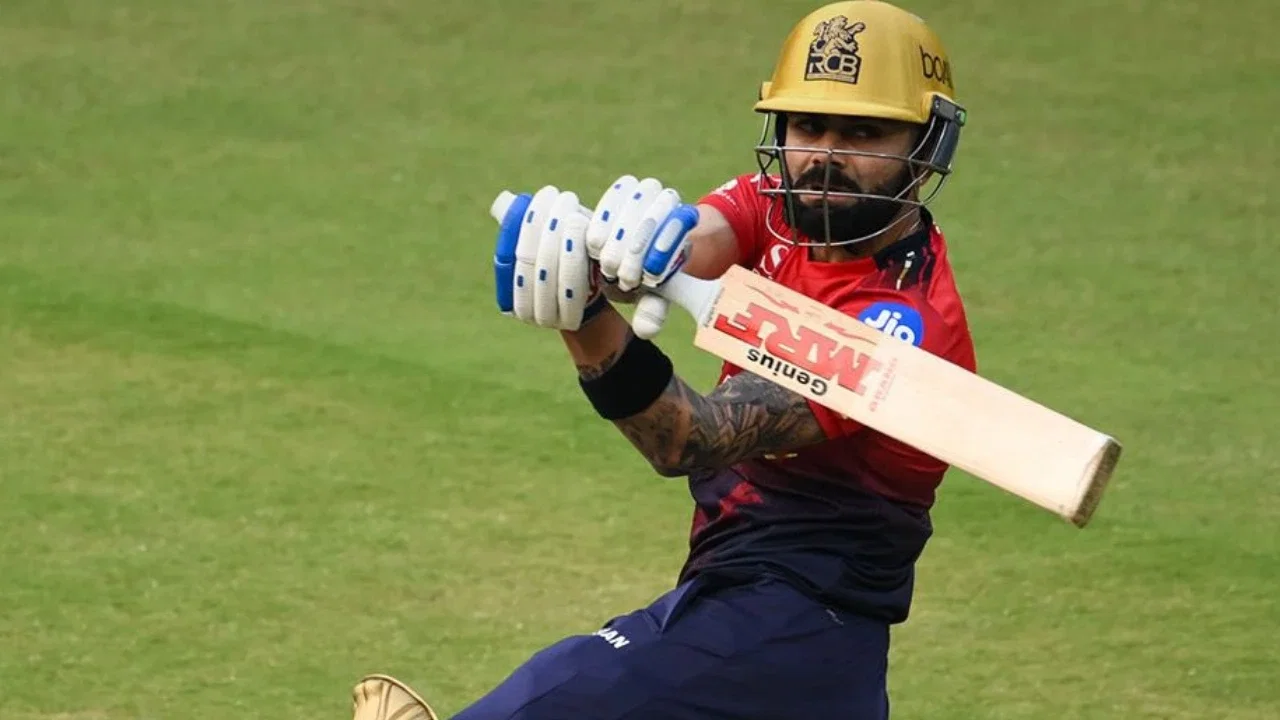
Virat Kohli turns Abhishek Sharma with explosive batting for RCB ahead of IPL 2026

Not Tim Seifert! KKR eye 21-year-old Indian as wicketkeeper for IPL 2026
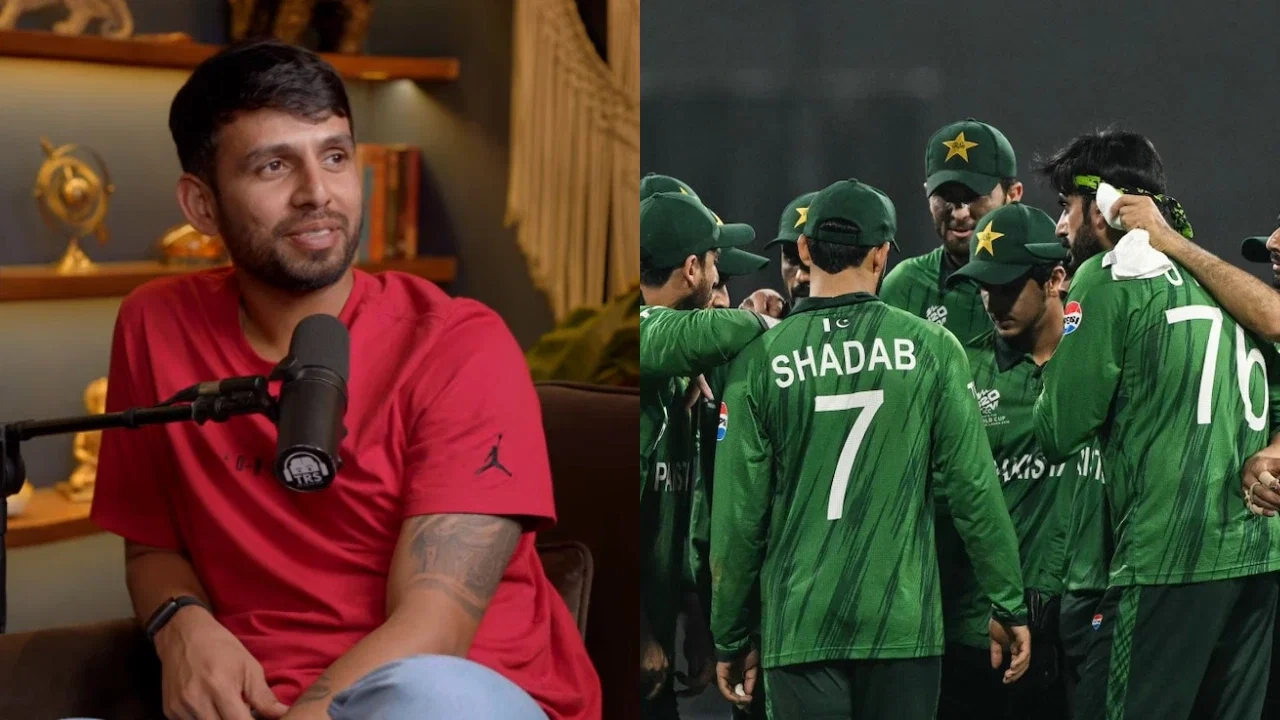
“Itna dete nahi importance inko”: Jitesh Sharma trolls Pakistan, reveals unheard story

‘I liked young MS Dhoni more than the mature one’: Sourav Ganguly drops huge statement
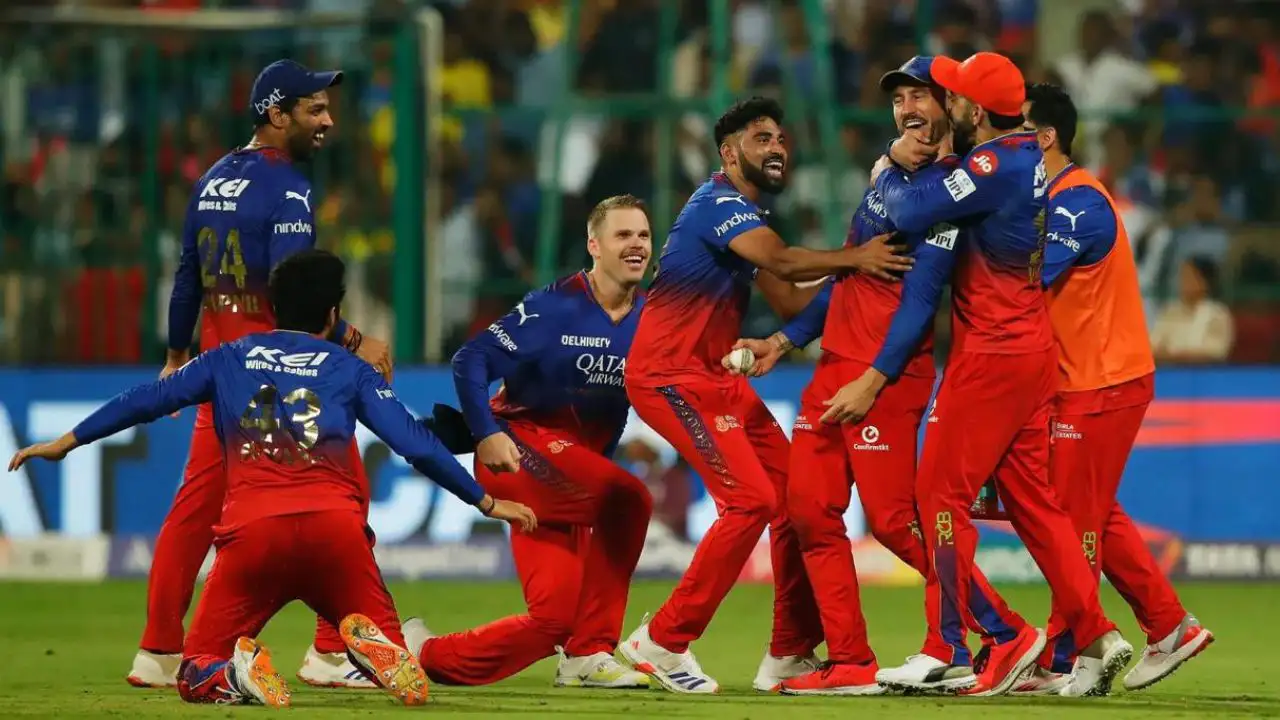
RCB suffer huge blow! SLC blocks Nuwan Thushara’s IPL 2026 participation
Border-Gavaskar Trophy 2027 schedule announced; Ahmedabad among five venues selected
BCCI announces India’s 2026-27 international home season schedule; series vs AUS, WI, SL, ZIM finalized
Irfan Pathan reveals Yuvraj Singh’s secret method to train Rishabh Pant ahead of IPL 2026
Virat Kohli, Rohit Sharma ODI schedule: Full list of matches they will play in India’s 2026-27 home season
Days before RCB vs SRH IPL 2026 match, M. Chinnaswamy Stadium looks like a ‘construction side’
IPL 2026 second-half schedule announcement date revealed by BCCI secretary
LHQ vs HYDK Match Prediction, Pitch & Weather Report, Playing XIs, Head-to-Head, Free Live Streaming – PSL 2026 Match 1