BCB boss claims Mohsin Naqvi brainwashed Bangladesh into anti-India move, T20 World Cup withdrawal
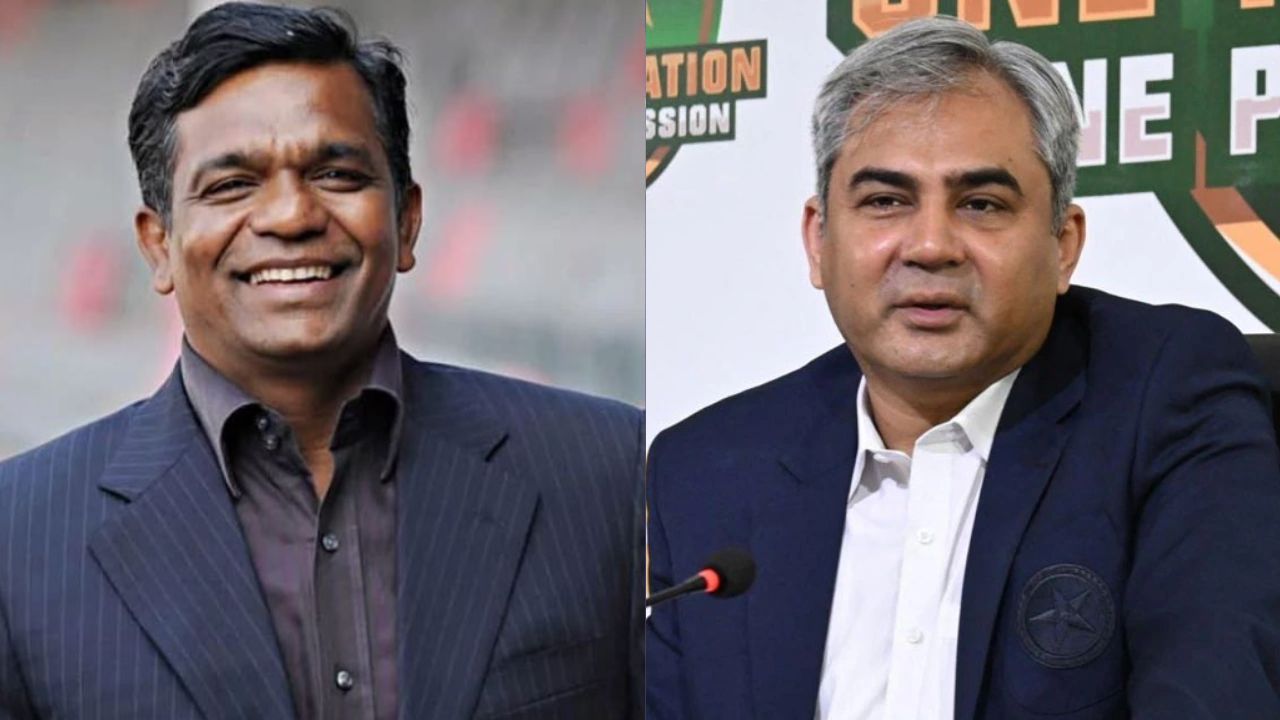
Ending the India-Bangladesh Rift: Insights from Former ACC CEO Ashraful Haque
The long-standing rift between India and Bangladesh may finally see a resolution as the newly elected government aims to address the issues promptly. In an exclusive interview with RevSportz, Syed Ashraful Haque, former Chief Executive Officer (CEO) of the Asian Cricket Council (ACC) and former General Secretary of the Bangladesh Cricket Board (BCB), shared his perspectives on the conflict.
Importance of Relationships in Cricket
During the Season 6 show of Backstage with Boria, Ashraful Haque emphasized the significance of Bangladesh’s government and sports minister understanding the value of maintaining strong relationships with the Indian cricket board. He stressed that such connections are crucial not only with India but also with other national cricket boards globally.
Ashraful Haque reflected on Bangladesh’s position amidst the India-Pakistan rift, suggesting that Bangladesh was caught in the middle of the tensions. When asked if Pakistan influenced Bangladesh’s decision, he hinted at the involvement of Mr. Mohsin Naqvi, the current ACC president, in persuading Bangladeshi officials. He underscored the importance of honesty and commitment in cricket administration.
Impact of the India-Pakistan Conflict on Bangladesh
Regarding Bangladesh’s exclusion from the T20 World Cup due to the rift between India and Pakistan, Ashraful Haque expressed regret over the situation, calling it immature. He acknowledged that anti-Indian sentiment played a role in the government’s decision but highlighted the need for support from Indian cricket administrators.
As a former BCB chief, Ashraful Haque emphasized the financial importance of aligning with India in world cricket. He noted that India, followed by Australia and England, serves as a significant hub in the cricketing world. He shared his past experiences of working closely with Indian cricket authorities to strengthen ties between the two nations.
Challenges Faced by Bangladesh
Bangladesh’s refusal to participate in the T20 World Cup, citing security concerns in India, led to their exclusion from the tournament. Despite reassurances from the ICC, Bangladesh stood firm in their decision, leading to Scotland replacing them in the competition. The controversy escalated when a Bangladeshi player, Mustafizur Rahman, was released from his IPL contract due to anti-India remarks.
While Pakistan supported Bangladesh’s stance, the rift caused financial losses and strained relationships within the cricketing community. The situation underscored the challenges faced by Bangladesh in balancing political tensions with their cricketing aspirations.
In conclusion, Ashraful Haque’s insights shed light on the complex dynamics between India, Bangladesh, and Pakistan in the world of cricket. As efforts are made to mend the rift and strengthen relationships, the cricketing landscape in the region may see positive developments in the near future.
Strategic Partnerships in Cricket
Ashraful Haque’s emphasis on the importance of relationships in cricket extends beyond just diplomatic ties. He highlighted the strategic partnerships that can be forged between cricket boards to enhance the sport’s growth and development. By collaborating with strong cricketing nations like India, Bangladesh can benefit from sharing expertise, resources, and opportunities for player development. Building alliances with key players in the cricketing world can open doors for bilateral tours, exchange programs, and participation in prestigious events.
The Role of Sports Diplomacy in Resolving Conflicts
As a seasoned sports administrator, Ashraful Haque recognizes the potential of sports diplomacy in resolving conflicts and fostering peace between nations. By leveraging the common ground of cricket, countries like India and Bangladesh can transcend political tensions and focus on mutual cooperation. Sports exchanges, friendly matches, and joint initiatives can serve as platforms for building trust, understanding, and goodwill between nations. The power of sports in bridging divides and promoting unity cannot be underestimated, and cricket serves as a powerful tool for diplomacy.
Economic Implications of Cricketing Decisions
Ashraful Haque’s insights shed light on the economic considerations that underpin cricketing decisions. By highlighting the financial importance of aligning with cricketing powerhouses like India, he underscores the need for strategic thinking in managing sports affairs. The revenue generated from international cricket tournaments, broadcasting rights, sponsorships, and endorsements can significantly impact a cricket board’s financial stability and growth. By aligning with economically strong cricketing nations, like India, Bangladesh can secure its financial future in the competitive world of cricket.
Building a Strong Cricketing Ecosystem
Ashraful Haque’s experiences in working closely with Indian cricket authorities reveal the potential for building a robust cricketing ecosystem in the region. By sharing best practices, knowledge, and resources, countries can collectively elevate the standard of cricket and nurture talent at all levels. Developing infrastructure, coaching programs, grassroots initiatives, and youth development pathways can create a sustainable pipeline of talent that benefits all cricketing nations. Collaboration and cooperation between cricket boards can lead to a thriving cricketing ecosystem that promotes excellence, sportsmanship, and growth.
Looking Towards a Unified Future
In conclusion, Ashraful Haque’s insights offer a roadmap for overcoming the rift between India and Bangladesh and paving the way for a unified future in cricket. By prioritizing relationships, strategic partnerships, sports diplomacy, economic considerations, and a strong cricketing ecosystem, countries can navigate challenges, resolve conflicts, and work towards common goals in the world of cricket. As the cricketing landscape evolves, embracing collaboration, unity, and mutual respect can lead to positive developments that benefit players, fans, and the sport as a whole.
Latest News
IPL 2026 second-half schedule announcement date revealed by BCCI secretary
LHQ vs HYDK Match Prediction, Pitch & Weather Report, Playing XIs, Head-to-Head, Free Live Streaming – PSL 2026 Match 1
Aditya Birla Group confirms NO NAME CHANGE plans after RCB takeover
Virat Kohli will win Orange Cap: Jitesh Sharma makes bold IPL 2026 predictions
David Warner tears into Shaheen Afridi and Mohammad Rizwan at PSL captains’ press conference
“Joker and Clueless”: Lalit Modi’s fiery attack on Sanjiv Goenka for his Jay Shah remark after RR–RCB mega sale
IPL 2026: BCCI scraps opening ceremony! Virat Kohli’s RCB linked to shocking decision
Sanju Samson gets huge role as Ruturaj Gaikwad confirms CSK openers for IPL 2026
Prithvi Shaw declares his mission to return to team India begins from IPL 2026
Irfan Pathan questions Arshdeep Singh’s bowling ahead of IPL 2026
“Mind is somewhere else”: Yuvraj’s Father exposes Abhishek Sharma’s indiscipline lifestyle
EX-RCB pacer joins KKR as replacement of Harshit Rana ahead of IPL 2026

“Win our first trophy”: Sanjiv Goenka crowns LSG as champions ahead of IPL 2026
New catching rule? Captains warned over ‘Incomplete’ catches ahead of IPL 2026