BCB cornered as Jay Shah-led ICC prepares warning over T20 World Cup 2026 standoff
Bangladesh Cricket Board Requests Venue Change for ICC T20 World Cup Matches
The Bangladesh Cricket Board’s recent decision to request a change in venue for their scheduled matches in the upcoming ICC T20 World Cup has created a stir in the cricketing world. The BCB’s demand to shift their games from India to Sri Lanka has presented numerous logistical challenges, prompting the ICC to intervene and urge the BCB to reconsider their decision.
Background of the Issue
Following the controversial directive issued by the BCCI to release Mustafizur Rahman from the Kolkata Knight Riders ahead of the IPL season due to political and social conflicts in Bangladesh, the BCB announced their decision not to travel to India for the ICC T20 World Cup 2026. Citing security concerns for their players, team management, media personnel, and spectators, the BCB formally requested a change in venue to Sri Lanka for their matches.
ICC’s Response and Efforts
The ICC has convened several meetings in Mumbai and Dubai involving officials from the BCCI and the BCB to address the venue change request. With only a month left until the tournament, relocating Bangladesh’s matches to Sri Lanka poses significant logistical challenges for the ICC. As a result, the ICC has asked the BCB to reconsider their decision and has offered assurances of top-level security if the matches are played in India.
Despite the ICC’s efforts to mediate between the BCCI and the BCB to resolve the conflict, the BCB is reportedly seeking approval from their government before making a final decision. In preparation for any eventuality, the ICC is formulating a contingency plan to address the situation.
Security References and Precedents
In an attempt to reassure the BCB about security measures in India, the ICC may highlight the successful hosting of the ICC ODI World Cup 2023, where Pakistan participated despite political tensions with India. Drawing parallels to this event, the ICC aims to convince Bangladesh to reconsider their stance and play their matches in India.
As part of the tournament structure, Bangladesh is grouped with England, the West Indies, Nepal, and Italy, with matches scheduled to take place at iconic venues such as the Eden Gardens in Kolkata and Mumbai.
Impact on ICC and Stakeholders
The ICC acknowledges that any changes to the schedule would not only affect the group stage matches but also the subsequent Super-8 stage if Bangladesh progresses. With ticket sales already underway, the complexity of the situation is heightened by Bangladesh’s firm stance on the venue change.
According to a veteran ICC administrator, efforts will be made to persuade Bangladesh to play in India, considering the implications for teams, fans, broadcasters, and media personnel. The ICC is committed to finding a resolution that ensures the successful hosting of the ICC T20 World Cup while addressing the concerns raised by the BCB.
Overall, the situation remains fluid as the ICC, BCB, and BCCI navigate through the challenges and work towards a mutually agreeable solution for the upcoming tournament.
Challenges of Venue Change
Relocating matches from India to Sri Lanka at such short notice poses numerous challenges for both the BCB and the ICC. From travel arrangements to accommodation and ticketing logistics, the shift in venue requires a comprehensive restructuring of plans. Additionally, broadcasting rights and sponsorships tied to specific venues may need to be renegotiated, adding another layer of complexity to the situation.
Furthermore, the emotional impact on fans who had planned to attend matches in India cannot be overlooked. Many supporters had made travel arrangements and booked tickets to witness the ICC T20 World Cup in India, only to face uncertainty due to the potential change in venue. Balancing the interests of fans, players, and stakeholders in light of the venue change request is a delicate task that the cricketing bodies must navigate.
Political and Social Dynamics
The political and social dynamics between countries can significantly influence decisions related to cricket tournaments. The recent tensions between India and Bangladesh, exemplified by Rahman’s release from the IPL team, have underscored the interconnected nature of sports and geopolitics. While sports have the power to unite nations, they can also become a battleground for political posturing and national pride.
In this context, the BCB’s decision to seek an alternative venue reflects not only concerns about the safety of their players but also the broader socio-political considerations that influence international sporting events. The delicate balance between sportsmanship and national interests is a recurring theme in cricket diplomacy and adds a layer of complexity to the current situation.
The Future of Cricket Tournaments
As cricket continues to grow as a global sport, the management of international tournaments faces evolving challenges. From ensuring the safety and well-being of players to balancing the interests of multiple stakeholders, organizing major events like the ICC T20 World Cup requires a delicate dance of diplomacy and logistics. The current venue change request serves as a reminder of the intricate web of factors that shape the landscape of international cricket.
Looking ahead, cricketing bodies must be prepared to navigate political sensitivities, security concerns, and logistical hurdles to uphold the spirit of the game and provide fans with a memorable sporting experience. The resolution of the current venue dispute will set a precedent for how future conflicts between cricketing nations are managed and resolved, shaping the future of cricket tournaments on the global stage.
Conclusion
As the countdown to the ICC T20 World Cup continues, the spotlight remains on the negotiations between the BCB, BCCI, and ICC regarding the venue change request. The outcome of these discussions will not only impact the upcoming tournament but also have broader implications for the future of cricket diplomacy and international sporting events.
Ultimately, finding a balance between sporting competition, political considerations, and logistical challenges is essential to ensure the successful hosting of the ICC T20 World Cup and uphold the spirit of cricket as a unifying force across borders. The resolution of the venue change request will serve as a testament to the resilience and adaptability of cricketing bodies in navigating complex interplay of factors in the world of international cricket.
Latest News
Yograj Singh makes blunt remark at Virat Kohli and Rohit Sharma over early retirement calls
Bhuvneshwar Kumar on brink of IPL history, needs two wickets for massive milestone
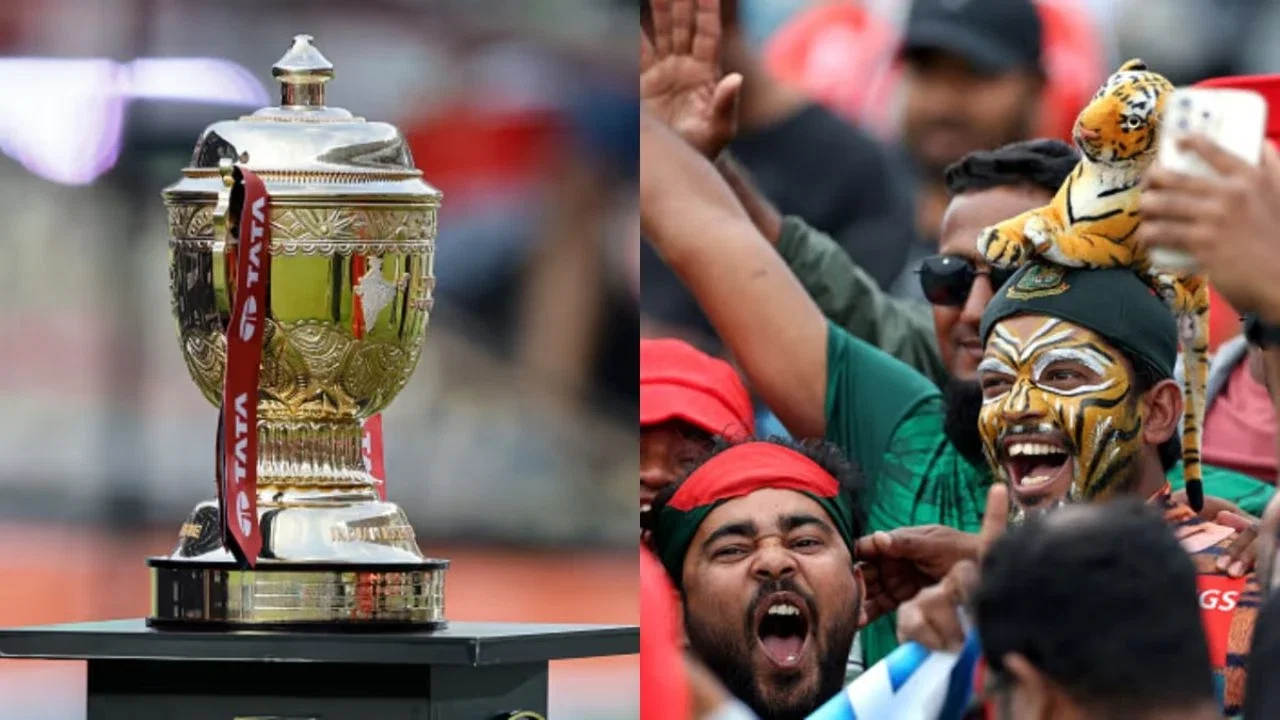
IPL to be broadcasted? Bangladesh government drops massive update on IPL broadcast ban

SRH fans to boycott IPL? Former India cricketer shares insights on social media drama around Abrar Ahmed
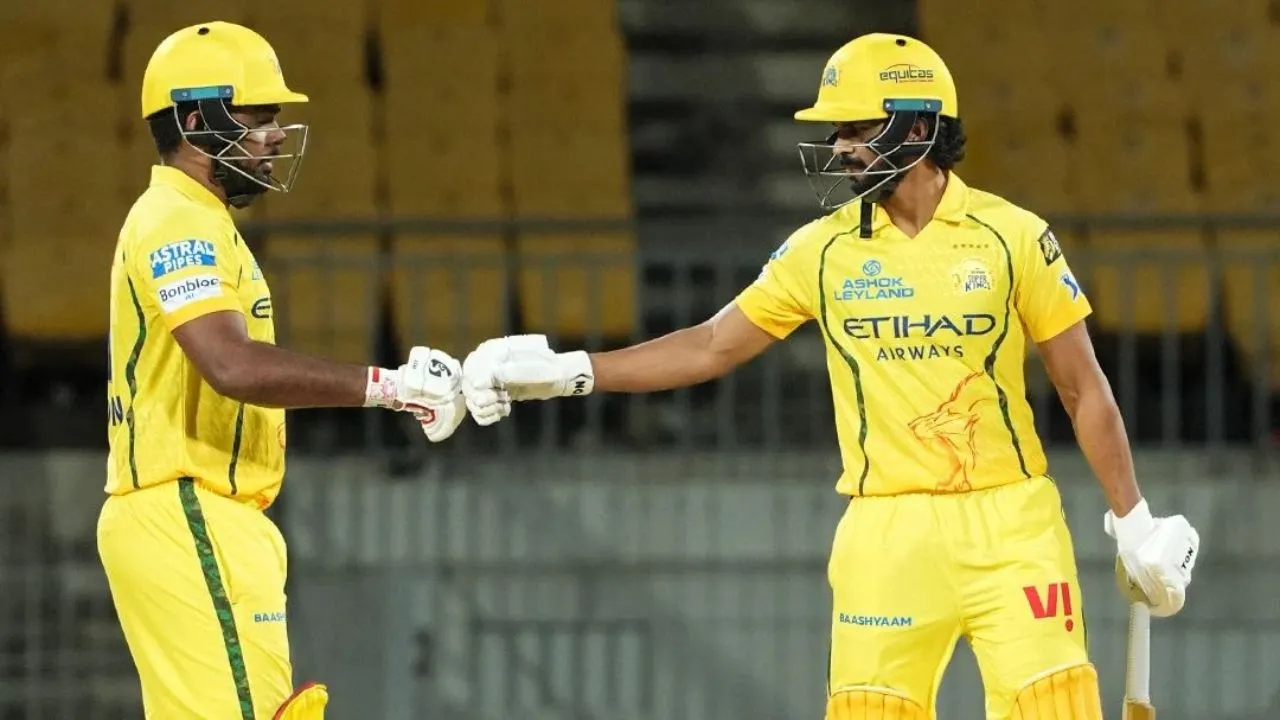
“Explore this opportunity”: Ruturaj Gaikwad shares inside story of convincing Sanju Samson to join CSK
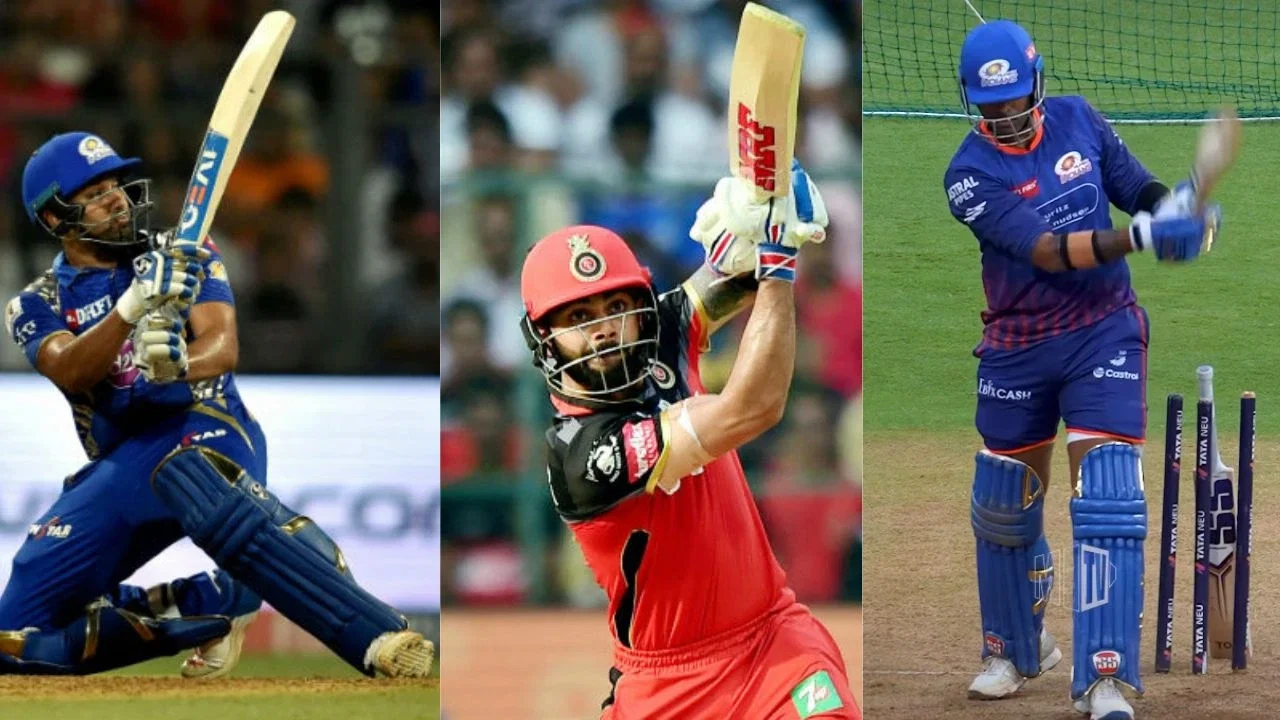
KKR pacer snubs Rohit Sharma, Virat Kohli, picks MI star as most difficult batter he’s bowled to

PSL drama erupts! Pakistan great blasted for “lack of manners” after embarrassing ex-England star
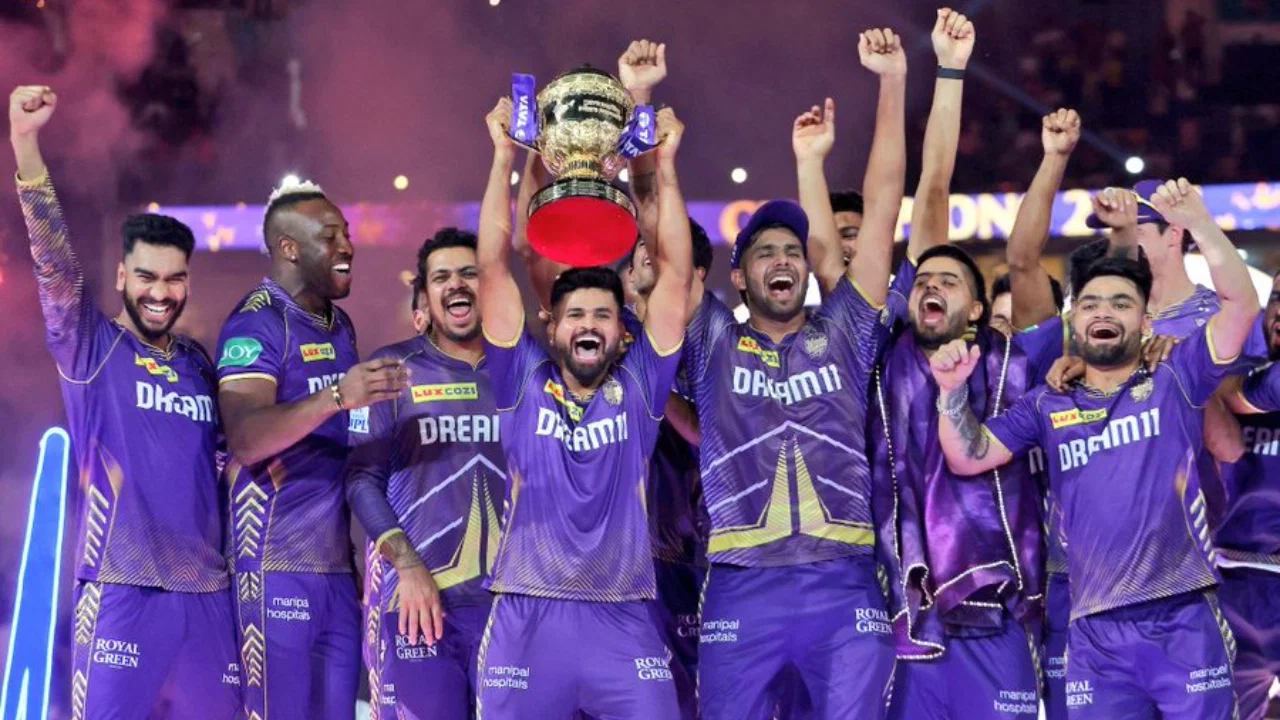
“2024 mein woh underrated the” – Vaibhav Arora on Shreyas Iyer not getting credit for KKR title win

Devon Conway settles IPL vs PSL debate once and for all
Ex-CSK star’s shocking claim on RCB vs SRH match ahead of IPL 2026

Misbah-ul-Haq takes legal action against Ahmed Shehzad over defamation claims

Naseem Shah charged with central contract violation during PSL 2026
MS Dhoni out of IPL 2026, has not recovered from calf strain

Jasprit Bumrah set to lead MI attack in blockbuster IPL 2026 clash vs KKR