BCB exposed beyond repair as Bangladesh cricketers hold explosive press conference; ICC intervention looms
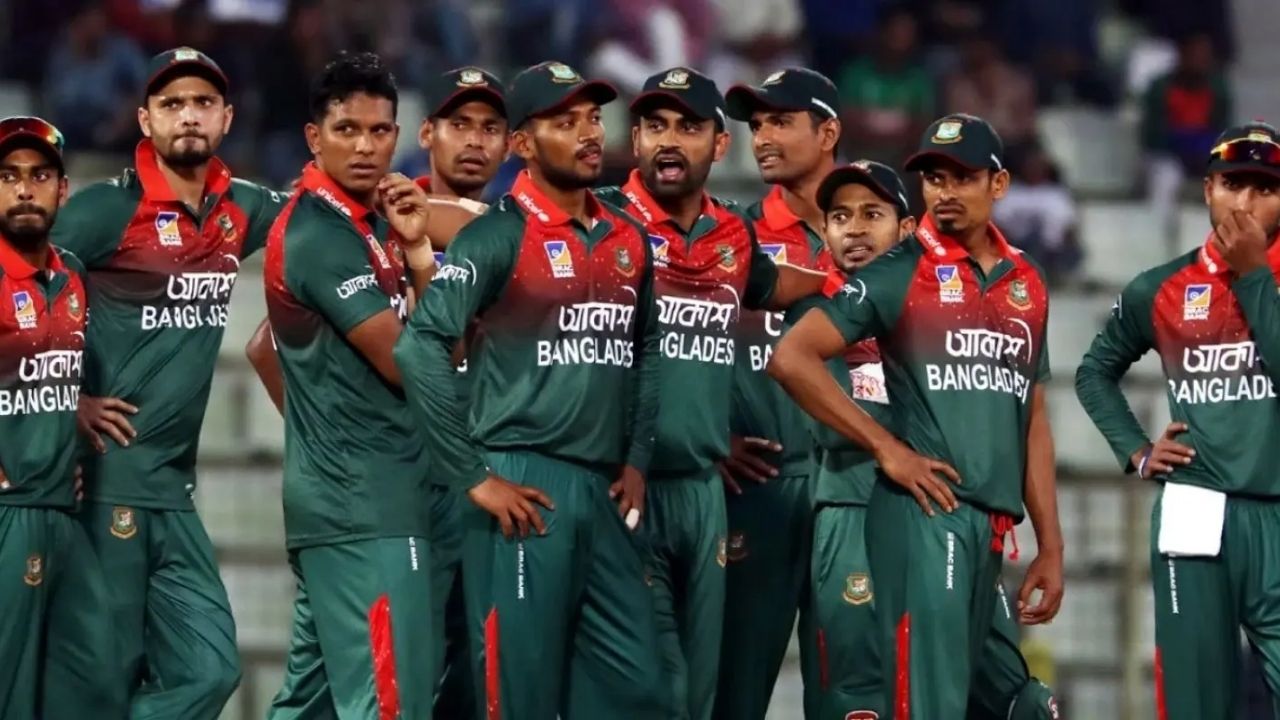
Bangladesh Cricketers Demand Resignation of BCB Director for Playing in ICC T20 World Cup 2026
The Bangladesh Cricket Board (BCB) has been issued an ultimatum by the Bangladesh cricketers, demanding a written assurance that the Director, Najmul Islam, will resign within the next 48 hours. The cricketers have made it clear that they will only play the second game today if their demands are met; otherwise, they are prepared to halt the Bangladesh Premier League (BPL) once again.
A Stand Against Anti-Bangladesh Movements
The tension between the BCB and the cricketers stems from the decision to not travel to India for the ICC T20 World Cup after Mustafizur Rahman was snubbed from the upcoming IPL edition of 2026. This decision was made in response to anti-Bangladesh movements in the country. However, former player Tamim Iqbal advised the BCB to reconsider their stance.
BCB Director Najmul Islam, however, referred to Tamim Iqbal as an ‘Indian agent’ and warned that players would face financial repercussions if Bangladesh did not participate in the T20 World Cup 2026 in India.
Crucial Intervention from Cricketers and Welfare Association
The Cricketers Welfare Association of Bangladesh (CWAB) has come to the aid of the Bangladesh cricketers and Tamim Iqbal. The CWAB has publicly demanded Najmul’s resignation and threatened a boycott if the standoff continues, raising the stakes ahead of key fixtures.
After intense negotiations, the BCB has agreed to the cricketers’ terms and has indicated that the official resignation would take approximately 48 hours. The cricketers have insisted on a written confirmation that Najmul Islam will resign within this timeframe before they proceed to play today’s game.
Strong Protest from Bangladesh Cricketer Mehidy Hasan Miraz
Bangladesh cricketer Mehidy Hasan Miraz has strongly condemned the comments made by BCB Director Najmul Islam, describing them as not only deeply disappointing but also damaging to the public perception of how Bangladesh cricketers are compensated.
Miraz emphasized that the financial stability of the BCB is directly linked to the players’ performances on the field. He stated that the money the board possesses is a result of the hard work and dedication of the players who represent Bangladesh in international matches.
Highlighting the importance of ICC tournaments in generating revenue for the sport, Miraz reiterated that the players play a crucial role in attracting sponsors and securing ICC revenues, which ultimately contribute to the financial well-being of the BCB.
Call for Accountability and Respect in Sports
Miraz’s protest against the disparaging remarks from the BCB Director underscores the need for accountability and respect within the sports industry. He emphasized that such comments not only reflect poorly on individual players but also tarnish the reputation of the entire sports community.
As the standoff between the cricketers and the BCB continues, the future of Bangladesh’s participation in the upcoming ICC T20 World Cup 2026 remains uncertain. The demands for accountability, respect, and fair treatment of players echo loudly in the cricketing world, urging governing bodies to prioritize the welfare and dignity of athletes.
Impact of Player Power in Cricket Administration
The recent events surrounding the Bangladesh cricketers’ demand for the resignation of BCB Director Najmul Islam highlight the growing influence of players in cricket administration. In an era where athletes are becoming increasingly vocal about their rights and welfare, the power dynamics within cricket boards are shifting.
Players like Tamim Iqbal and Mehidy Hasan Miraz are not only exceptional athletes on the field but also advocates for fair treatment and respect off the field. Their willingness to challenge the decisions of cricketing authorities demonstrates a new era of player empowerment, where athletes are no longer content to just follow orders but demand accountability and transparency from governing bodies.
Financial Stability and Player Performance
Mehidy Hasan Miraz’s assertion that the financial stability of the BCB is intricately linked to the players’ performances sheds light on the symbiotic relationship between athletes and cricket boards. While boards provide opportunities and resources for players to excel, it is ultimately the players’ success on the field that drives revenue and sustains the financial health of the board.
By speaking out against the threat of financial repercussions from the BCB Director, Miraz underscores the significant contributions players make to the economic viability of cricket organizations. Their performances not only attract sponsors and fans but also generate revenue through competitions like the ICC tournaments.
Importance of Respect in Sports Governance
The call for accountability and respect in sports, as voiced by Mehidy Hasan Miraz, resonates beyond the boundaries of Bangladesh cricket. It serves as a reminder to all governing bodies that the treatment of athletes can have a lasting impact on the reputation of the sport as a whole.
Respecting players’ rights, acknowledging their contributions, and valuing their voices are crucial aspects of effective sports governance. By fostering a culture of mutual respect and open communication between players and administrators, cricket boards can create a more harmonious and productive environment for all stakeholders involved in the sport.
Looking Ahead: The Future of Player-Board Relations
As the standoff between the Bangladesh cricketers and the BCB unfolds, the outcome of this power struggle will likely set a precedent for future player-board relations in cricket and beyond. The willingness of players to stand up for their rights and demand accountability from governing bodies marks a significant shift in the traditional power dynamics within the sport.
Moving forward, it is essential for cricket boards worldwide to recognize the agency and influence of players in shaping the future of the sport. By fostering a collaborative and respectful relationship with athletes, boards can ensure a more equitable and sustainable framework for cricket administration, promoting the well-being and success of players at the heart of the game.
In conclusion, the events surrounding the demand for Najmul Islam’s resignation by the Bangladesh cricketers serve as a poignant reminder of the evolving landscape of sports governance, where player empowerment, financial stability, and mutual respect play pivotal roles in shaping the future of cricket administration.
Latest News
Mitchell Santner keeps Matt Henry’s availability in semi-final a mystery
‘There is a clear direction’: Aiden Markram FIRES warning shot at New Zealand ahead of T20 WC semi-final
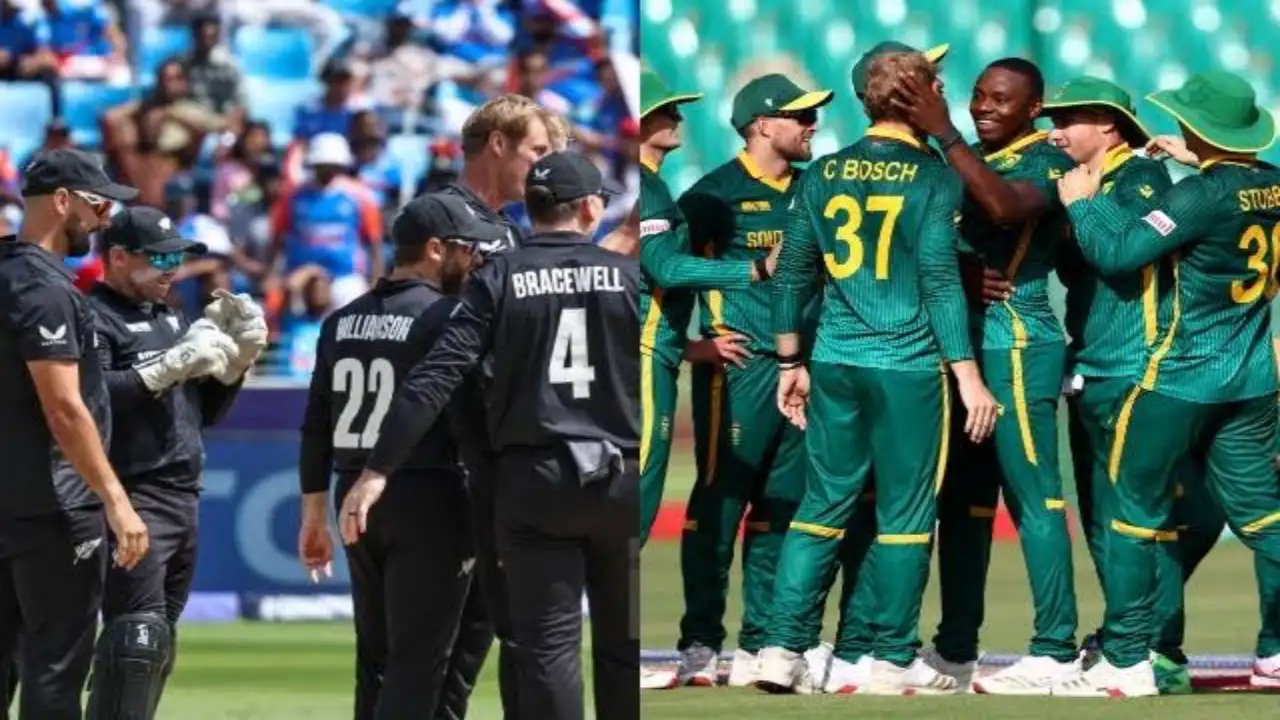
SA vs NZ Preview – 1st Semi-Final: Free Live Streaming, Pitch & Weather Report, Head-to-head | T20 World Cup 2026
SA vs NZ Match Prediction – Who Will Win 1st Semi-Final? | T20 World Cup 2026
South Africa Playing XI vs New Zealand Playing XI – 1st Semi-Final | ICC T20 World Cup 2026
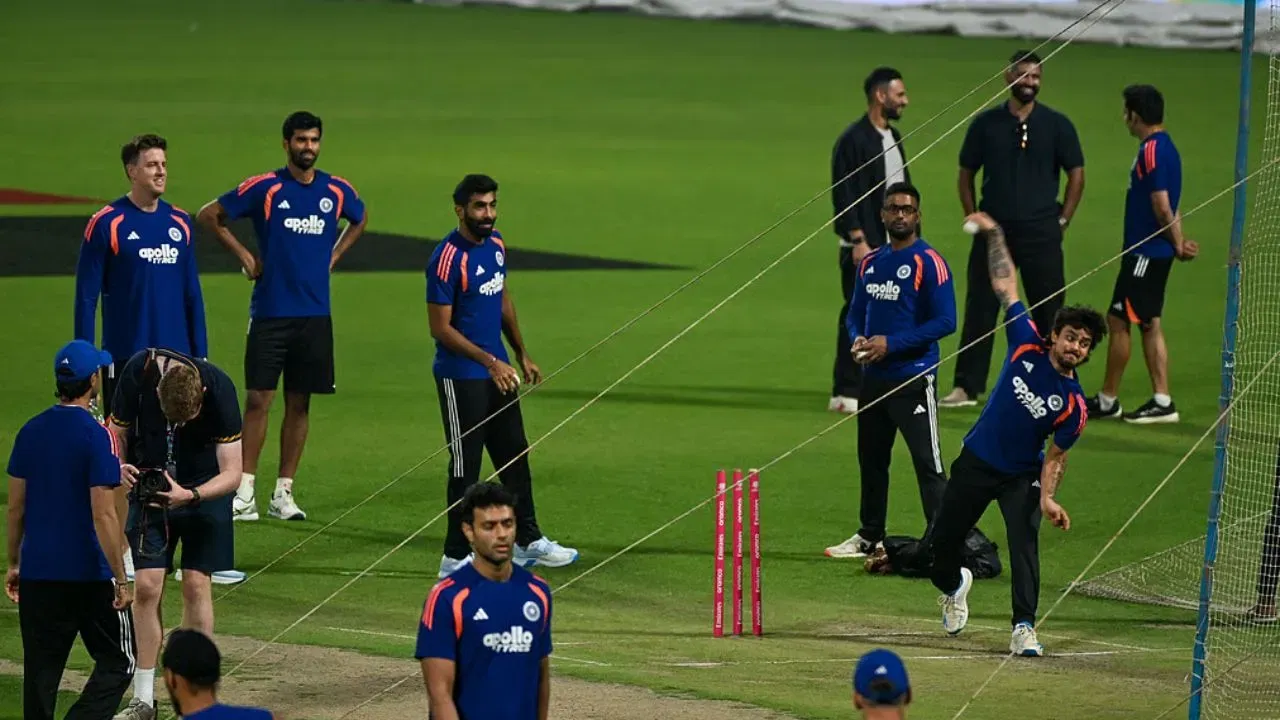
Secret Training Move! India change strategy before T20 WC clash vs England
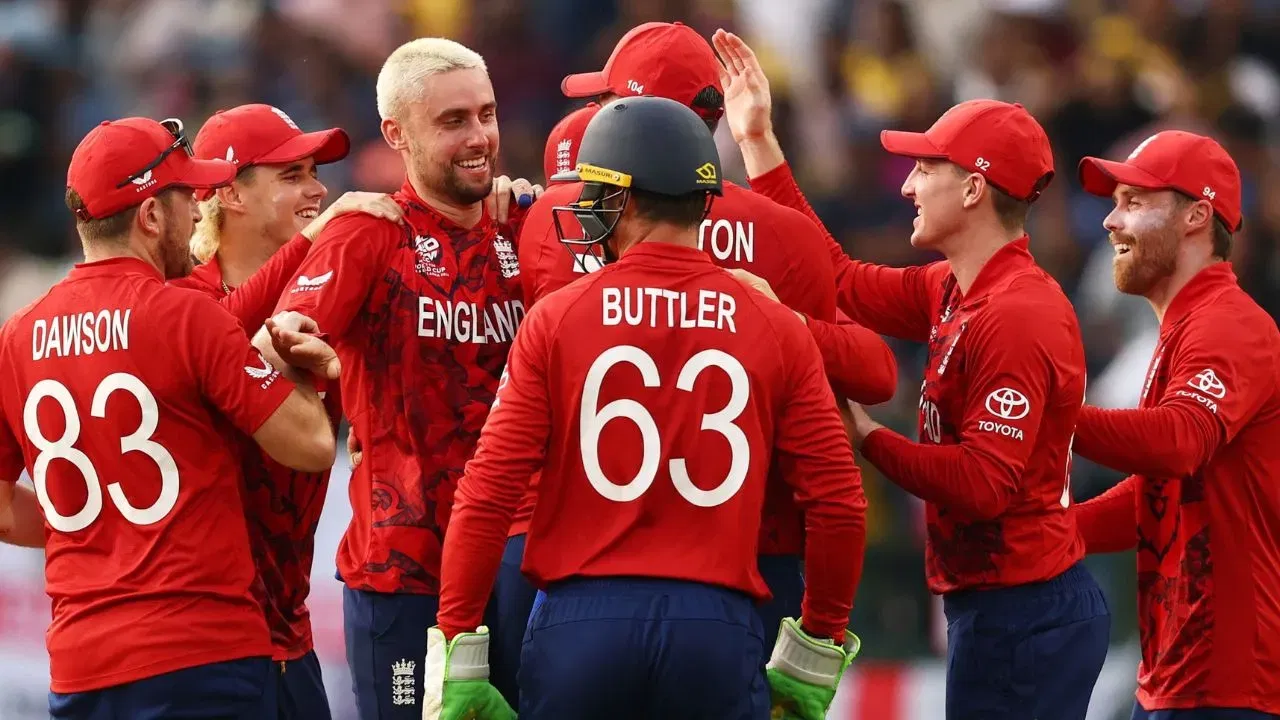
Ex-England captain FIRES warning to India batters ahead of T20 WC semi-final clash
South Africa vs New Zealand semi-final result announced by Faf du Plessis, Anil Kumble
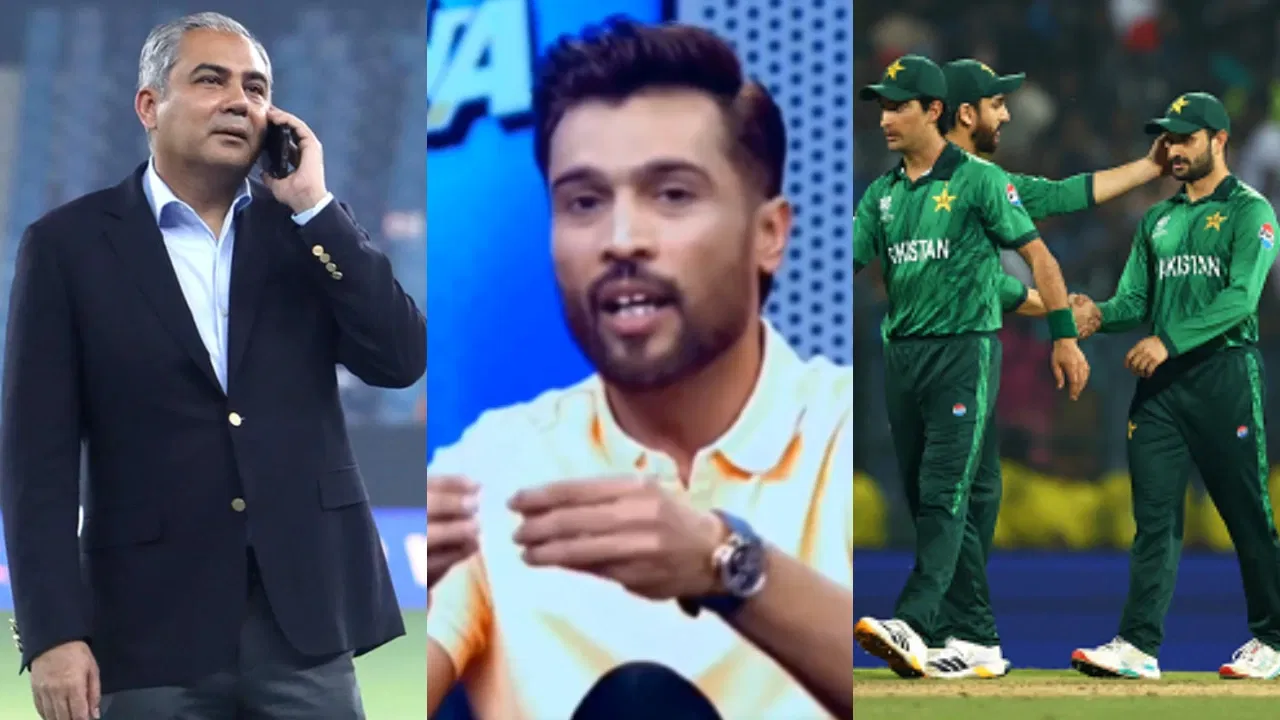
“Players ne gunpoint pe…”: Mohammad Amir attacks Mohsin Naqvi over fines on Pakistan stars
Kapil Dev INSULTS Sanju Samson, refuses to acknowledge his heroics vs WI
Sam Curran prays for more pain for Abhishek Sharma, fires Pat Cummins-like warning
Virat Kohli ready to become RCB captain again! Official statement issued before IPL 2026
Virat Kohli’s RCB denied full home advantage in IPL 2026; Chinnaswamy gets just 5 games
Sanju Samson elevated by CSK captain to next level ahead of IPL 2026