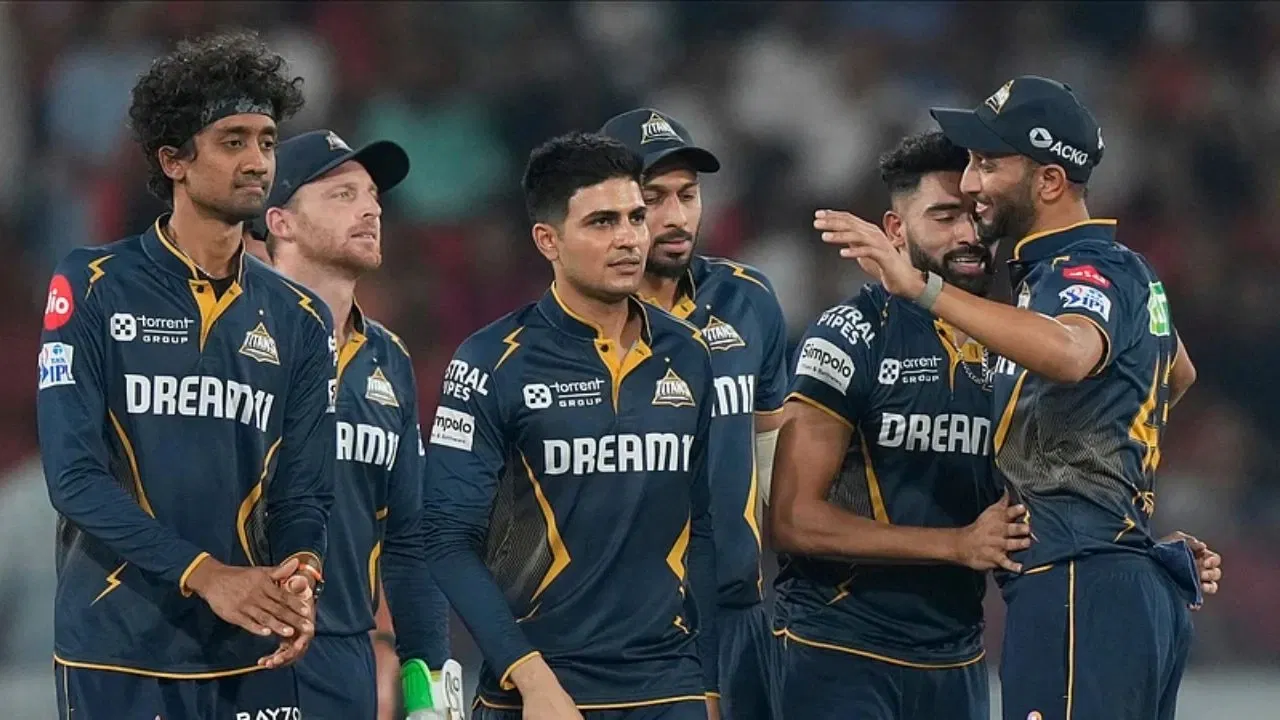
BCB goes rogue against Jay Shah, launches written attack over T20 World Cup amid India-Bangladesh rift
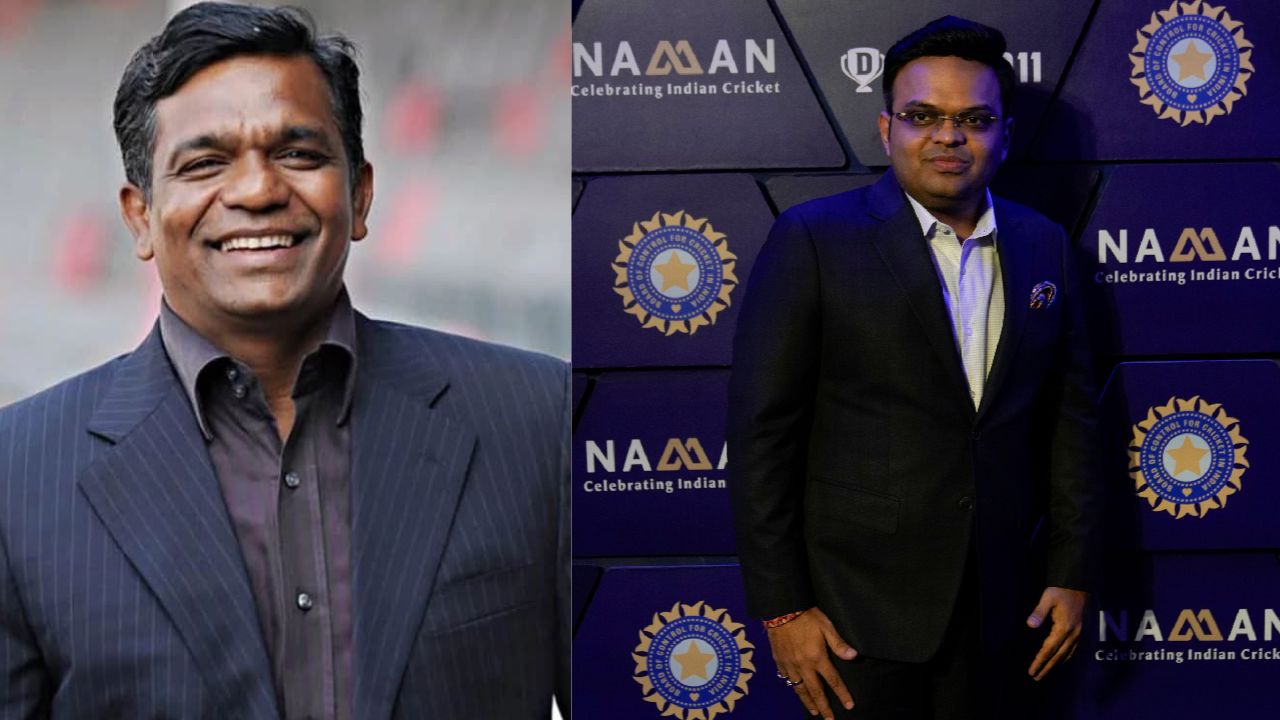
Bangladesh Cricket at a Crossroads Ahead of ICC T20 World Cup 2026
The Bangladesh cricket team is currently facing a critical juncture just weeks before the ICC T20 World Cup 2026 is set to begin on February 7 in India and Sri Lanka. The situation has been escalating with each passing day, as tensions between Bangladesh and India have intensified, turning the tournament venues into a political drama.
BCB’s Fight with ICC
The Bangladesh Cricket Board (BCB) has escalated its dispute with the International Cricket Council (ICC) by sending a second official letter demanding that Bangladesh’s ICC T20 World Cup 2026 matches be relocated from India to Sri Lanka due to security concerns. This request came after the Board of Control for Cricket in India (BCCI) removed Bangladesh pacer Mustafizur Rahman from the IPL 2026 squad following political pressure.
The controversy surrounding Rahman’s removal stemmed from backlash against the signing of the player due to the ongoing situation of Hindu minorities in Bangladesh. The situation worsened after a Hindu man was killed, leading to the Bangladesh government banning the telecast of IPL matches in the country and the BCB deciding not to play its matches in India.
BCB’s Stand
Despite being scheduled to play four group-stage matches in India, the BCB remains adamant about not participating in the ICC T20 World Cup 2026 matches in the country. The board has intensified its fight with the ICC, with support from sports ministry advisor Asif Nazrul, who has been firm in their stance.
While the ICC has requested clarity on the security concerns raised by Bangladesh, the BCB has not publicly disclosed the specific reasons for their apprehensions. Despite the lack of public announcement from the ICC, discussions between the two parties have continued, with the BCB outlining its concerns in detail.
Division Within the BCB
Opinions within the BCB are divided, with some members supporting Nazrul’s tough stance on player safety, while others believe that ongoing discussions with the ICC and Indian authorities could lead to a resolution through strengthened security measures. As of now, there is no indication that the ICC is willing to relocate Bangladesh’s matches from Kolkata and Mumbai to Colombo, but the BCB remains hopeful that the security issues raised will be addressed.
In conclusion, Bangladesh cricket finds itself at a crucial juncture as the ICC T20 World Cup 2026 approaches, with tensions running high and uncertainties looming over the team’s participation in the tournament. The BCB’s fight with the ICC underscores the importance of player safety and the complexities of navigating political issues within the realm of international sports.
Potential Impacts on Bangladesh Cricket
The ongoing dispute between the BCB and the ICC regarding the relocation of Bangladesh’s matches in the ICC T20 World Cup 2026 could have significant implications for Bangladesh cricket as a whole. If the BCB’s demands are not met and the matches remain in India, there is a possibility that Bangladesh may face sanctions or penalties from the ICC for not fulfilling their fixture obligations. This could result in financial losses, damaged relationships with other cricketing nations, and a tarnished reputation for the Bangladesh team.
Furthermore, the controversy surrounding Mustafizur Rahman’s removal from the IPL 2026 squad has highlighted the intersection of sports and politics in Bangladesh. The BCB’s decision not to play in India due to political tensions reflects the broader challenges faced by the cricketing community in navigating complex socio-political issues that can impact player safety and international relations.
International Support and Diplomacy
As the situation escalates, there have been calls for international support and diplomatic intervention to resolve the dispute between the BCB and the ICC. Diplomatic efforts could help facilitate discussions between the concerned parties and find a mutually agreeable solution that ensures the safety and well-being of the players while upholding the integrity of the tournament.
International cricketing bodies, such as the Asian Cricket Council and the International Cricket Council, could play a pivotal role in mediating the conflict and finding a resolution that satisfies all parties involved. By engaging in diplomatic dialogue and promoting transparency, these organizations can help de-escalate tensions and ensure that the ICC T20 World Cup 2026 proceeds smoothly.
Future of Bangladesh Cricket
Regardless of the outcome of the current dispute, the events leading up to the ICC T20 World Cup 2026 have shed light on the challenges and complexities that Bangladesh cricket faces in the international arena. Moving forward, it will be essential for the BCB to prioritize open communication, strategic decision-making, and a proactive approach to addressing political and security concerns that may impact the team’s participation in future tournaments.
By learning from the experiences of the current situation and leveraging international support and diplomacy, Bangladesh cricket can navigate future challenges more effectively and ensure that the team’s success and sustainability are not compromised by external factors beyond their control.
In conclusion, the developments surrounding the ICC T20 World Cup 2026 have placed Bangladesh cricket at a critical crossroads, highlighting the need for careful navigation of political sensitivities, player safety concerns, and international relations. As the tournament approaches, the fate of Bangladesh’s participation hangs in the balance, with implications that extend beyond the sporting realm and into the realm of diplomacy and international cooperation.
Latest News
RCB Playing XI vs SRH Playing XI – Match No. 1 | IPL 2026
Delhi Capitals IPL 2026 Full Schedule: DC Fixtures, Dates, Timings and Venues | Squad and Coaches
PSZ vs RWP Match Prediction, Pitch & Weather Report, Playing XIs, Head-to-Head, Free Live Streaming – PSL 2026 Match 3
Rajasthan Royals IPL 2026 Full Schedule: RR Fixtures, Dates, Timings and Venues | Squad and Coaches
Mumbai Indians add Akash Madhwal for IPL 2026 amid suspense over Jasprit Bumrah’s availability
Kolkata Knight Riders IPL 2026 Full Schedule: KKR Fixtures, Dates, Timings and Venues | Squad and Coaches
Sunrisers Hyderabad IPL 2026 Full Schedule: SRH Fixtures, Dates, Timings and Venues | Squad and Coaches
RCB vs SRH Match Prediction – Who Will Win Match No.1? | IPL 2026
KL Rahul will win the Orange Cap in IPL 2026 if…: Ravichandran Ashwin makes bold claim
RCB coach rules Josh Hazlewood out of IPL 2026 opener, Pat Cummins update arrives
Kamran Akmal trolls Pakistan Super League after Hyderabad Kingsmen jersey turns ball pink
Prithvi Shaw backed to dominate IPL 2026 by Irfan Pathan
Rohit Sharma loses cool! Hits car, ignores fans in shocking moment before IPL 2026
RCB vs SRH Match No. 1 Preview: Free Live Streaming, Pitch & Weather Report, Head-to-Head | IPL 2026