BCB planning to criminalize match-fixing after BPL scandal
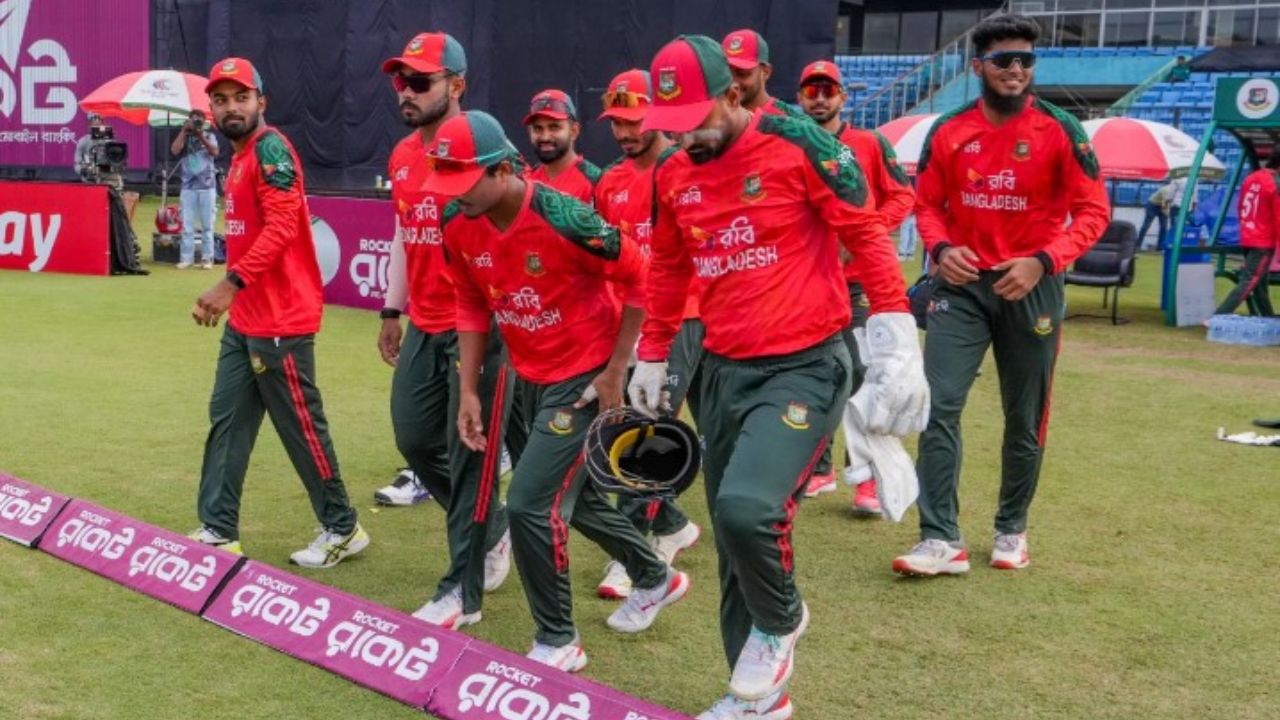
BCB Urges Bangladesh Government to Criminalize Match-Fixing
In the wake of recent investigations into the Bangladesh Premier League (BPL) match-fixing scandal, the Bangladesh Cricket Board (BCB) is making efforts to introduce a new law that would criminalize the offense of match-fixing in the country. This move comes after the new interim government of Bangladesh took over and the BCB President assumed responsibility for addressing match-fixing issues within the domestic T20 tournament.
Match-Fixing Scandal Unveiled
During the previous BPL season, an investigation committee uncovered several suspicious incidents that hinted at match-fixing. These events included unusual patterns of bowling and batting, with some players deliberately bowling wides and delivering questionable balls to influence match outcomes. Most of the players implicated in the scandal were over the age of 35, making their return to international cricket highly unlikely.
The BCB, along with the government of Bangladesh, is now pushing for the enactment of a law that would criminalize match-fixing, holding those involved accountable for their actions. Players, team officials, and others implicated in the scandal would face bans from participating in cricket activities.
BCB’s Efforts to Combat Match-Fixing
BCB’s integrity counsel, Mahim M. Rahman, revealed that nine cricketers have already been barred from participating in this year’s BPL auction based on a comprehensive 900-page report detailing match-fixing and corruption within the Bangladesh Cricket Board. Rahman emphasized the need for a clear legal framework to address such issues effectively.
According to Rahman, the BCB is planning to engage directly with government authorities to establish a specific law against match-fixing, similar to measures taken in countries like Sri Lanka. The proposed legislation would be independent of the Penal Code of Bangladesh, enabling courts to prosecute individuals involved in match-fixing under a separate statute dedicated to cricket-related offenses.
Plans Post-Bangladesh General Elections
While current accused individuals are being dealt with under existing Anti-Corruption Code and Gambling Act provisions, Rahman stressed the importance of having a single comprehensive law to streamline enforcement efforts. Discussions with the government to finalize the proposed legislation will commence after the upcoming Bangladesh general elections on February 12.
Rahman expressed optimism that a dedicated law against match-fixing would provide a structured framework for combating corruption in cricket and serve as a deterrent for potential offenders. By aligning with international practices and criminalizing match-fixing, Bangladesh aims to uphold the integrity of the sport and protect its reputation on the global stage.
As the BCB and the government work together to address match-fixing, cricket fans hope that these efforts will strengthen the country’s stance against corruption in sports and promote fair play and transparency within the cricketing community.
Global Perspective on Match-Fixing
The issue of match-fixing is not unique to Bangladesh but is a global concern that has plagued the world of sports, including cricket. Across various sports disciplines, match-fixing scandals have tarnished the integrity of competitions and undermined the trust of fans. Organizations like the International Cricket Council (ICC) have been actively working to combat corruption in cricket through measures such as the Anti-Corruption Code and the establishment of the Anti-Corruption Unit.
Match-fixing not only impacts the outcome of matches but also erodes the values of sportsmanship and fair play. Players who engage in such activities not only betray the trust of their fans but also jeopardize the credibility of the sport they represent. By criminalizing match-fixing, countries like Bangladesh are sending a strong message that unethical practices will not be tolerated in cricket or any other sport.
Education and Awareness Programs
In addition to legal measures, education and awareness programs play a crucial role in preventing match-fixing. By educating players, officials, and stakeholders about the consequences of engaging in corrupt practices, the cricketing community can create a culture of integrity and transparency. Training sessions on ethics, anti-corruption protocols, and reporting mechanisms can empower individuals to uphold ethical standards and report any suspicious activities.
Furthermore, collaborations between sports governing bodies, law enforcement agencies, and educational institutions can strengthen efforts to combat match-fixing. By fostering partnerships and sharing best practices, countries can enhance their capabilities to detect, investigate, and prosecute individuals involved in match-fixing schemes.
Technological Innovations in Anti-Corruption Measures
In the digital age, technological innovations have become valuable tools in the fight against match-fixing. Data analytics, artificial intelligence, and blockchain technology can be utilized to monitor betting patterns, detect anomalies in performances, and track financial transactions related to match-fixing. By leveraging these tools, sports organizations can proactively identify suspicious activities and take swift action to maintain the integrity of the sport.
Moreover, the use of whistleblower hotlines, encrypted communication channels, and integrity monitoring systems can encourage individuals to report incidents of match-fixing without fear of retaliation. Creating a safe and secure reporting environment is essential in building trust and encouraging stakeholders to come forward with information that can help expose and prevent corruption in sports.
Conclusion
The criminalization of match-fixing in Bangladesh represents a significant step towards eradicating corruption from cricket and upholding the values of fairness and honesty in sports. By enacting dedicated legislation and collaborating with government authorities, the BCB is demonstrating its commitment to preserving the integrity of the game and protecting the interests of players, fans, and all stakeholders.
As Bangladesh moves forward with its efforts to combat match-fixing, it sets an example for other countries to follow in strengthening their anti-corruption measures and safeguarding the future of sports. By working together, the cricketing community can ensure that the spirit of the game remains untarnished and that fair competition prevails on the field.
Latest News
Matheesha Pathirana IPL return date revealed, set to miss two matches

Living Like Prince: Shubman Gill Buys a Massive ₹20.7 Cr Luxury Home in Juhu.
Not Vaibhav Sooryavanshi! Shashank Singh points out the most exciting young batter in IPL 2026
Rohit Sharma will perform better than Virat Kohli in IPL 2026, claims South Africa GOAT
Ravichandran Ashwin set to team up with Haris Rauf for San Francisco Unicorns in MLC
Jasprit Bumrah, Matheesha Pathirana injury updates: MI, KKR coaches issue official medical bulletin
Why are RCB players wearing black armbands today vs SRH in IPL 2026 Match 1?
RCB vs SRH Impact Players Today: Toss Report, Playing XIs, Latest Updates IPL 2026 Match 1
Yograj Singh makes blunt remark at Virat Kohli and Rohit Sharma over early retirement calls
Bhuvneshwar Kumar on brink of IPL history, needs two wickets for massive milestone
IPL to be broadcasted? Bangladesh government drops massive update on IPL broadcast ban

SRH fans to boycott IPL? Former India cricketer shares insights on social media drama around Abrar Ahmed
“Explore this opportunity”: Ruturaj Gaikwad shares inside story of convincing Sanju Samson to join CSK
KKR pacer snubs Rohit Sharma, Virat Kohli, picks MI star as most difficult batter he’s bowled to