BCCI ally likely to become next BCB President as Bulbul lobby ends in Bangladesh governance
New BCB President to Improve India-Bangladesh Cricket Relations
End of Bulbul Influence and Beginning of a New Era
After the recent change in government in Bangladesh, the Bangladesh Cricket Board (BCB) is set to usher in a new era under the leadership of a new president. This shift in power is expected to pave the way for stronger cricketing relations between India and Bangladesh, marking a significant turning point in the tumultuous history of the two boards.
For years, tensions have simmered between the BCCI and the BCB, leading to strained relations and missed opportunities for collaboration. The decisions made by the former BCB president, influenced by the Bulbul lobby, often hindered progress and failed to prioritize the interests of Bangladesh cricket.
A New Ally for the BCCI
With the appointment of a pro-India ally as the potential new president of the BCB, there is hope for a fresh start in the relationship between the two cricketing boards. This new leadership is expected to focus on bridging the gap and fostering better communication and cooperation between India and Bangladesh.
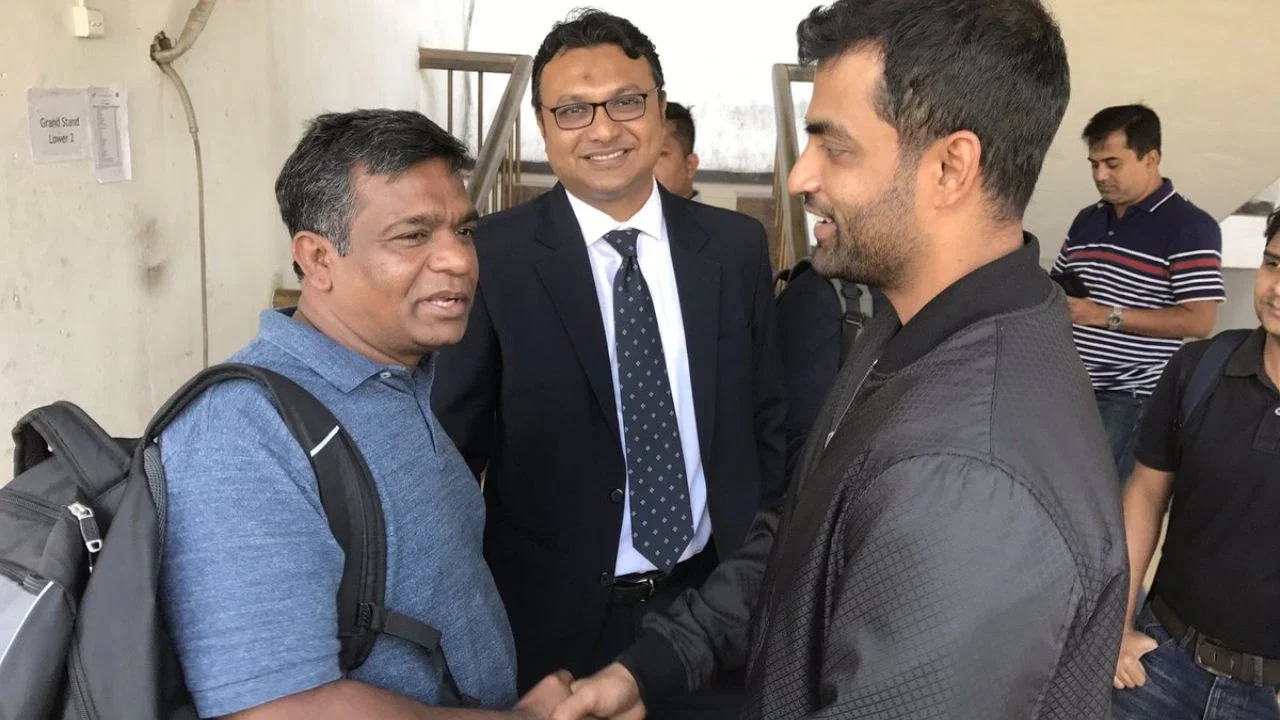
Former Bangladesh captain Tamim Iqbal has emerged as a frontrunner for the presidency, known for his pro-Indian stance and commitment to improving ties with the BCCI. The shift in power within the BCB signals a desire for change and a willingness to prioritize the long-term benefits of a harmonious relationship with India.
Resuming Cricketing Ties
Under the new government, efforts are being made to resume cricketing activities between India and Bangladesh. The BCB has expressed its interest in hosting India for a three-match ODI and T20I series, scheduled for the August-September window. This series could serve as a stepping stone towards rebuilding trust and fostering a spirit of sportsmanship between the two nations.
Furthermore, Bangladesh has been awarded the hosting rights for an upcoming ICC tournament before the 2027 ODI World Cup, providing another opportunity to strengthen cricketing ties with India. Despite past altercations with the ICC, Bangladesh is also being considered for hosting the next Under-19 World Cup, showcasing the growing confidence in the country’s ability to organize international cricket events.
A Positive Outlook for India-Bangladesh Relations
The recent statements made by key figures in both the BCCI and the BCB have generated optimism for the future of India-Bangladesh cricket relations. The willingness to engage in dialogue, prioritize mutual interests, and work towards common goals bodes well for the long-term partnership between the two cricketing nations.
As Bangladesh prepares to welcome India for upcoming series and tournaments, the stage is set for a new chapter in the history of cricketing relations between the two countries. With a renewed focus on collaboration, respect, and sportsmanship, the future looks bright for India-Bangladesh cricket.
Impact of Improved Relations on Cricketing Landscape
The anticipated improvement in India-Bangladesh cricket relations is not only significant for the two cricket boards but also for the broader cricketing landscape in the region. A harmonious relationship between India and Bangladesh can open up opportunities for bilateral series, joint initiatives, and talent exchange programs that can benefit players, coaches, and fans on both sides.
Collaborative efforts in coaching clinics, youth development programs, and talent scouting can help enhance the overall standard of cricket in both countries. With India’s vast experience and resources in the sport, Bangladesh stands to gain valuable insights and expertise that can contribute to the growth and development of cricket within the country.
Strengthening Asian Cricket Powerhouse
India and Bangladesh, as two prominent cricketing nations in Asia, have the potential to form a strong alliance that can influence the dynamics of cricket in the region. By working together on various cricketing initiatives, the two countries can create a formidable force that can compete with other cricketing powerhouses on the international stage.
Furthermore, improved relations between India and Bangladesh can lead to the formation of a united front in matters concerning Asian cricket governance, scheduling, and tournament hosting. By aligning their interests and goals, India and Bangladesh can amplify their voices and influence within the global cricketing community, shaping the future of the sport in the region.
Enhancing Fan Engagement and Commercial Opportunities
Stronger cricketing relations between India and Bangladesh can also have a positive impact on fan engagement and commercial opportunities in both countries. With the prospect of more frequent matches and series between the two teams, fans on both sides can look forward to exciting cricketing contests that can reignite the passion and enthusiasm for the sport.
From a commercial standpoint, improved relations between India and Bangladesh can attract sponsors, broadcasters, and investors who see the potential in the collaboration between two cricketing giants. Joint marketing campaigns, merchandise collaborations, and broadcast deals can create new revenue streams and business opportunities that can benefit the cricketing ecosystem in both countries.
Building a Sustainable Partnership
As India and Bangladesh embark on this new chapter of their cricketing relationship, it is essential to focus on building a sustainable partnership that transcends individual leadership changes and political transitions. By laying a strong foundation of trust, respect, and cooperation, the two boards can ensure a long-lasting alliance that benefits not only the current generation of players and fans but also future generations of cricket enthusiasts.
Ultimately, the improved India-Bangladesh cricket relations have the potential to reshape the cricketing landscape in the region, foster a spirit of camaraderie and sportsmanship, and create a legacy of collaboration that can inspire cricketing nations around the world.
Latest News
Top 10 highest run-chases in T20 cricket history, ft. West Indies’ Ranchi win vs India
Aaryavir Sehwag and Anvay Dravid set to make headlines at U19 Asia Cup 2026
Longest ducks in Test cricket history ft. Nic Maddinson, Shoaib Akhtar
ECB to offer 39 central contracts to England players after Ben Stokes, Mark Wood’s retirement
Steve Smith surpasses Steve Waugh in all-time Test run-scorers’ list

Shane Watson identifies Gautam Gambhir’s biggest problem as India struggle for consistency
Is Bhuvneshwar Kumar in India’s 2027 World Cup plans? Ajinkya Rahane makes revelation
BCCI’s big ₹127 Crore move after injury crisis raises concerns over Team India
Parthiv Patel reveals RCB ignored his Jasprit Bumrah recommendation in IPL 2014 Auction
“Never spoke ill of any faith”: Irfan Pathan hits back at fake news using his name
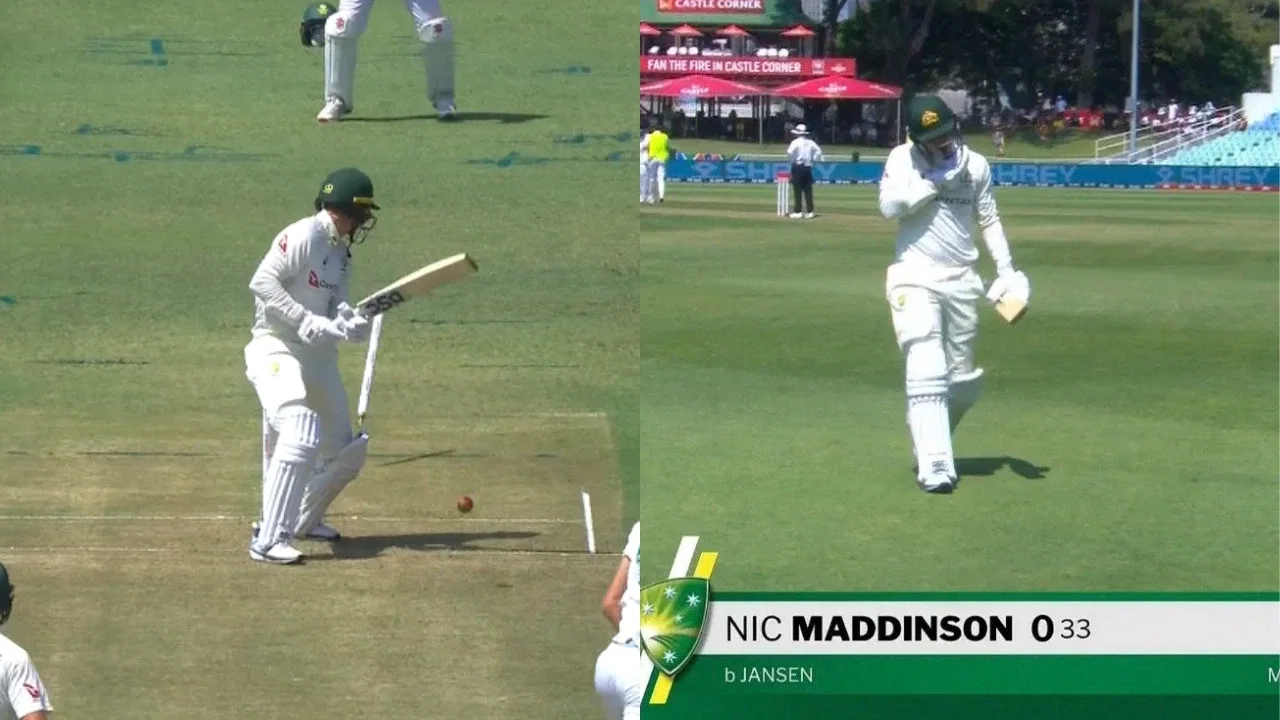
Nic Maddinson bags 33-ball duck on Test comeback, disappoints George Bailey
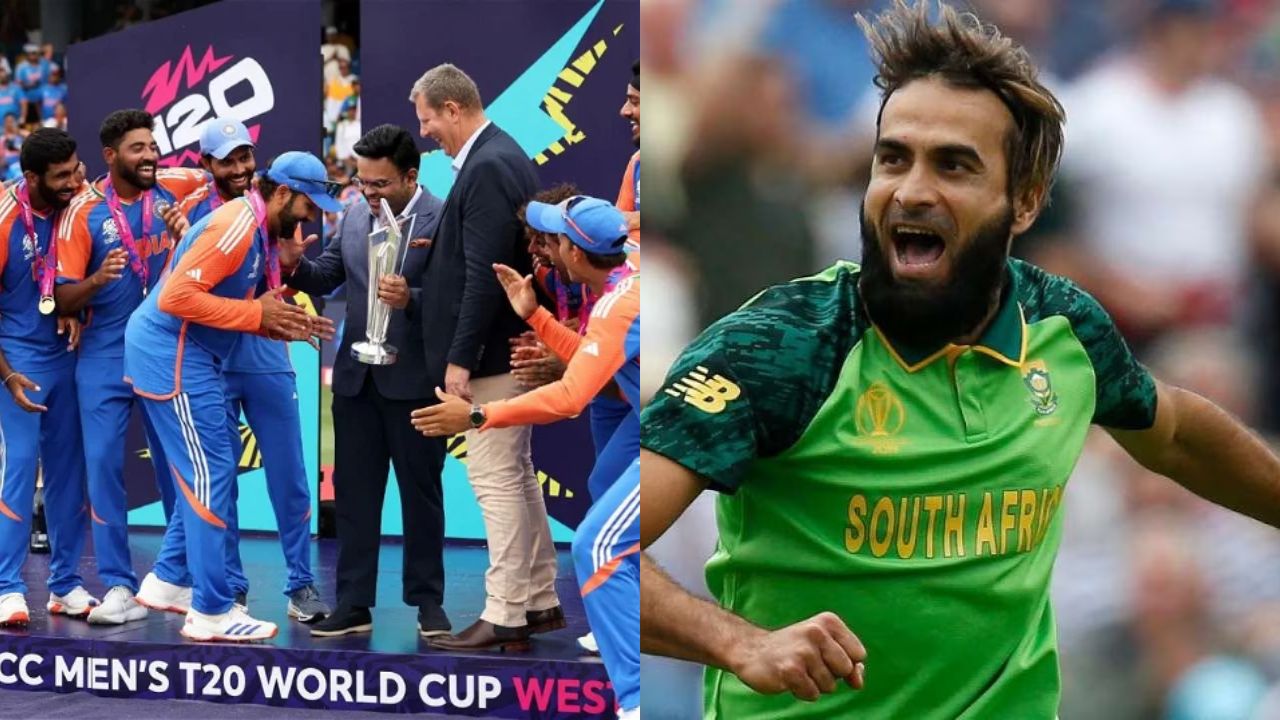
Imran Tahir predicts 2027 ICC ODI World Cup Semi-Finalists, snubs India for title
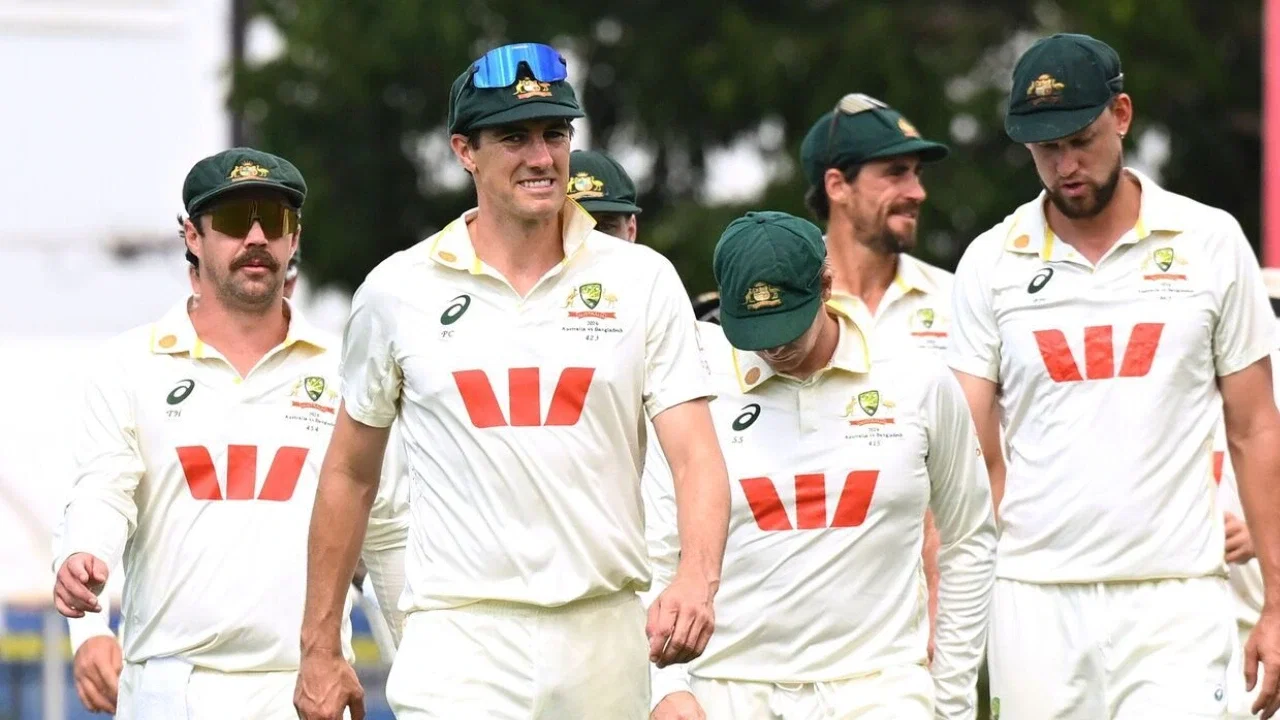
Australia create unwanted history with first all-30-plus Test XI
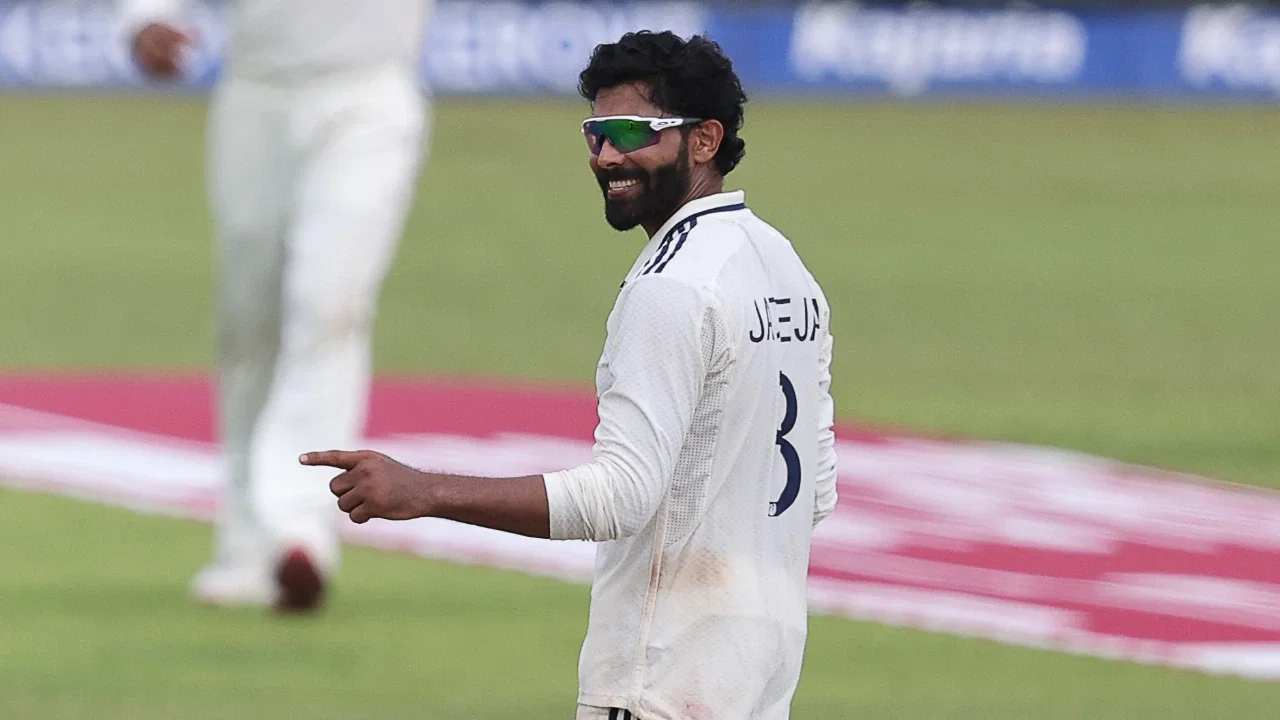
Ravindra Jadeja returns to Ranji Trophy as Saurashtra announce squad