BCCI bans video analyst for making ‘corrupt approach’ after T20 World Cup 2026
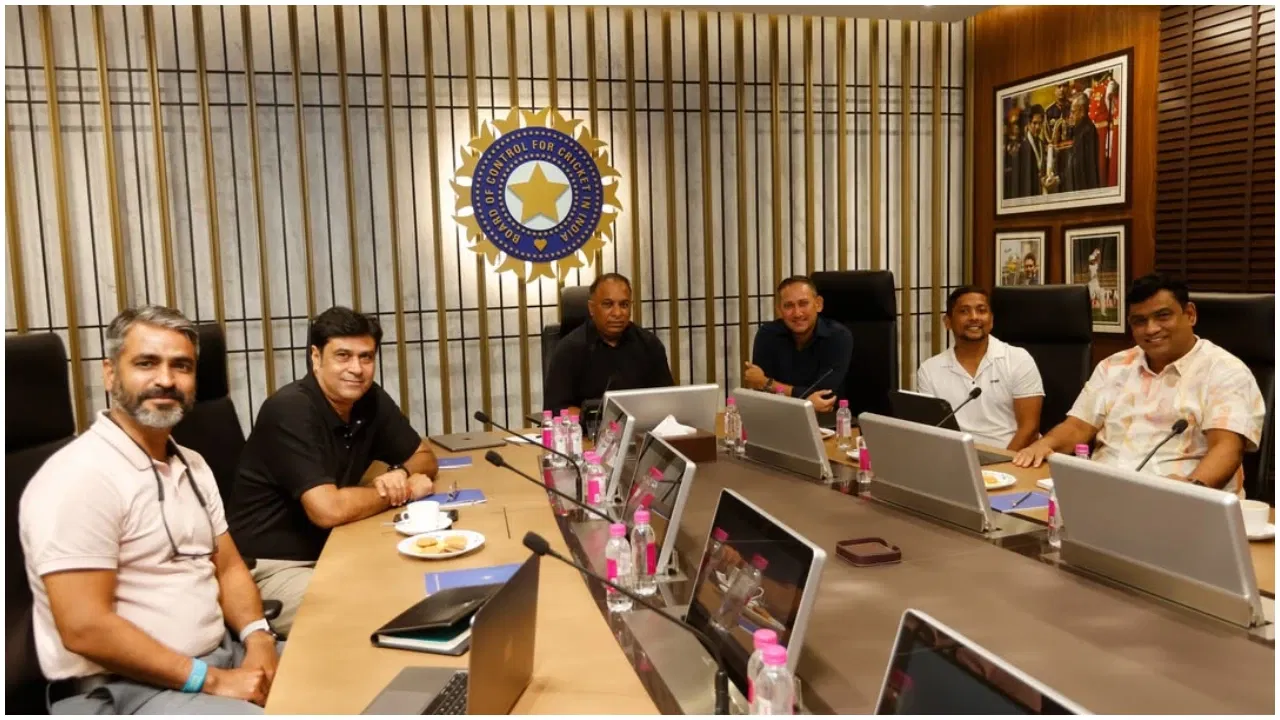
BCCI Bans Video Analyst Raja Reddy for Corrupt Approach
In a shocking turn of events, the Board of Control for Cricket in India (BCCI) has taken a strict stance against video analyst Raja Reddy for allegedly making a ‘corrupt approach’ to Andhra player Girinath Reddy before the 2023-24 Ranji Trophy quarterfinals against Madhya Pradesh at the Holkar Stadium in Indore. This move was initiated by BCCI ombudsman, Arun Kumar Mishra, a former judge of the Supreme Court, who ordered the ban on Raja Reddy.
The Investigation Process
The decision to ban Raja Reddy came to light through an official release by the BCCI. Dheeraj Malhotra, Manager of the Anti-Corruption Unit at BCCI, thoroughly investigated the matter before submitting the final report to the ombudsman. Based on the findings of the report, Arun Kumar Mishra ordered the ban on Reddy.
According to the official statements released by BCCI, the incident came to light when Girinath Reddy reported the corrupt approach made by Raja Reddy in relation to the quarterfinal match of the Ranji Trophy Tournament. The player immediately informed his Team Manager, Jugal Kishore, who then reported the incident to the Anti-Corruption and Security Unit (ACSU) of the BCCI, triggering a detailed inquiry into the matter.
Allegations Against Raja Reddy
During the investigation process, various forms of communication such as phone calls, WhatsApp chats, emails, and screenshots were scrutinized involving Girinath Reddy, Jugal Kishore, and Raja Reddy. Despite Raja attempting to delete the conversations with the player, Girinath Reddy cooperated with the officials, allowing the investigation to proceed.
Ultimately, Raja Reddy was found guilty of multiple acts as per the BCCI’s regulations and was subsequently banned by the Board of Ombuds. The specific allegations against him include:
- Seeking, accepting, offering, or agreeing to accept bribes to influence match results improperly.
- Soliciting, inducing, or facilitating participants to breach anti-corruption provisions.
Implications of the Ban
The ban on Raja Reddy sends a clear message that BCCI has a zero-tolerance policy towards any form of corruption or unethical behavior in cricket. This action reinforces the board’s commitment to maintaining the integrity and credibility of the sport.
As the news of the ban circulates within the cricketing community, it serves as a warning to all individuals associated with the sport to uphold the highest standards of ethics and fair play. The BCCI’s proactive approach in addressing such issues showcases their dedication to preserving the sanctity of cricket and ensuring a level playing field for all teams and players.
With the ban on Raja Reddy, BCCI sets a precedent for stringent action against any form of corruption, sending a strong message that unethical practices will not be tolerated in Indian cricket.
Impact on Player Confidence
One crucial aspect that often gets overlooked in such instances of corruption is the impact it can have on the players involved. In this case, Girinath Reddy’s decision to report the corrupt approach made by the video analyst was commendable. It not only demonstrates his commitment to playing the game ethically but also highlights the importance of maintaining the trust and integrity within the team.
For a young player like Girinath Reddy, being approached with a corrupt offer could have been a disheartening experience. By taking the right course of action and reporting the incident, he not only upheld the values of the game but also protected himself and his team from being embroiled in a potential scandal.
Preventive Measures and Education
While the BCCI’s swift action in banning Raja Reddy is commendable, it also raises questions about the measures in place to prevent such incidents from occurring in the future. This incident underscores the importance of ongoing education and awareness programs for players, support staff, and officials to recognize and report any suspicious activity.
Implementing robust anti-corruption measures, conducting regular workshops, and fostering a culture of transparency and integrity are essential in safeguarding the sport from the threats of corruption. By investing in prevention and education, cricketing bodies can empower individuals to make the right choices and protect the sanctity of the game.
Transparency and Accountability
The transparency exhibited by the BCCI in handling the case of Raja Reddy is a positive step towards maintaining accountability within the organization. By conducting a thorough investigation and publicly announcing the ban, the BCCI sends a clear message that no one is above the rules, and any breaches of integrity will be dealt with swiftly and decisively.
This transparency not only builds trust within the cricketing community but also acts as a deterrent to those contemplating unethical practices. It sets a standard for transparency and accountability that other cricket boards and sports organizations can look to emulate in their own governance and disciplinary processes.
Collaboration with International Bodies
Cricket is a global sport, and the issues of corruption and match-fixing transcend borders. In light of this, it is essential for cricketing bodies like the BCCI to collaborate with international organizations such as the International Cricket Council (ICC) and other national boards to combat corruption collectively.
By sharing information, best practices, and resources, cricketing bodies can strengthen their efforts in safeguarding the integrity of the sport on a global scale. This collaborative approach not only enhances the effectiveness of anti-corruption measures but also demonstrates a united front in upholding the values of fair play and honesty in cricket.
Conclusion
The ban on video analyst Raja Reddy by the BCCI serves as a reminder of the ongoing battle against corruption in cricket. While such incidents may tarnish the reputation of the sport, the proactive measures taken by governing bodies like the BCCI are crucial in preserving the integrity of cricket and protecting the values it stands for.
Moving forward, continued vigilance, education, transparency, and collaboration will be key in maintaining a clean and trustworthy environment for players, officials, and fans alike. The actions taken in response to cases of corruption not only punish the wrongdoers but also reinforce the commitment to upholding the spirit of cricket and ensuring a level playing field for all.
Latest News
Ali Tareen accuses Mohsin Naqvi of silencing him with ‘legal undertaking’ over PSL criticism

“Thumke maarne lag jaate hain” – Ahmed Shehzad hilariously trolls Mohammad Rizwan’s batting technique
Ex-CSK star questions Rishabh Pant’s form ahead of IPL 2026
BCCI bans video analyst for making ‘corrupt approach’ after T20 World Cup 2026
“No More Personal Milestones”- Suryakumar Yadav ATTACKS Rohit Sharma and Virat Kohli after winning T20 World Cup 2026
“Wish to be part of a World Cup-winning team”: Sai Sudharsan challenges Abhishek Sharma for T20I spot
India’s insane 2026 cricket calendar revealed! New series vs Sri Lanka, Zimbabwe, Ireland lined up
Suryakumar Yadav reveals Axar Patel dressing room controversy: ‘He was angry, I apologized’
“No one will remember…”: Suryakumar Yadav’s huge remarks on Shivam Dube’s T20 World Cup heroics
“Score zero in 8 games…”: Suryakumar Yadav reveals private message to Abhishek Sharma
Pakistan plan Zimbabwe series for Babar Azam’s comeback
“Goli unhe maarni chahiye…”: Basit Ali’s shocking remark after Pakistan loss to Bangladesh
Ex-BCCI President campaigns for Shreyas Iyer’s T20I comeback
‘Play Test cricket on good pitches’ – Sourav Ganguly scolds Gautam Gambhir