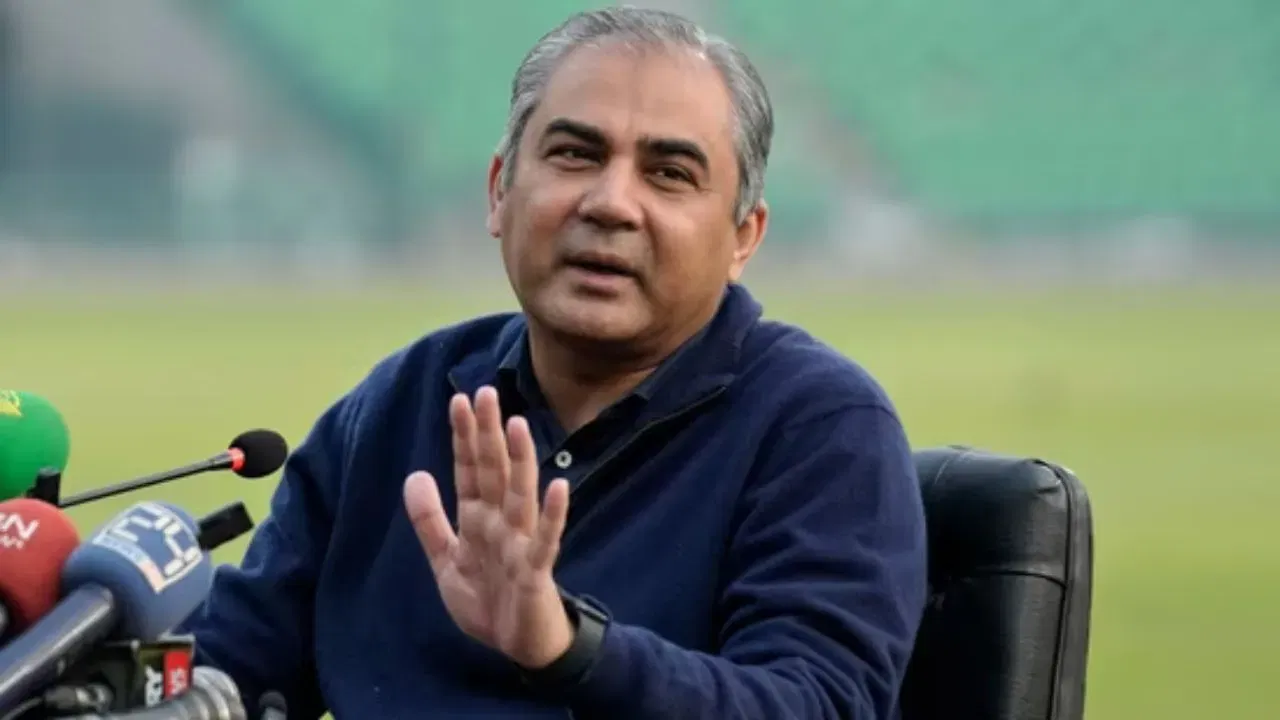
BCCI bars Vaibhav Suryavanshi like players from playing in IPL
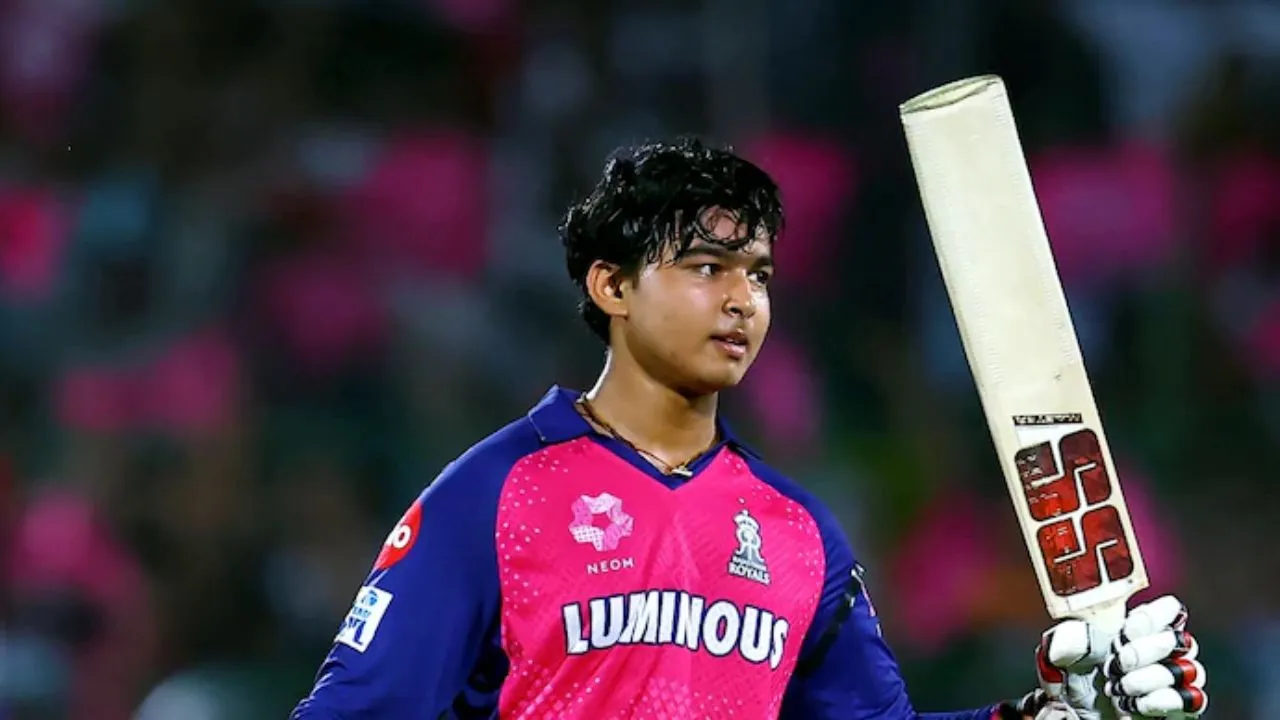
BCCI Implements New Rule Requiring Under-16 Cricketers to Play First-Class Matches Before IPL
In a groundbreaking decision, the Board of Control for Cricket in India (BCCI) has announced a new rule that mandates under-16 cricketers to play at least one first-class match before being eligible to participate in the Indian Premier League (IPL) or any other T20 leagues in the country. The move was made during the BCCI Annual General Meeting held on September 28th to ensure that young Indian players gain essential experience in domestic cricket before venturing into the fast-paced and high-pressure T20 arena.
Enhancing Player Preparation
Previously, IPL franchises had the freedom to select U-16 or Under-19 players without any requirements for prior experience in domestic cricket. However, with the new ruling, young talents like Vaibhav Suryavanshi and Ayush Mhatre, who have already made their mark in the IPL, will now need to gain the valuable experience of playing in a first-class match before stepping into the T20 arena.
The BCCI’s objective behind this decision is to ensure that young cricketers are adequately prepared for the challenges of professional cricket by giving them exposure to red-ball cricket and enhancing their overall maturity before entering the glamorous and intense world of the IPL.
A recent report from Revsportz highlighted, “The BCCI AGM has mandated that junior cricketers up to the U-16 level must play at least one first-class game before being allowed to participate in T20 matches.”
Leadership Changes in BCCI
Alongside the new ruling, the BCCI also saw changes in leadership during the AGM. Mithun Manhas was elected as the new president, taking over from Roger Binny. Manhas, a former Indian cricketer, is now the third consecutive ex-cricketer to lead the BCCI. His previous role as the Director of Cricket for the Jammu and Kashmir Cricket Association has equipped him with the necessary experience to take on this prestigious position.
Rajeev Shukla and Devajit Saikia retained their roles as the BCCI Vice-President and Secretary, respectively, while Prabhtej Singh Bhatia joined as the Joint Secretary, and Raghuram Bhat assumed the role of treasurer. The governance structure was further strengthened with the appointment of Jaydev Niranjan Shah as the Apex Council member, and Arun Singh Dhumal and M. Khairul Jamal Majumdar joining the Governing Council.
Pride in Representation
Parvez Rasool, speaking on Mithun Manhas’ appointment, expressed pride in the representation of Jammu and Kashmir at the BCCI’s highest level. Rasool emphasized the need for improved cricket infrastructure in the region to support the talent that exists. He hopes for better facilities to nurture the talent and bring Jammu and Kashmir on par with other states in terms of cricket development.
Other Notable Appointments
Additionally, Jayesh George, president of the Kerala Cricket Association, was named the first-ever Chairman of the Women’s Premier League (WPL) during the BCCI AGM. Former Indian cricketers, Pragyan Ojha and RP Singh, have joined the senior national selection committee, replacing S. Sharath and Subroto Banerjee. Amita Sharma, a former Indian women’s cricketer, has been appointed as the chief selector for the Indian women’s cricket team.
These changes and new regulations within the BCCI aim to elevate the standard of Indian cricket by providing young players with the necessary experience and opportunities to excel in the sport.
Impact on Young Cricketers
The BCCI’s decision to require under-16 cricketers to play first-class matches before participating in the IPL is poised to have a significant impact on the development of young talents in India. By exposing these budding cricketers to the nuances of red-ball cricket at an early stage in their careers, the BCCI aims to instill a strong foundation in them, equipping them with the skills and temperament necessary to succeed in all formats of the game.
Playing first-class matches will not only provide young cricketers with invaluable experience but also teach them the importance of resilience, patience, and adaptability – qualities that are essential for excelling in the longer format of the game. This move by the BCCI underscores the importance of holistic player development and aims to produce well-rounded cricketers who can thrive in diverse cricketing environments.
Professionalism in Domestic Cricket
By mandating under-16 cricketers to play first-class matches, the BCCI is also elevating the standard of professionalism in domestic cricket. This requirement will ensure that young players are exposed to the rigorous demands of first-class cricket, including the intensity of multi-day matches, the strategic aspects of the game, and the mental fortitude required to perform consistently at this level.
Through this initiative, the BCCI is not only aiming to improve the overall quality of domestic cricket in India but also setting a precedent for other cricketing nations to prioritize player development and provide young cricketers with a structured pathway to success in the sport.
Strategic Leadership in the BCCI
The leadership changes within the BCCI, with Mithun Manhas taking over as the new president, signal a strategic shift towards promoting individuals with a deep understanding of the game and a commitment to advancing Indian cricket. Manhas’ experience as a former cricketer and his tenure as the Director of Cricket for the Jammu and Kashmir Cricket Association position him as a leader who can bring a player-centric approach to the administration of the sport.
With a blend of ex-cricketers and seasoned administrators in key positions, the BCCI is poised to navigate the complexities of modern cricket administration while staying true to its core mission of promoting the growth and success of Indian cricket on the global stage.
Diversification and Inclusivity
The appointment of Jayesh George as the Chairman of the Women’s Premier League (WPL) and Amita Sharma as the chief selector for the Indian women’s cricket team reflects the BCCI’s commitment to diversifying and promoting inclusivity in Indian cricket. By empowering individuals with diverse backgrounds and experiences to lead key initiatives in women’s cricket, the BCCI is sending a strong message about the importance of gender equality and representation in the sport.
These appointments not only provide women cricketers with role models and mentors but also pave the way for the continued growth and success of women’s cricket in India. The BCCI’s focus on inclusivity and diversification is a positive step towards building a more equitable and vibrant cricketing ecosystem in the country.
In conclusion, the BCCI’s new rule requiring under-16 cricketers to play first-class matches before the IPL, coupled with strategic leadership changes and a focus on diversification and inclusivity, heralds a new era of development and progress in Indian cricket. By prioritizing player development, professionalism in domestic cricket, and inclusive leadership, the BCCI is laying the foundation for a brighter future for cricket in India.
Latest News
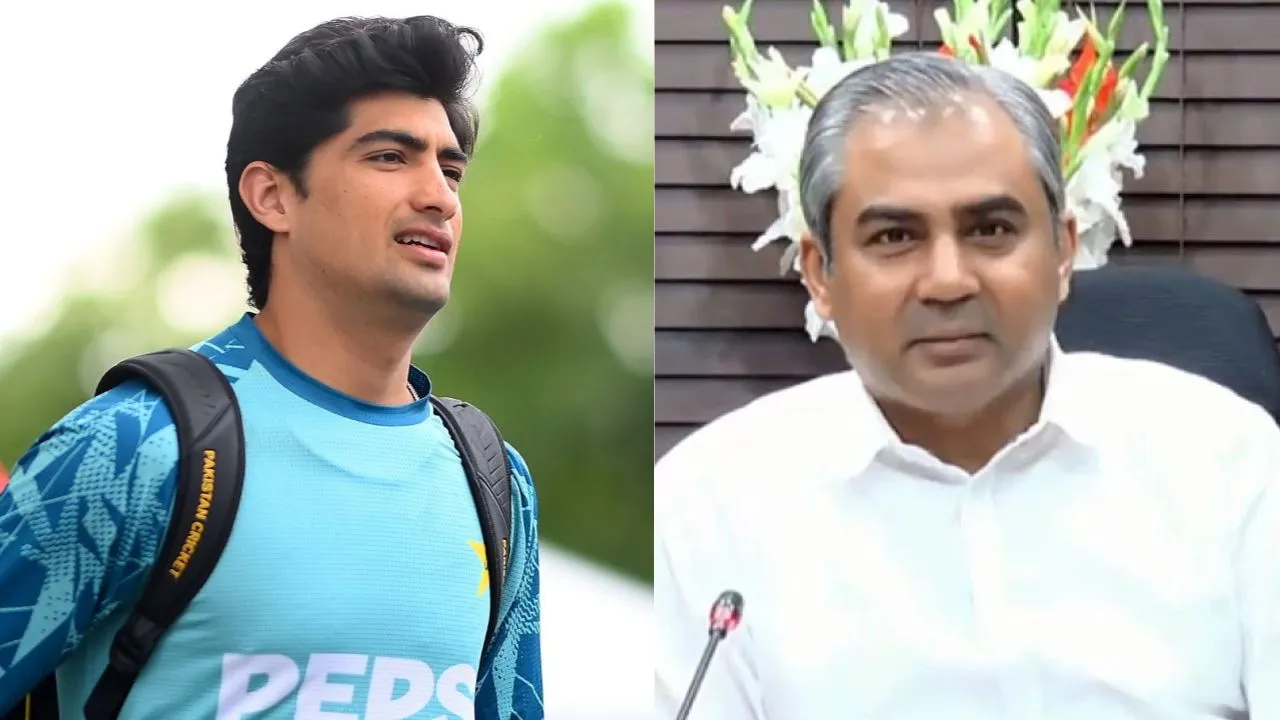
Mohsin Naqvi enforces new social media rules for Pakistan players following Naseem Shah incident
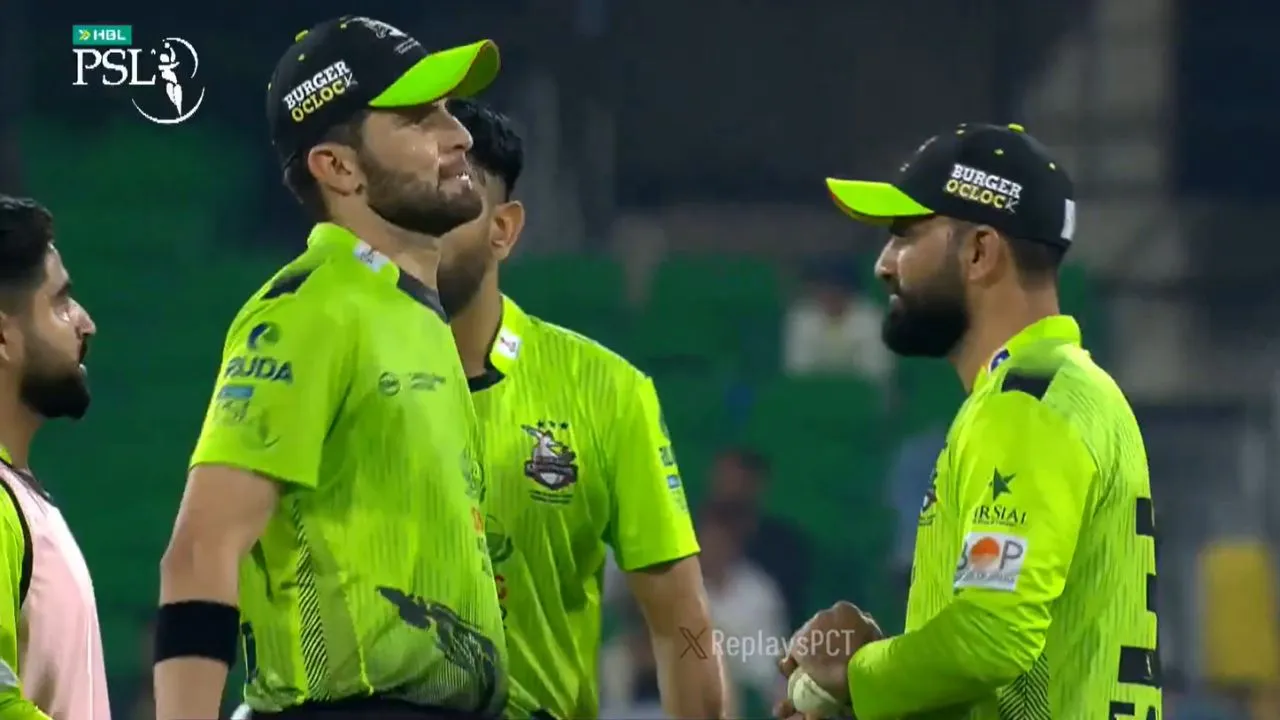
Fakhar Zaman officially handed cricket ban after PSL 2026 ball-tampering controversy
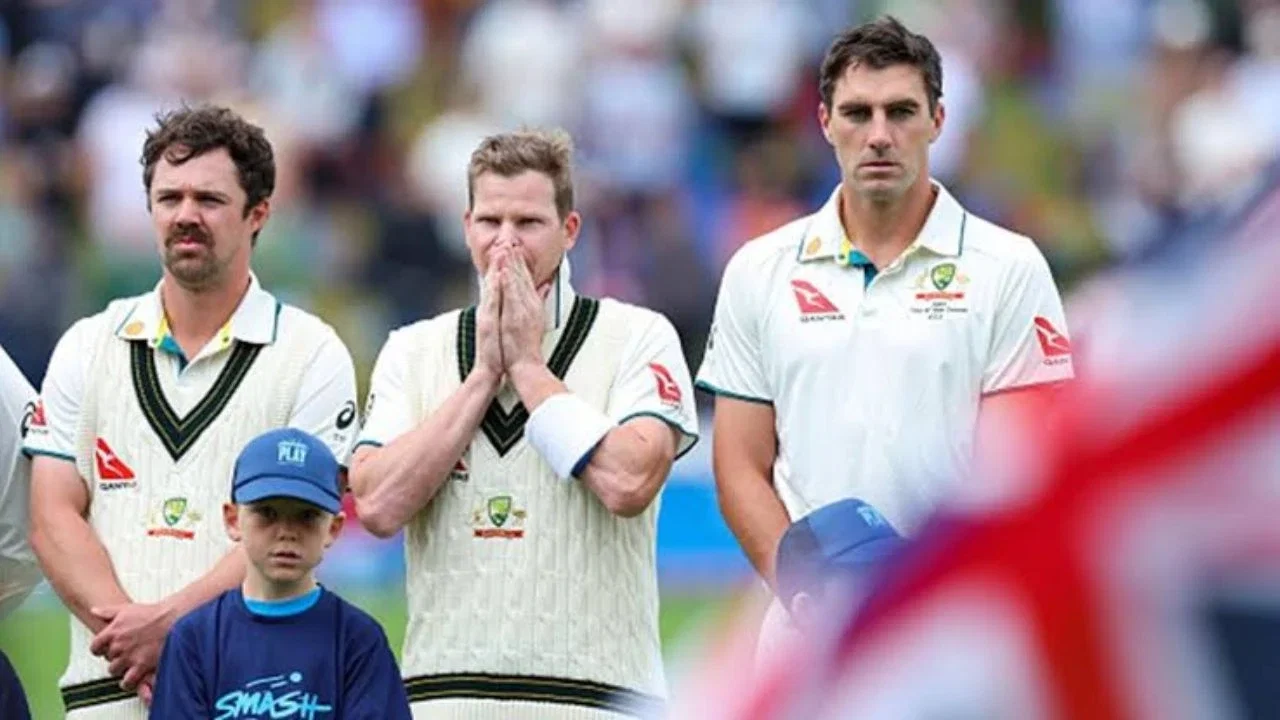
Pat Cummins forces Cricket Australia to slash central contracts list to secure premium deal
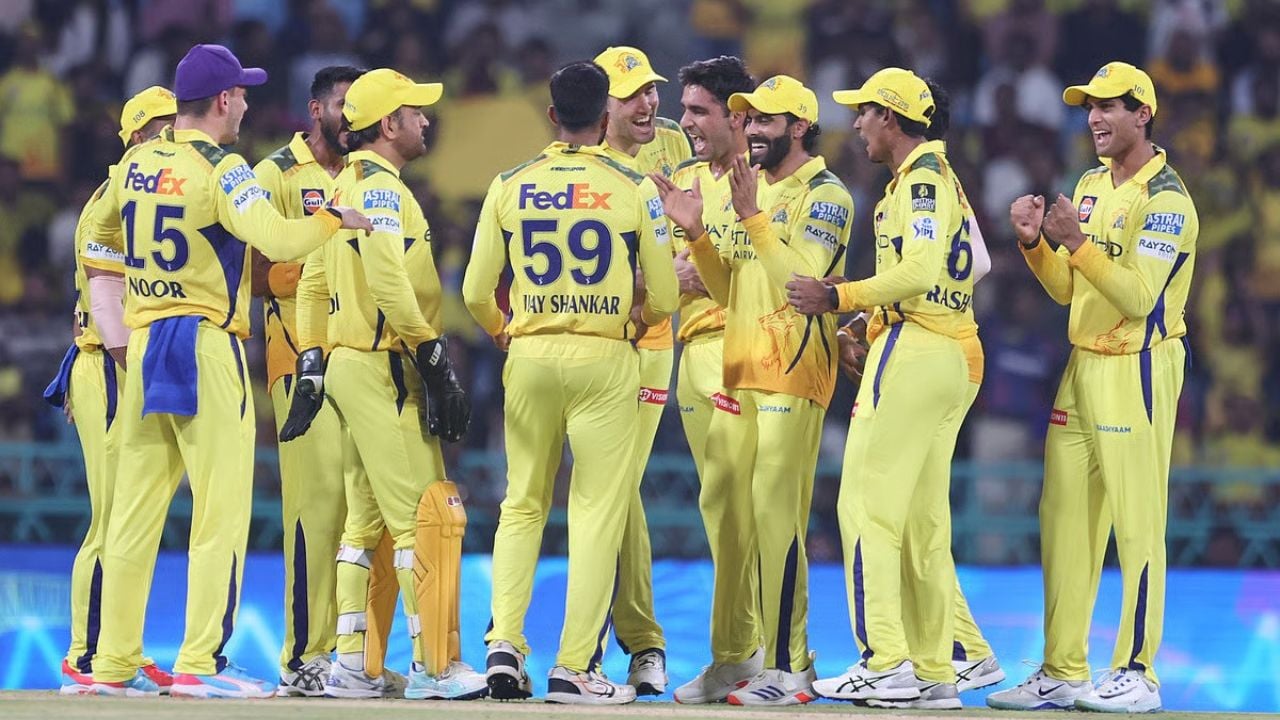
CSK’s big promise to players revealed amid IPL 2026: “Whatever BCCI offers, we’ll double it”
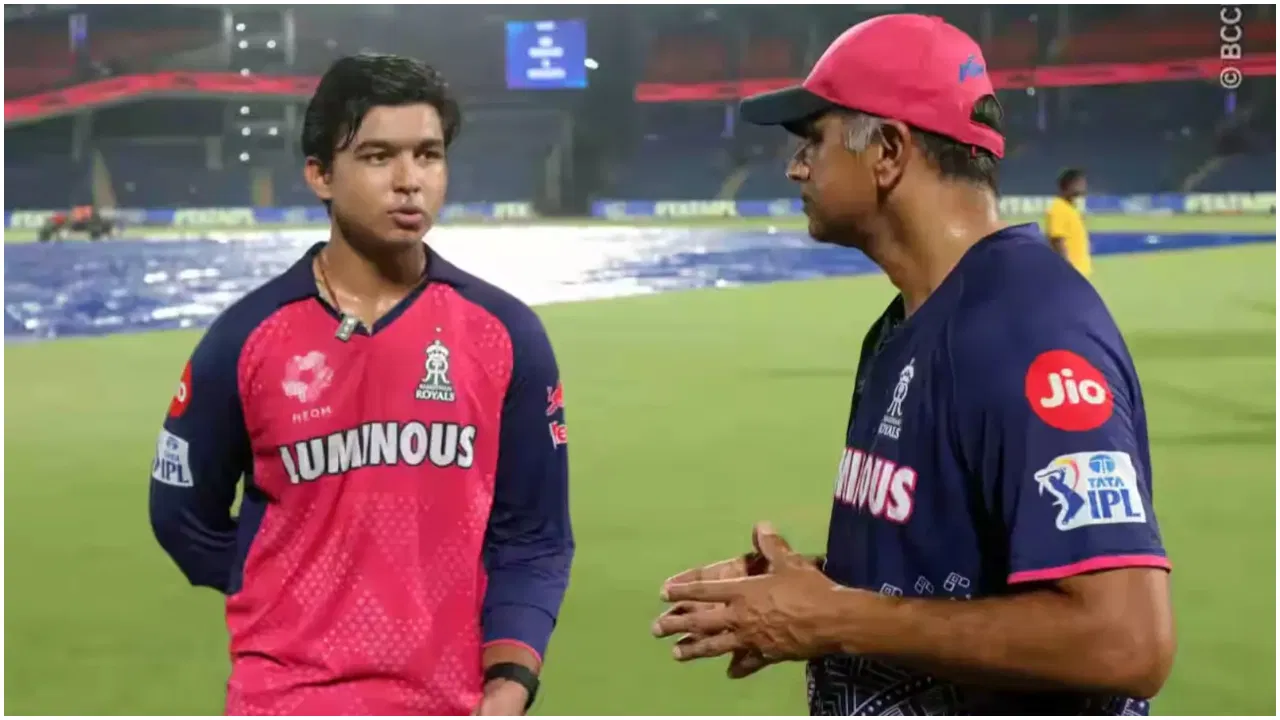
Ravichandran Ashwin rules out Vaibhav Sooryavanshi’s India call-up
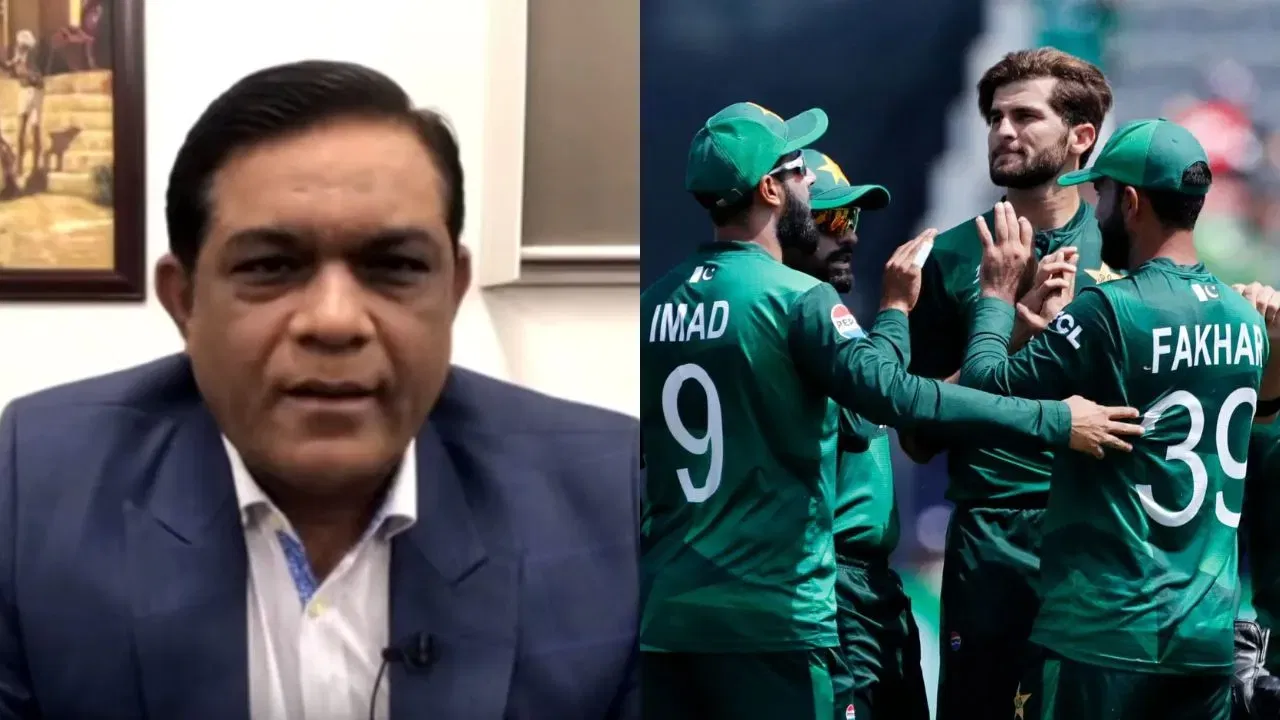
Rashid Latif claims PSL ball-tampering row was deliberately created for attention amid IPL rivalry
Mohammed Shami breaks silence on retirement buzz after India snub; has special message for LSG
Mohammed Shami reveals IPL 2026 Top 4, leaves out five-time champions
Mohammed Shami hits back at Ravichandran Ashwin over LSG’s poor IPL 2026 prediction
Riyan Parag mocked Sanju Samson? Batter’s muscle-flex celebration after sensational 6 vs CSK goes viral
IPL 2026 hit by tragedy! British broadcast engineer dies in Mumbai hotel room
Brad Haddin reveals reality of Shreyas Iyer as captain
Jos Buttler set to dominate IPL 2026, thanks to Ashish Nehra
Ravindra Jadeja says he had no conversation with MS Dhoni after RR move