BCCI blames Rohit Sharma, Virat Kohli for A+ Central Contracts axing; Jasprit Bumrah situation explained
Major Overhaul in Indian Cricket Central Contracts System for 2025-26 Season
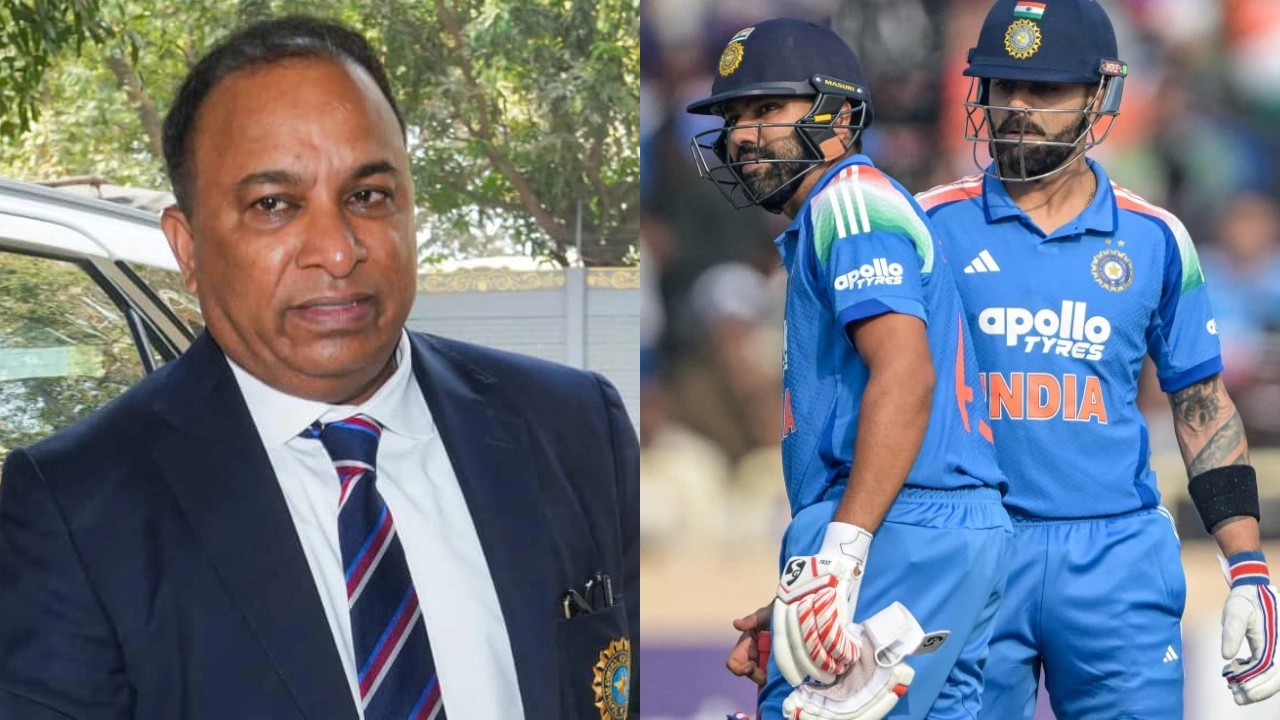
Indian cricket is bracing for a significant shake-up as the Board of Control for Cricket in India (BCCI) is set to revamp its central contracts system ahead of the 2025-26 season. One of the key changes being considered is the elimination of the elite A-plus category from the central contracts following the retirements of Virat Kohli and Rohit Sharma from Test and T20I cricket.
Reason for Revamp
The A-plus category was originally designed for players who represented India across all formats – Tests, ODIs, and T20Is. However, with Kohli and Sharma stepping down from certain formats, the BCCI believes that the current system is no longer aligned with the team’s dynamics and player commitments.
BCCI Secretary, Devajit Saikia, explained, “There are not many players who are consistently playing across all three formats. Therefore, we have decided to remove the elite A-plus category from the central contracts.” Saikia emphasized that the criteria set for the A-plus category were not being met due to the shift in player preferences and commitments.
Changes in Contract Categories
Under the previous system, A-plus category players received ₹7 crore annually, while Category A, B, and C players earned ₹5 crore, ₹3 crore, and ₹1 crore respectively. Last season, only four Indian cricketers were part of the A-plus category, including Rohit Sharma, Virat Kohli, Jasprit Bumrah, and Ravindra Jadeja.
With the revamped system, players will now be categorized into A, B, and C only. Bumrah is currently the only active player from last season’s A-plus category who plays across all three formats. Kohli and Sharma now focus on ODIs, while Jadeja has retired from T20Is but continues to play Tests and ODIs.
Impact on Players
Despite the removal of the A-plus category, Bumrah will not face a pay cut as he continues to juggle his responsibilities in all formats for the Indian team. The BCCI is committed to ensuring that players like Bumrah, who contribute significantly in all three formats, are fairly compensated.
Saikia reassured, “Players who do not participate in all formats will no longer be eligible for the A-plus category. The decision is not about pay cuts but about aligning the contracts with player commitments.”
Future Contracts and Expectations
While the BCCI is yet to announce the central contracts for the upcoming season, it is expected that the revised system will better reflect the current landscape of Indian cricket. The focus will be on rewarding players based on their contributions and availability across different formats.
Saikia concluded, “The changes in the central contracts system are aimed at promoting balance and fairness. We want to incentivize players who are committed to representing India in multiple formats.”
As Indian cricket prepares for the 2025-26 season, the new central contracts system signals a shift towards recognizing and rewarding players based on their current roles and contributions within the team.
Evolution of Central Contracts in Indian Cricket
Central contracts have been a cornerstone of player remuneration and recognition in Indian cricket. The system, first introduced in 2004 by the BCCI, aimed to provide financial stability to players and reward them based on performance and commitment levels. Over the years, the structure of central contracts has evolved to adapt to the changing dynamics of the sport.
Initially, the central contracts included only a few categories, primarily focusing on players across all formats. However, as cricket evolved with the rise of T20 leagues and increased specialization, the need for a more nuanced system became apparent. The introduction of the A-plus category was a response to this changing landscape, aiming to recognize and reward players who excelled in all formats.
Player Workload Management and Specialization
One of the key factors driving the recent overhaul in the central contracts system is the increasing emphasis on player workload management and specialization. With the advent of bio-bubbles, hectic schedules, and the physical demands of modern cricket, players are often required to make strategic decisions about the formats they wish to focus on.
By streamlining the central contracts into A, B, and C categories, the BCCI is acknowledging the reality that not all players can sustain the rigors of playing across all formats. This shift allows for greater flexibility and tailored remuneration based on individual player preferences and commitments.
Equity and Recognition for Multi-Format Players
While the removal of the A-plus category may seem like a reduction in opportunities for players, it actually underscores the BCCI’s commitment to equity and recognition for multi-format players. By ensuring that individuals who contribute significantly in all formats are appropriately rewarded, the new central contracts system promotes a culture of balance and fairness within the team.
Players like Jasprit Bumrah, who continue to excel in Tests, ODIs, and T20Is, will be rightfully compensated for their versatility and dedication to representing India across all formats. This approach not only motivates players to maintain high performance levels but also reinforces the value of versatility in modern cricket.
Looking Ahead: Future Contracts and Player Expectations
As the BCCI prepares to announce the central contracts for the upcoming season, players and fans alike are eager to see how the revamped system will impact player remuneration and recognition. The focus on rewarding contributions and availability across different formats signals a progressive approach towards aligning contracts with the realities of contemporary cricket.
With the new central contracts system in place, Indian cricket is poised to adapt to the evolving demands of the sport while ensuring that players are fairly compensated for their efforts. The emphasis on promoting balance, fairness, and recognition for multi-format players sets a positive precedent for the future of central contracts in Indian cricket.
Overall, the changes in the central contracts system for the 2025-26 season reflect a strategic move by the BCCI to optimize player remuneration, incentivize performance, and align contracts with the dynamic nature of modern cricket.
Latest News
Yograj Singh makes blunt remark at Virat Kohli and Rohit Sharma over early retirement calls

Bhuvneshwar Kumar on brink of IPL history, needs two wickets for massive milestone

IPL to be broadcasted? Bangladesh government drops massive update on IPL broadcast ban

SRH fans to boycott IPL? Former India cricketer shares insights on social media drama around Abrar Ahmed
“Explore this opportunity”: Ruturaj Gaikwad shares inside story of convincing Sanju Samson to join CSK
KKR pacer snubs Rohit Sharma, Virat Kohli, picks MI star as most difficult batter he’s bowled to

PSL drama erupts! Pakistan great blasted for “lack of manners” after embarrassing ex-England star

“2024 mein woh underrated the” – Vaibhav Arora on Shreyas Iyer not getting credit for KKR title win

Devon Conway settles IPL vs PSL debate once and for all

Ex-CSK star’s shocking claim on RCB vs SRH match ahead of IPL 2026

Misbah-ul-Haq takes legal action against Ahmed Shehzad over defamation claims

Naseem Shah charged with central contract violation during PSL 2026
MS Dhoni out of IPL 2026, has not recovered from calf strain

Jasprit Bumrah set to lead MI attack in blockbuster IPL 2026 clash vs KKR