BCCI blasted as India vs West Indies 1st Test in Ahmedabad suffers empty stands fiasco
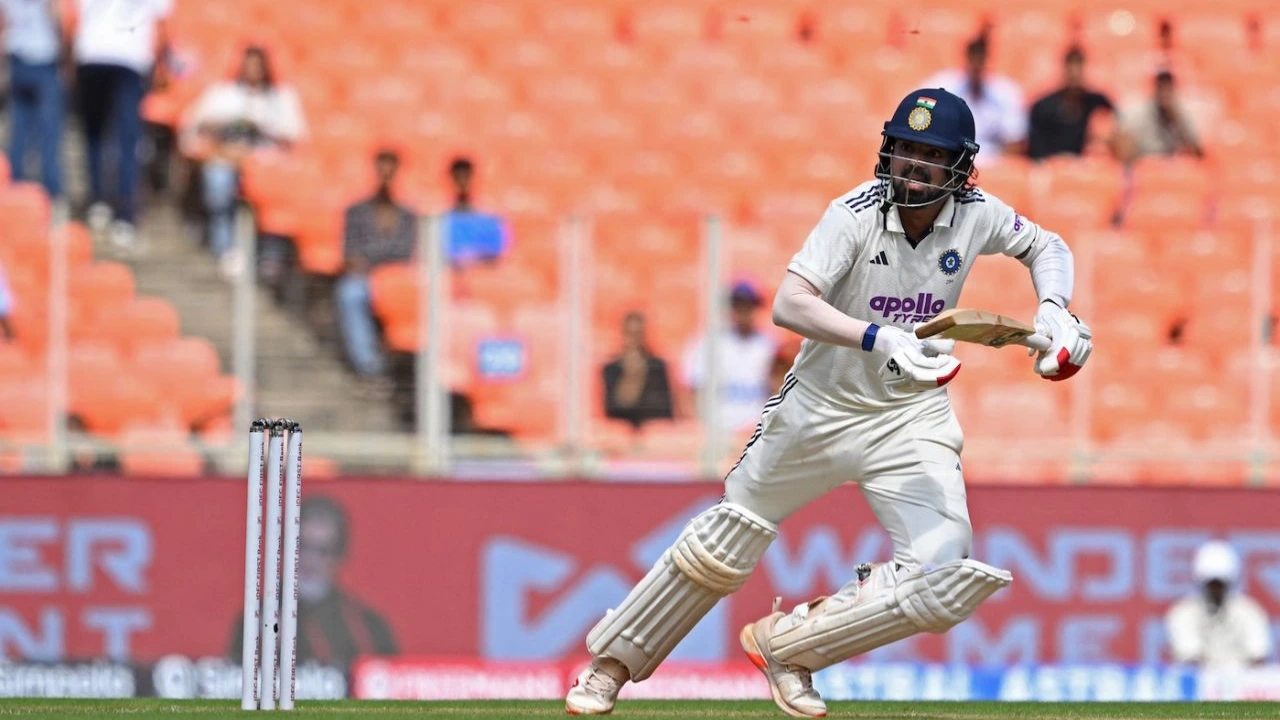
Empty Stands Overshadow India-West Indies Test at Narendra Modi Stadium
Cricket fans were left disappointed as the ongoing first Test between India and the West Indies at the giant Narendra Modi Stadium in Ahmedabad witnessed thousands of empty seats on the opening day on Thursday, October 2. The Indian bowlers were in full song despite having a couple of days’ break after winning the Asia Cup 2025, but the lack of crowd energy caught everyone’s attention.
The sea of empty chairs made the action look dull despite the on-field excitement. The debate over fixed red-ball venues in India has resurfaced, with fans pointing out that cities like Chennai, Kolkata, Bengaluru, Mumbai, and Delhi have a stronger Test culture and consistently attract larger crowds. These venues also offer better tourism appeal and easier connectivity for travelling fans.
Virat Kohli’s Vision for Fixed Test Venues Back in the Spotlight
Interestingly, the former Indian captain Virat Kohli had suggested as far back as 2019 that India should stick to five dedicated venues for Test matches to maintain consistency in conditions and fan support. The latest scenes in Ahmedabad have added weight to Kohli’s demand, as Indian cricket fans call for a rethink in how Test matches are scheduled in India.
Kohli had stated, “We should have five test centers, period. I agree state associations and rotation and giving games and all that is fine for T20 and one-day cricket, but Test cricket teams coming to India should know, ‘We’re going to play at these five centers, these are the pitches we’re going to expect, and these are the kinds of people that will come to watch.’
Shubman Gill Captains India at Home for the First Time
India began a fresh chapter on Thursday as Shubman Gill captained the Test team at home for the very first time. However, Gill lost the toss this time as well. The opening Test against the West Indies was special for another reason as it was the first home Test in 15 years without Virat Kohli, Rohit Sharma, and Ravichandran Ashwin.
Many fans believe that selecting Ahmedabad for the India-West Indies Test was a mistake, questioning why such a huge stadium was chosen for a lower-ranked opposition in the longest format of the game. The debate over fixed red-ball venues in India has resurfaced, with fans pointing out that cities like Chennai, Kolkata, Bengaluru, Mumbai, and Delhi have a stronger Test culture and consistently attract larger crowds.
One fan posted on social media, “If we had to play a lower-tier team, we should have ideally played them in a stadium that people want to watch Test cricket in. Virat’s suggestion of having fixed test venues should be looked at. Ahmedabad has the country’s biggest stadium, and to host a lower-tier team at such a big ground makes it look empty. Ahmedabad is good for T20 marquee contests, not for Tests—even against a marquee team. Tests should be played with a view of tourism and ease of connectivity. Chennai, Kolkata, Bengaluru, Mumbai, Pune, Nagpur, Delhi, Dharamshala, and Vizag can be your fixed test centers.”
The Board of Control for Cricket in India’s (BCCI) policy of rotating venues across the country was meant to give every state a fair share of international games, but many argue that Test cricket, which relies heavily on crowd involvement and atmosphere, should be restricted to selected cities that embrace the traditional format of the game.
As the debate continues, cricket enthusiasts hope for a reconsideration of how Test matches are scheduled in India to ensure a better experience for both players and fans alike.
The Impact of Empty Stands on Player Performance
One aspect often overlooked when discussing the issue of empty stands is the impact it can have on player performance. Cricket, being a sport that thrives on the energy and support provided by the crowd, can see a noticeable difference when the stands are devoid of spectators. The lack of cheering fans, chants, and applause can dampen the spirits of both teams and lead to a less engaging atmosphere on the field.
For players, especially those making their debut or trying to establish themselves in the team, the absence of a supportive crowd can rob them of the crucial confidence boost they need. The pressure of performing in a silent stadium can be a different challenge altogether, affecting their focus and motivation. Therefore, the choice of venues for Test matches becomes not just about tradition and culture but also about optimizing the playing conditions for the athletes.
Reviving the Test Match Culture in India
With the rise of T20 cricket and the popularity of limited-overs formats, Test cricket has often taken a backseat in terms of viewership and attendance. However, the traditional format remains the ultimate test of skill, patience, and endurance for cricketers. To revitalize the Test match culture in India, it might be necessary to reevaluate the scheduling of matches and prioritize venues that have a strong historical connection to the longest format of the game.
By emphasizing certain cities as fixed Test venues, the BCCI can create a sense of anticipation and excitement among fans who are eager to witness the timeless battle between bat and ball. This strategic approach could also lead to better utilization of resources, infrastructure, and marketing efforts, ultimately enhancing the overall experience for everyone involved.
Looking Beyond Rankings: Promoting the Spirit of Cricket
While it is important to consider the competitiveness of the opposition when selecting venues for international matches, the essence of Test cricket lies in the purity of the contest and the spirit in which it is played. Regardless of the rankings or perceived strength of the teams involved, every Test match should be treated as a celebration of the sport and its rich history.
By focusing on the intrinsic values of cricket and prioritizing the traditions that make the format unique, administrators can instill a sense of pride and respect for Test cricket in both players and fans. This approach goes beyond mere commercial considerations and delves into the deeper significance of the game as a cultural phenomenon that transcends boundaries and generations.
In conclusion, the debate over fixed Test venues in India is not just about logistics or convenience but about preserving the legacy of Test cricket and honoring the spirit of the game. By reimagining the way Test matches are scheduled and hosted, Indian cricket can reaffirm its commitment to tradition, excellence, and the enduring appeal of the longest format of the sport.
Latest News

MS vs HYDK Match Prediction, Pitch & Weather Report, Playing XIs, Head-to-Head, Free Live Streaming – PSL 2026 Match 8

ISU vs PSZ Match Prediction, Pitch & Weather Report, Playing XIs, Head-to-Head, Free Live Streaming – PSL 2026 Match 7
Ravindra Jadeja breaks silence on fiery send-off to Shivam Dube in RR vs CSK IPL 2026 clash

Mohsin Naqvi and PCB fines Naseem Shah for criticizing Pakistan’s top politician

IPL Points Table 2026: Updated Standings, Orange Cap, Purple Cap After RR vs CSK Match 3

Lahore Qalandars fines Shaheen Shah Afridi over security concerns
“All bowlers did well”: Riyan Parag praises bowling unit after RR’s dominating win over CSK in IPL 2026

“A lot of mistakes”: Ruturaj Gaikwad points at batting collapse after humilating loss vs RR in IPL 2026

Aakash Chopra hits back at fan with sharp reply on social media
Sanju Samson castled for 6 by Nandre Burger, fails badly on CSK debut in IPL 2026
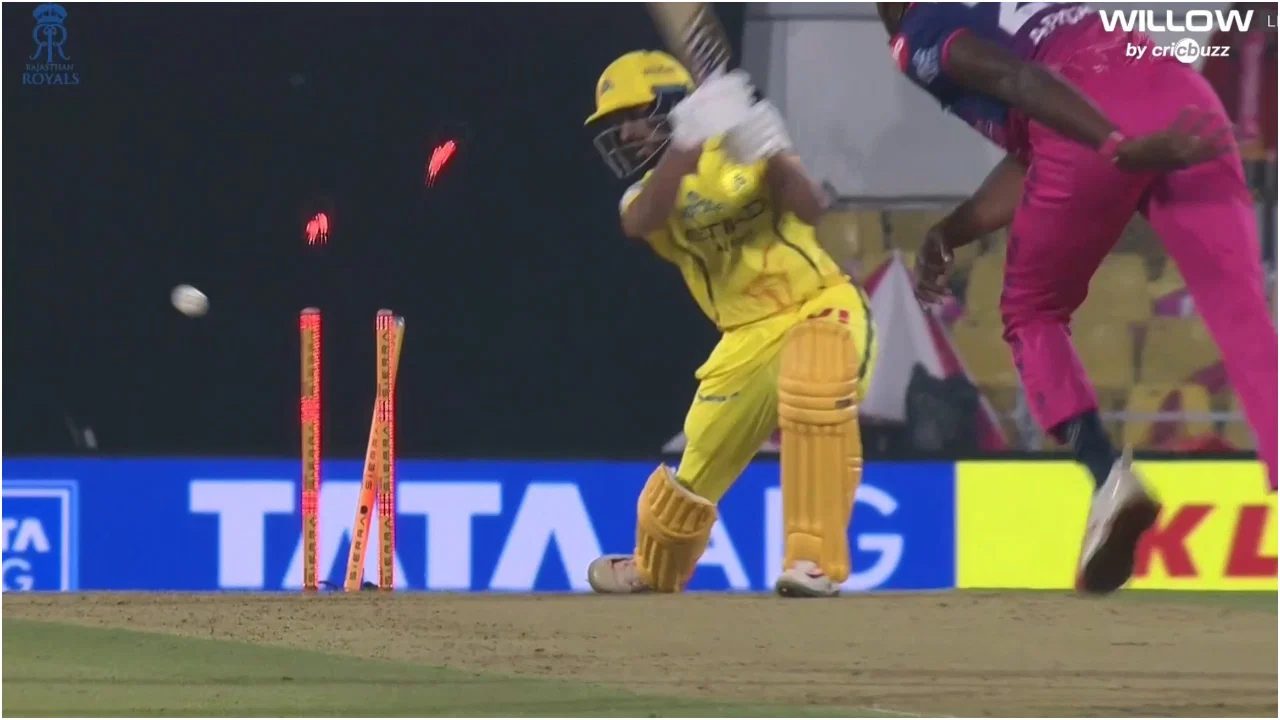
Jofra Archer strikes gold, sends Ruturaj Gaikwad packing for 6

“Is a big mistake”: Manvinder Bisla urges patience, backs KKR bowlers to bounce back
“Bas bhai ab aur nahi”: Fans trolls CSK after batting collapse vs RR in IPL 2026
‘Rohit Sharma will worry all IPL teams’ – Ex-RCB captain issues warning to CSK and others