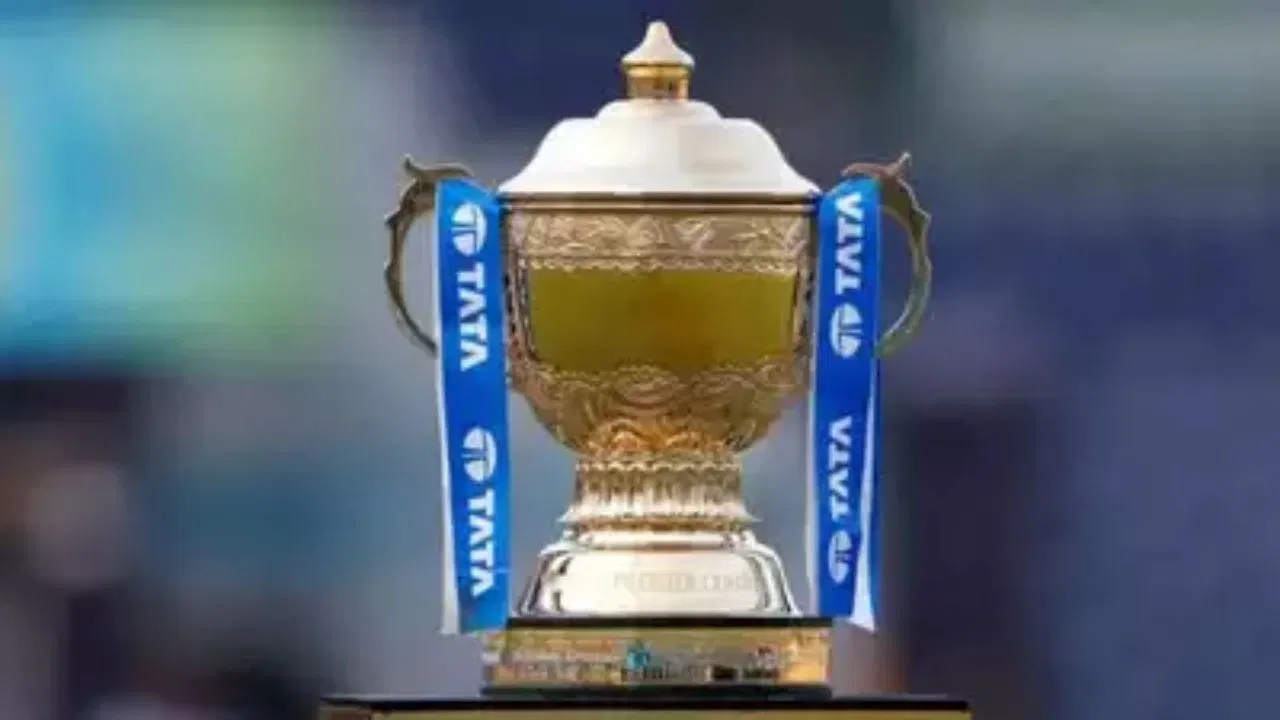
BCCI compiles charges against Mohsin Naqvi over dual role violation, gains Afghanistan’s support
The Controversy Surrounding the Asia Cup 2025 Final Trophy Presentation
The Asia Cup 2025 final between India and Pakistan took place on September 28, with India emerging victorious. However, nearly six weeks later, the Indian cricket team has not received the winner’s trophy, leading to a controversy that has yet to be resolved.
India’s Refusal to Accept the Trophy
After the final match, the Suryakumar Yadav-led Indian cricket team declined to accept the trophy from Mohsin Naqvi, who serves as the Asian Cricket Council (ACC) president, Pakistan Cricket Board (PCB) chief, and Pakistan’s Interior Minister. The Indian team expressed their desire to receive the trophy from officials of the Emirates Cricket Board or other ACC representatives, but Naqvi insisted on presenting the trophy himself.
This decision by Naqvi left fans and officials surprised as the Indian players waited on stage only for Naqvi to leave the venue with the trophy, causing confusion and disappointment among the cricket community.
BCCI’s Response and Challenge
The Board of Control for Cricket in India (BCCI) has taken a stand on this issue and plans to address it during the upcoming ICC Board meeting in Dubai. The BCCI intends to question Naqvi’s behavior during the post-match ceremony and challenge his eligibility to hold dual positions as Pakistan’s Interior Minister and the ACC head.
According to reports, the BCCI believes that Naqvi’s dual role goes against ICC’s governance norms. The board has compiled a list of charges against Naqvi and aims to challenge his eligibility to hold both public office and a significant sporting position simultaneously. The Afghanistan Cricket Board (ACB) is also expected to support India’s stance on this matter.
Further Developments
Relations between Pakistan and Afghanistan have been strained following a reported military strike that led to the death of three Afghan domestic players. This incident resulted in Afghanistan withdrawing from a scheduled tri-series in Pakistan, further complicating the situation between the ACB and PCB.
As the ICC Board meeting approaches, it has been reported that Naqvi will not be in attendance. Instead, PCB’s Chief Operating Officer Sameer Ahmed Syed will represent Pakistan at the meeting. The BCCI has confirmed that they will raise the issue of the delayed trophy handover during the meeting and have already sent a formal letter to the ACC seeking an explanation for the delay.
It remains to be seen how this controversy will be resolved and what implications it may have for the future of cricket in the region.
Impact on India-Pakistan Cricket Relations
The controversy surrounding the Asia Cup 2025 final trophy presentation has not only raised questions about the conduct of officials but has also exacerbated tensions between India and Pakistan in the cricketing world. The longstanding rivalry between the two nations on the cricket field has often been marred by political tensions, and this incident serves to further strain an already delicate relationship.
The refusal of the Indian team to accept the trophy from the Pakistani official highlights the deep-rooted animosity and distrust that exists between the neighboring countries. The BCCI’s decision to challenge Naqvi’s dual roles reflects India’s unwillingness to engage with Pakistan on sporting matters where political affiliations come into play.
Broader Implications for Cricket Governance
Beyond the immediate fallout of the trophy presentation debacle, this incident sheds light on broader issues of governance and ethics within the cricketing world. The fact that a high-ranking official like Mohsin Naqvi holds dual positions in both a national government and a regional cricket governing body raises concerns about conflicts of interest and transparency.
The BCCI’s decision to challenge Naqvi’s eligibility sets a precedent for holding officials accountable and ensuring that cricket governance adheres to international standards of integrity and fairness. This incident may prompt a reevaluation of the rules and regulations surrounding the involvement of public officials in sports administration.
Rebuilding Trust and Moving Forward
As the cricketing community awaits a resolution to this controversy, there is an opportunity for both India and Pakistan to engage in constructive dialogue and work towards rebuilding trust and mutual respect on the cricket field. Clear communication, transparency, and a commitment to fair play are essential for resolving disputes and moving forward in a spirit of sportsmanship.
It is crucial for cricket administrators to prioritize the integrity of the game and put the interests of players and fans above political considerations. By addressing the issues raised by the trophy presentation incident, stakeholders can pave the way for a more harmonious and inclusive cricketing environment in the region.
Conclusion
As the Asia Cup 2025 final trophy presentation controversy continues to unfold, it underscores the complex dynamics at play in international cricket. The standoff between India and Pakistan, the governance challenges within cricket administration, and the need for transparency and accountability all come to the fore in this incident.
Ultimately, resolving this controversy requires a concerted effort from all parties involved to uphold the principles of fairness, respect, and sportsmanship. By addressing the underlying issues and working towards a mutually acceptable resolution, the cricketing community can emerge stronger and more united in its commitment to the spirit of the game.
Latest News
LSG vs DC Match No. 5 Preview: Free Live Streaming, Pitch & Weather Report, Head-to-Head | IPL 2026

LSG vs DC Match Prediction – Who Will Win Match No.5? | IPL 2026
LSG Playing XI vs DC Playing XI – Match No. 5 | IPL 2026
Krunal Pandya breaks silence on India snub, opens up on Virat Kohli
Mohsin Naqvi enforces new social media rules for Pakistan players following Naseem Shah incident
Fakhar Zaman officially handed cricket ban after PSL 2026 ball-tampering controversy
Pat Cummins forces Cricket Australia to slash central contracts list to secure premium deal
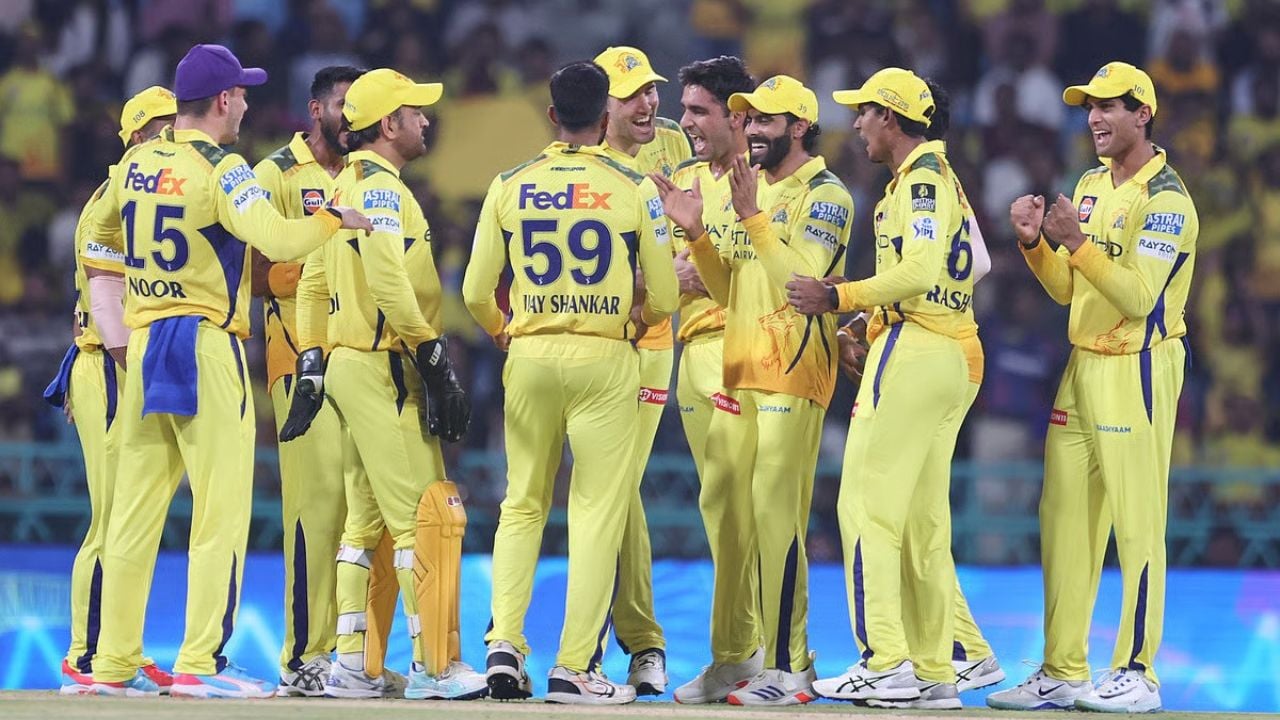
CSK’s big promise to players revealed amid IPL 2026: “Whatever BCCI offers, we’ll double it”
Ravichandran Ashwin rules out Vaibhav Sooryavanshi’s India call-up
Rashid Latif claims PSL ball-tampering row was deliberately created for attention amid IPL rivalry
Mohammed Shami breaks silence on retirement buzz after India snub; has special message for LSG

Mohammed Shami reveals IPL 2026 Top 4, leaves out five-time champions
Mohammed Shami hits back at Ravichandran Ashwin over LSG’s poor IPL 2026 prediction
Riyan Parag mocked Sanju Samson? Batter’s muscle-flex celebration after sensational 6 vs CSK goes viral