BCCI dragged to court for using ‘Team India’ name!! HC finally breaks silence on matter

Delhi High Court Dismisses PIL Against BCCI Team Being Called ‘Team India’
The Delhi High Court recently made a decision regarding a Public Interest Litigation (PIL) that challenged the practice of referring to the cricket team operated by the Board of Control for Cricket in India (BCCI) as ‘Team India’ or the ‘Indian National Cricket Team’. The court, led by Chief Justice Devendra Kumar Upadhyaya, rejected the PIL and deemed it a waste of the court’s time.
The Argument Presented in the PIL
The PIL sought to address the use of national symbols and flags by Prasar Bharati, which operates Doordarshan and All India Radio, while referring to the BCCI team as representing the nation. The petitioner argued that since the BCCI is a private society under the Tamil Nadu Societies Registration Act, it is misleading to refer to its team as the national team of India. The petitioner also pointed to RTI replies from the Union Ministry of Youth Affairs and Sports, which stated that the BCCI is not recognized as a National Sports Federation and cricket is not eligible for government funding.
Violation of National Symbols Act
The PIL claimed that the use of national symbols and names by Prasar Bharati platforms violated the Emblems and Names (Prevention of Improper Use) Act, 1950, and the Flag Code of India, 2002. By projecting the BCCI team as ‘Team India’ or the ‘Indian National Team’, the petitioner argued that Prasar Bharati was conferring national status on a private entity, creating a false impression in the public’s mind and providing unwarranted commercial legitimacy to the BCCI.
Delhi High Court’s Ruling
During the court proceedings, the bench questioned the logic behind the PIL, asking whether the BCCI team, which represents India internationally, was misrepresenting the country. Chief Justice Upadhyaya highlighted the rules of the International Olympic Committee and the Olympic charter, emphasizing that government intervention in sports could lead to severe consequences from international bodies like the IOC. The court ultimately dismissed the PIL, stating that it was a sheer waste of time.
Commercial Implications of Misrepresentation
The PIL also raised concerns about the commercial implications of presenting the BCCI team as the ‘Indian National Team’. It argued that such a portrayal allowed the private association to profit under the guise of representing the country. By using national symbols and names, government-owned broadcasters like Doordarshan and All India Radio were inadvertently giving the impression that the BCCI team had official or governmental status.
In conclusion, the Delhi High Court’s decision to reject the PIL brings clarity to the debate surrounding the representation of the BCCI team as ‘Team India’. The ruling underscores the importance of understanding the legal and commercial implications of using national symbols and names in association with private entities like the BCCI.
Historical Context and Cultural Significance
The debate over whether the BCCI team should be referred to as ‘Team India’ goes beyond legal and commercial implications. Cricket holds a special place in Indian culture, often referred to as a religion in the country. The sport unites people across diverse backgrounds and regions, fostering a sense of national pride and identity. Therefore, the use of the term ‘Team India’ may not only be a matter of representation but also a reflection of the emotional connection that Indians have with cricket.
Global Recognition and Sporting Prestige
Internationally, the BCCI team is recognized as one of the powerhouse cricket teams, boasting a rich history of success in the sport. The team’s achievements on the world stage, including multiple ICC Cricket World Cup victories and top rankings in various formats of the game, have solidified its reputation as a formidable force in cricket. Referring to the BCCI team as ‘Team India’ acknowledges its standing in the global cricketing community and reinforces its status as a representative team of the nation.
Legitimacy and Governance in Sports
The governance of sports organizations, such as the BCCI, is a complex matter that involves a blend of private and public interests. While the BCCI operates as a private entity, its role in promoting and regulating cricket in India carries significant public impact. The recognition of the BCCI team as the national team of India is not merely symbolic but also reflects the practical aspects of managing and promoting cricket as a national sport.
Future Implications and Policy Considerations
As the landscape of sports governance evolves, questions surrounding the representation of national teams by private entities are likely to persist. It is essential for policymakers, sports administrators, and legal experts to engage in meaningful dialogue to address the complexities of such issues. Clarifying the roles and responsibilities of private sports organizations in representing national interests while upholding transparency and accountability will be crucial in shaping the future of sports governance.
In light of the Delhi High Court’s ruling on the PIL challenging the use of ‘Team India’ for the BCCI team, the broader conversation about the intersection of sports, nationalism, and commercial interests continues to unfold. By exploring the historical, cultural, and global dimensions of this debate, stakeholders can gain a more nuanced understanding of the complexities involved in representing a nation through sports.
Ultimately, the decision to refer to the BCCI team as ‘Team India’ serves as a reminder of the intricate relationships between sports, identity, and governance in the modern era.
Latest News
Abhishek Sharma punished by BCCI for protesting against Varun Chakravarthy’s catch
MS Dhoni, Dewald Brevis fitness update: Batters resume training ahead of CSK vs PBKS clash
Fakhar Zaman two-match ban stands as Mohsin Naqvi and PCB turns down appeal
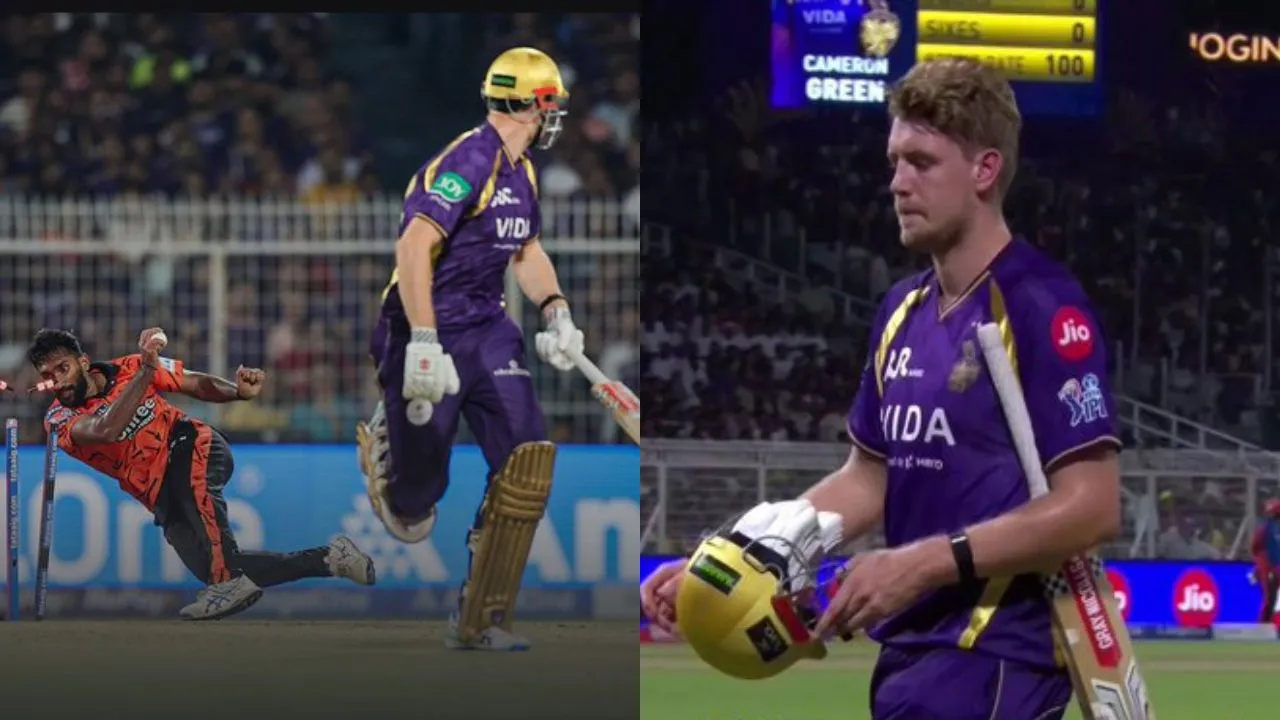
Cameron Green falls in bizarre run-out drama after confusion with Angkrish Raghuvanshi vs SRH in IPL 2026
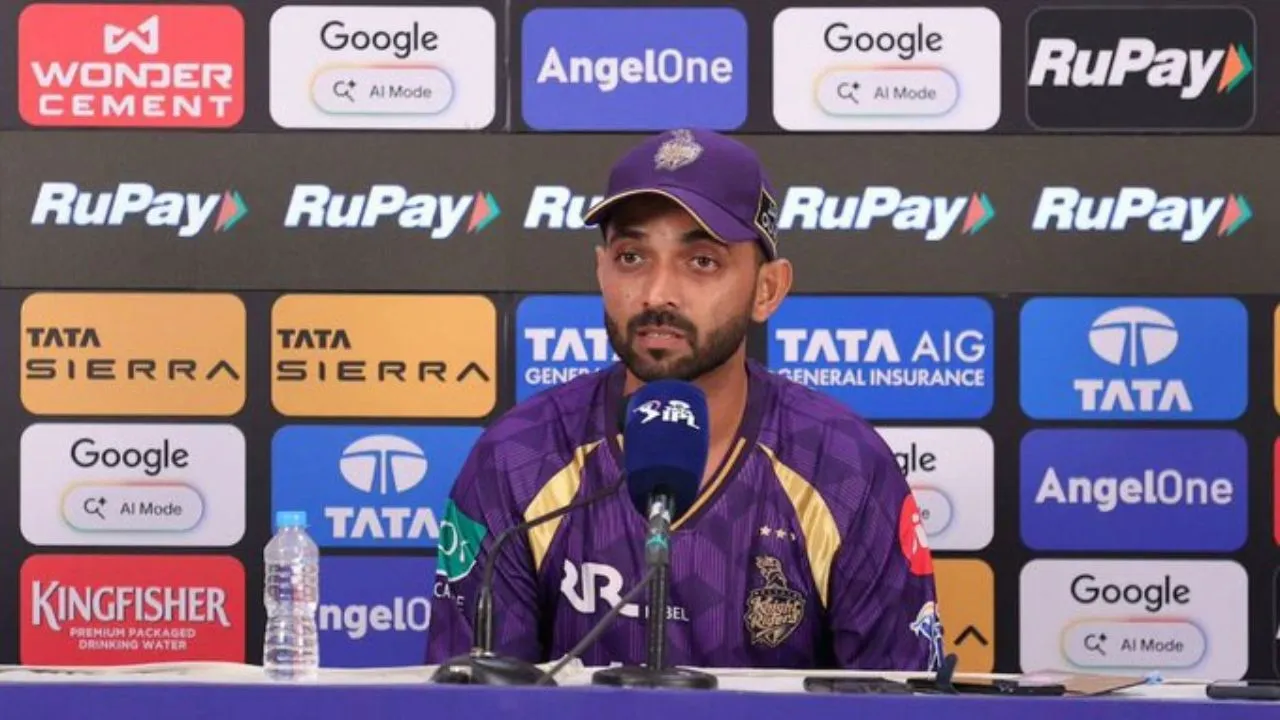
“Ball was slightly stopping”: Ajinkya Rahane admits misreading pitch, says bowling first proved costly after KKR’s loss vs SRH
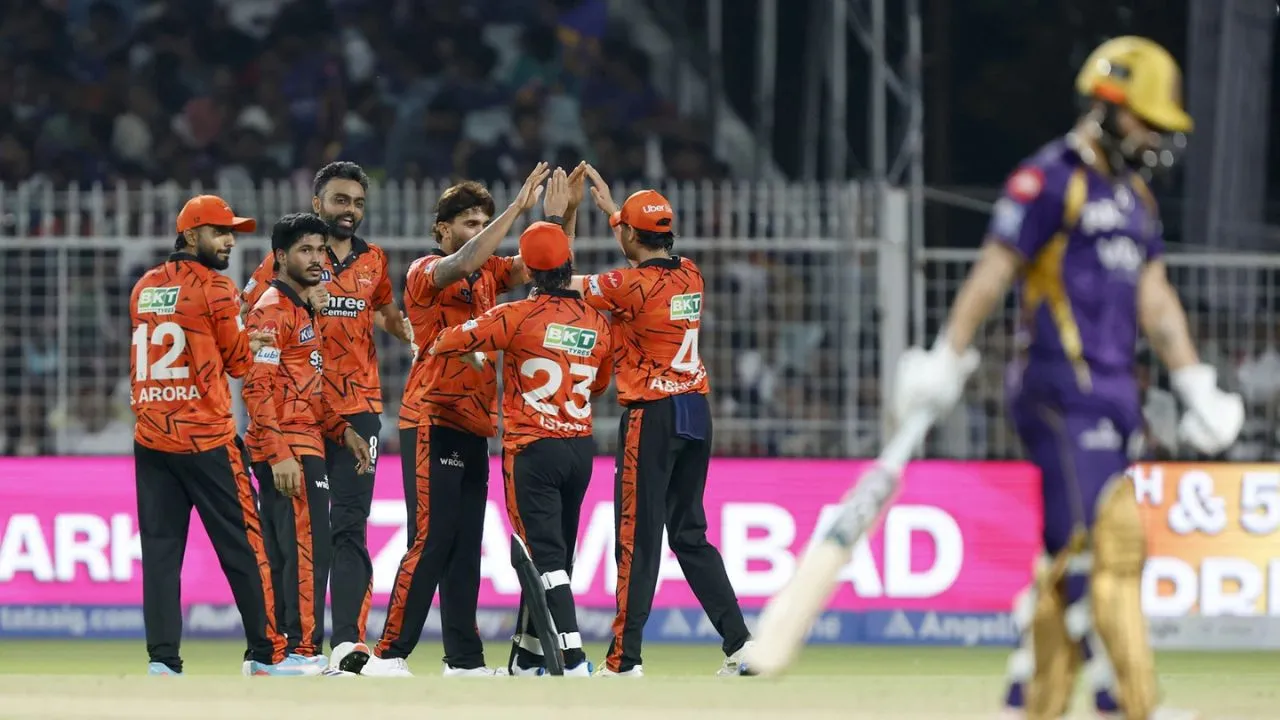
IPL Points Table 2026: Updated Standings, Orange Cap, Purple Cap After KKR vs SRH Match 6
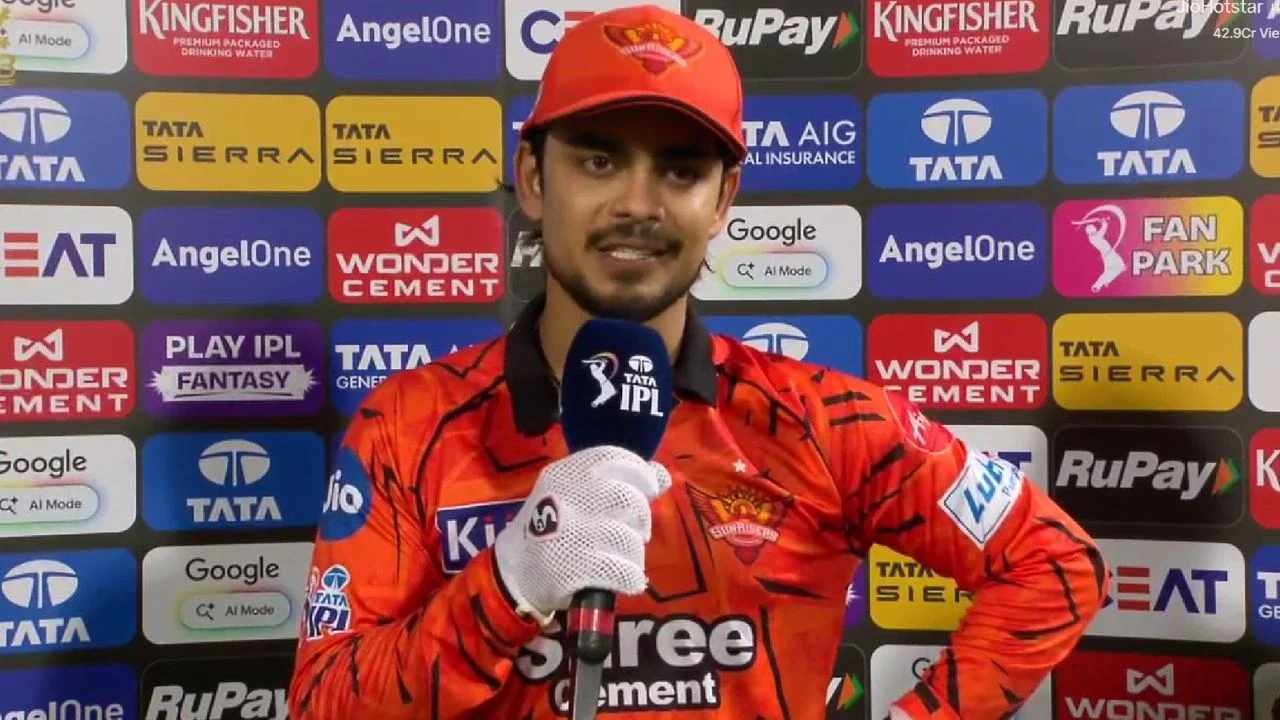
“Nitish playing a lovely knock”: Ishan Kishan captain credits Nitish Kumar Reddy after all-round performance in SRH’s massive win vs KKR
Abhishek Sharma goes berserk smash 25 runs off Varun Chakravarthy in IPL 2026
Varun Chakravarthy takes a controversial catch to dismiss Abhishek Sharma in IPL 2026
Mitchell Santner joins Mumbai Indians squad available against Delhi Capitals in IPL 2026
Manish Pandey and Anukul Roy recreate Pakistan’s viral drop moment in IPL 2026
Finn Allen sets tone with 24 runs in first over against David Payne
“I request you with folded hands, please…”: Ravichandran Ashwin begs Rishabh Pant to…
Rishabh Pant nearly injures Sameer Rizvi during LSG vs DC IPL 2026 clash, video goes viral