

BCCI fires MISSILES at BCB as Bangladesh threatens to shift T20 World Cup matches from India
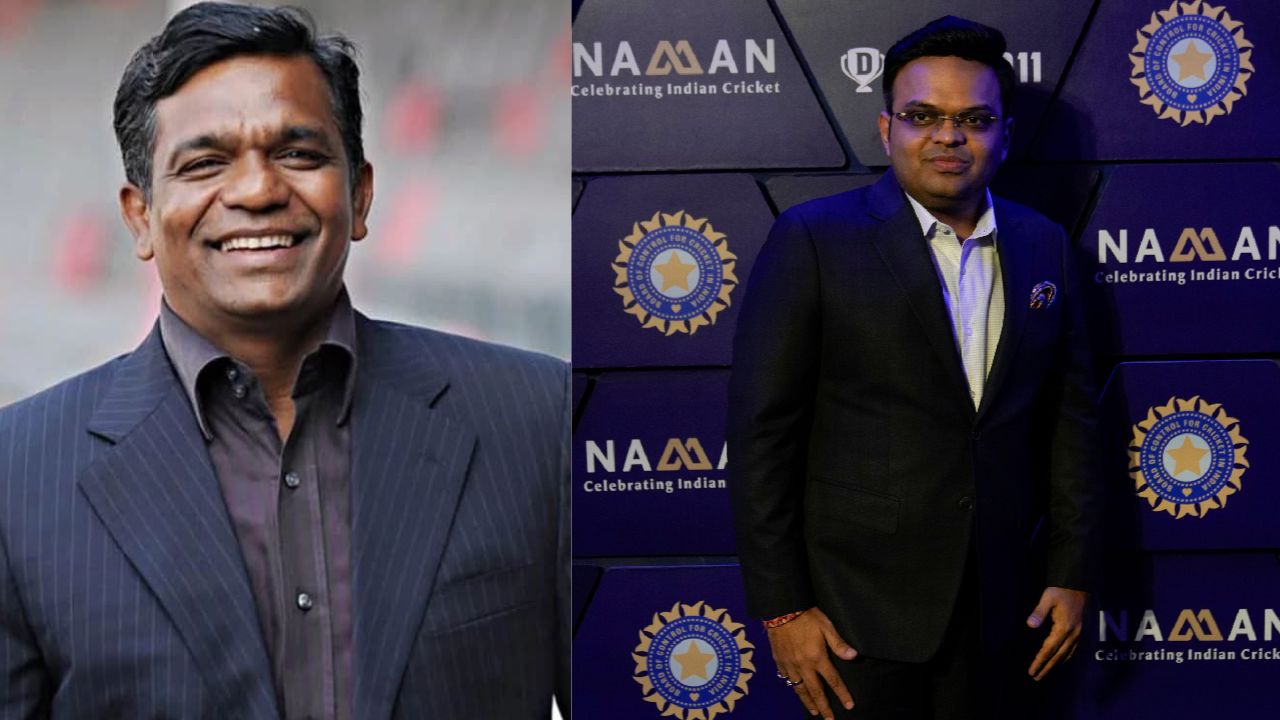
BCB Considers Venue Change for 2026 T20 World Cup Matches
The Bangladesh Cricket Board (BCB) is reportedly contemplating seeking a modification of venue for Bangladesh’s matches during the upcoming T20 World Cup in 2026. This decision has sparked tensions with the Board of Control for Cricket in India (BCCI), leading to a series of reactions and discussions between the two cricketing boards.
Kolkata Knight Riders Release Mustafizur Rahman
Amidst the speculation surrounding Bangladesh’s potential venue change request, Kolkata Knight Riders (KKR) made headlines by releasing Bangladeshi fast bowler Mustafizur Rahman. The decision to part ways with Rahman came after the BCCI instructed the franchise to remove him from the squad. KKR had acquired Rahman for Rs 9.20 crore during the IPL 2026 mini-auction in Abu Dhabi.
The tense situation between the BCCI and BCB escalated following Rahman’s release from KKR. Reports indicate that recent violent incidents in Bangladesh, coupled with growing political instability, have further strained relations between the two neighboring countries.
BCB Seeks ICC Intervention
Following an emergency meeting, the Bangladesh Cricket Board, under the guidance of government advisor Asif Nazrul, decided to approach the International Cricket Council (ICC) to request a relocation of Bangladesh’s T20 World Cup matches from India to Sri Lanka. Nazrul emphasized the importance of ensuring the safety and well-being of Bangladeshi cricketers amidst the existing political tensions.
BCB President Aminul Islam Bulbul refrained from commenting on the issue but directed the board to formally communicate with the ICC regarding the potential venue change. The advisor’s directive highlighted concerns over the safety of Bangladeshi players traveling to India for the World Cup matches.
BCCI Responds to Venue Change Request
In response to Bangladesh’s request to shift the T20 World Cup matches away from India, the BCCI expressed reservations about the feasibility of such a last-minute change. Officials cited logistical challenges, including team travel, accommodation, broadcast arrangements, and match-day operations that have already been finalized.
The BCCI stressed the complexity of altering schedules with multiple matches scheduled across different countries each day. The board highlighted the need to consider the implications for opposition teams, broadcast crews, and other stakeholders involved in the tournament.
Overall, the proposed venue change for Bangladesh’s matches in the 2026 T20 World Cup has intensified the ongoing dialogue between the BCB and BCCI, underscoring the complexities of international cricket diplomacy amid political tensions.
Impact on Mustafizur Rahman’s Career
Mustafizur Rahman’s sudden release from the Kolkata Knight Riders not only highlights the strained relations between the BCB and BCCI but also raises questions about the future of his career. As a talented fast bowler, Rahman’s availability and performance in top-tier tournaments like the IPL are crucial for his development and exposure on the global stage.
The decision to remove Rahman from the KKR squad could potentially hamper his opportunities to showcase his skills in one of the most prestigious T20 leagues in the world. This setback may affect his market value in future auctions and limit his chances to compete against world-class players, hindering his growth as a cricketer.
Moreover, the controversy surrounding Rahman’s release underscores the challenges faced by players caught in the crossfire of political disputes between cricket boards. As athletes representing their countries, cricketers like Rahman often find themselves at the mercy of decisions made at the administrative level, impacting their careers and aspirations in the sport.
Broader Implications for Cricket Diplomacy
The ongoing saga between the BCB and BCCI over the venue change for the 2026 T20 World Cup matches sheds light on the intricate web of cricket diplomacy and international relations within the sport. Beyond the game itself, cricket serves as a platform for countries to engage in diplomatic exchanges, cultural interactions, and power dynamics.
By seeking ICC intervention to relocate their matches, Bangladesh is asserting its concerns over the safety and well-being of its players, highlighting the broader implications of hosting international sporting events in politically sensitive environments. The decision to move matches to Sri Lanka reflects the BCB’s commitment to prioritizing player welfare amidst external pressures and security risks.
Conversely, the BCCI’s response underscores the challenges of accommodating last-minute changes in a highly structured and organized tournament like the T20 World Cup. Balancing the needs of multiple stakeholders, including teams, broadcasters, and fans, while ensuring the smooth execution of matches presents a complex logistical puzzle that requires careful consideration and planning.
Future of Cricket Diplomacy in South Asia
The tensions between the BCB and BCCI over the venue change for the 2026 T20 World Cup matches raise questions about the future of cricket diplomacy in South Asia. As neighboring countries with intertwined cricketing histories, Bangladesh and India play a crucial role in shaping the regional dynamics of the sport.
Moving forward, both boards will need to navigate political sensitivities, security concerns, and logistical challenges to ensure the successful coexistence of cricket competitions and diplomatic engagements. Finding common ground, fostering open communication, and prioritizing the interests of players and fans will be essential in maintaining the spirit of sportsmanship and unity within the region.
In conclusion, the discussions surrounding the potential venue change for Bangladesh’s matches in the 2026 T20 World Cup underscore the complexities and nuances of cricket diplomacy, highlighting the intricate interplay between sports, politics, and international relations on the global stage.
Latest News
Punjab Kings penalised! Shreyas Iyer punished after win vs Gujarat Titans in IPL 2026
Shreyas Iyer injury update: Punjab Kings captain ruled out of IPL 2026?
LSG vs DC Match No. 5 Preview: Free Live Streaming, Pitch & Weather Report, Head-to-Head | IPL 2026

LSG vs DC Match Prediction – Who Will Win Match No.5? | IPL 2026
LSG Playing XI vs DC Playing XI – Match No. 5 | IPL 2026
Krunal Pandya breaks silence on India snub, opens up on Virat Kohli
Mohsin Naqvi enforces new social media rules for Pakistan players following Naseem Shah incident
Fakhar Zaman officially handed cricket ban after PSL 2026 ball-tampering controversy
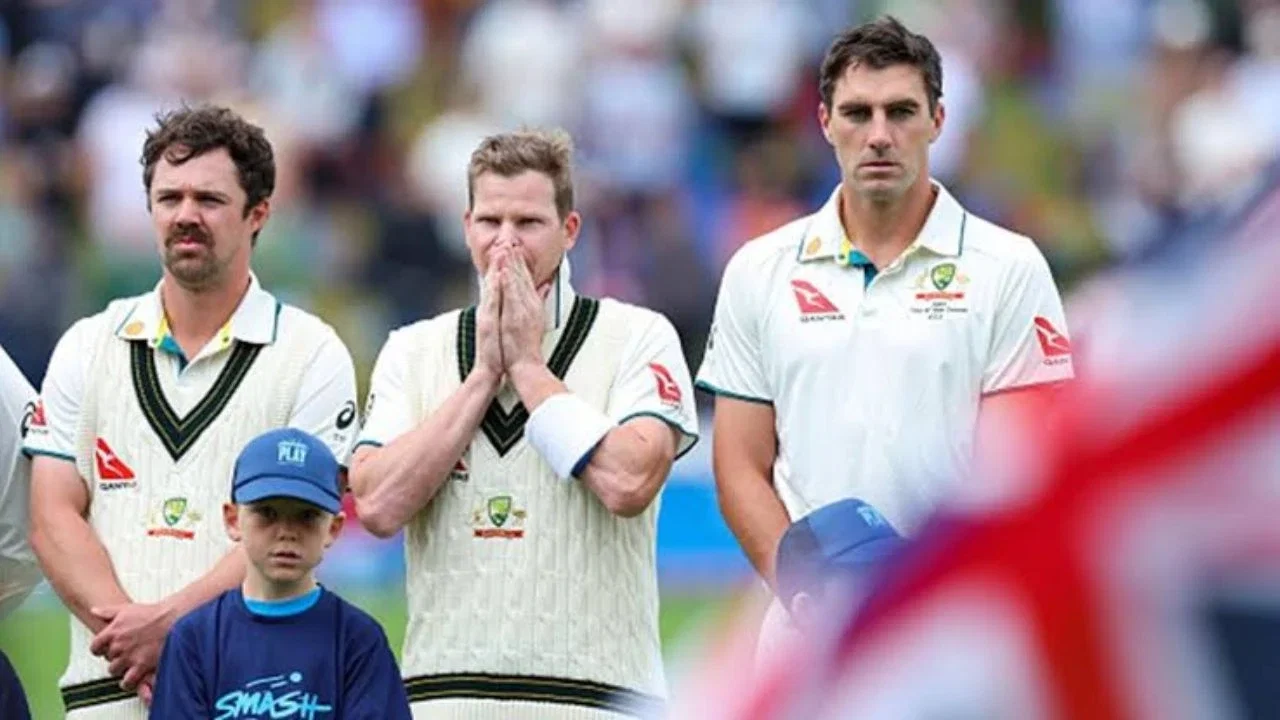
Pat Cummins forces Cricket Australia to slash central contracts list to secure premium deal
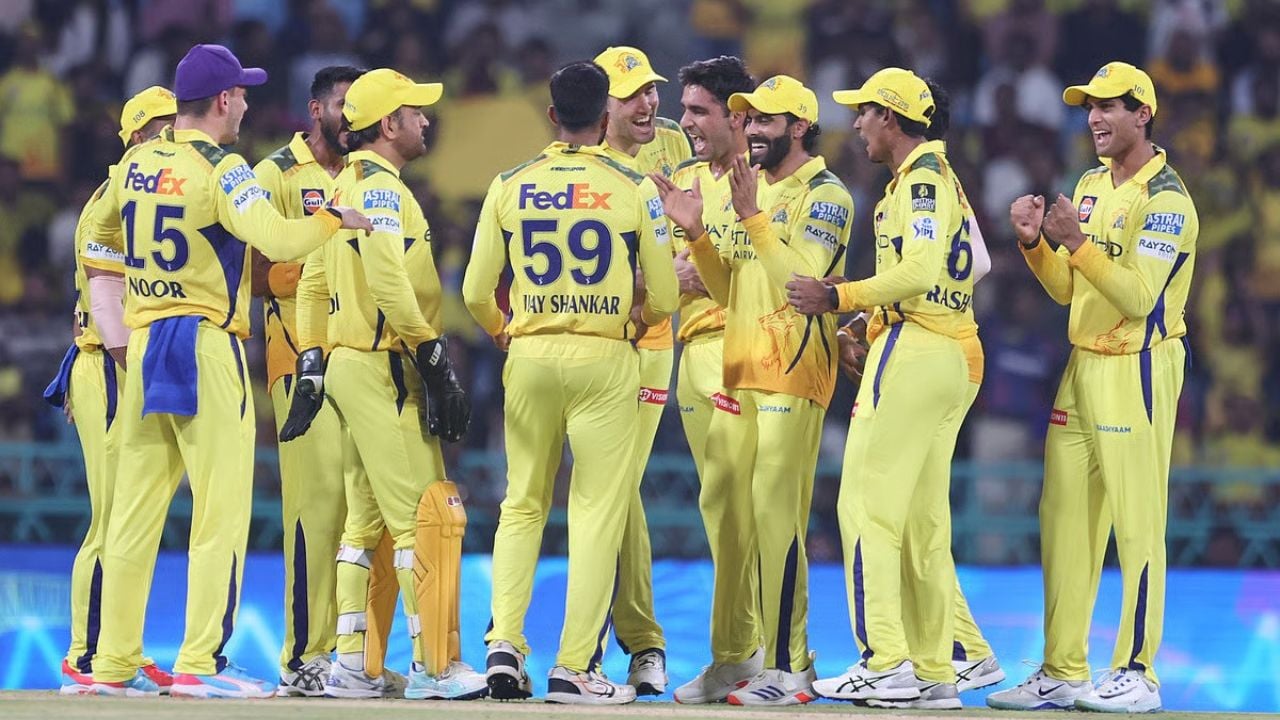
CSK’s big promise to players revealed amid IPL 2026: “Whatever BCCI offers, we’ll double it”
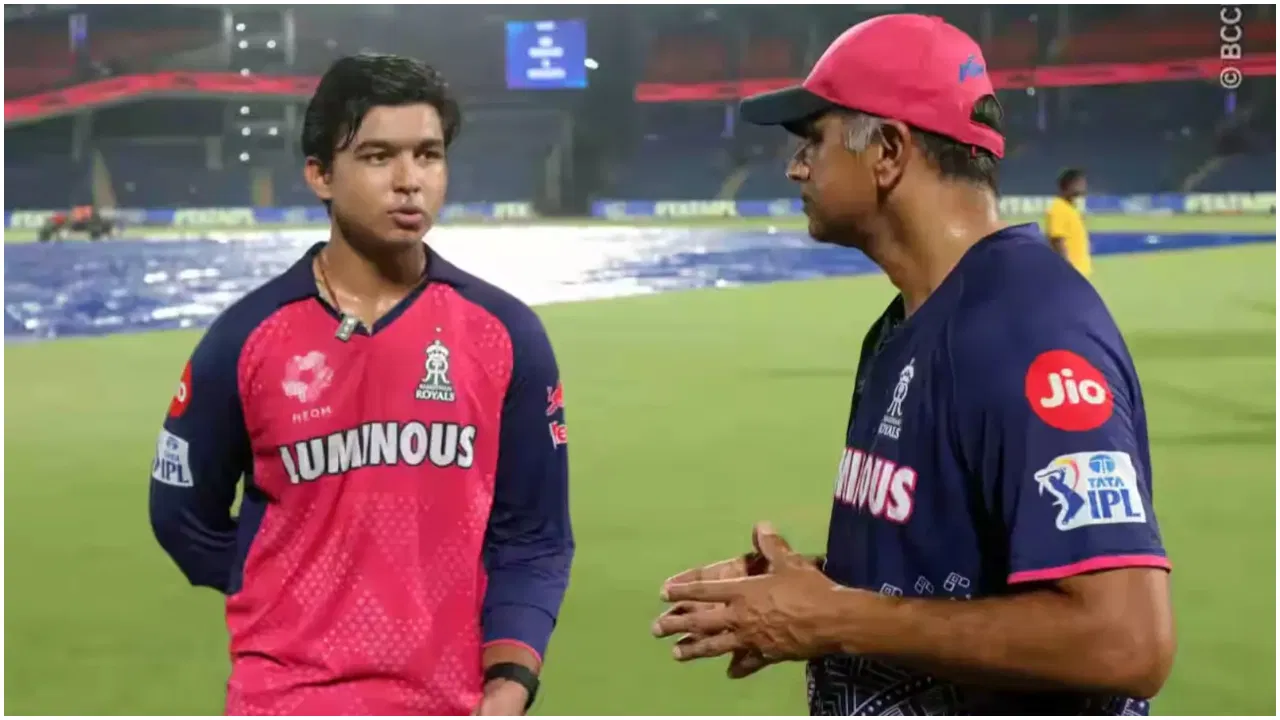
Ravichandran Ashwin rules out Vaibhav Sooryavanshi’s India call-up
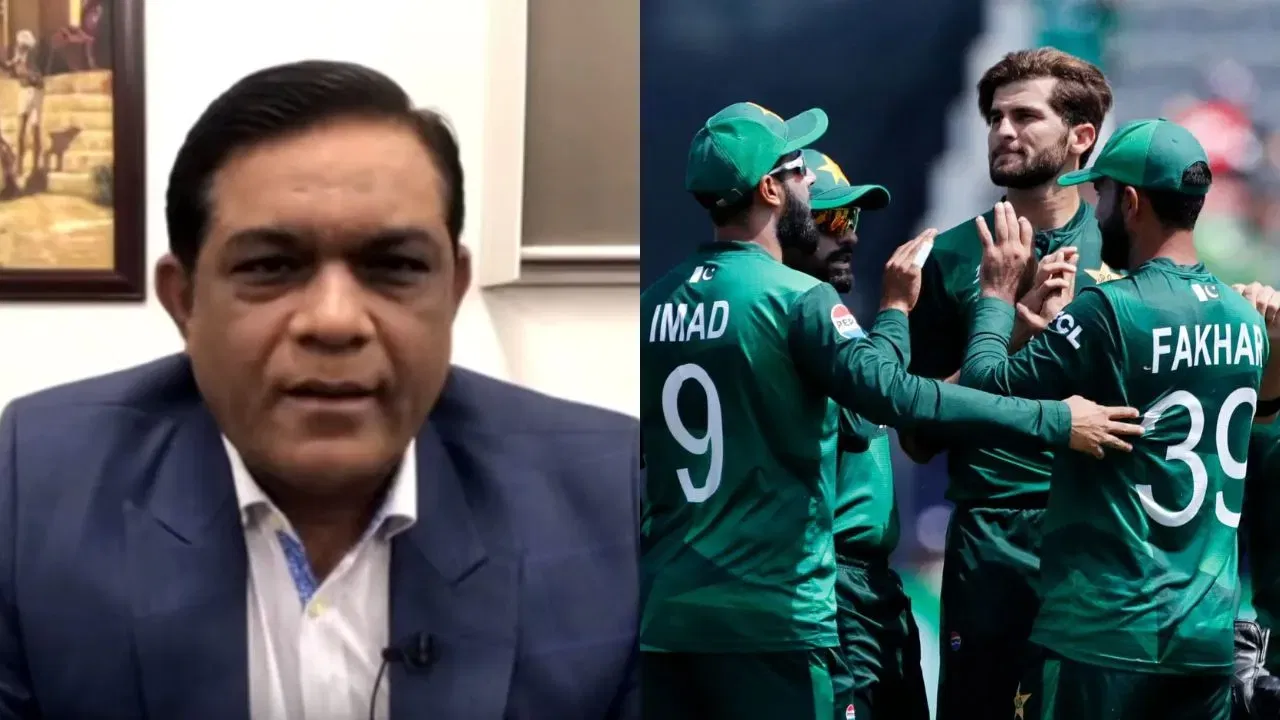
Rashid Latif claims PSL ball-tampering row was deliberately created for attention amid IPL rivalry
Mohammed Shami breaks silence on retirement buzz after India snub; has special message for LSG
Mohammed Shami reveals IPL 2026 Top 4, leaves out five-time champions

