BCCI goes strict, brutally rejects Suryakumar Yadav and Hardik Pandya’s T20 World Cup request
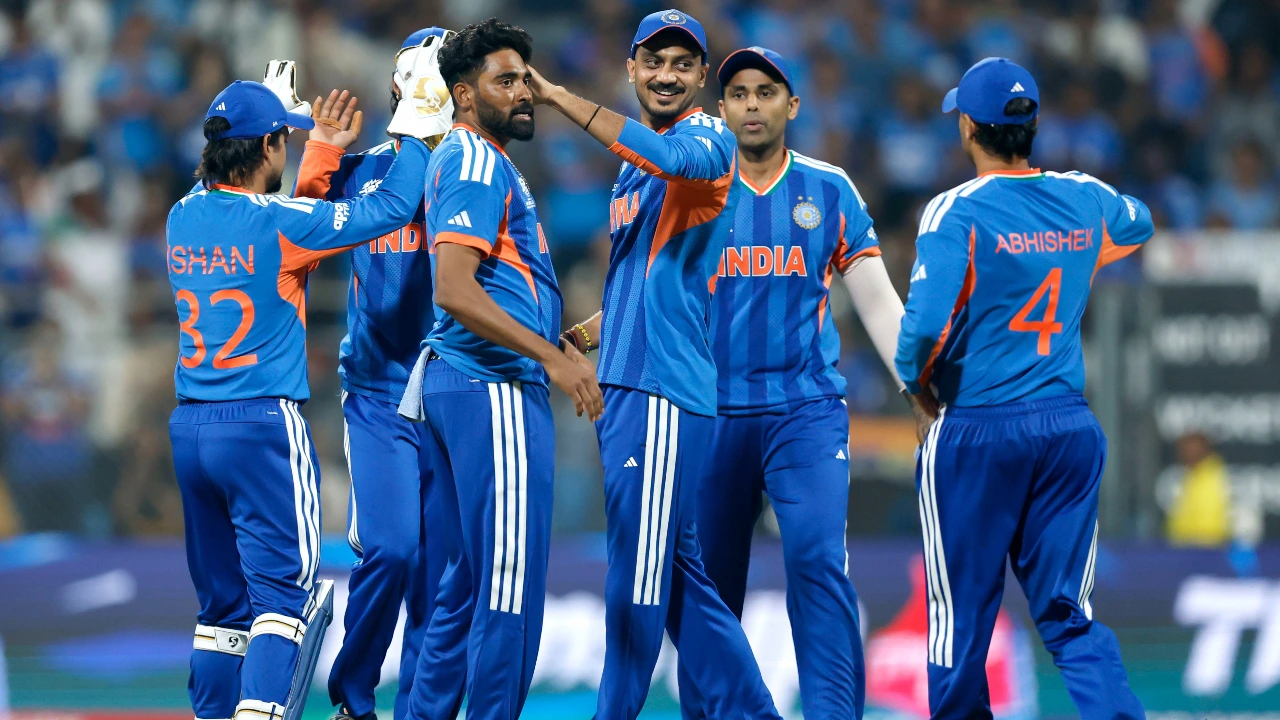
BCCI Maintains Policy of Not Allowing Players’ Families to Stay During T20 World Cup 2026
The Board of Control for Cricket in India (BCCI) has made the decision to uphold its current policy of not permitting players to stay with their families during the ongoing T20 World Cup. Despite requests from Team India players, the board has chosen to stick with the guidelines already in place for tours and major tournaments.
Background: BCCI’s Family Travel Rules
After India’s 1-3 defeat in the Border-Gavaskar Trophy (BGT) in Australia, the BCCI implemented strict rules regarding family travel for overseas tours and tournaments. According to the official policy, players are allowed to have their families with them for up to 14 days if the tour lasts more than 45 days.
According to a report in the Indian Express, the Indian team management inquired with the BCCI about the possibility of players’ wives or fiancées traveling with the squad and staying with them. However, the board rejected the request, affirming that family members will not be permitted to stay with the players.
A BCCI source confirmed, “The Indian team management had approached the BCCI to ask whether wives and fiancées can travel with the team and whether they can also stay with them. The board has made it clear that families won’t be staying with the players. They can make separate arrangements, though, if they want to.”
India’s T20 World Cup 2026 Journey and Travel Schedule
India kicked off their T20 World Cup 2026 campaign on February 7 with a victory over the USA at the Wankhede Stadium in Mumbai. The campaign, which began on February 7, is expected to last just over a month, falling short of the 45-day limit set by the BCCI for family stays.
After their initial win, the team traveled from Mumbai to Delhi and is now preparing to head to Sri Lanka for their group-stage match against Pakistan on February 15. Following this, they will return to India for their final group fixture. If India progresses to the Super 8 and knockout stages, further travel will be required.
BCCI’s Strict Regulations on Travel, Family, and Selection
The BCCI has implemented stringent measures around travel and player routines during the T20 World Cup. The squad will travel via private charter flights, and personal chefs have been arranged at nearby hotels to prepare meals for the team.
Following India’s loss to Australia, the BCCI revised its policy in January 2025, allowing families to stay with players for a maximum of 14 days only if a tour lasts more than 45 days. Additionally, the board made domestic cricket mandatory for centrally contracted players seeking to remain in contention for national selection.
Overall, the BCCI’s decision to maintain its policy of not allowing players’ families to stay during the T20 World Cup 2026 reflects their commitment to player focus and performance during the tournament.
Impact of BCCI’s Family Travel Rules on Player Performance
While some may view the BCCI’s decision to restrict players’ families from staying with them during the T20 World Cup as harsh, there is a strategic rationale behind this policy. By minimizing distractions and ensuring players remain focused solely on their performance, the board aims to optimize the team’s chances of success in the tournament.
Research in sports psychology suggests that minimizing external distractions can enhance player concentration and performance. By creating a controlled environment free from familial obligations, the BCCI is fostering a conducive setting for players to excel on the field. This decision aligns with the board’s goal of prioritizing the team’s performance above all else.
The Evolution of Team Dynamics in Modern Cricket
The dynamics within cricket teams have evolved significantly over the years, with a greater emphasis on professionalism and performance. In the past, players often traveled with their families for emotional support and comfort. However, in today’s competitive cricket landscape, the focus has shifted towards creating a high-performance culture that demands unwavering dedication from players.
Team India’s journey in the T20 World Cup 2026 exemplifies this shift towards a more structured and disciplined approach to tournament preparation. By adhering to strict travel regulations and maintaining a singular focus on the game, players are better equipped to handle the pressures of international competition.
Balancing Personal Life with Professional Commitments
While the BCCI’s policy may seem stringent, it underscores the importance of striking a balance between personal life and professional commitments in elite sports. By setting clear boundaries around family travel during tournaments, the board is promoting a sense of responsibility and dedication among players, fostering a culture of accountability and resilience.
Players, in turn, must navigate the challenges of being away from their families for extended periods, relying on their teammates and support staff for emotional and mental support. This experience can further strengthen team cohesion and unity, as players rally together in pursuit of a common goal.
Looking Ahead: Future Considerations for Player Well-Being
As cricket continues to evolve, discussions around player well-being and mental health have come to the forefront. While the BCCI’s policy prioritizes performance, it is essential to consider the holistic well-being of players, including their mental and emotional health.
Moving forward, cricket boards worldwide may need to strike a delicate balance between optimizing performance and supporting player well-being. Open dialogue, mental health resources, and flexible policies that cater to individual needs could help create a more sustainable and player-centric environment within the sport.
In conclusion, the BCCI’s decision to uphold its policy of not allowing players’ families to stay during the T20 World Cup 2026 reflects a broader shift towards professionalism, performance optimization, and team cohesion in modern cricket. By navigating the complexities of personal and professional commitments, players and cricket boards can work together to create a supportive and competitive environment for the sport’s continued growth and success.
Latest News
IPL 2026 second-half schedule announcement date revealed by BCCI secretary
LHQ vs HYDK Match Prediction, Pitch & Weather Report, Playing XIs, Head-to-Head, Free Live Streaming – PSL 2026 Match 1
Aditya Birla Group confirms NO NAME CHANGE plans after RCB takeover
Virat Kohli will win Orange Cap: Jitesh Sharma makes bold IPL 2026 predictions

David Warner tears into Shaheen Afridi and Mohammad Rizwan at PSL captains’ press conference
“Joker and Clueless”: Lalit Modi’s fiery attack on Sanjiv Goenka for his Jay Shah remark after RR–RCB mega sale
IPL 2026: BCCI scraps opening ceremony! Virat Kohli’s RCB linked to shocking decision
Sanju Samson gets huge role as Ruturaj Gaikwad confirms CSK openers for IPL 2026
Prithvi Shaw declares his mission to return to team India begins from IPL 2026
Irfan Pathan questions Arshdeep Singh’s bowling ahead of IPL 2026
“Mind is somewhere else”: Yuvraj’s Father exposes Abhishek Sharma’s indiscipline lifestyle
EX-RCB pacer joins KKR as replacement of Harshit Rana ahead of IPL 2026

“Win our first trophy”: Sanjiv Goenka crowns LSG as champions ahead of IPL 2026
New catching rule? Captains warned over ‘Incomplete’ catches ahead of IPL 2026