BCCI issues official statement on India vs Pakistan No-Handshake controversy

BCCI Responds to Controversy Surrounding India’s Decision to Not Shake Hands with Pakistan Players After Asia Cup Match
The Incident:
After a thrilling clash between India and Pakistan in the Asia Cup 2025, Suryakumar Yadav’s spectacular six sealed the victory for India on Sunday, September 14, in Dubai. However, what followed sparked a debate in the cricketing world. Instead of exchanging handshakes with the Pakistan players, Yadav and Shivam Dube headed straight to the dressing room. The Pakistan players waited on the field, but eventually left as Team India remained inside. Pakistan captain Salman Ali Agha even missed the post-match presentation, leading to mixed reactions among fans and experts.
Pakistan Cricket Board’s Complaint:
The Pakistan Cricket Board (PCB) did not take India’s decision lightly. They filed a complaint with the Asian Cricket Council (ACC) following the match. The issue arose when Team India’s head coach, Gautam Gambhir, and senior members of the squad collectively decided to abstain from shaking hands with the opposition. It was reported that Gambhir played a pivotal role in this decision. Yadav later dedicated India’s victory to the armed forces and the victims of the Pahalgam terror attack, justifying the team’s choice by emphasizing that certain things in life hold more significance than sportsmanship.
BCCI’s Stance:
A senior official from the Board of Control for Cricket in India (BCCI) broke the silence on the matter, clarifying that there is no mandatory rule that obligates players to shake hands after a match. The official highlighted that while it is a widely practiced goodwill gesture, it is not a formal requirement. The decision to refrain from handshakes was made in light of the tensions stemming from the Pahalgam terror attack earlier in the year. The official emphasized that since there is no strict rule in place, the Indian team was within their rights to forego the traditional post-match handshake.
Future Encounters:
Despite the mixed reactions and controversy surrounding the incident, it is likely that India will continue to avoid handshakes with Pakistan in future encounters, including the upcoming Super Four clash and potentially the final on September 28. The decision reflects the ongoing strained relationship between the two cricketing nations.
Match Highlights:
In the match itself, Pakistan won the toss and chose to bat first but struggled against India’s disciplined bowling attack. They managed to post a modest total of 127/9 in their 20 overs, with Kuldeep Yadav, Axar Patel, and Jasprit Bumrah putting up a stellar performance. In response, India’s Abhishek Sharma provided a flying start with 30 off 13 balls, while Yadav’s unbeaten 47 off 37 balls ensured India’s victory in just 15.5 overs. This win marked India’s 11th victory over Pakistan in 20 Asia Cup matches, across both ODI and T20I formats.
As the debate continues to unfold, the cricketing world eagerly anticipates the next encounter between these two arch-rivals, eagerly waiting to see if the handshake controversy will have a lasting impact on their interactions on and off the field.
Impact of Social Media:
The incident of India not shaking hands with Pakistan players after the Asia Cup match quickly spread across social media platforms, sparking heated discussions among fans and cricket enthusiasts. Twitter, in particular, saw a flurry of tweets both supporting and criticizing India’s decision. The hashtag #HandshakeGate trended for days, with users expressing diverse opinions on sportsmanship, patriotism, and diplomacy in cricket. This incident exemplifies how social media can amplify controversies and shape public perception of sporting events.
Historical Context:
The longstanding political tensions between India and Pakistan have often spilled over into cricket matches, with games between the two nations carrying significant emotional weight for players and fans alike. The decision by Team India to forgo the handshake can be seen as a reflection of the complex historical and political dynamics that underpin cricketing rivalries in the region. Understanding this context is crucial in interpreting the actions of the players and the reactions they provoke.
International Response:
The controversy surrounding the handshake incident has garnered international attention, with cricket boards, players, and experts from around the world weighing in on the matter. Some have criticized India’s actions as unsportsmanlike, arguing that gestures of respect and sportsmanship should transcend political tensions. Others have supported India’s decision, citing the team’s right to express solidarity with victims of violence. The global reaction to this incident underscores the significance of sports as a platform for both unity and division.
Future Diplomatic Implications:
While cricket is often viewed as a game played on the field, the handshake controversy between India and Pakistan highlights how sporting events can intersect with broader political and diplomatic considerations. The fallout from this incident may have implications for bilateral relations between the two countries, potentially impacting future sporting interactions and diplomatic dialogue. As such, the decision to abstain from handshakes carries weight beyond the boundaries of the cricket pitch.
Lessons for the Future:
As the cricketing world reflects on the handshake controversy between India and Pakistan, there are valuable lessons to be learned about the complexities of sportsmanship, nationalism, and diplomacy in the realm of sports. This incident serves as a reminder of the power of sporting gestures to convey deeper meanings and provoke discussions beyond the boundaries of the game. Moving forward, it prompts players, officials, and fans to consider the multifaceted nature of sports and the role they play in shaping narratives that extend far beyond the pitch.
Ultimately, the handshake controversy between India and Pakistan serves as a microcosm of the intricate relationships between sports, politics, and identity. As the cricketing world navigates the aftermath of this incident, it underscores the need for nuanced understanding, empathy, and dialogue to bridge divides and foster mutual respect in the spirit of the game.
Latest News
MS vs HYDK Match Prediction, Pitch & Weather Report, Playing XIs, Head-to-Head, Free Live Streaming – PSL 2026 Match 8
ISU vs PSZ Match Prediction, Pitch & Weather Report, Playing XIs, Head-to-Head, Free Live Streaming – PSL 2026 Match 7
Ravindra Jadeja breaks silence on fiery send-off to Shivam Dube in RR vs CSK IPL 2026 clash
Mohsin Naqvi and PCB fines Naseem Shah for criticizing Pakistan’s top politician
IPL Points Table 2026: Updated Standings, Orange Cap, Purple Cap After RR vs CSK Match 3
Lahore Qalandars fines Shaheen Shah Afridi over security concerns
“All bowlers did well”: Riyan Parag praises bowling unit after RR’s dominating win over CSK in IPL 2026
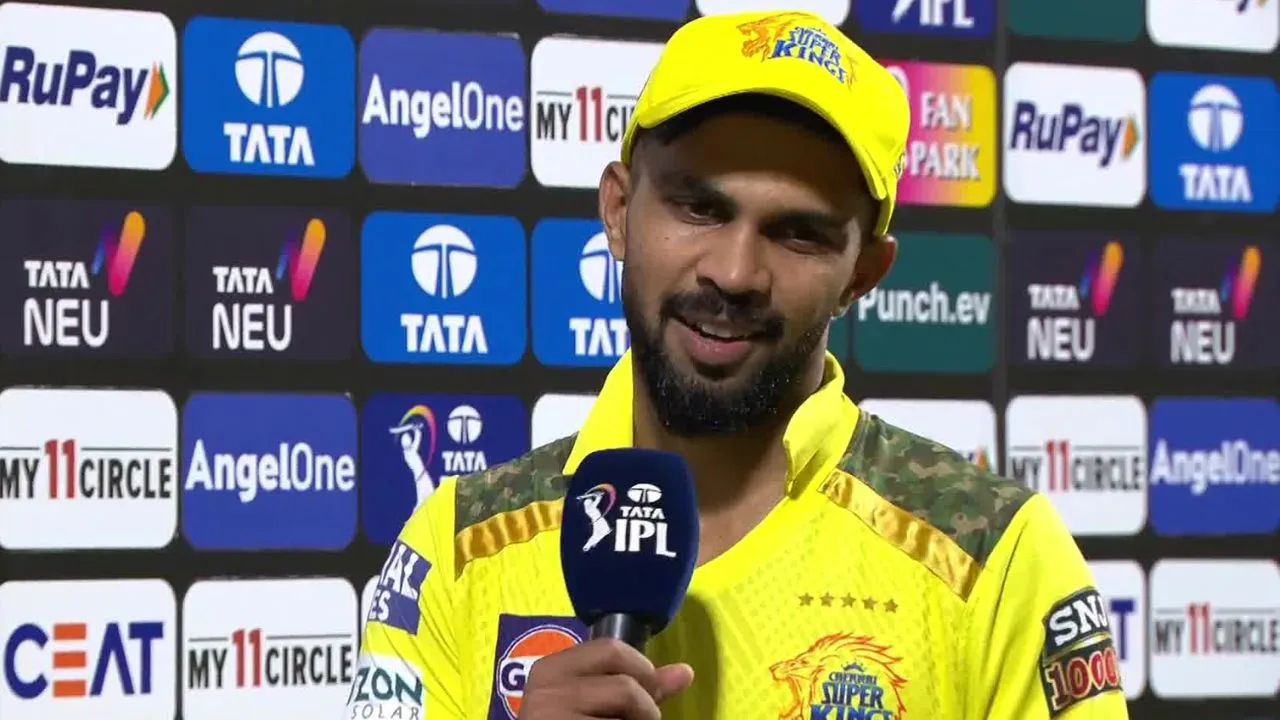
“A lot of mistakes”: Ruturaj Gaikwad points at batting collapse after humilating loss vs RR in IPL 2026
Aakash Chopra hits back at fan with sharp reply on social media
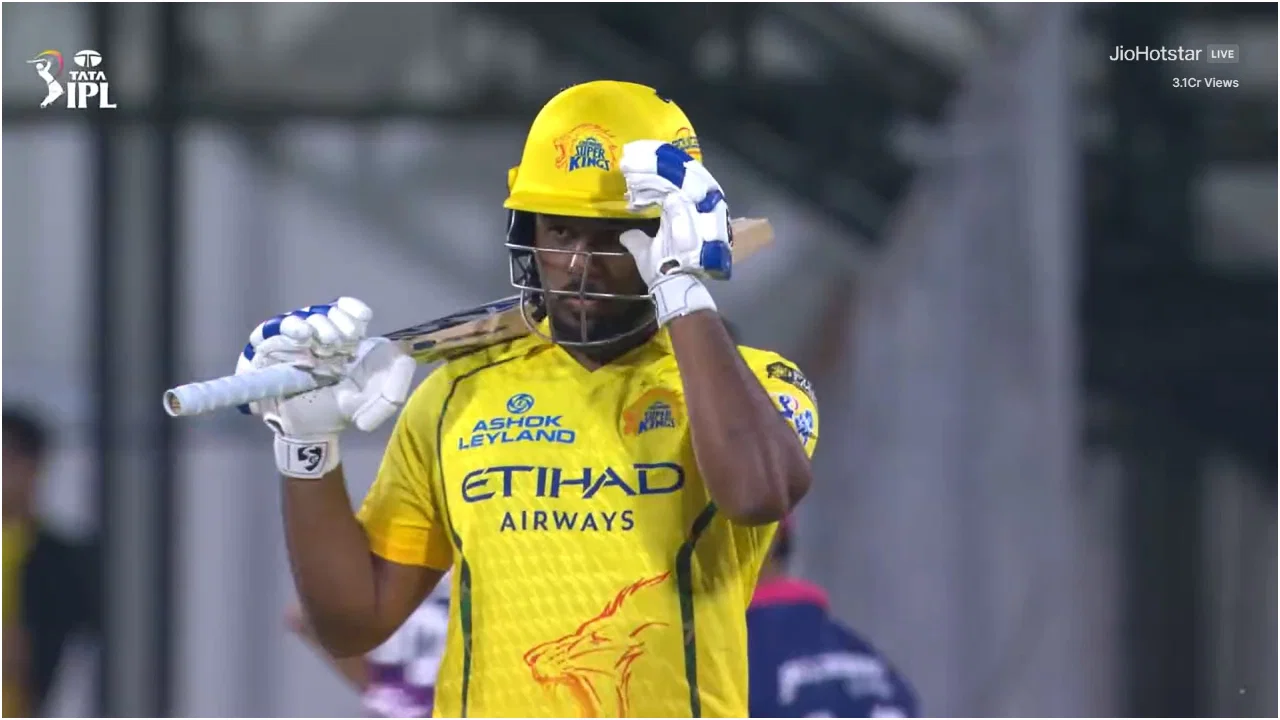
Sanju Samson castled for 6 by Nandre Burger, fails badly on CSK debut in IPL 2026
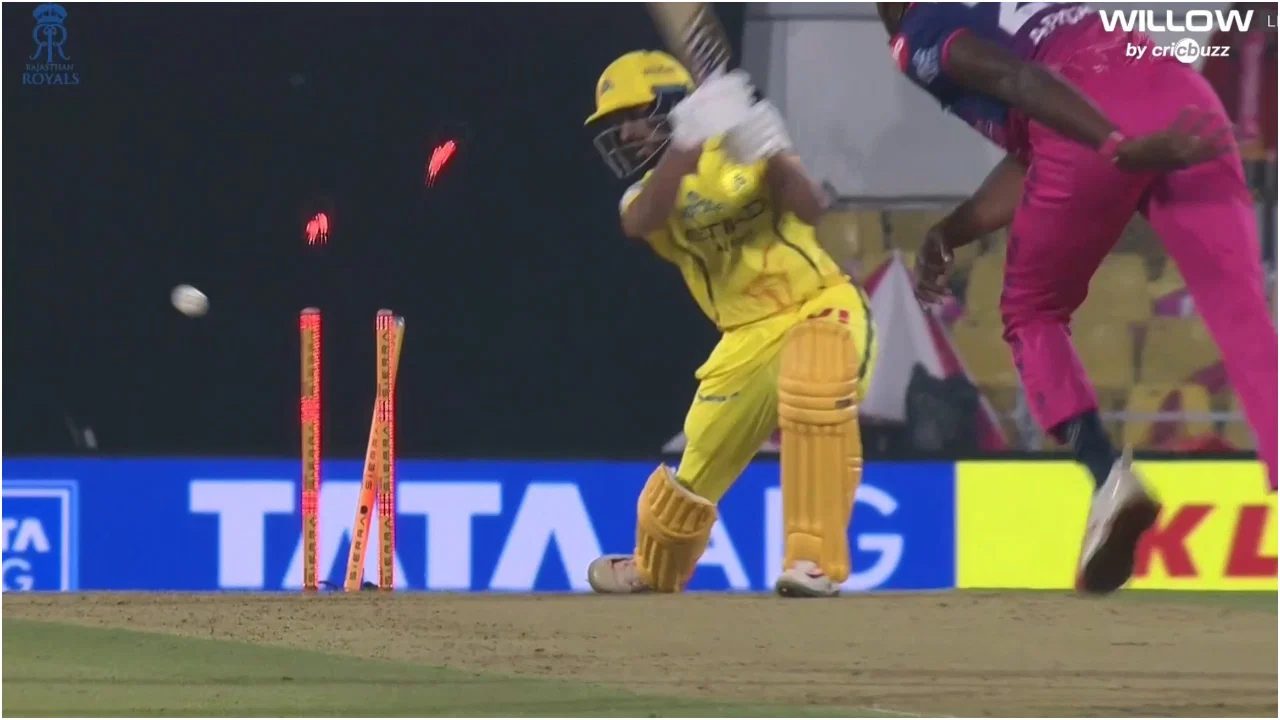
Jofra Archer strikes gold, sends Ruturaj Gaikwad packing for 6
“Is a big mistake”: Manvinder Bisla urges patience, backs KKR bowlers to bounce back
“Bas bhai ab aur nahi”: Fans trolls CSK after batting collapse vs RR in IPL 2026
‘Rohit Sharma will worry all IPL teams’ – Ex-RCB captain issues warning to CSK and others