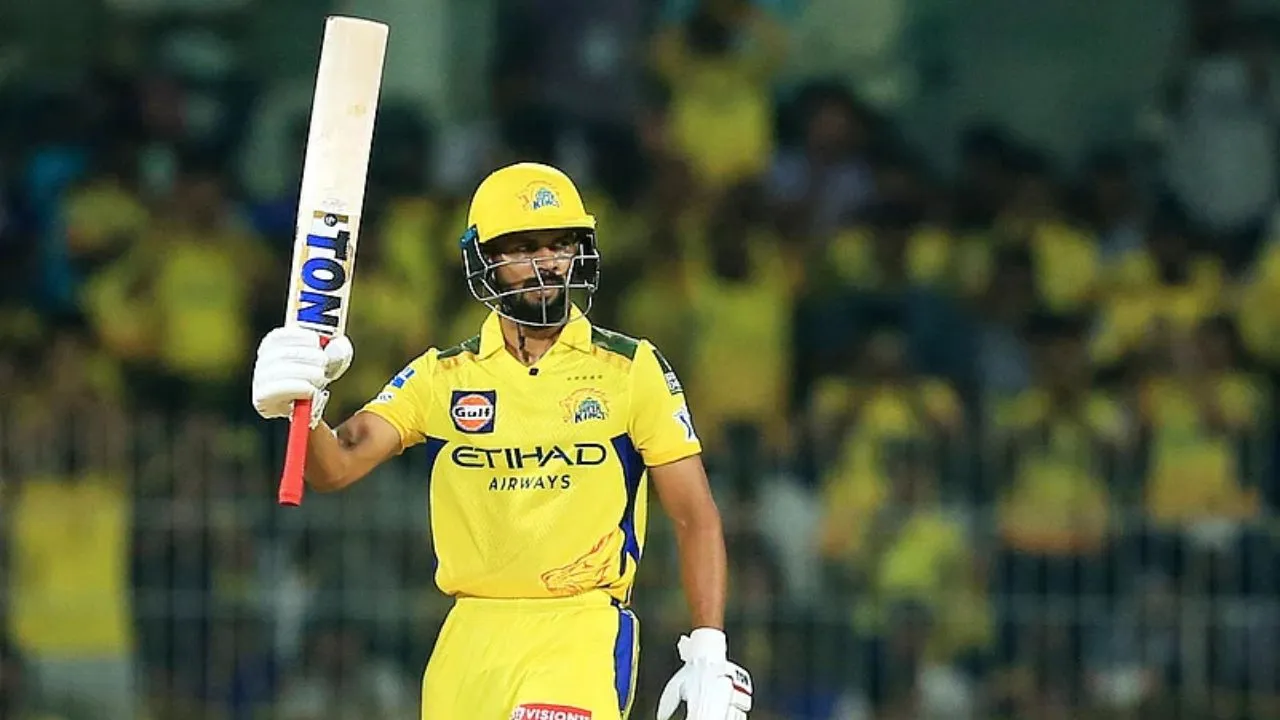
BCCI-LSG nexus exposed for mishandling Mayank Yadav’s rehab
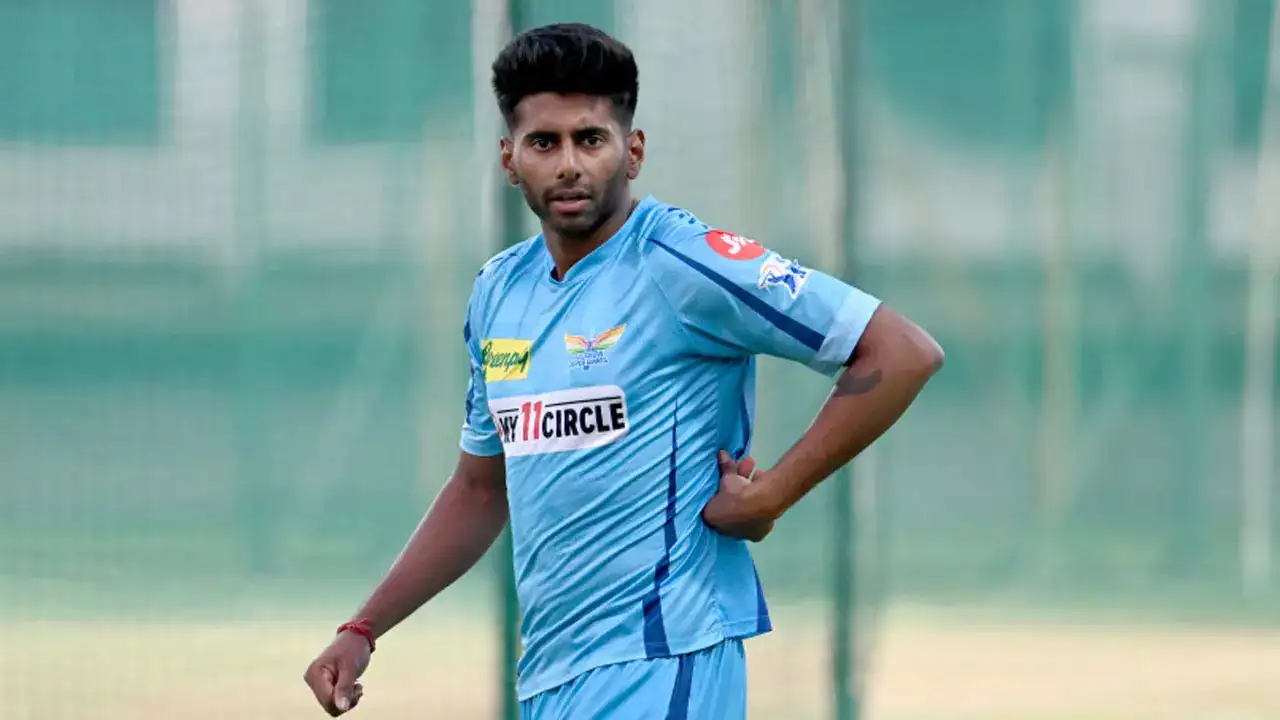
Mayank Yadav’s IPL 2025 Comeback Cut Short Due to Poor Handling
Mayank Yadav’s much-anticipated return to the IPL 2025 ended in disappointment, sparking a wave of questions around the handling of his comeback by the BCCI and the Lucknow Super Giants (LSG).
Mayank’s Return Cut Short
After setting the stage on fire with his 150 kmph thunderbolts last year, Mayank Yadav’s IPL 2025 campaign came to an abrupt end after just two matches. It has now come to light that the young pace sensation was rushed back into action prematurely.
Despite being sidelined due to injury for months, Mayank was cleared to play after only 10-12 bowling sessions at the BCCI’s Centre of Excellence (CoE). Shockingly, a significant portion of these sessions were conducted at reduced intensity, with Mayank not even reaching full pace until late March.
Blame Game Ensues
Although Mayank’s return to the IPL with the Lucknow Super Giants generated excitement, the team opted to tread cautiously and kept him out of the playing XI initially. His comeback finally materialized on April 27 against the Mumbai Indians, but it was short-lived as he was soon ruled out of the tournament.
The spotlight is now on the BCCI’s CoE and the LSG, especially given the team’s struggles with fast bowling this season. Sources have revealed that both entities share responsibility for Mayank Yadav’s breakdown yet again.
Questionable Clearances
Reports suggest that Dhananjay Kaushik, the new head of sports science at the BCCI, gave Mayank the green light after just a handful of sessions. A source commented, “For a bowler returning from a lengthy layoff, it’s surprising that the CoE cleared him after a mere 10-12 sessions, some of which were low-intensity.”
The source highlighted the importance of assessing a player’s response to increased workload gradually, emphasizing that Mayank’s case seemed to involve ticking boxes rather than a comprehensive evaluation.
Concerns Over Mayank’s Fitness
Upon joining the LSG camp, concerns arose regarding Mayank’s reduced pace and altered bowling action. The once fiery pacer had slowed down by at least 10 kmph and relied more on slower deliveries, indicating he wasn’t at full fitness.
Moreover, lingering issues with his bowling action were noted, with experts stressing the need for addressing these concerns to prevent further injury risks. The lack of a proper rehabilitation plan and interventions from external parties were also highlighted as contributing factors to Mayank’s premature return.
LSG Loses Trust
As doubts mounted over Mayank’s recovery and performance, the LSG reportedly confronted him about his drop in pace and irregular bowling routines. Despite explanations from the bowler citing adherence to his rehab regimen, trust in his abilities waned.
Ultimately, the decision to release Mayank was made, casting doubts on his future prospects with the team. With the next IPL season looming, it appears unlikely that Mayank will be retained, signaling a somber end to what was once a promising comeback story.
As stakeholders reflect on the mishandling of Mayank Yadav’s return, the incident serves as a cautionary tale about the importance of prioritizing player welfare and rehabilitation over rushed comebacks in the high-stakes world of professional cricket.
Learning from the Incident
The saga of Mayank Yadav’s premature return to the IPL 2025 sheds light on the delicate balance between player readiness and the pressures of competitive sports. It underscores the need for a more comprehensive approach to managing player recovery and ensuring their long-term well-being.
One key takeaway from this incident is the significance of a gradual and structured rehabilitation process. Rushing an athlete back into action without allowing sufficient time for full recovery and conditioning can lead to setbacks and potential re-injury. This highlights the importance of personalized care plans tailored to each player’s unique needs and readiness.
Enhancing Sports Science and Monitoring
With advancements in sports science and technology, teams and governing bodies should leverage these resources to monitor players’ progress more effectively. Implementing robust tracking mechanisms and performance metrics can provide valuable insights into an athlete’s readiness to return to competitive play.
Regular monitoring of workload, fitness levels, and biomechanics can help identify any red flags and adjust the rehabilitation process accordingly. By incorporating data-driven decision-making, the risk of premature comebacks and injuries can be mitigated, safeguarding the players’ health and career longevity.
Collaboration and Communication
Effective communication between players, coaching staff, medical professionals, and sports science experts is paramount in ensuring a holistic approach to player welfare. Transparent discussions about recovery timelines, progress evaluations, and potential risks can foster a supportive environment conducive to optimal performance.
In Mayank Yadav’s case, improved coordination between the BCCI, the LSG, and the player himself could have prevented the missteps that led to his truncated comeback. Clear lines of communication and shared responsibilities can prevent misunderstandings and facilitate the best possible outcome for all parties involved.
Long-Term Player Development
Looking beyond immediate returns and short-term gains, it is crucial to prioritize the long-term development and sustainability of players’ careers. Investing in comprehensive injury prevention strategies, ongoing support systems, and career planning can ensure that athletes thrive both on and off the field.
By adopting a proactive approach to player management, teams can nurture talent, mitigate risks, and maximize performance potential over the course of a player’s career. This foresight can lead to a more resilient and successful athlete pool, benefiting the sport as a whole.
Conclusion
The case of Mayank Yadav serves as a cautionary tale in the realm of professional cricket, reminding stakeholders of the importance of prioritizing player welfare above all else. By learning from this incident and implementing proactive measures to safeguard athletes’ well-being, the cricketing community can strive towards a more sustainable and ethical approach to player management.
As the sporting world continues to evolve, it is imperative to adapt practices that align with the best interests of the players, the teams, and the sport itself. Mayank Yadav’s story serves as a poignant reminder of the complexities and responsibilities inherent in nurturing and protecting the talents that grace the field.
Latest News
Punjab Kings IPL 2026 Full Schedule: PBKS Fixtures, Dates, Timings and Venues | Squad and Coaches
QTG vs KRK Match Prediction, Pitch & Weather Report, Playing XIs, Head-to-Head, Free Live Streaming – PSL 2026 Match 2
Mumbai Indians IPL 2026 Full Schedule: MI Fixtures, Dates, Timings and Venues | Squad and Coaches
PSL introduces a game-changing rule to challenge IPL supremacy
Vaibhav Sooryavanshi’s India call-up door officially opened – youngster to play with Virat Kohli?
Watch: Nita Ambani fails to recognize Rohit Sharma, calls him a “young boy”
Chennai Super Kings IPL 2026 Full Schedule: CSK Fixtures, Dates, Timings and Venues | Squad and Coaches
Unreal scenes! Abishek Porel lifts dog after pitch invasion during Delhi Capitals’ practice and does this
Chaminda Vaas slams Sri Lanka Cricket for blocking Nuwan Thushara’s IPL participation
Lucknow Super Giants IPL 2026 Full Schedule: LSG Fixtures, Dates, Timings and Venues | Squad and Coaches
Marnus Labuschagne shames PSL on captaincy debut for the Hyderabad Kingsmen
Shubman Gill hates the Impact Player rule – Here’s why
Royal Challengers Bengaluru IPL 2026 Full Schedule: RCB Fixtures, Dates, Timings and Venues | Squad and Coaches
RCB legend warns MI over their veteran pacer ahead of IPL 2026