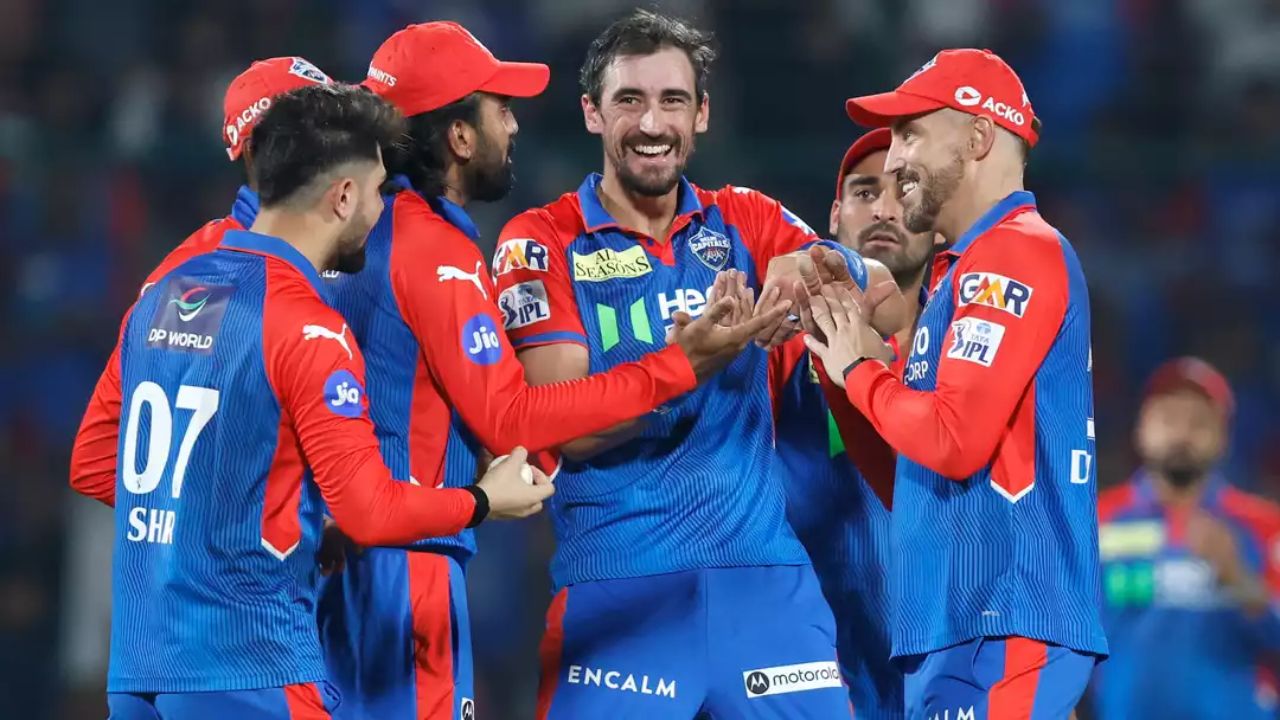
BCCI panics over India’s red-ball collapse, holds high-level meeting to rescue Test cricket
Indian Cricket Board Takes Urgent Measures to Address Red-Ball Cricket Crisis
Indian cricket is currently undergoing a period of reflection and reevaluation as the Board of Control for Cricket in India (BCCI) focuses on rectifying issues that have arisen, particularly in red-ball cricket. The recent emergency meeting held by the BCCI on January 9 in Mumbai shed light on the pressing need to reshape India’s talent development system to ensure a stronger future for the sport in the country.
BCCI’s Response to Test Cricket Crisis
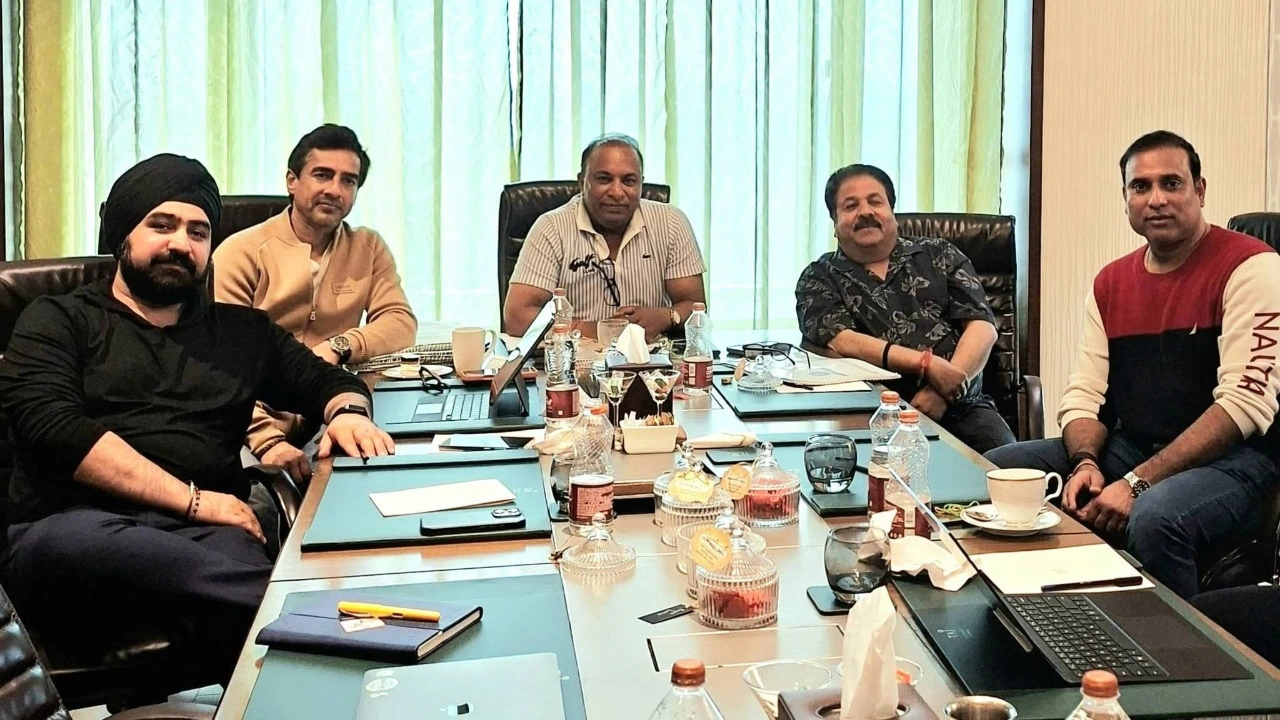
The emergency meeting, spearheaded by BCCI secretary Devajit Saikia and attended by key officials including VVS Laxman, focused on addressing India’s concerning performance in Test cricket, especially at home. With five losses in their last seven home tests, including defeats against New Zealand and South Africa, the BCCI has identified a lack of emphasis on defensive skills among young players as a major issue.
Saikia highlighted the influence of T20 leagues like the IPL, leading youngsters to prioritize attacking shots and quick runs over the fundamentals of red-ball cricket. The board recognizes the urgent need to refocus on developing players’ defensive skills to strengthen India’s performance in the longer format of the game.
Reviewing the Centre of Excellence
A critical aspect of the meeting was assessing the performance of the Centre of Excellence (CoE) in Bengaluru, which serves as the cornerstone of India’s talent system. While the CoE has been operational since last year, the BCCI acknowledged the need to fill key technical roles such as head of education and head of sports science to ensure comprehensive player development.
Saikia emphasized the importance of reviewing and enhancing CoE’s activities to better prepare young cricketers for the challenges of competitive cricket. The board plans to expedite the recruitment process to address the existing vacancies and enhance the effectiveness of CoE in nurturing talent.
Enhancing the Talent Pipeline and Calendar
Another key agenda point discussed during the meeting was the coordination between the senior Indian team and India A tours to avoid scheduling conflicts. The board recognized the significance of India A tours in grooming players for the national team and maintaining a robust talent pipeline.
Efforts are underway to streamline scheduling and avoid overlapping tours to ensure that players receive adequate exposure and opportunities to transition from the A team to the senior squad seamlessly.
Strengthening the Under-19 System
India’s recent disappointments in the Under-19 circuit, including losses in the Asia Cup and World Cup finals, have prompted the BCCI to reevaluate the effectiveness of the CoE in preparing young cricketers. The board plans to bolster the Under-19 system by introducing more bilateral series and tournaments to provide players with additional match experience and exposure to high-pressure situations.
By addressing these critical areas and implementing strategic interventions, the BCCI aims to revitalize India’s red-ball cricket prowess and secure a promising future for the sport in the country.
Implementing Specialized Coaching Programs
One of the key strategies discussed in the emergency meeting was the implementation of specialized coaching programs to hone the skills required for success in red-ball cricket. The BCCI recognizes the importance of providing young players with tailored coaching that focuses on developing their defensive techniques, patience, and resilience in the longer format of the game.
By introducing specialized coaching programs at various levels, including age-group cricket and domestic cricket, the BCCI aims to instill a strong foundation of red-ball skills in promising young cricketers. These programs will be designed in collaboration with experienced coaches and former players to ensure that players receive the best possible guidance to excel in Test cricket.
Integrating Mental Skills Training
In addition to refining technical skills, the BCCI highlighted the significance of mental skills training in preparing players for the challenges of Test cricket. The board plans to integrate mental skills training programs into the development pathway to help players enhance their focus, concentration, and decision-making under pressure.
By working with sports psychologists and mental skills coaches, the BCCI aims to equip players with the mental fortitude required to succeed in red-ball cricket. Developing a strong mental framework will not only improve players’ performance on the field but also contribute to their overall well-being and resilience in the face of adversity.
Expanding Scouting Networks
To identify and nurture talent across the country, the BCCI is looking to expand its scouting networks to reach remote areas and grassroots cricket programs. By casting a wider net and focusing on talent identification from a young age, the board aims to ensure that no promising cricketer goes unnoticed and untapped.
By investing in scouting networks and talent identification programs, the BCCI hopes to discover and develop the next generation of Test cricketers who possess the skills, temperament, and passion to represent India at the highest level. This proactive approach to talent scouting will help build a strong talent pool for the future.
Collaborating with Former Players and Experts
Recognizing the value of experience and expertise, the BCCI plans to collaborate with former players, coaches, and experts in the field of red-ball cricket to guide and mentor young cricketers. By leveraging the knowledge and insights of cricketing legends, the board aims to provide players with valuable lessons, tips, and strategies to excel in the longest format of the game.
Former players will be involved in mentoring programs, coaching clinics, and talent development initiatives to pass on their wealth of knowledge and experience to the next generation of cricketers. This collaborative effort between current players and cricketing greats will help create a supportive and enriching environment for talent development.
Conclusion
As the BCCI takes urgent measures to address the red-ball cricket crisis in India, the focus is on comprehensive reforms that encompass technical, mental, and strategic aspects of player development. By implementing specialized coaching programs, integrating mental skills training, expanding scouting networks, and collaborating with former players, the board aims to revitalize India’s red-ball cricket prowess and build a sustainable talent pipeline for the future.
Through these strategic interventions and holistic approaches, the BCCI is committed to nurturing the next generation of Test cricketers who will uphold India’s legacy in the longest format of the game and contribute to the country’s cricketing success on the global stage.
Latest News
Yograj Singh makes blunt remark at Virat Kohli and Rohit Sharma over early retirement calls
Bhuvneshwar Kumar on brink of IPL history, needs two wickets for massive milestone
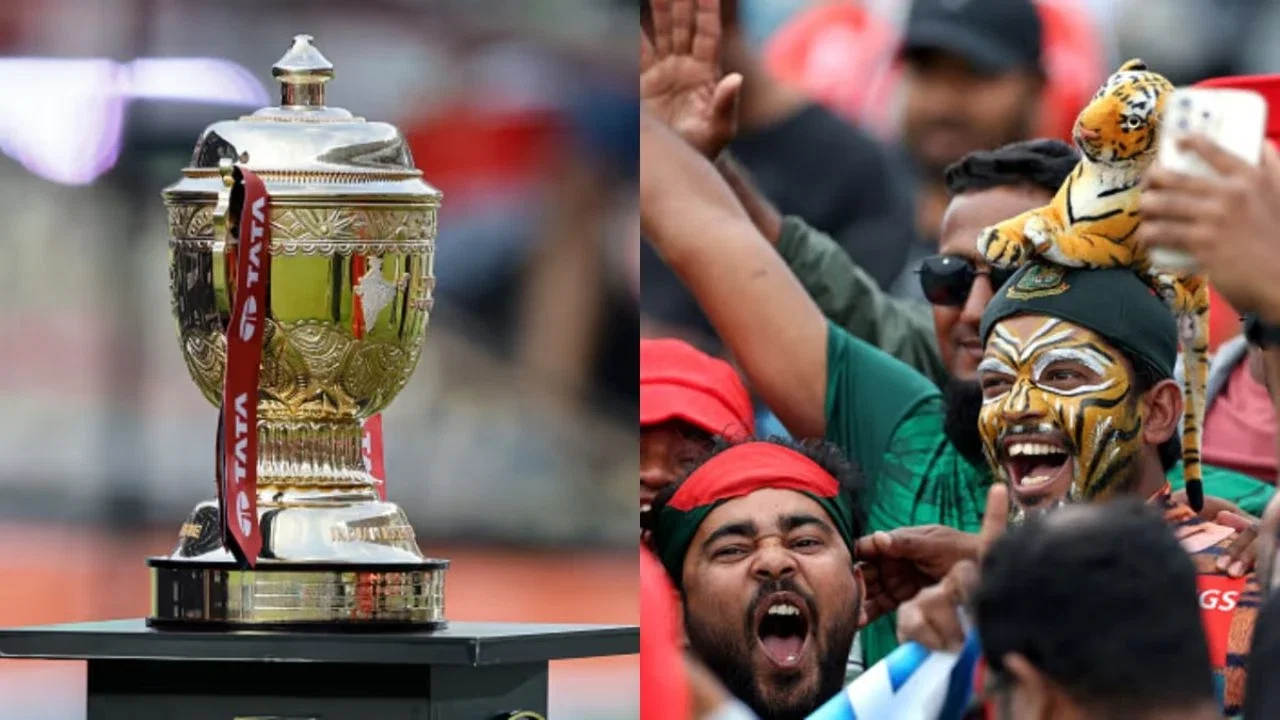
IPL to be broadcasted? Bangladesh government drops massive update on IPL broadcast ban

SRH fans to boycott IPL? Former India cricketer shares insights on social media drama around Abrar Ahmed
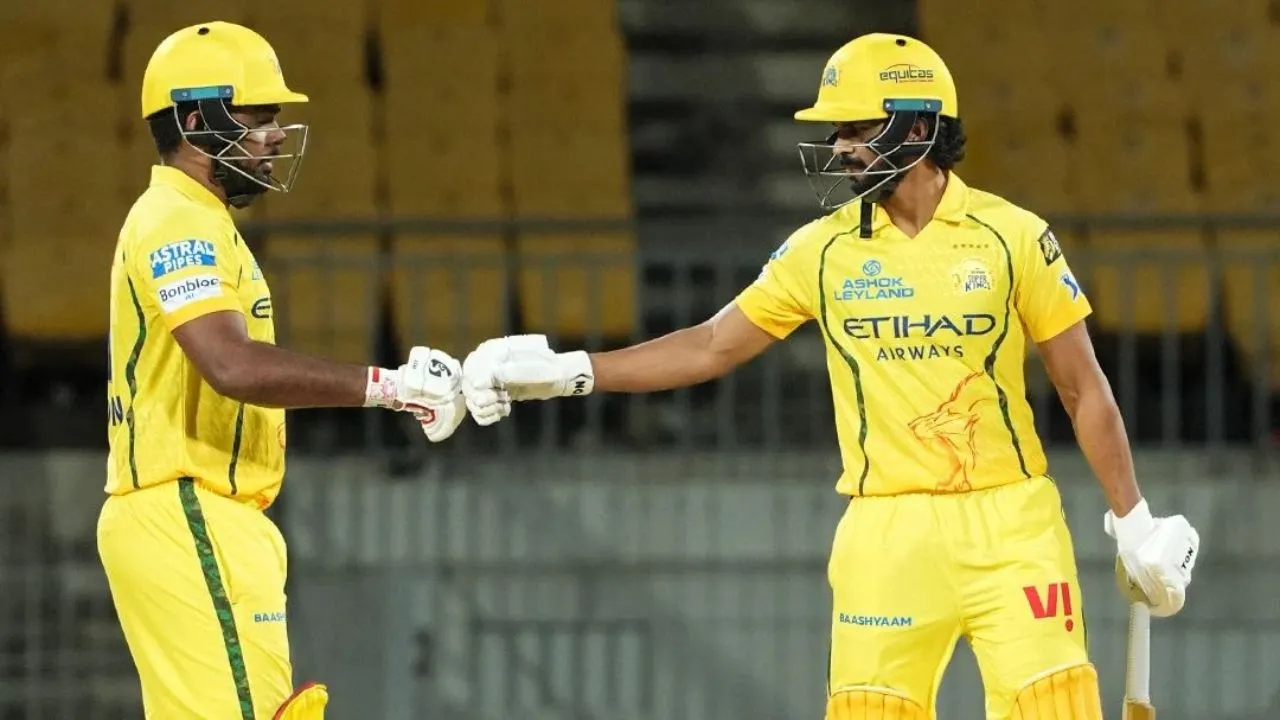
“Explore this opportunity”: Ruturaj Gaikwad shares inside story of convincing Sanju Samson to join CSK
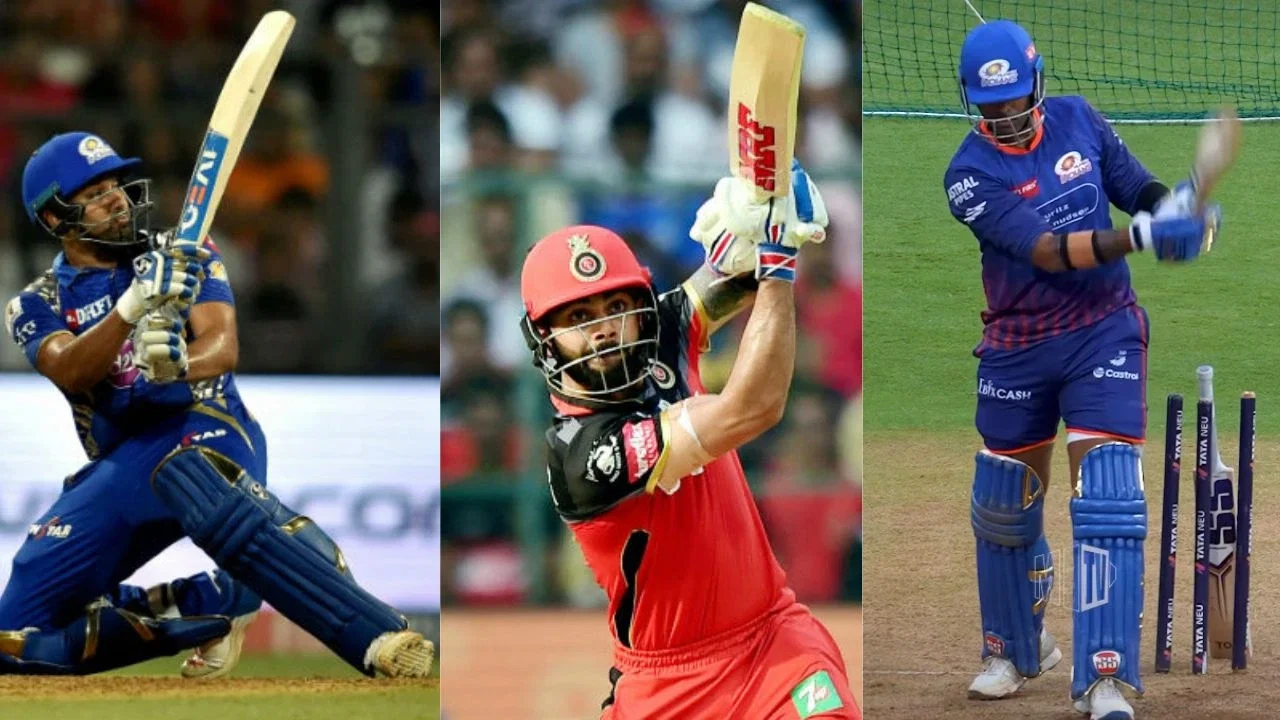
KKR pacer snubs Rohit Sharma, Virat Kohli, picks MI star as most difficult batter he’s bowled to
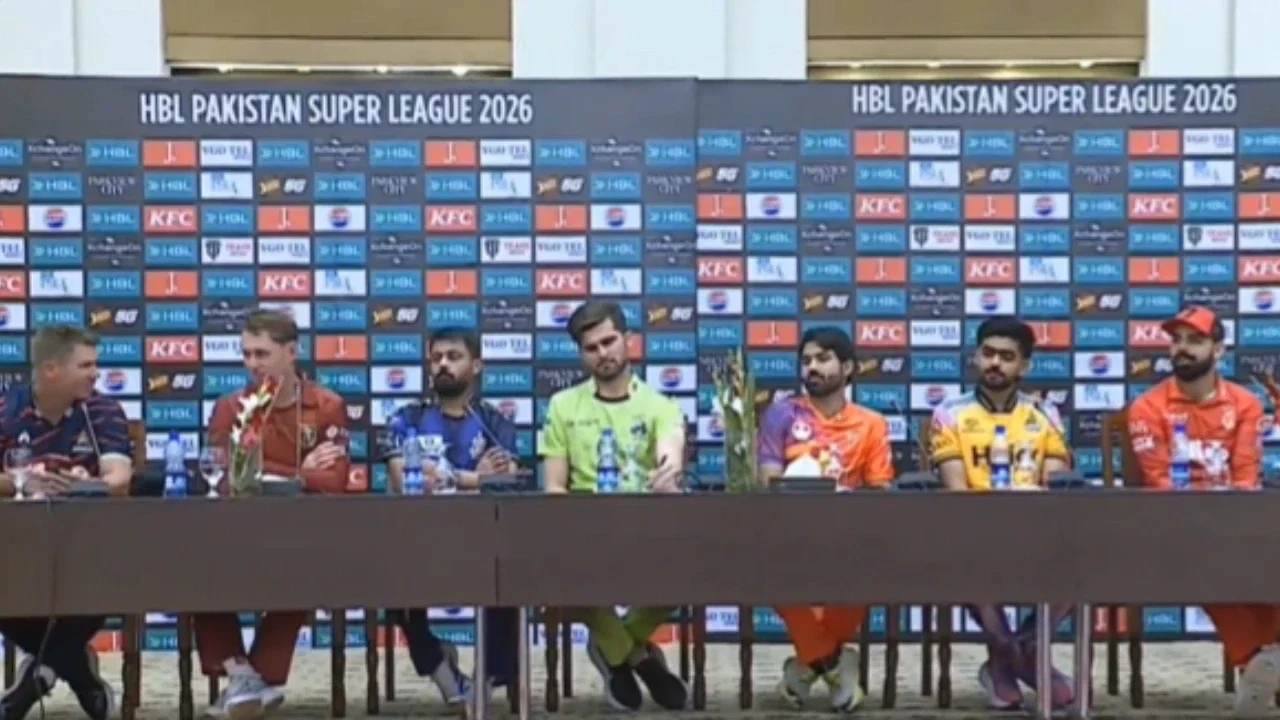
PSL drama erupts! Pakistan great blasted for “lack of manners” after embarrassing ex-England star
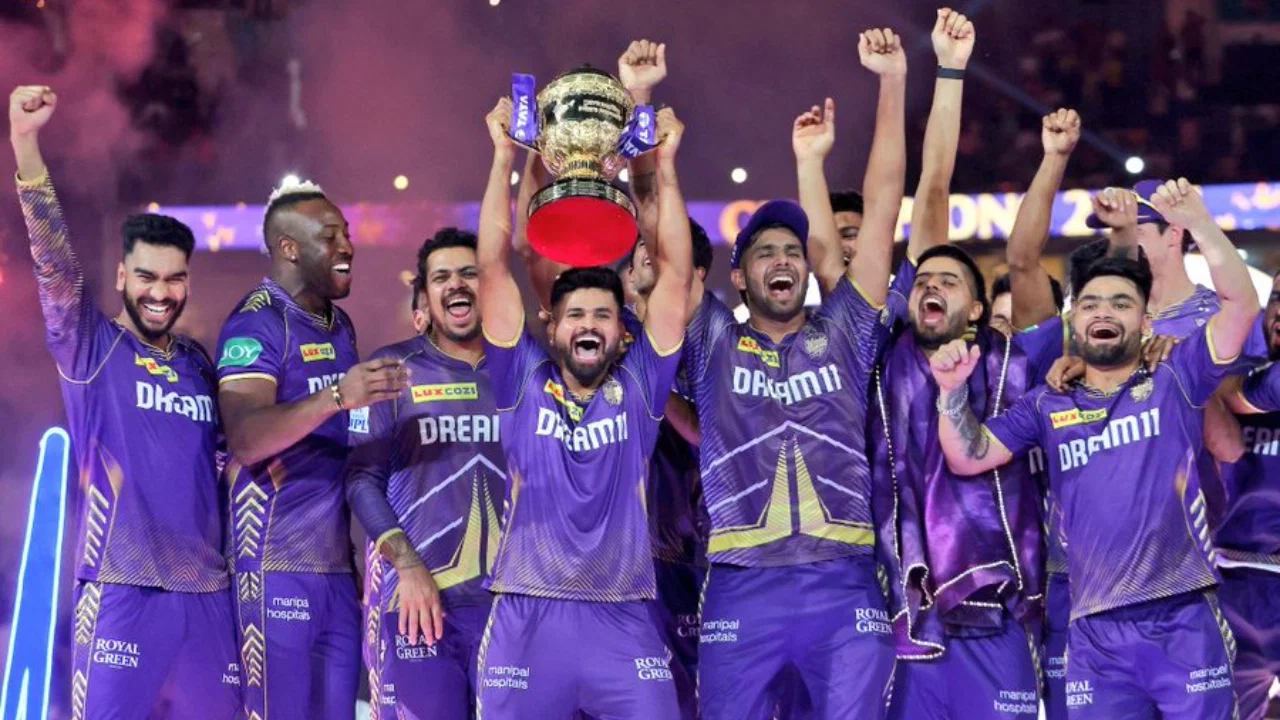
“2024 mein woh underrated the” – Vaibhav Arora on Shreyas Iyer not getting credit for KKR title win
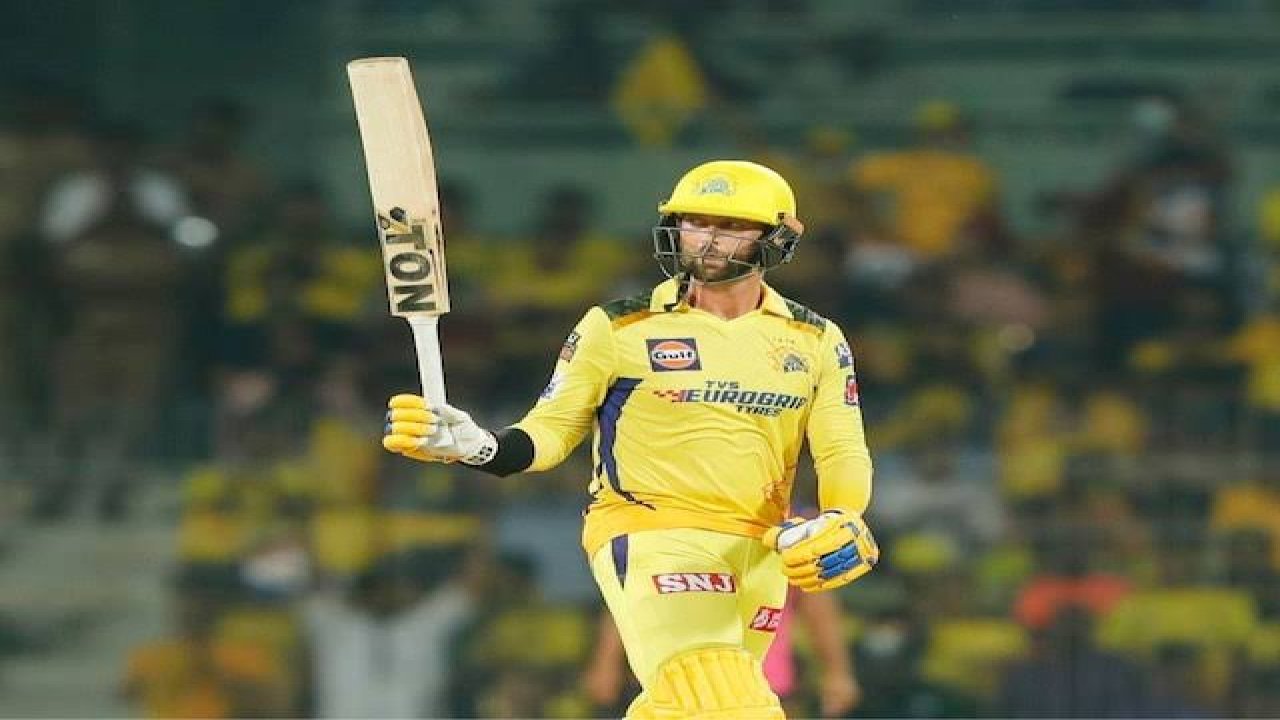
Devon Conway settles IPL vs PSL debate once and for all
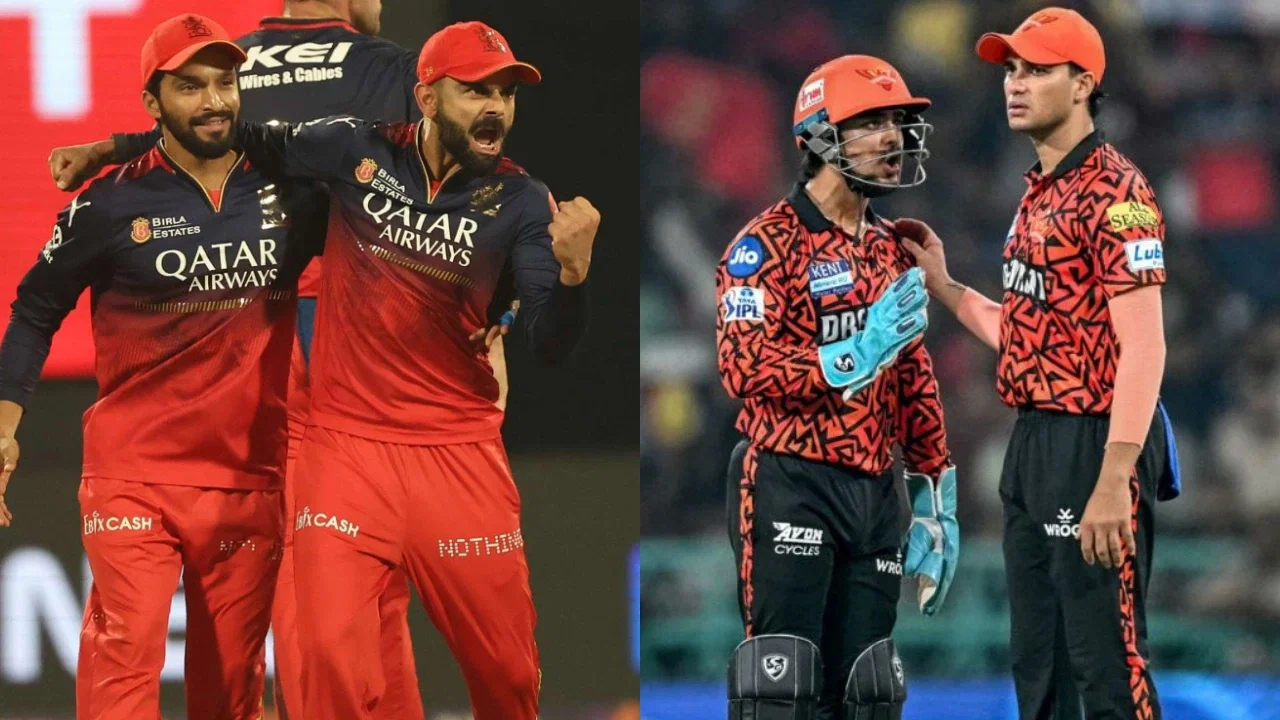
Ex-CSK star’s shocking claim on RCB vs SRH match ahead of IPL 2026
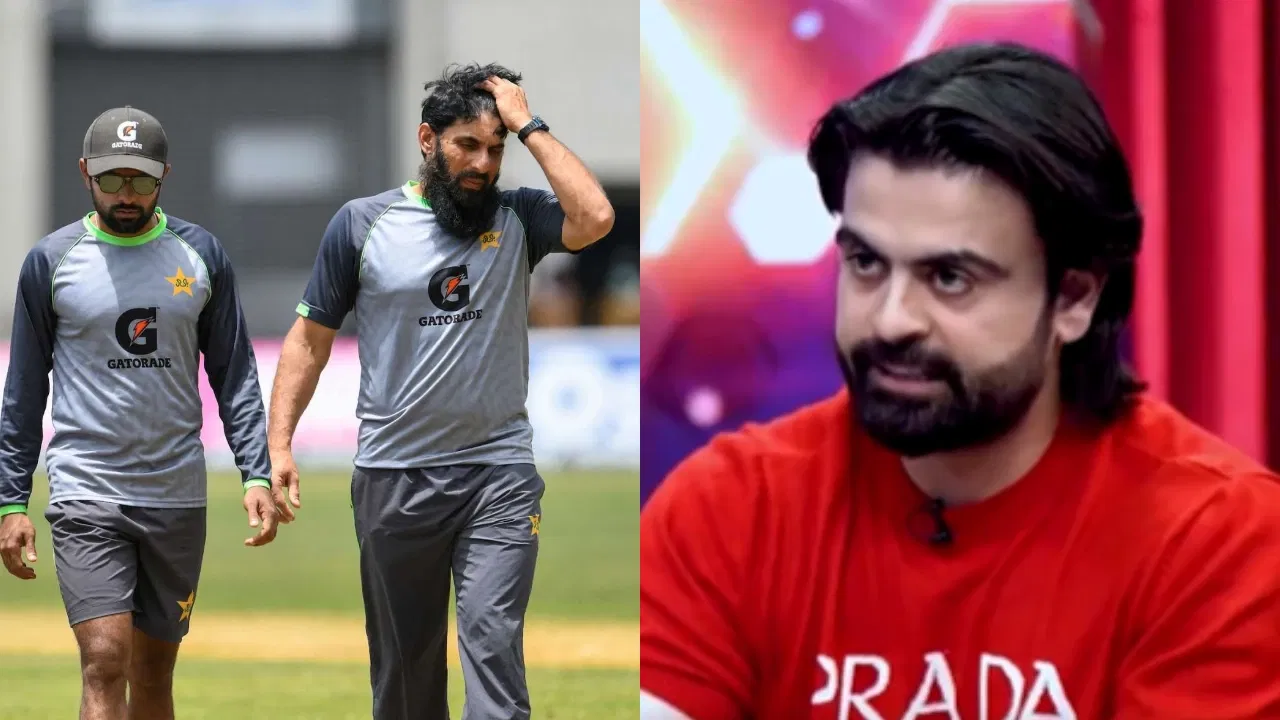
Misbah-ul-Haq takes legal action against Ahmed Shehzad over defamation claims
Naseem Shah charged with central contract violation during PSL 2026
MS Dhoni out of IPL 2026, has not recovered from calf strain
Jasprit Bumrah set to lead MI attack in blockbuster IPL 2026 clash vs KKR