BCCI reacts to T20 World Cup 2026 controversy as PCB looks at ‘Force Majeure’ escape route
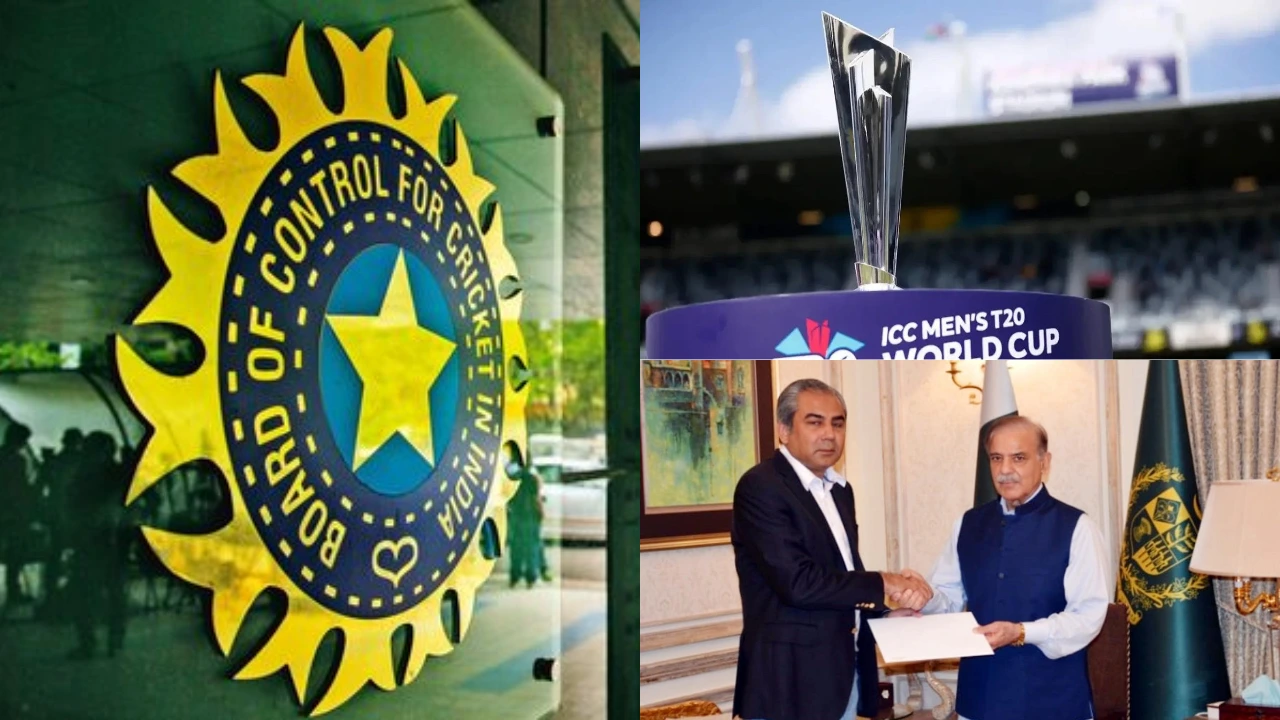
Pakistan Sticks to India Match Boycott in T20 World Cup 2026
Pakistan’s Firm Stand
Pakistan has remained resolute in their decision to boycott their T20 World Cup 2026 match against India scheduled for February 15 in Colombo. This stance is a demonstration of solidarity with Bangladesh, who faced elimination by the ICC due to the unreasonable demand of playing matches only in Sri Lanka.
Prime Minister’s Confirmation
As early as February 4, Pakistan Prime Minister Shehbaz Sharif reiterated their position, stating unequivocally in Islamabad, “We have taken a clear stand regarding the T20 World Cup that we will not play the match against India.”
Potential Consequences
If Pakistan follows through with their boycott, India stands to gain two points automatically, and the Pakistan Cricket Board (PCB) could face substantial fines from the International Cricket Council (ICC).
PCB’s Contingency Plan
Reports suggest that Pakistan is exploring the use of a “force majeure” clause, which allows for withdrawal from a contract due to unforeseeable circumstances preventing fulfillment. This strategy aims to minimize penalties from the ICC by highlighting an extraordinary situation where the government’s social media post triggered the boycott.
Rejection by BCCI
The Board of Control for Cricket in India (BCCI) has rejected Pakistan’s reasoning, citing their willingness to play India in the Under-19 World Cup despite the government’s call for a boycott. The BCCI emphasizes the intertwining of politics and cricket in Pakistan, indicating a deliberate move rather than a genuine concern.
India-Pakistan Dynamics
The relationship between India and Pakistan in cricket has been marred by political interference, with the BCCI emphasizing the need for neutral venues for matches. The recent boycott by Pakistan is seen as a disruptive act that goes against the understanding between the two nations.
Questions Raised
The decision by Pakistan to boycott the India match raises questions about the motives behind the move. Despite assurances of security from the Indian government, the reluctance of teams like Bangladesh to travel to India and Pakistan’s boycott suggest underlying issues beyond mere safety concerns.
Overall, the standoff between Pakistan and India in the T20 World Cup 2026 underscores the complex intersection of sports, politics, and international relations that continue to influence cricketing events in the region.
Impact on T20 World Cup
The decision by Pakistan to boycott their match against India has significant implications for the T20 World Cup 2026. With Pakistan forfeiting the match, it not only affects their own standing in the tournament but also disrupts the overall schedule and dynamics of the competition. Fans and stakeholders alike are left wondering about the future of the tournament and how the absence of such a high-profile match will impact its outcome and viewership.
Regional Politics at Play
The longstanding political tensions between India and Pakistan have spilled over into the realm of sports, particularly cricket. The boycott of the match highlights the deep-rooted animosity and mistrust that characterize the relationship between the two nations. It serves as a stark reminder of how political disputes can overshadow sporting events and perpetuate divisions among fans and players.
International Cricket Council’s Role
As the governing body of international cricket, the ICC plays a crucial role in mediating conflicts and ensuring the smooth conduct of tournaments. The current situation involving Pakistan’s boycott raises questions about the ICC’s ability to manage political disputes within the sport. The organization must navigate delicate diplomatic waters to uphold the integrity of the game while respecting the autonomy of member nations.
Fan Reactions and Disappointment
The decision by Pakistan to boycott the match against India has elicited mixed reactions from fans around the world. While some support Pakistan’s stance as a display of solidarity and principle, others are disappointed by the missed opportunity for an exciting and competitive match-up. The absence of such a high-stakes game has left many cricket enthusiasts feeling let down and robbed of a potentially thrilling sporting spectacle.
Rethinking Cricket Diplomacy
The ongoing issues between India and Pakistan in the realm of cricket highlight the need for a reevaluation of cricket diplomacy in the region. As one of the most popular sports in South Asia, cricket has the potential to foster goodwill and bridge divides between nations. However, the current impasse underscores the challenges of using sports as a tool for diplomacy in the face of entrenched political differences.
Future of Cricketing Rivalry
Looking ahead, the future of the cricketing rivalry between India and Pakistan remains uncertain. The boycott of the T20 World Cup match raises questions about the sustainability of bilateral series and multi-nation tournaments involving the two nations. As both countries grapple with political tensions and security concerns, the prospect of future cricketing encounters hangs in the balance, leaving fans and players alike in a state of limbo.
In conclusion, the decision by Pakistan to boycott their match against India in the T20 World Cup 2026 reflects the complex interplay of politics, sports, and regional dynamics. As the cricketing world grapples with the fallout of this controversial move, it serves as a stark reminder of the challenges inherent in navigating the intersection of sports and geopolitics.
Latest News
Virat Kohli’s explosive threat during coach’s conspiracy revealed: “Will beat the living hell out of…”
Dinesh Karthik can become head coach of India, England or Australia: Jitesh Sharma makes bold claim
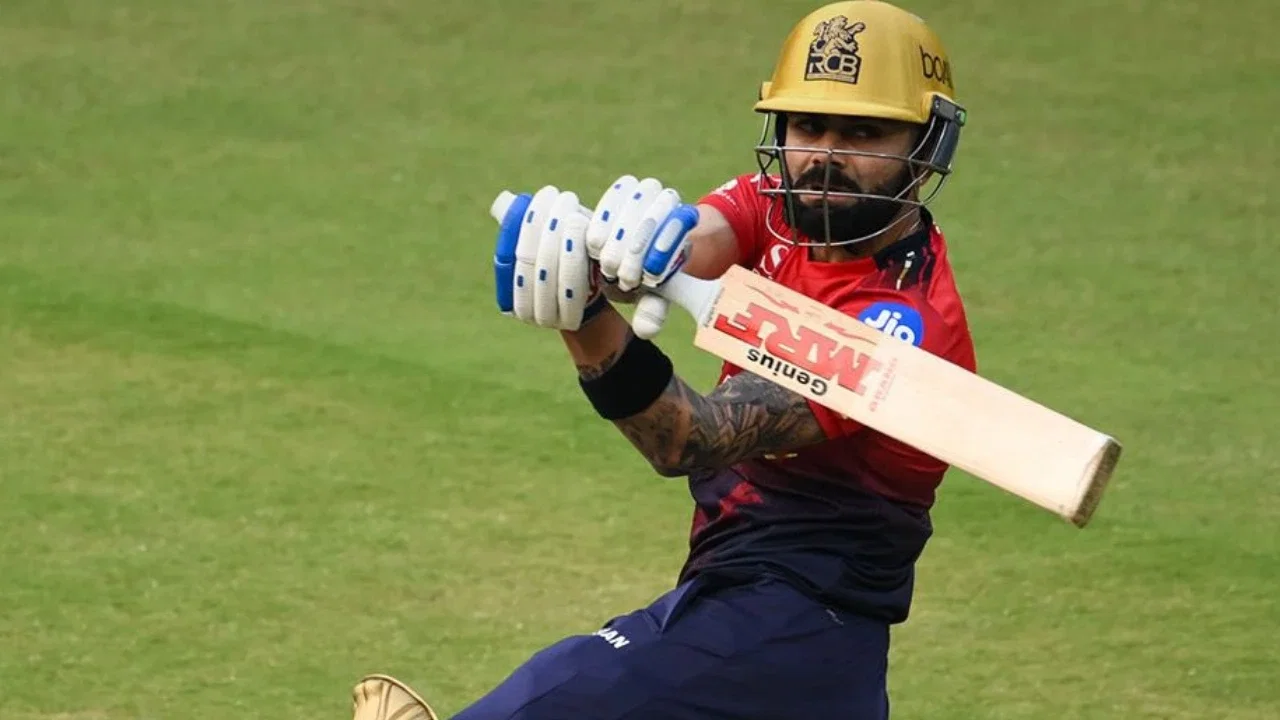
Virat Kohli turns Abhishek Sharma with explosive batting for RCB ahead of IPL 2026
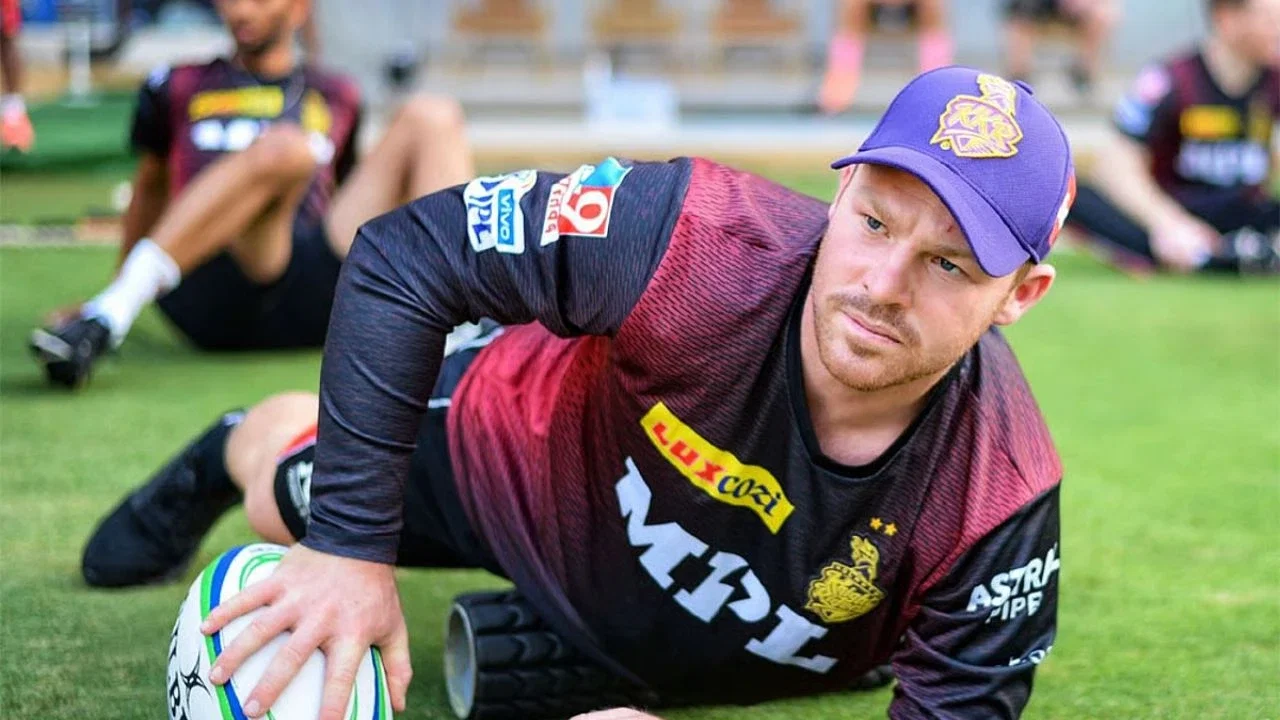
Not Tim Seifert! KKR eye 21-year-old Indian as wicketkeeper for IPL 2026
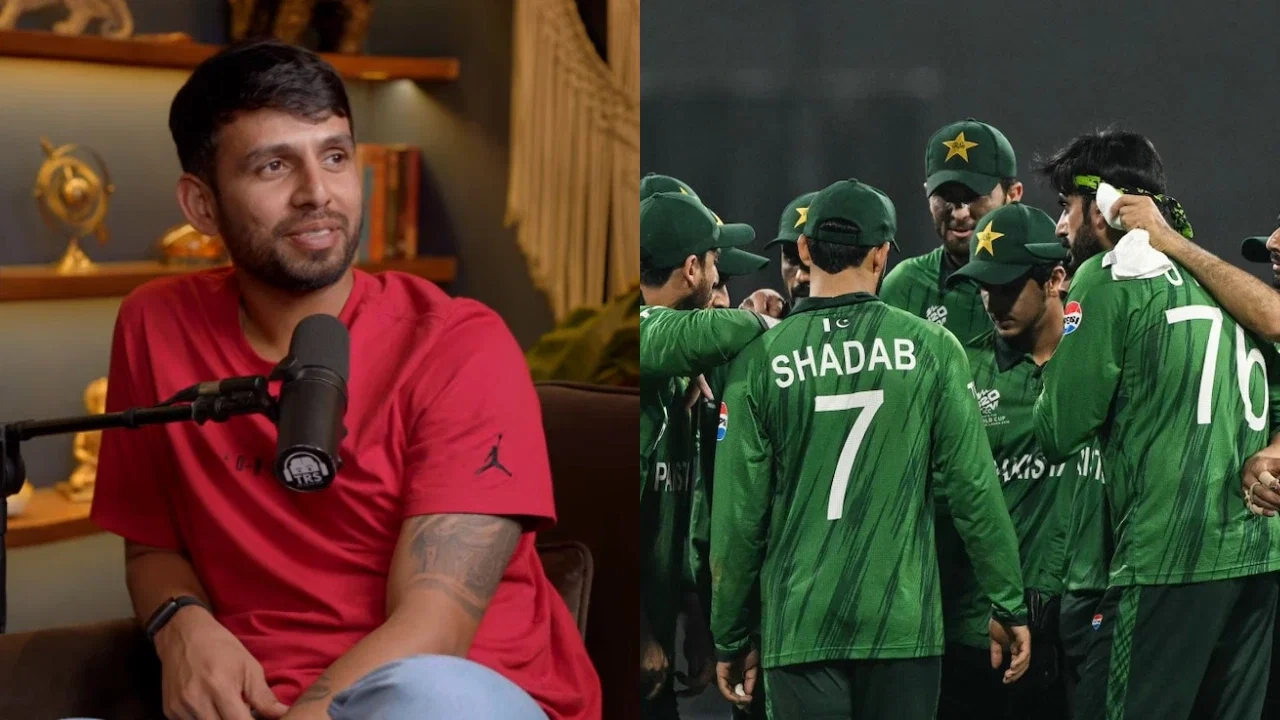
“Itna dete nahi importance inko”: Jitesh Sharma trolls Pakistan, reveals unheard story
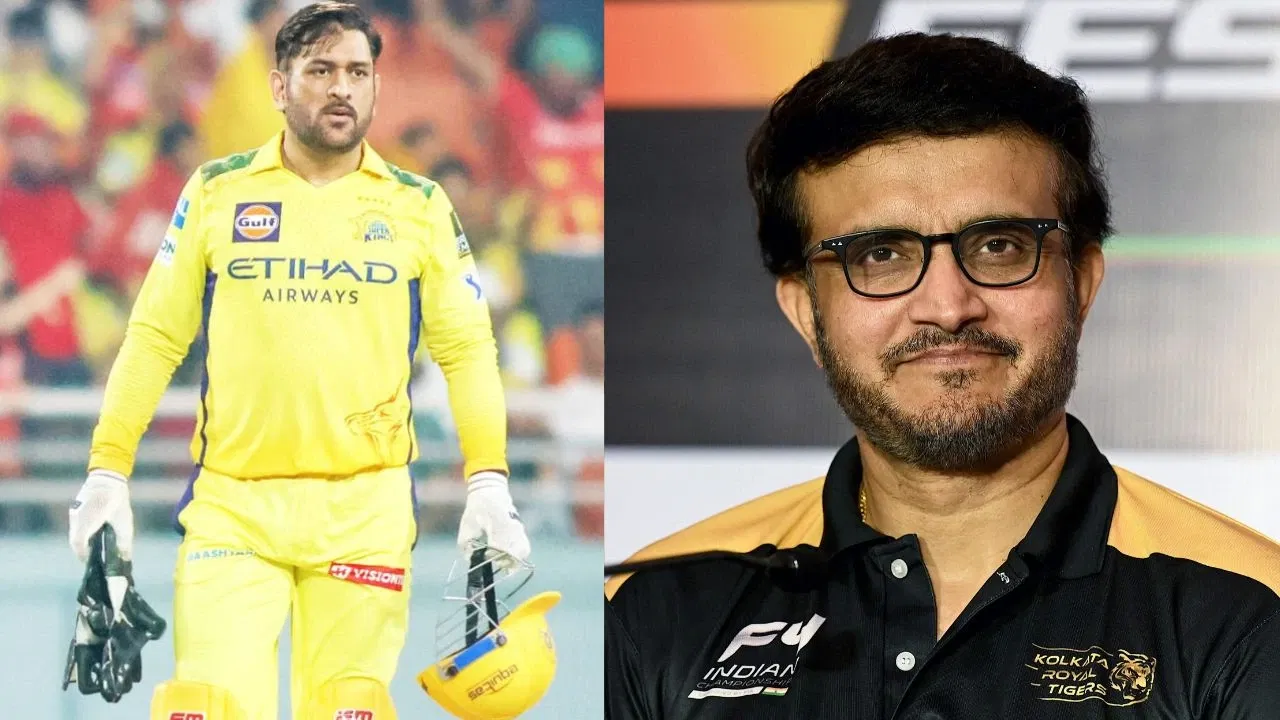
‘I liked young MS Dhoni more than the mature one’: Sourav Ganguly drops huge statement
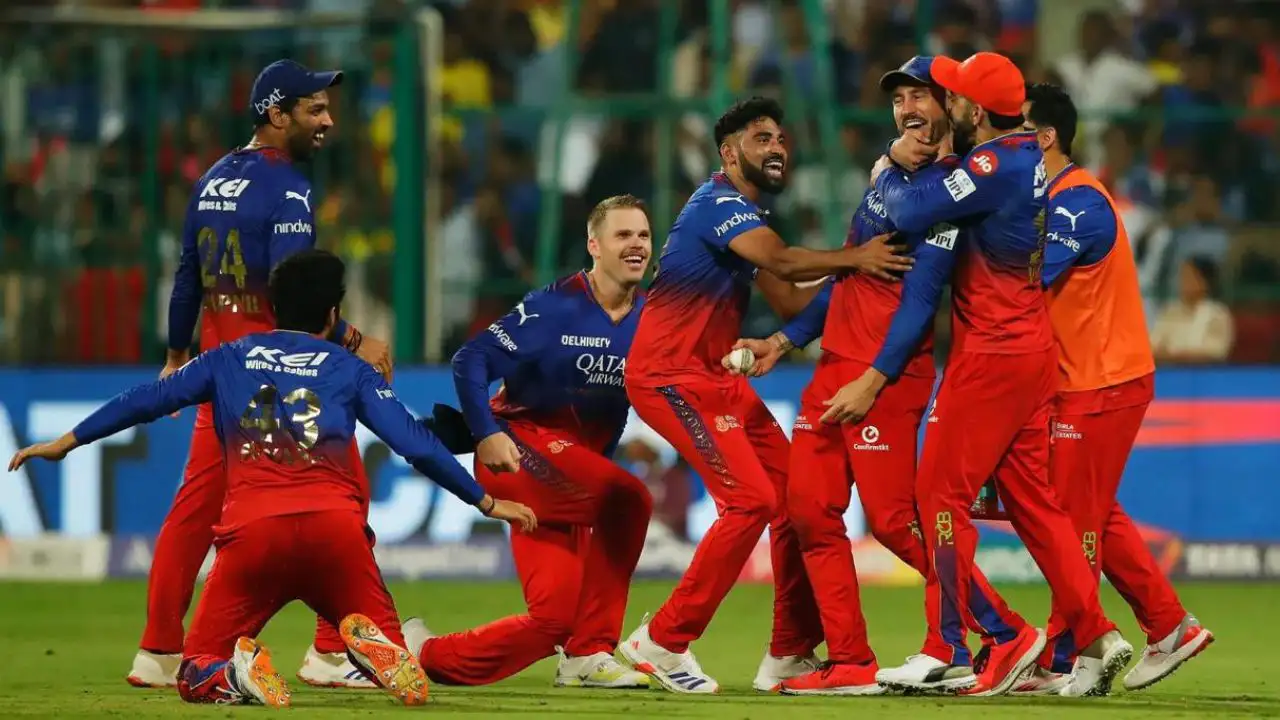
RCB suffer huge blow! SLC blocks Nuwan Thushara’s IPL 2026 participation
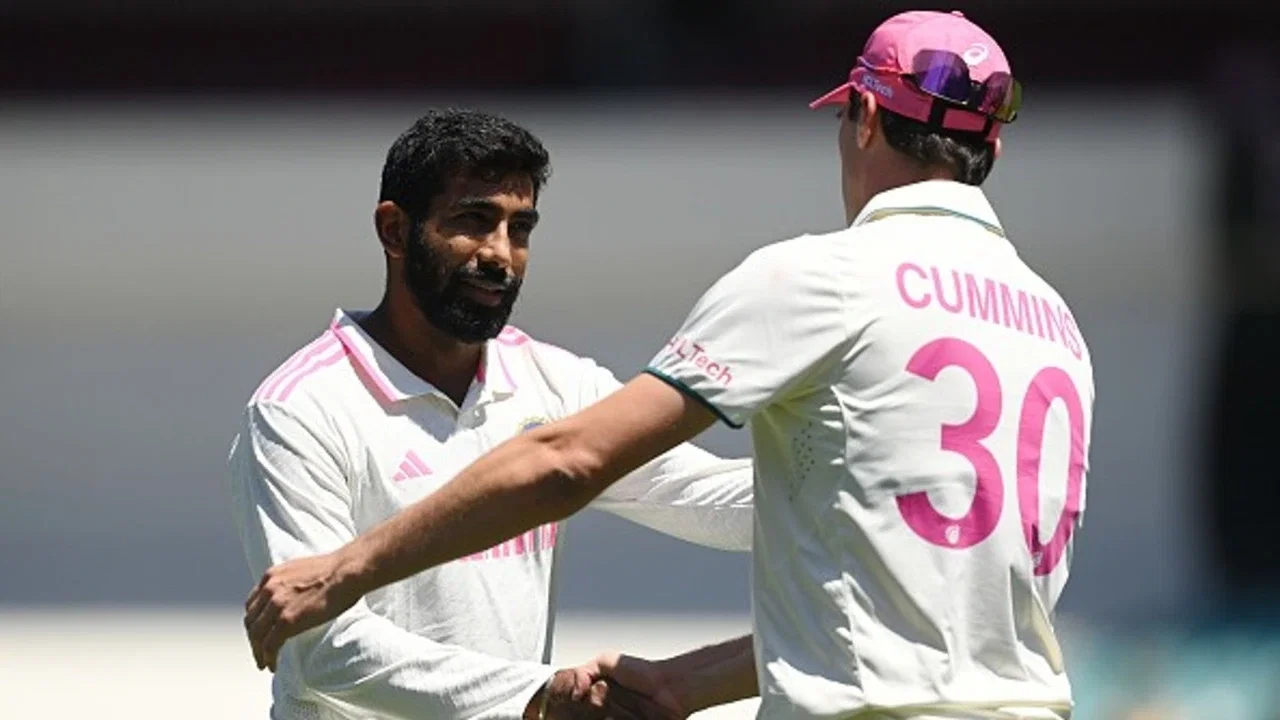
Border-Gavaskar Trophy 2027 schedule announced; Ahmedabad among five venues selected
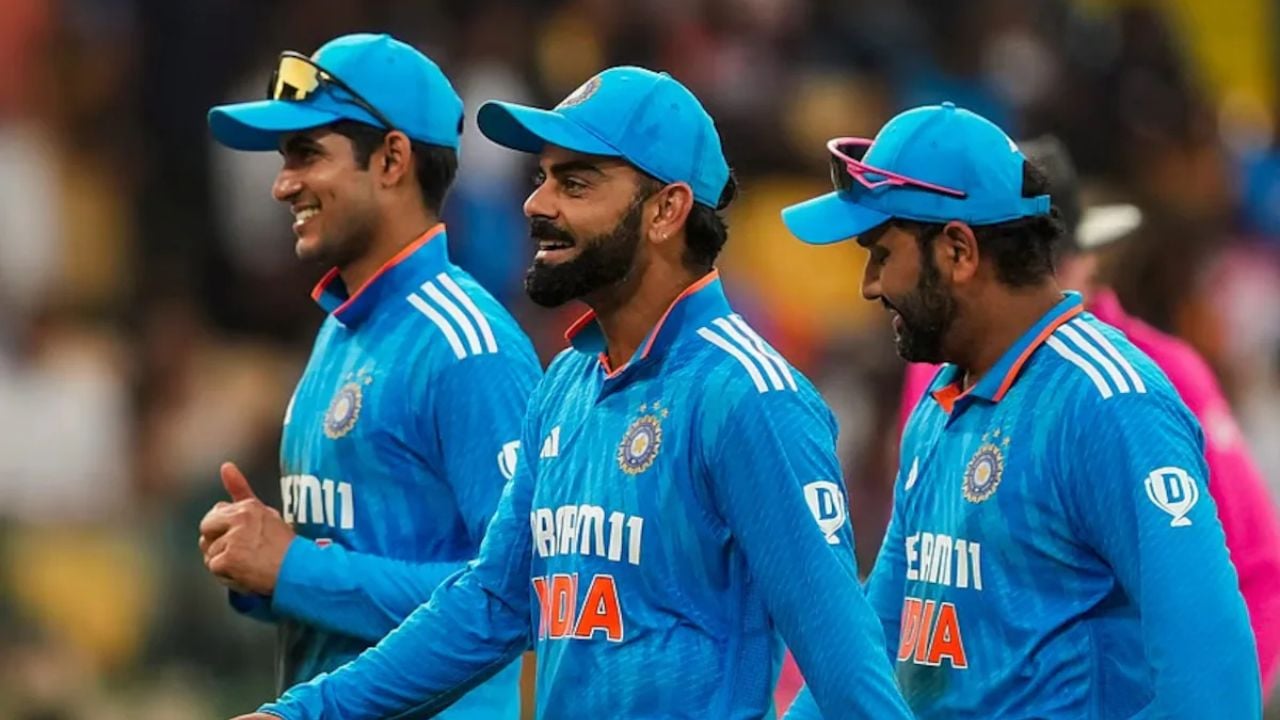
BCCI announces India’s 2026-27 international home season schedule; series vs AUS, WI, SL, ZIM finalized
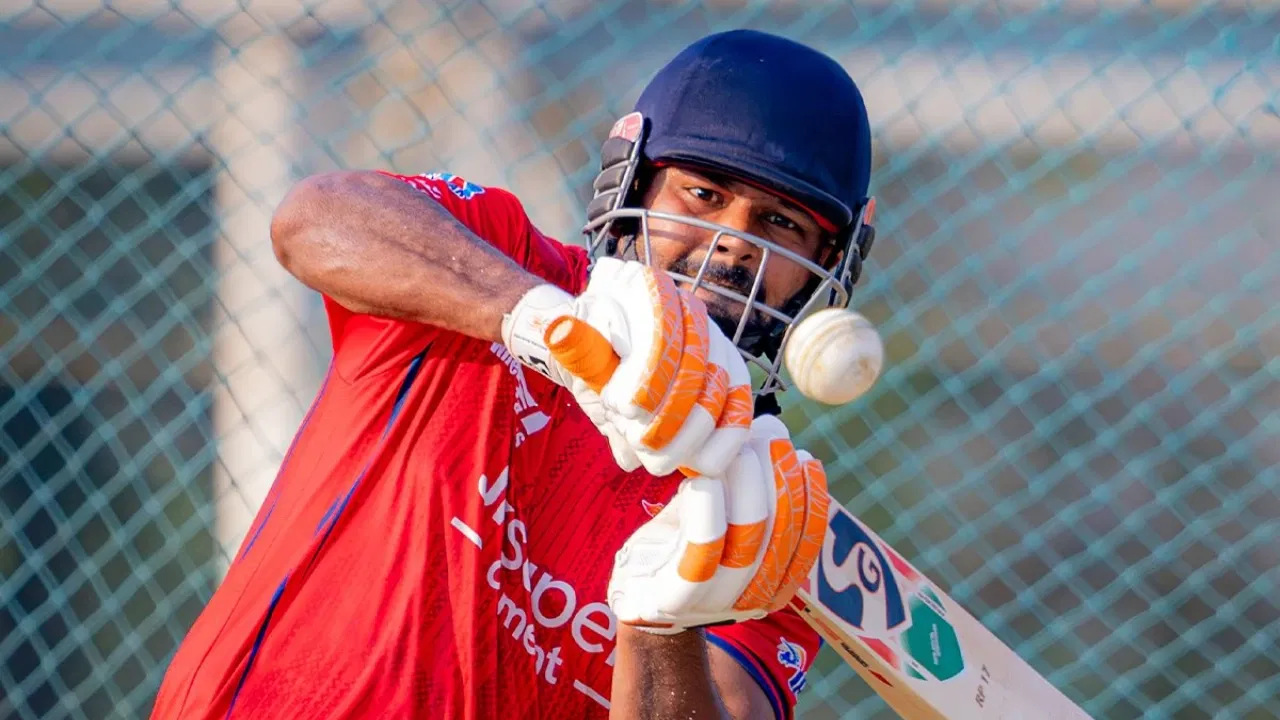
Irfan Pathan reveals Yuvraj Singh’s secret method to train Rishabh Pant ahead of IPL 2026
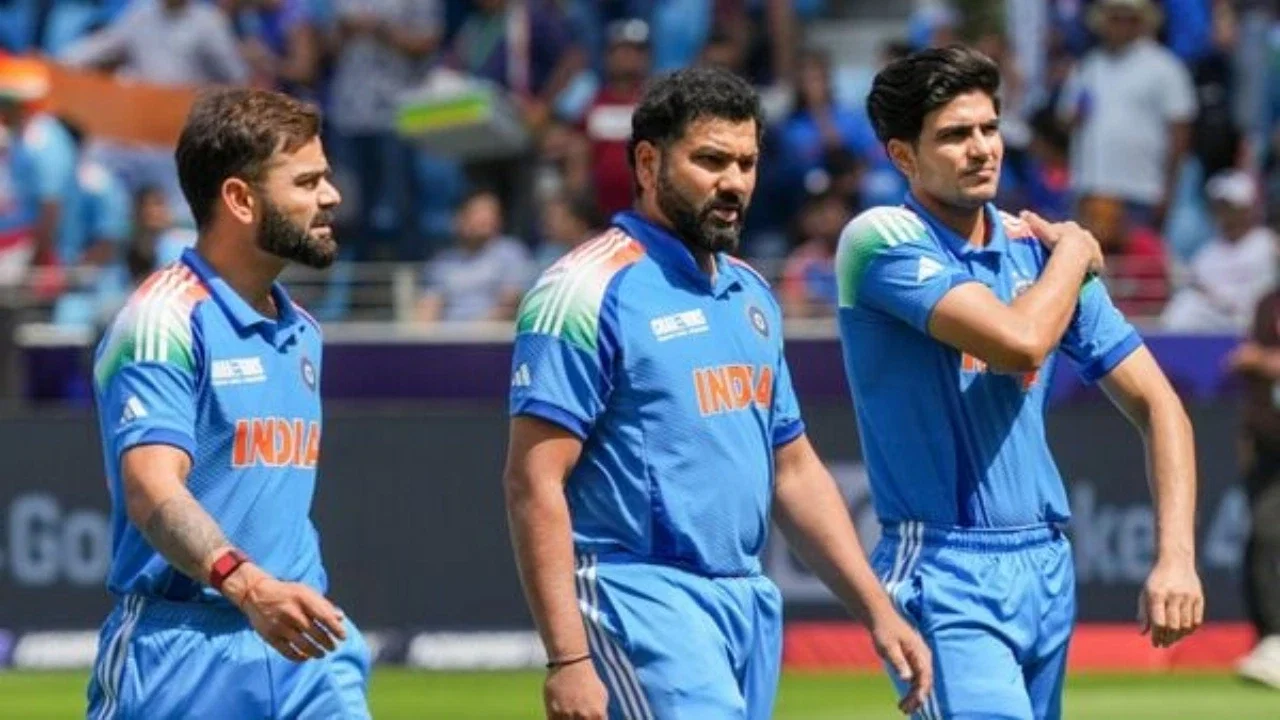
Virat Kohli, Rohit Sharma ODI schedule: Full list of matches they will play in India’s 2026-27 home season
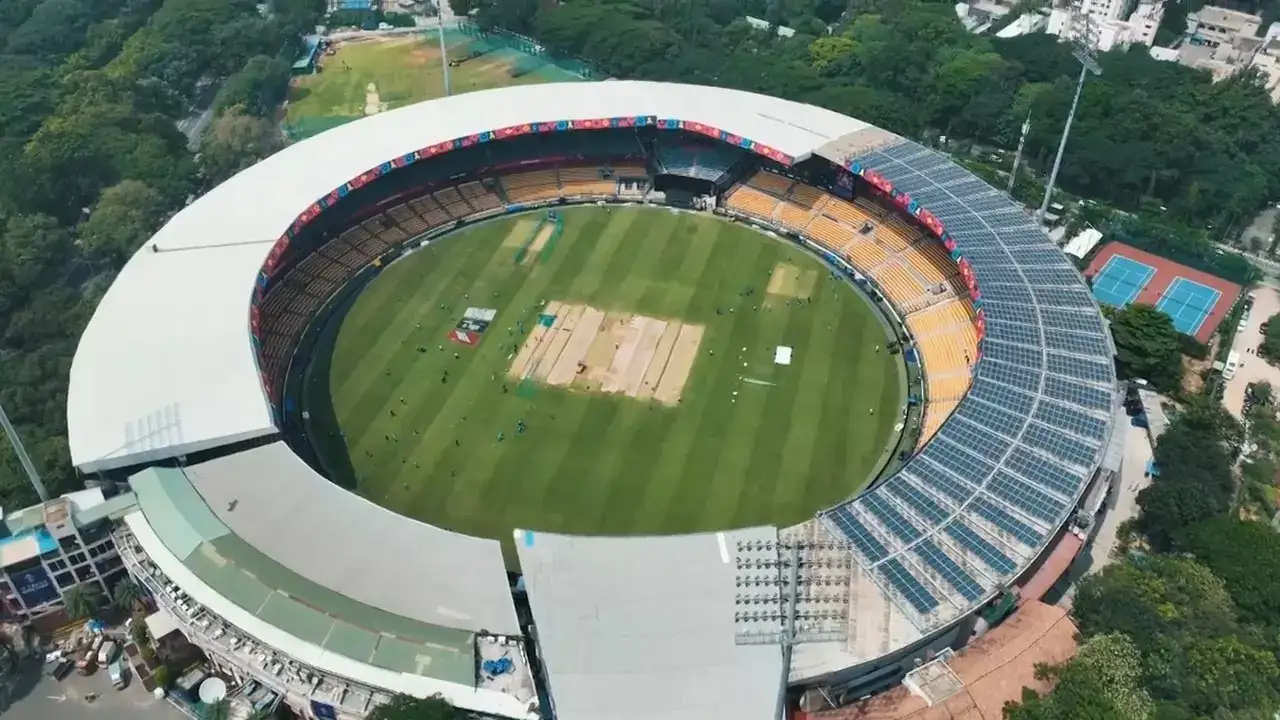
Days before RCB vs SRH IPL 2026 match, M. Chinnaswamy Stadium looks like a ‘construction side’
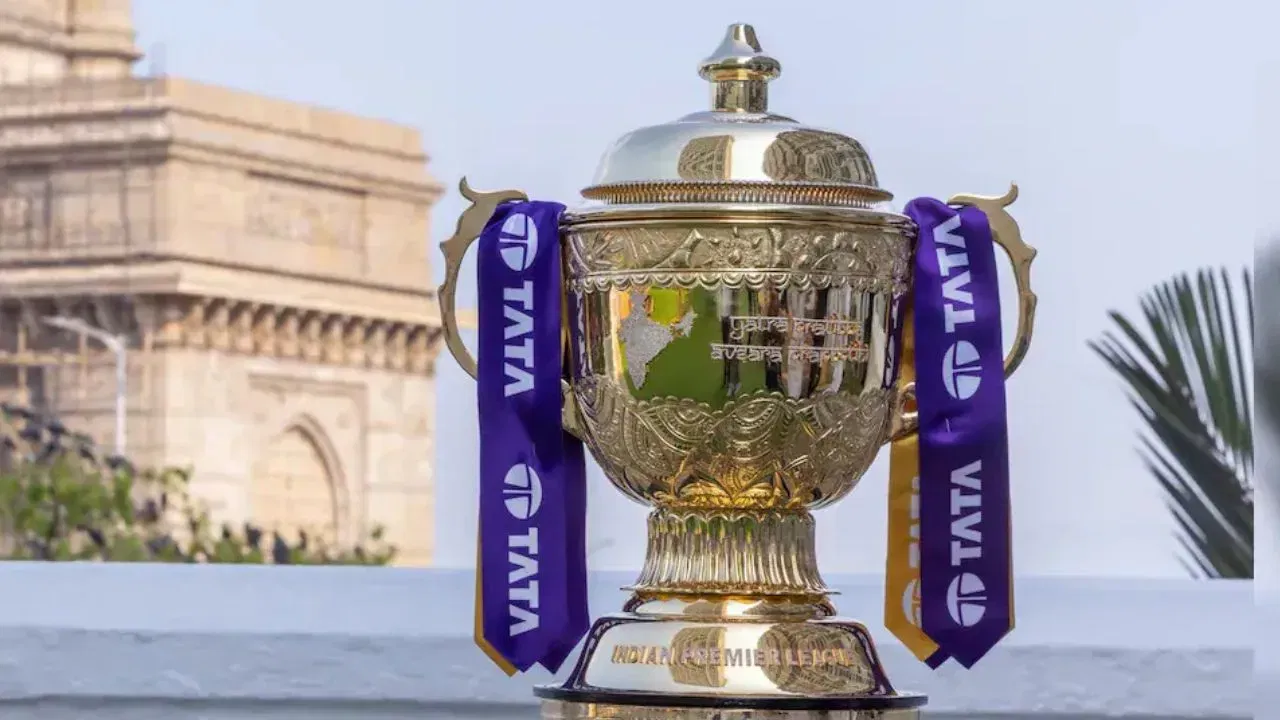
IPL 2026 second-half schedule announcement date revealed by BCCI secretary
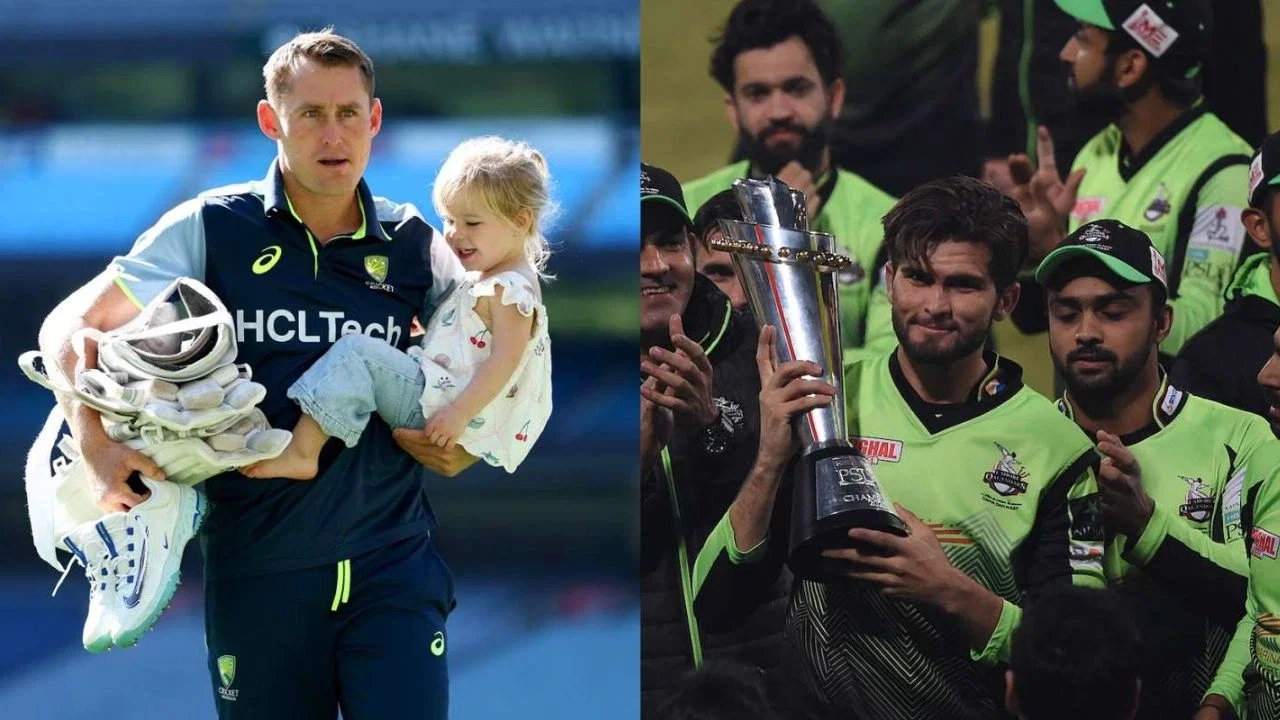
LHQ vs HYDK Match Prediction, Pitch & Weather Report, Playing XIs, Head-to-Head, Free Live Streaming – PSL 2026 Match 1