

BCCI reminded once again of Pahalgam Terrorist attack in a last minute bid to foil India vs Pakistan Asia Cup 2025 match
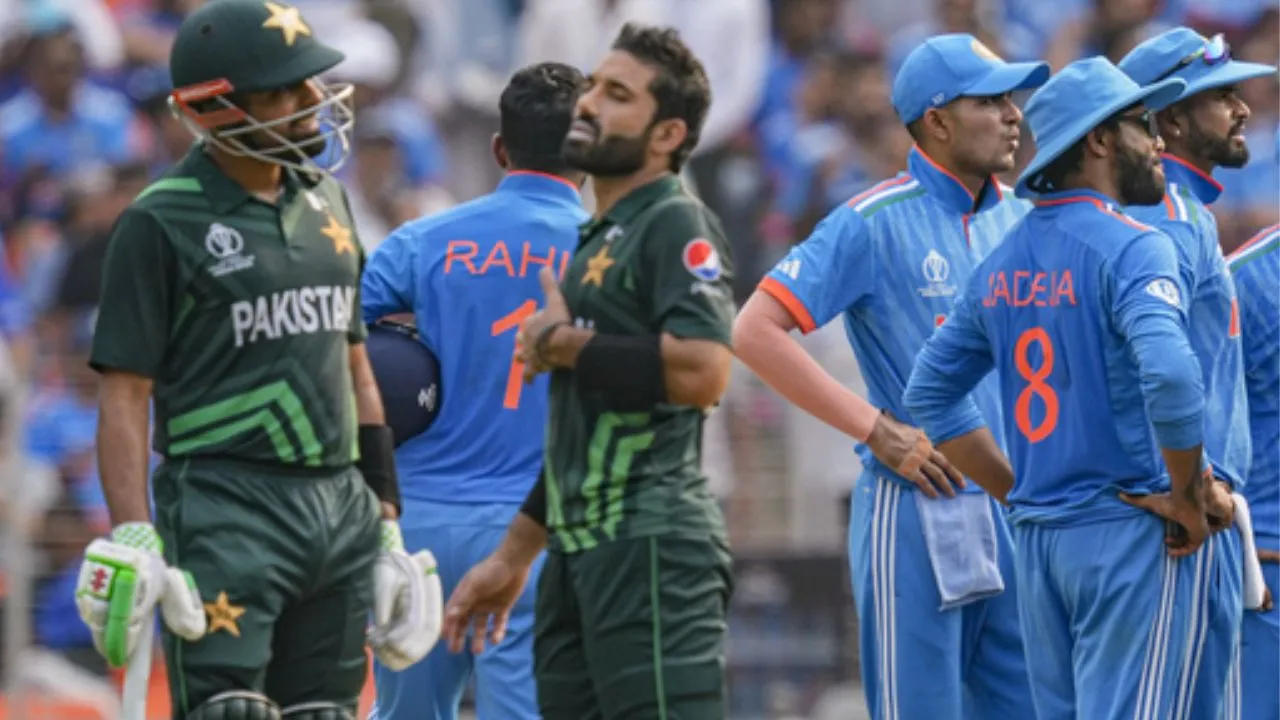
Former Indian Cricketer Manoj Tiwary Calls for Boycott of India vs Pakistan Match in Asia Cup 2025
Former Indian cricketer, Manoj Tiwary, has stirred emotions by making a heartfelt appeal to boycott the upcoming India vs Pakistan match in the Asia Cup 2025, set to begin on September 9. The much-anticipated clash is scheduled for September 14 at the Dubai International Cricket Stadium in Dubai, sparking controversy and heated debates among fans, former cricketers, and politicians.
Questioning the Morality of the Match Amid Recent Tragedies
Tiwary’s call for the boycott stems from the recent terror attack in Pahalgam, Jammu and Kashmir, on April 22, which claimed 26 lives. The attack, orchestrated by Pakistan-backed terrorists, has left deep wounds in the hearts of many, leading to calls for a reevaluation of the scheduled match. Tiwary, in an emotionally charged statement, expressed his disbelief in celebrating a game while the scars of terrorism are still fresh.
He highlighted the devastating Pulwama attack in 2019, where 40 CRPF personnel lost their lives, questioning the morality of going ahead with the match. Tiwary emphasized the need to respect the families of the martyrs and their sacrifices, suggesting that playing against a nation linked to such tragedies is not appropriate.
Proposing a Strong Message Through Boycott
Tiwary believes that boycotting the India vs Pakistan match would send a powerful message and showcase India’s stance against terrorism. He stressed the importance of focusing on winning other matches in the tournament to make a statement against the scheduled game.
The former cricketer expressed his disdain for the idea of prioritizing TRP and revenue over the sentiments of the families affected by the terrorist attacks. He called for a reevaluation of the match’s significance in the face of recent tragedies and the ongoing conflict with terrorist organizations.
Challenges Faced by the Indian Cricket Team
Tiwary’s strong stance against playing against Pakistan in the Asia Cup 2025 reflects the broader challenges faced by the Indian cricket team. The decision to participate in the match has sparked debates about ethics, national pride, and the impact of sports diplomacy in times of conflict.
As the cricketing world eagerly awaits the high-octane clash, Tiwary’s appeal for a boycott has added a new dimension to the upcoming tournament. His words resonate with those who believe that sports should not overshadow the pain and suffering caused by acts of terrorism.
In Conclusion
Manoj Tiwary’s emotional appeal to boycott the India vs Pakistan match in the Asia Cup 2025 has sparked a debate on the role of sports in times of conflict. His call for respect for the families of martyrs and a reevaluation of the match’s significance has struck a chord with many, raising critical questions about the intersection of sports, politics, and morality in the modern world.
The Historical Context of India-Pakistan Matches
The rivalry between India and Pakistan in cricket has a long and storied history, dating back to their first Test series in 1952. Matches between the two nations often carry immense emotional weight for fans on both sides of the border, transcending the boundaries of sport and delving into political and cultural realms.
Over the years, India-Pakistan cricket encounters have become not just sporting events but also symbolic representations of the complex relationship between the two neighboring countries. The matches have the power to unite and divide, evoke nationalistic fervor, and serve as platforms for diplomacy, peacebuilding, and sometimes, protest.
The Impact of Sports Boycotts
Boycotting sporting events as a form of protest is not a new phenomenon. Throughout history, athletes, teams, and even entire countries have used sports boycotts to make political statements, raise awareness about social issues, or condemn certain actions. These boycotts have the potential to draw attention to important causes, spark conversations, and bring about change.
When it comes to the India vs Pakistan match in the Asia Cup 2025, the proposed boycott by Manoj Tiwary raises questions about the effectiveness of such a move. While some argue that boycotting the match would send a strong message against terrorism, others believe that sports should remain apolitical and serve as a tool for fostering goodwill and understanding between nations.
Navigating the Intersection of Sports and Politics
The intersection of sports and politics is a complex and often contentious space. While sports have the power to transcend barriers, promote unity, and create shared experiences, they can also be manipulated for political gains, used as propaganda tools, or become arenas for showcasing nationalistic agendas.
In the case of the India vs Pakistan match, the decision to play or boycott holds significant implications beyond the cricket field. It raises questions about the role of sports in diplomacy, the responsibilities of athletes and teams in times of conflict, and the ethical considerations of engaging in competitions with geopolitical undertones.
Looking Ahead
As the debate surrounding the India vs Pakistan match in the Asia Cup 2025 continues to unfold, it is essential to consider the diverse perspectives, emotions, and historical contexts that shape this contentious issue. Whether the match proceeds as scheduled or faces a boycott, one thing is clear: sports have the power to ignite passions, provoke discussions, and reflect the complexities of our world.
Regardless of the outcome, the events leading up to the match serve as a reminder of the profound impact that sports can have on society, politics, and human relationships. Only time will tell how this chapter in the India-Pakistan cricket saga will be written and remembered.
Latest News
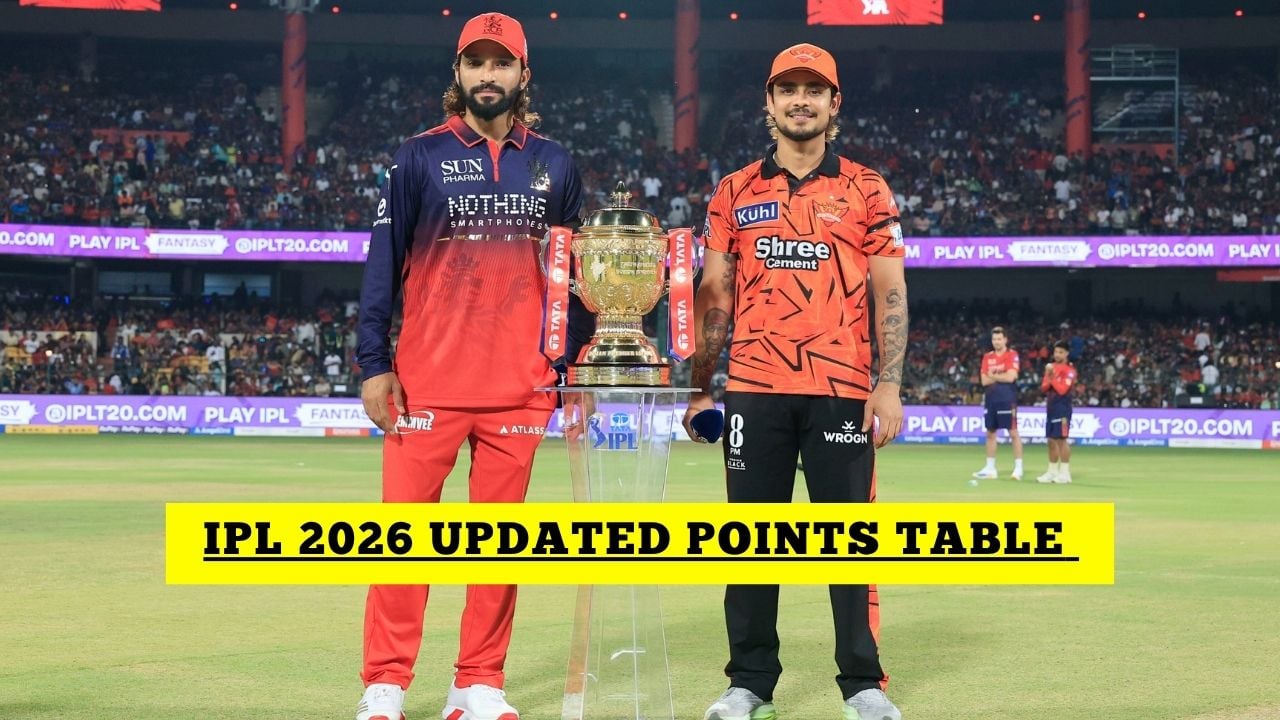
IPL Points Table 2026: Updated Standings, Orange Cap, Purple Cap After RCB vs SRH Match 1
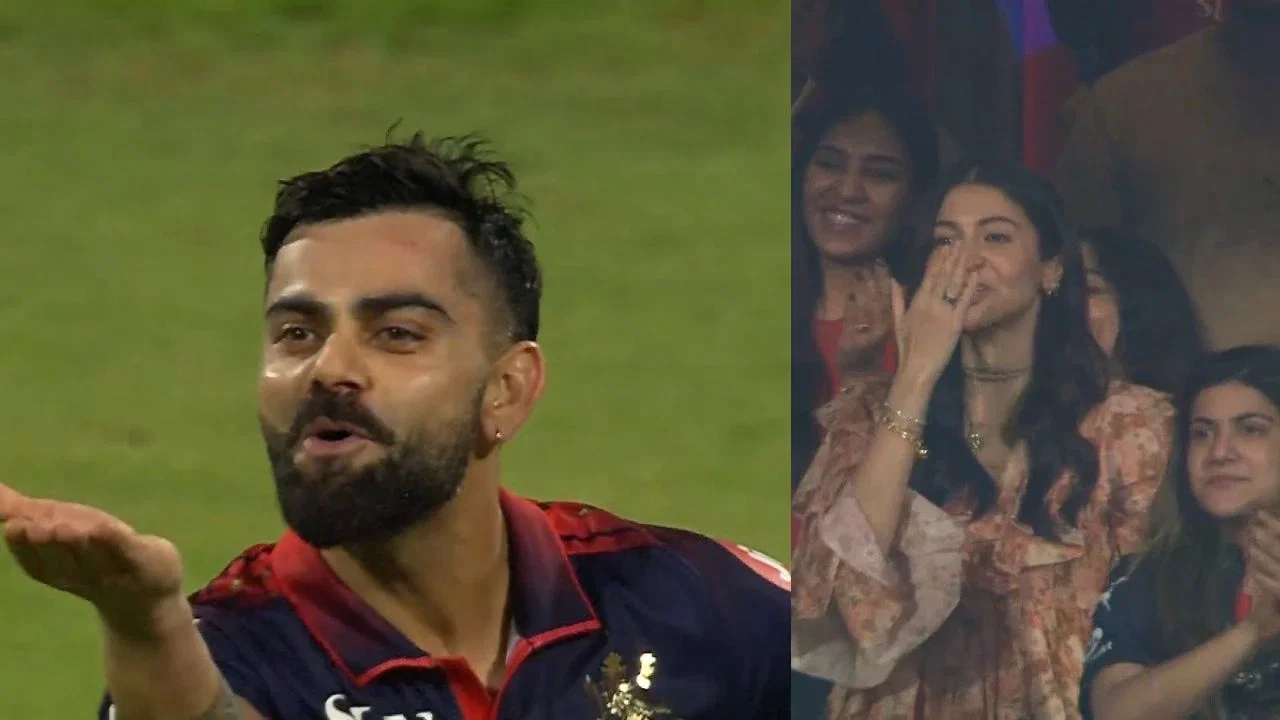
Virat Kohli, Anushka Sharma share adorable flying kiss moment after RCB vs SRH clash
“Absolutely world-class”: Virat Kohli backs Devdutt Padikkal for permanent Team India spot
Rajat Patidar refuses to comment on Virat Kohli; Ishan Kishan admits enjoying after SRH’s loss to RCB
Mumbai Indians suffer blow! Mitchell Santner, Will Jacks ruled out of IPL 2026 games
MI vs KKR Match Prediction – Who Will Win Match No.2? | IPL 2026
Mumbai Indians Playing XI vs Kolkata Knight Riders Playing XI- Match No. 2 | IPL 2026
MI vs KKR Match 2 Preview: Free Live Streaming, Pitch & Weather Report, Head-to-Head | IPL 2026
Not English cricket! Jos Buttler credits IPL for his success as a cricketer
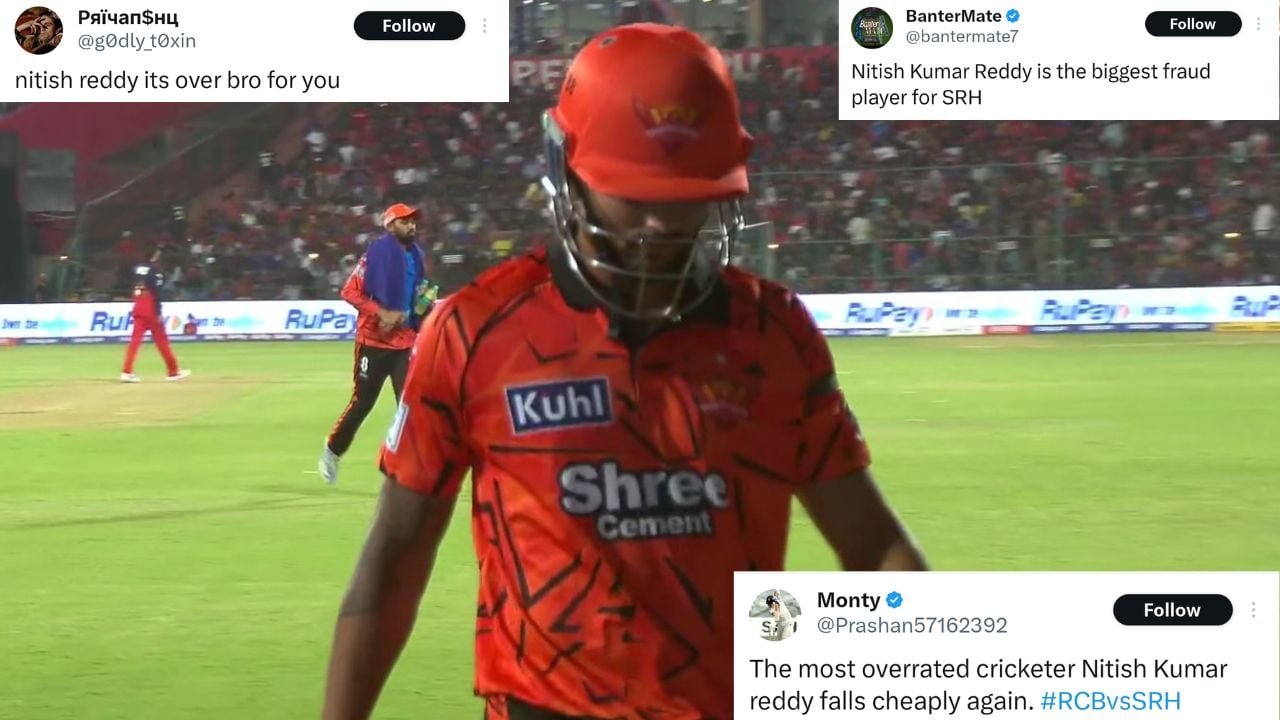
“Nitish Kumar Reddy is biggest fraud”: Fans fume as SRH star fails vs RCB in IPL 2026 opener
Who is Abhinandan Singh? The Virat Kohli troublemaker who made his IPL debut for RCB vs SRH
Heinrich Klaasen engages in heated chat with 4th umpire after Phil Salt’s controversial catch in IPL 2026
Phil Salt grabs one of the greatest catches in IPL history to dismiss Ishan Kishan
Anushka Sharma laughs as Virat Kohli drops a sitter in RCB vs SRH clash (Watch Video)

