BCCI rethinks contracts! Jasprit Bumrah to receive compensation after A+ category removal: Reports

BCCI Contemplates Revising Contract Valuations to Compensate Top Performers
The Board of Control for Cricket in India (BCCI) is reportedly in discussions to revise the central contract valuations for the 2025-26 season to address the potential pay cuts that top performers like Jasprit Bumrah might face. This comes after the recent removal of the A+ category from the contract structure, which could result in Bumrah’s annual earnings dropping from Rs 7 crore to Rs 5 crore due to changes in grades.
New Contract Structure
Last month, the BCCI awarded annual contracts to a total of 30 men’s and 21 women’s cricketers, categorizing them into Groups A, B, and C. With the elimination of the A+ category, senior players like Virat Kohli and Rohit Sharma, who primarily focus on ODIs, have been placed in Group B under the revised system.
The decision to scrap the A+ category was made by the board citing an insufficient number of players falling into that elite bracket. However, the BCCI is now facing the challenge of ensuring that consistent performers like Bumrah do not face a significant reduction in their earnings compared to the previous year.
Protecting Top Performers
Jasprit Bumrah has been a Grade A+ player since the introduction of the tier in the 2018-19 season, receiving Rs 7 crore per annum under the old system. With the recent changes, Bumrah, along with Shubman Gill and Ravindra Jadeja, has been placed in Grade A despite excelling across all three international formats.
Recognizing the need to protect their premier bowler, the BCCI is exploring options to ensure that Bumrah and other top performers are fairly compensated. According to a report by Times of India, the board is considering revisiting the valuation of contracts to prevent any unfair pay cuts for players like Bumrah.
Controversies and Unexpected Demotions
Amidst the contract shake-up, there have been controversies surrounding the placements of certain players. T20I vice-captain Axar Patel, who played a pivotal role in India’s recent successes, was surprisingly handed a Grade C contract despite his strong performances throughout the 2024-25 season.
Axar’s case is not unique, as several other consistent performers also found themselves in lower grades than expected. The unexpected demotions have sparked debates within the cricketing community, raising questions about the criteria used in determining the contract valuations.
As the BCCI works towards finalizing the contract valuations for the upcoming season, all eyes are on how the board plans to address the concerns of top performers like Jasprit Bumrah and ensure a fair and transparent system that rewards excellence in all formats of the game.
Impact of Contract Valuations on Player Motivation
The BCCI’s decision to revise the contract valuations for the upcoming season not only impacts players’ earnings but also their motivation and morale. Cricket is a highly competitive sport, and players strive to perform at their best to secure their spot in the national team and earn lucrative contracts. The uncertainty surrounding contract valuations can create pressure on players to maintain their performance levels and secure their financial stability.
For top performers like Jasprit Bumrah, who have consistently delivered exceptional performances for the Indian team, a potential pay cut can be demotivating. Recognizing and rewarding players for their hard work and dedication is crucial to maintaining a positive environment within the team and ensuring that players feel valued for their contributions.
Equitable Distribution of Resources
While the BCCI navigates the challenges of revising the contract valuations, it is essential to consider the broader implications of resource distribution within Indian cricket. The board must strike a balance between compensating top performers adequately and supporting emerging talent to ensure the long-term sustainability of the sport in the country.
By revisiting the contract structure and valuations, the BCCI has the opportunity to create a more equitable system that rewards performance across all formats of the game. This can incentivize players to excel in Test matches, ODI’s, and T20’s, contributing to the overall success of the Indian team in international competitions.
Transparency and Accountability in Contract Allocation
The controversies surrounding the recent contract allocations highlight the importance of transparency and accountability in the decision-making process. Players and fans alike are eager to understand the criteria used by the BCCI to determine contract valuations and how performance metrics, consistency, and impact on the team are taken into consideration.
Ensuring transparency in the contract allocation process can help build trust among players and stakeholders, demonstrating a commitment to fairness and meritocracy. By clearly communicating the rationale behind contract valuations, the BCCI can mitigate controversies and ensure that players receive recognition based on their contributions to Indian cricket.
Future Considerations for Contract Revisions
As the BCCI continues to evaluate and revise the contract valuations for the upcoming season, it is important to consider the evolving landscape of international cricket. The emergence of new formats, the increasing popularity of T20 leagues, and the demands of a packed cricketing calendar all shape the dynamics of player contracts and compensation.
Looking ahead, the BCCI may explore innovative approaches to contract structures, such as performance-based incentives, bonus structures, and endorsements, to enhance player motivation and engagement. By adapting to the changing needs of players and the cricketing industry, the BCCI can ensure that its contract valuations remain competitive and attractive to top talent.
In conclusion, the revision of contract valuations by the BCCI presents an opportunity to address the challenges faced by top performers like Jasprit Bumrah while also promoting fairness, transparency, and accountability in the allocation of resources within Indian cricket. By prioritizing the well-being and recognition of players, the BCCI can strengthen the foundation of Indian cricket and propel the team towards greater success on the international stage.
Latest News

Josh Hazlewood comeback date revealed by Virat Kohli’s RCB – Reports
BCCI rethinks contracts! Jasprit Bumrah to receive compensation after A+ category removal: Reports
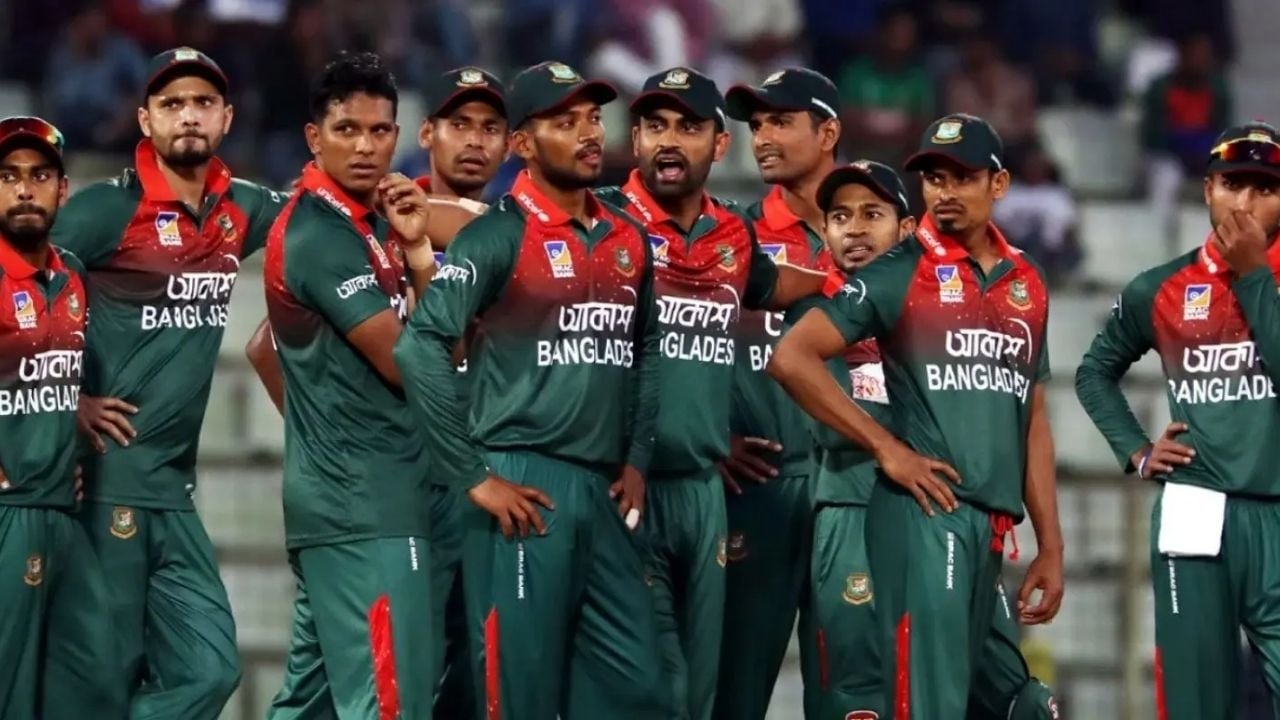
BCB in grave danger? Bangladesh government conducts investigation on T20 World Cup boycott

EX-CSK opener snubs T20 World Cup hero, picks shocking overseas names for RCB

Cameron Green loses cool at journalist ahead of IPL 2026

Vaibhav Sooryavanshi and RR crown themselves IPL 2026 champions before the tournament begins
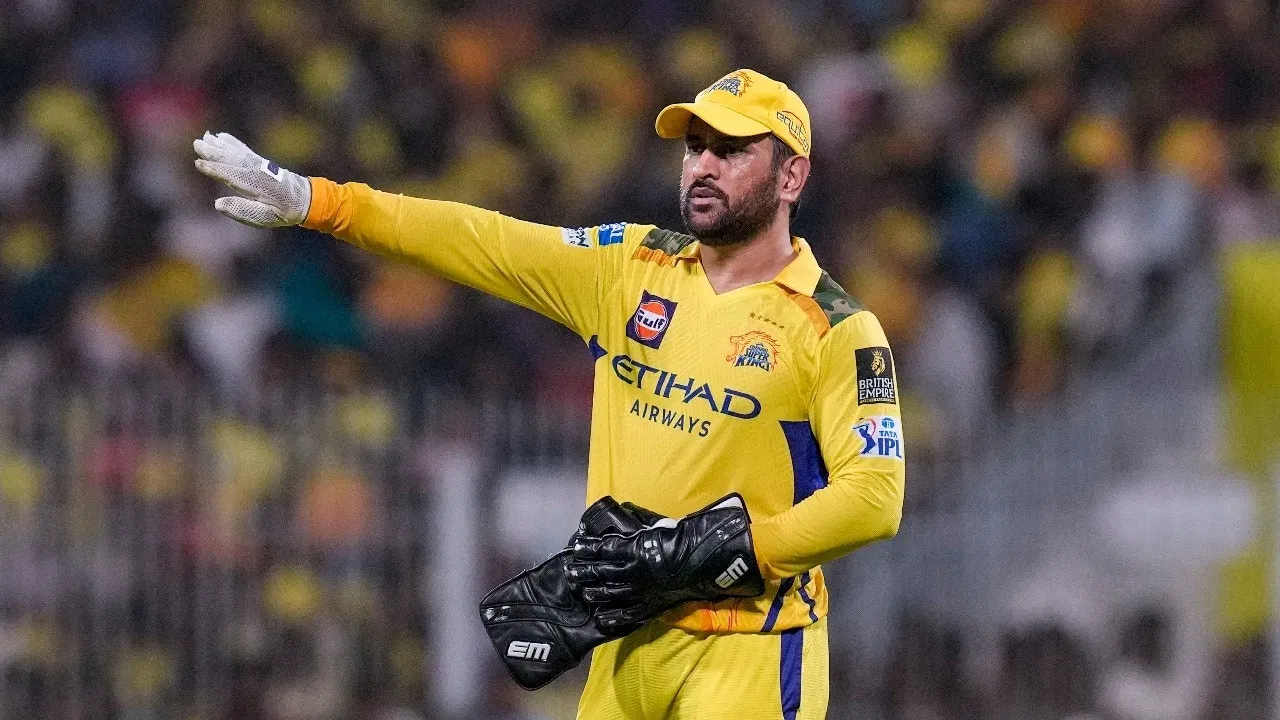
MS Dhoni exposed! Ex-CSK star reveals bizarre ‘hookah duty’ assigned to teammates
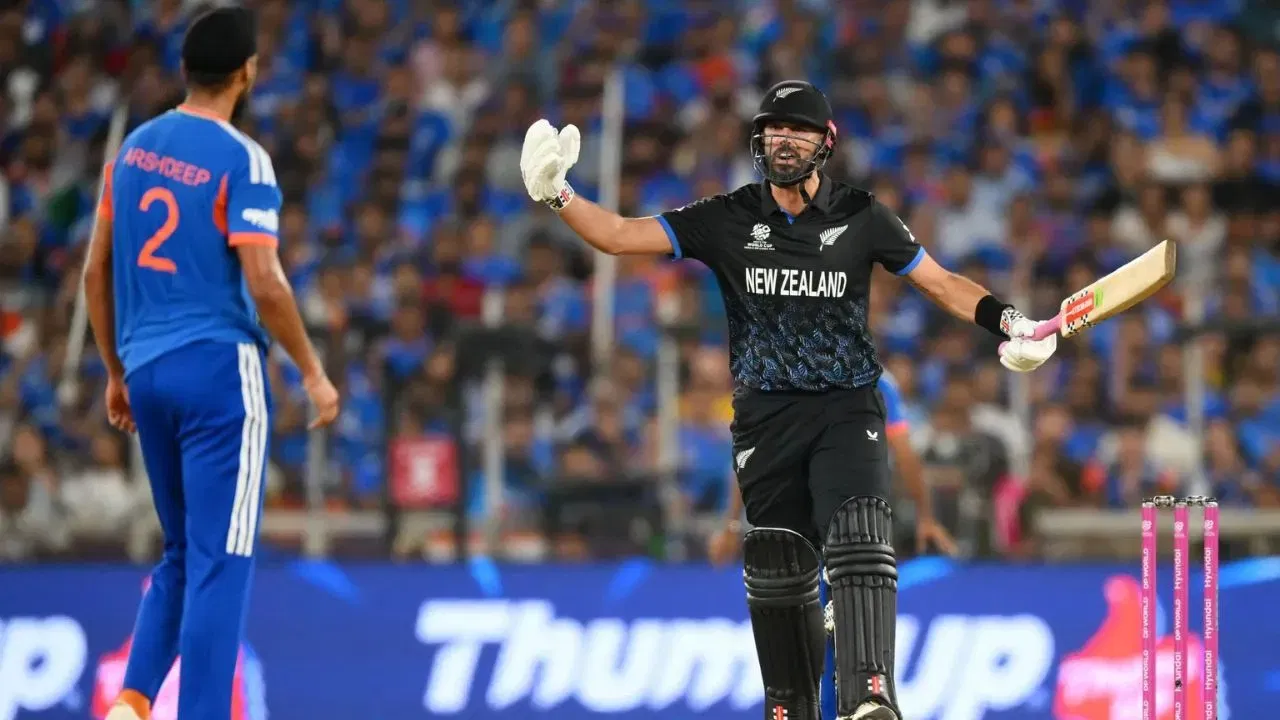
“It happens sometimes”: Suryakumar Yadav reveals on-field exchange with Daryl Mitchell in T20 World Cup final

“Rahul Dravid dances really well” – Ex-India pacer makes surprising revelation about former India head coach
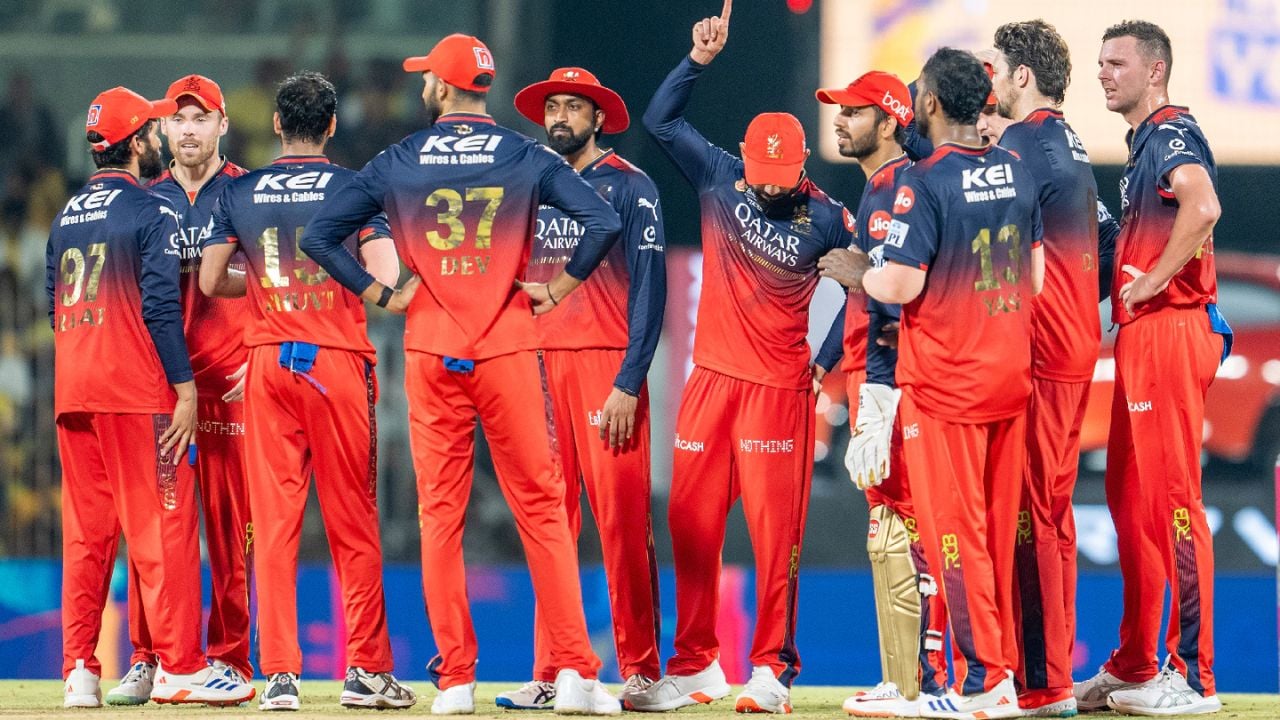
“Not to go behind them:” EX-MI batter exposes Virat Kohli and RCB’s weakness ahead of IPL 2026
“They shouldn’t get confused”: Ex-DC coach warns team over KL Rahul’s batting order ahead of IPL 2026
Rinku snubbed as KKR officially announce captain for IPL 2026
Former CSK batter hints at end of Rishabh Pant’s white-ball career
“Had a few minor fitness concerns”: MI head coach drops major update on Rohit Sharma’s participation in IPL 2026