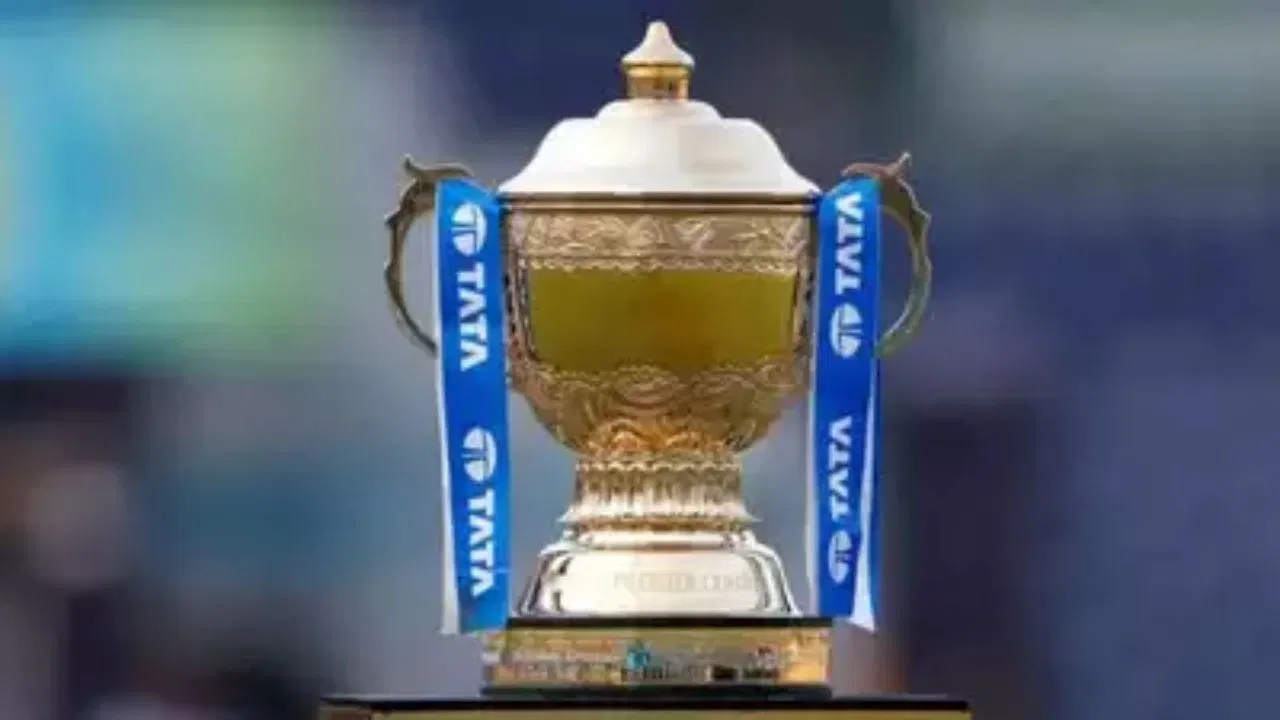
BCCI Secretary breaks silence on private exchange with Mohsin Naqvi over Asia Cup trophy row
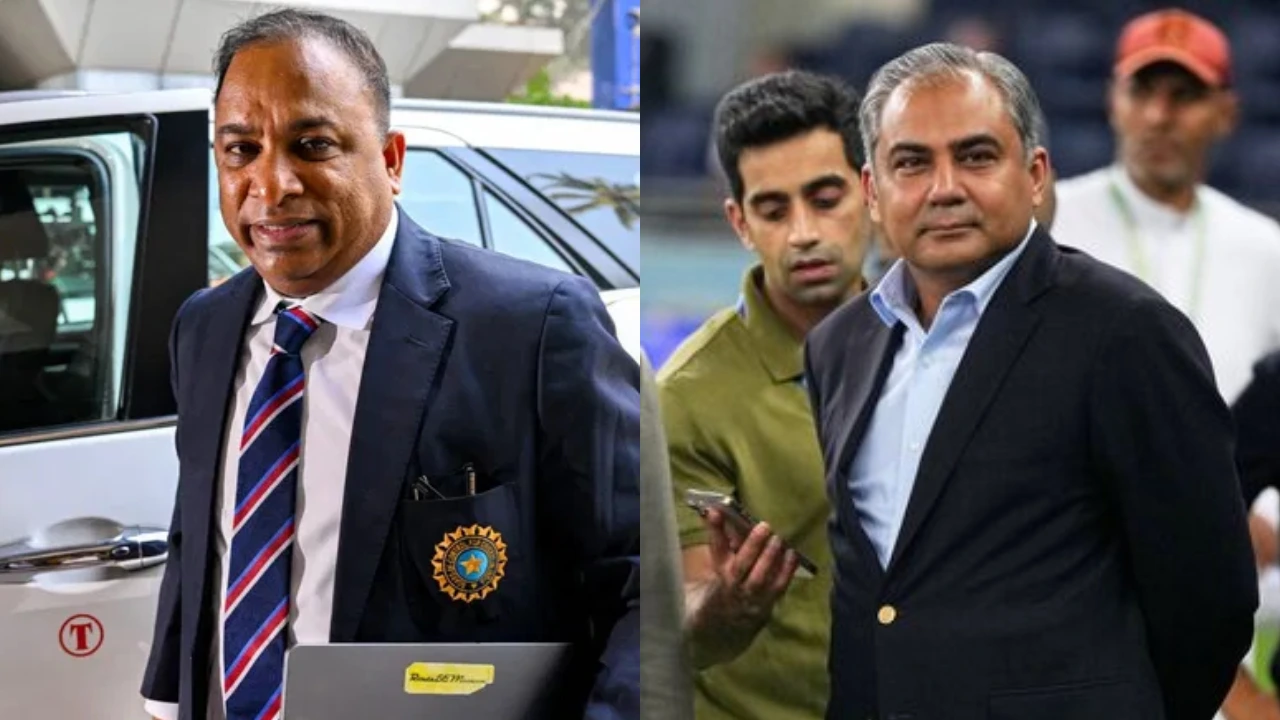
ICC Mediates BCCI and PCB Discussion Over Asia Cup Trophy Dispute
The recent International Cricket Council (ICC) meetings in Dubai saw the long-standing Asia Cup trophy controversy take center stage. While not officially on the agenda, the ICC facilitated a closed-door meeting between officials from the Board of Control for Cricket in India (BCCI) and the Pakistan Cricket Board (PCB) to address the ongoing dispute.
Mediation by ICC Officials
ICC Deputy Chair Imran Khawaja and CEO Sanjog Gupta played a crucial role in mediating the discussion between BCCI Secretary Devajit Saikia and PCB Chairman Mohsin Naqvi. Both parties were urged to resolve the controversy promptly, and they agreed to do so.
According to reports, the ICC opted not to form a special committee to address the Asia Cup trophy issue. Instead, Saikia and Naqvi will exchange proposals in the coming days to reach a mutually acceptable solution. Once an agreement is reached, it will be considered final, potentially putting an end to the longstanding 2025 Asia Cup trophy row.
Positive Outlook for Resolution
BCCI Secretary Devajit Saikia expressed optimism about resolving the matter swiftly. He confirmed that informal discussions took place between the BCCI and PCB officials during the ICC meetings in Dubai. Saikia commended the ICC for facilitating the dialogue and emphasized the positive nature of the discussions.
Saikia was quoted saying, “We had an informal meeting with PCB chief Mohsin Naqvi. Since it wasn’t part of the official agenda, ICC arranged a discussion. We are thankful to the ICC for making the effort in resolving the issue. Both parties had a cordial discussion and have agreed to resolve the matter at the earliest. The ice has been broken.”
Working Towards a Resolution
The controversy stemmed from India’s victory over Pakistan in the 2025 Asia Cup final. Reports indicated that Naqvi left the stadium with the trophy after the Indian team declined to accept it from the ACC chief, who also serves as Pakistan’s Interior Minister.
During the ICC meetings, Saikia represented the BCCI, while Arun Singh Dhumal attended on behalf of India. Saikia mentioned, “Both sides will work out something to solve the issue at the earliest. The ice has been broken now, so various options will be worked out. There will be options from the other side as well, and we will also give options on how to settle this issue and come to an amicable solution.”
With both sides showing a willingness to cooperate and find a resolution, the Asia Cup trophy dispute may soon be resolved, bringing an end to a contentious chapter in cricket history.
Historical Context of the Asia Cup Trophy Dispute
The Asia Cup trophy dispute between the BCCI and PCB has deep roots that go beyond the 2025 final match. The rivalry between India and Pakistan in cricket has a long and storied history, often marred by political tensions and controversies. This contentious relationship has spilled over into various aspects of the sport, including trophy presentations and diplomatic gestures.
The incident at the Asia Cup final is just one in a series of incidents that have fueled the animosity between the two cricketing nations. Understanding this historical context is crucial in comprehending the gravity of the current dispute and the complexities involved in resolving it.
Importance of Mediation in Sports Conflict Resolution
The intervention of the ICC in mediating the discussion between the BCCI and PCB underscores the significance of third-party involvement in resolving sports-related disputes. By providing a neutral platform for dialogue and negotiation, the ICC plays a crucial role in facilitating communication and fostering cooperation between conflicting parties.
Mediation in sports conflict resolution is essential not only for reaching a resolution but also for preserving the integrity of the game and maintaining positive relationships between cricketing boards. The involvement of impartial officials like Imran Khawaja and Sanjog Gupta demonstrates the commitment of the ICC to upholding fairness and sportsmanship in cricket.
Impact of the Asia Cup Trophy Dispute on Cricketing Relations
The Asia Cup trophy dispute has broader implications beyond a mere disagreement over a trophy presentation. It has the potential to strain the already delicate relations between the BCCI and PCB, affecting future cricketing collaborations, bilateral series, and overall diplomatic ties between India and Pakistan.
Resolving the Asia Cup trophy issue amicably is not only essential for the reputation of both cricket boards but also for the spirit of sportsmanship and camaraderie within the cricketing community. The outcome of this dispute will set a precedent for how future conflicts between cricketing nations are addressed and resolved.
Looking Towards a Brighter Future for Cricket Diplomacy
As the BCCI and PCB work towards finding a resolution to the Asia Cup trophy dispute, there is hope for a renewed sense of cooperation and goodwill between the two cricketing giants. By engaging in constructive dialogue and demonstrating a willingness to compromise, both parties can pave the way for a more harmonious relationship on and off the cricket field.
The successful resolution of the Asia Cup trophy issue will not only bring closure to a longstanding controversy but also signify a step towards building stronger cricketing ties in the region. It is an opportunity for India and Pakistan to showcase the true spirit of sportsmanship and unity, transcending political differences for the love of the game.
Ultimately, the Asia Cup trophy dispute serves as a reminder of the complexities and challenges inherent in international cricket diplomacy. However, with a commitment to dialogue, cooperation, and mutual respect, the BCCI and PCB can overcome these obstacles and set an example for cricketing nations worldwide.
Latest News
LSG vs DC Match No. 5 Preview: Free Live Streaming, Pitch & Weather Report, Head-to-Head | IPL 2026

LSG vs DC Match Prediction – Who Will Win Match No.5? | IPL 2026
LSG Playing XI vs DC Playing XI – Match No. 5 | IPL 2026
Krunal Pandya breaks silence on India snub, opens up on Virat Kohli
Mohsin Naqvi enforces new social media rules for Pakistan players following Naseem Shah incident
Fakhar Zaman officially handed cricket ban after PSL 2026 ball-tampering controversy
Pat Cummins forces Cricket Australia to slash central contracts list to secure premium deal
CSK’s big promise to players revealed amid IPL 2026: “Whatever BCCI offers, we’ll double it”
Ravichandran Ashwin rules out Vaibhav Sooryavanshi’s India call-up
Rashid Latif claims PSL ball-tampering row was deliberately created for attention amid IPL rivalry
Mohammed Shami breaks silence on retirement buzz after India snub; has special message for LSG
Mohammed Shami reveals IPL 2026 Top 4, leaves out five-time champions
Mohammed Shami hits back at Ravichandran Ashwin over LSG’s poor IPL 2026 prediction
Riyan Parag mocked Sanju Samson? Batter’s muscle-flex celebration after sensational 6 vs CSK goes viral