BCCI to groom Team Nepal to replace Bangladesh in international cricket
Bangladesh’s Participation in ICC T20 World Cup 2026 in Jeopardy
Recent developments have put Bangladesh’s place in the upcoming ICC T20 World Cup 2026 in doubt. The interim government has decided against traveling to India, citing security concerns. The Bangladesh Cricket Board (BCB) made the announcement on Thursday, with sports advisor Asif Nazrul reiterating their stance. This decision comes in the wake of Mustafizur Rahman’s removal from the IPL by the BCCI and Kolkata Knight Riders (KKR), prompting the BCB to opt out of the World Cup in India.
ICC’s Response and Potential Blacklisting
The BCB has urged the ICC to move the matches to Sri Lanka, but the discussions ended when the ICC declined to change the venue. Reports now suggest that the ICC board has voted to prepare a replacement team if Bangladesh maintains its stance. All ICC full members, except Pakistan, have backed this decision. The ICC has given the BCB an extra day to reconsider their position. If Bangladesh does not relent, Scotland, the highest-ranked team among the non-participating sides, is expected to take their place in Group C.
On January 22, 2026, BCB president Aminul Islam stated that Bangladesh would not play in India under any circumstances due to security concerns. Despite requests to move the matches, the ICC has stood firm on their decision to keep the tournament in India.
BCCI’s Involvement with Nepal Cricket
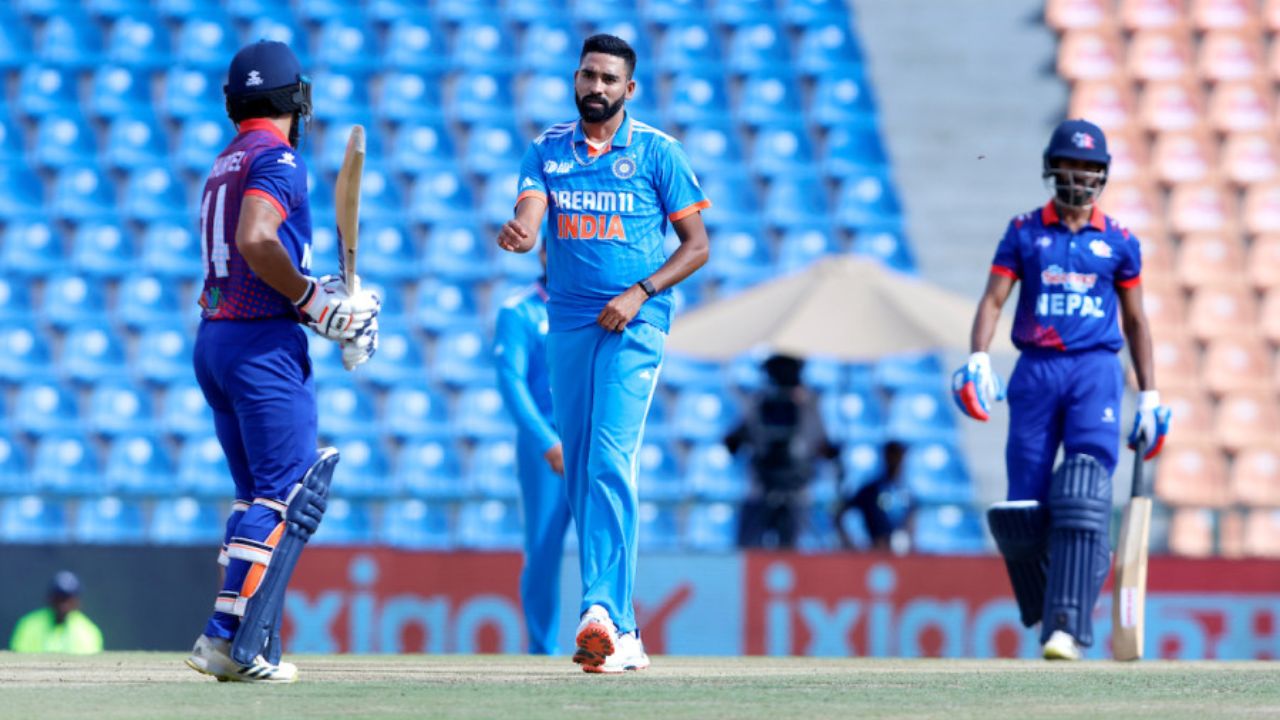
Amidst Bangladesh’s dispute with India, there are reports that the Board of Control for Cricket in India (BCCI) is grooming Nepal’s cricket board – Cricket Association of Nepal – to potentially step in. However, it is essential to note that India’s collaboration with Nepal cricket has been part of a development partnership rather than a covert plan to replace any team in the T20 World Cup 2026.
Over the past two years, the Indian government and the BCCI have supported Nepal’s cricket growth through training and infrastructure development. Nepal’s men’s team even spent time at the BCCI’s National Cricket Academy in Bengaluru for preparations. There has been no official confirmation of Nepal replacing Bangladesh in ICC events, but rumors suggest that the BCCI is working towards elevating Nepal’s status in international cricket.
Nepal’s Cricket Journey
Nepal has made significant strides in international cricket over the years, qualifying for the ICC Men’s T20 World Cup twice and earning a spot in the 2023 Asia Cup. The team achieved ODI status in 2018 and has been competing in ICC World Cup League 2. Nepal currently ranks 17th in ICC’s ODI rankings, having played 81 ODIs with a promising win record.
In T20 cricket, Nepal emerged victorious in the ICC Men’s T20 World Cup Asia Qualifier in 2025, solidifying their position as the strongest associate team in Asia. Nepalese players like Sandeep Lamichhane, who played in the IPL, have been gaining global recognition, showcasing the country’s growing presence in the cricketing world.
Despite the uncertainties surrounding Bangladesh’s participation in the ICC T20 World Cup 2026, Nepal’s cricketing journey continues to show promise and potential on the international stage.
Impact on Bangladesh Cricket and Future Considerations
The decision to potentially withdraw from the ICC T20 World Cup 2026 not only affects Bangladesh’s current participation but also has broader implications for the country’s cricketing future. Participation in international tournaments like the T20 World Cup provides valuable exposure and experience for players, helping them develop their skills and gain recognition on a global stage.
If Bangladesh does indeed miss out on the World Cup, it could impact the team’s rankings and overall standing in the cricketing world. The absence of such a significant tournament could also have financial repercussions for the Bangladesh Cricket Board (BCB), as participation in ICC events often brings in revenue and sponsorship opportunities.
Furthermore, the strained relationship between Bangladesh and the BCCI could have long-term consequences for bilateral cricketing ties between the two countries. The decision to skip the T20 World Cup may lead to further disputes or challenges in future collaborations, impacting the growth and development of cricket in the region.
Nepal’s Potential Rise in International Cricket
As Nepal’s cricketing journey continues to gain momentum, the country’s potential rise in international cricket is becoming increasingly evident. The support and collaboration between the BCCI and Nepal’s cricket board indicate a positive trajectory for Nepalese cricket, with the possibility of greater opportunities on the global stage.
Nepal’s success in qualifying for international tournaments like the ICC Men’s T20 World Cup and the Asia Cup highlight the team’s growing competitiveness and talent. The development initiatives undertaken by the Indian government and the BCCI have played a crucial role in nurturing and enhancing Nepal’s cricketing infrastructure and capabilities.
With players like Sandeep Lamichhane showcasing their skills in top-tier leagues like the IPL, Nepal’s cricketing talent is gaining recognition worldwide. The country’s strong performance in regional and international competitions indicates a promising future for Nepalese cricket, with the potential to become a formidable force in the cricketing world.
Broader Implications for ICC and Global Cricket
The ongoing situation surrounding Bangladesh’s participation in the ICC T20 World Cup 2026 underscores the complexities and challenges involved in organizing international cricket tournaments. The ICC’s response to potential withdrawals or disputes among member countries highlights the need for clear guidelines and protocols to address such scenarios effectively.
While the ICC has the authority to prepare replacement teams in case of withdrawals, such situations can disrupt the competitive balance and integrity of the tournaments. It also raises questions about the security considerations and logistical challenges faced by host countries when organizing major cricketing events.
As cricket continues to evolve as a global sport, ensuring the smooth conduct of international tournaments and fostering positive relationships among member nations is essential for the growth and sustainability of the game. The developments surrounding the ICC T20 World Cup 2026 serve as a reminder of the complexities and dynamics at play in the world of international cricket.
In conclusion, the uncertainties surrounding Bangladesh’s participation in the ICC T20 World Cup 2026 and the potential involvement of Nepal in international cricket highlight the diverse challenges and opportunities present in the sport. As the cricketing landscape continues to evolve, navigating issues related to security, diplomatic relations, and sporting excellence will be crucial for the growth and success of the game on a global scale.
Latest News
Virat Kohli’s explosive threat during coach’s conspiracy revealed: “Will beat the living hell out of…”
Dinesh Karthik can become head coach of India, England or Australia: Jitesh Sharma makes bold claim
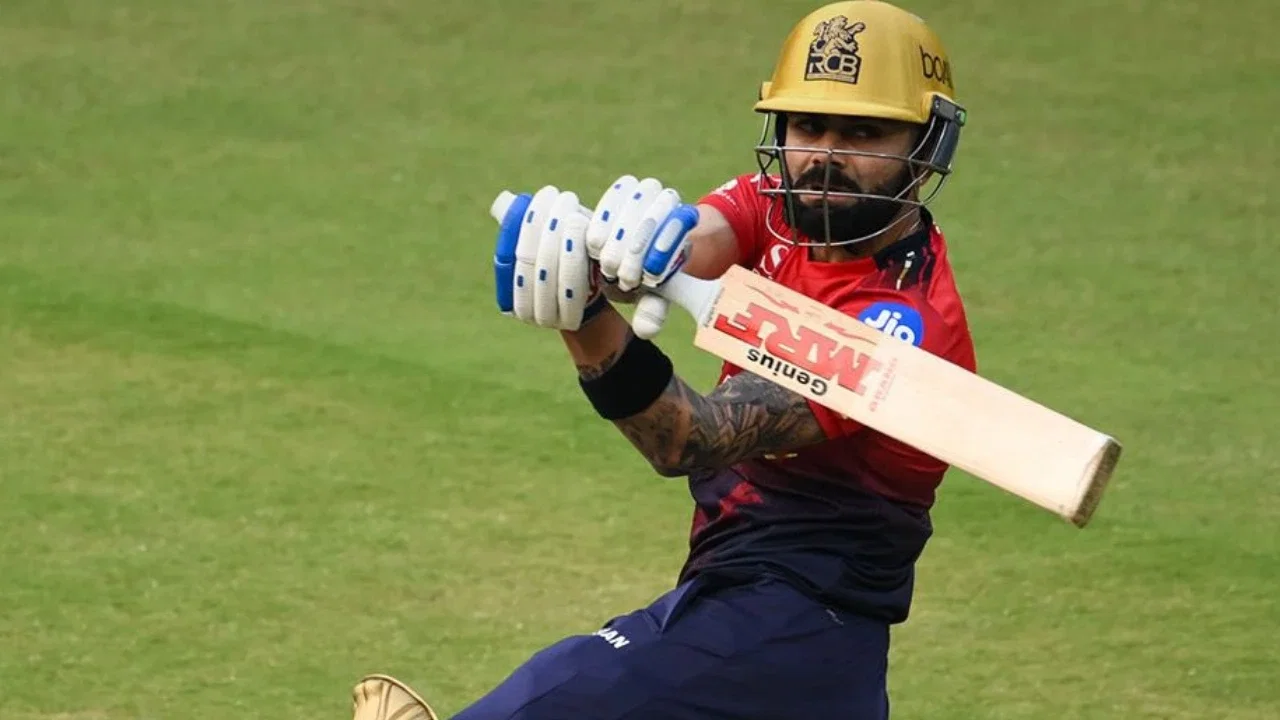
Virat Kohli turns Abhishek Sharma with explosive batting for RCB ahead of IPL 2026

Not Tim Seifert! KKR eye 21-year-old Indian as wicketkeeper for IPL 2026
“Itna dete nahi importance inko”: Jitesh Sharma trolls Pakistan, reveals unheard story
‘I liked young MS Dhoni more than the mature one’: Sourav Ganguly drops huge statement
RCB suffer huge blow! SLC blocks Nuwan Thushara’s IPL 2026 participation
Border-Gavaskar Trophy 2027 schedule announced; Ahmedabad among five venues selected
BCCI announces India’s 2026-27 international home season schedule; series vs AUS, WI, SL, ZIM finalized
Irfan Pathan reveals Yuvraj Singh’s secret method to train Rishabh Pant ahead of IPL 2026
Virat Kohli, Rohit Sharma ODI schedule: Full list of matches they will play in India’s 2026-27 home season
Days before RCB vs SRH IPL 2026 match, M. Chinnaswamy Stadium looks like a ‘construction side’
IPL 2026 second-half schedule announcement date revealed by BCCI secretary
LHQ vs HYDK Match Prediction, Pitch & Weather Report, Playing XIs, Head-to-Head, Free Live Streaming – PSL 2026 Match 1