BCCI to launch FIR in Dubai against Mohsin Naqvi!! Fresh report stuns Trophy Thief
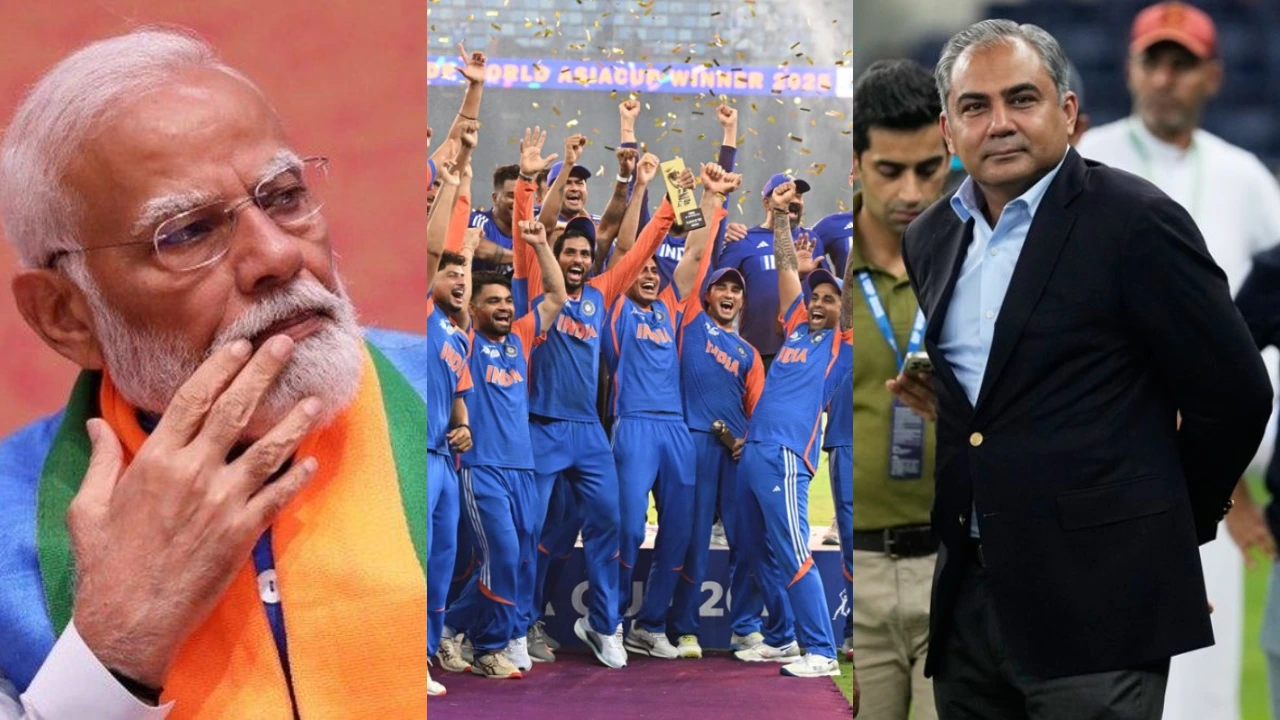
Tilak Varma Leads India to Victory in Asia Cup 2025 Final
Mohsin Naqvi Denies Apologizing to BCCI
The recent Asia Cup 2025 final held in Dubai between arch-rivals India and Pakistan saw a thrilling match where India emerged victorious with a five-wicket win. However, the post-match trophy drama involving the Pakistan Cricket Board (PCB) chairman Mohsin Naqvi and the Asian Cricket Council (ACC) has been making headlines.
Reports emerged suggesting that Mohsin Naqvi had apologized to the Board of Control for Cricket in India (BCCI) over the trophy controversy. However, Naqvi has denied these claims, calling them “cheap propaganda.” He clarified that he had spoken to an ACC member, not the BCCI, expressing that the events during the tournament were not handled properly. While he acknowledged the need for everyone to move forward, he did not offer an apology to the BCCI for the entire incident.
Despite the ongoing controversy, Mohsin Naqvi remains in Dubai, where the Asia Cup trophy is reportedly still in his possession at his hotel. The trophy has not yet been delivered to the ACC office, raising concerns among BCCI officials. It is believed that Naqvi may not take the trophy to Lahore, prompting arrangements for its direct delivery to the ACC office.
India’s Triumph and Naqvi’s Embarrassment
The Asia Cup final on September 28 showcased India’s dominance as they secured their ninth title in the tournament’s history. Youngster Tilak Varma played a pivotal role in the victory, scoring an unbeaten 69 off 53 balls to guide India to the target set by Pakistan. Shivam Dube and Sanju Samson also contributed significantly to the chase.
Earlier in the match, India’s bowling attack, led by Kuldeep Yadav, put up a stellar performance to restrict Pakistan to a modest total of 146 runs. Despite the on-field success, the post-match ceremony turned sour as the Indian players declined to accept the trophy from Mohsin Naqvi, leading to a delayed presentation.
The BCCI has made it clear that the Indian team will not accept the trophy from Naqvi, further complicating the situation for the PCB chairman. While discussions are ongoing behind the scenes, the BCCI has not expressed intentions to file a legal complaint over the matter.
Looking Ahead
As the fallout from the Asia Cup final continues, all eyes are on Mohsin Naqvi and the ACC to address the trophy controversy. With tensions running high between the cricket boards of India and Pakistan, the focus now shifts to how the situation will be resolved and what steps will be taken to ensure a smooth handover of the trophy.
Despite the off-field drama, Indian cricket fans are celebrating their team’s victory in the Asia Cup 2025, with hopes for more success in future tournaments. As for Naqvi, the coming days will determine how he navigates the aftermath of the trophy debacle and works to restore his image in the cricketing world.
The Impact of Prediction Models on Cricket
One of the key factors contributing to India’s victory in the Asia Cup 2025 final was the strategic use of prediction models in cricket. In recent years, teams have increasingly relied on data analytics and predictive algorithms to gain a competitive edge on the field. By analyzing player performance, pitch conditions, historical data, and various other factors, teams can make informed decisions during matches.
Prediction models help teams identify patterns, trends, and potential outcomes, allowing them to adjust their strategies accordingly. In the case of India’s triumph in the Asia Cup final, these models may have played a crucial role in determining the batting order, bowling tactics, and field placements that ultimately led to their success. By leveraging data-driven insights, teams can optimize their performance and maximize their chances of winning matches.
The Evolution of Trophy Controversies in Cricket
Trophy controversies are not uncommon in the world of cricket, with disputes over trophy presentations, ownership, and handling arising from time to time. The incident involving Mohsin Naqvi and the Asia Cup trophy adds to a list of contentious moments in cricket history. Such controversies often highlight the underlying tensions between cricket boards, teams, and tournament organizers.
While trophies symbolize victory and achievement in cricket, they can also become focal points of disagreement and discord. The handling of trophies, especially in high-profile matches like the Asia Cup final, can have far-reaching implications for the reputation of individuals and organizations involved. As cricket continues to evolve, it is essential for stakeholders to address trophy controversies with transparency, fairness, and respect for the spirit of the game.
The Role of Diplomacy in Cricket Relations
Cricket has long been used as a diplomatic tool to foster relationships, build bridges, and promote goodwill between nations. The India-Pakistan rivalry, often marked by intense competition and political tensions, underscores the delicate balance between cricket and diplomacy. In the aftermath of the Asia Cup final, diplomatic efforts behind the scenes are crucial in resolving the trophy controversy and easing tensions between the cricket boards of India and Pakistan.
Diplomatic channels can facilitate dialogue, negotiation, and conflict resolution in cricket-related disputes, ensuring that the spirit of sportsmanship prevails. As cricket continues to transcend boundaries and unite fans worldwide, the role of diplomacy in managing international cricket relations becomes increasingly significant. By promoting dialogue and understanding, diplomacy can help navigate the complexities of cricket diplomacy and uphold the values of fair play and mutual respect.
The Future of Cricket Governance and Ethics
The Asia Cup 2025 final and its aftermath shed light on the governance and ethics challenges facing the world of cricket. From issues of trophy ownership and presentation to the conduct of officials and players, the incident underscores the importance of upholding ethical standards and principles in the sport. As cricket governance evolves, there is a growing need for transparency, accountability, and integrity in decision-making processes.
Cricket organizations, including the ACC and the BCCI, must prioritize ethical behavior, fairness, and respect for the rules of the game. By promoting a culture of good governance and ethics, cricket can maintain its reputation as a noble sport that values integrity, sportsmanship, and ethical conduct. The Asia Cup controversy serves as a reminder of the ongoing work needed to uphold the highest standards of governance and ethics in cricket.
By exploring the impact of prediction models, the evolution of trophy controversies, the role of diplomacy, and the future of cricket governance and ethics, this expanded content provides a comprehensive analysis of the Asia Cup 2025 final and its implications for the world of cricket.
Latest News
“Only God can save them”: SRH’s bowling attack slammed as “fake” and “terrible” after RCB thrashing
“I find him quite bizarre”: Ravichandran Ashwin’s no-nonsense verdict on Virat Kohli
Michael Vaughan makes a bold declaration on IPL 2026, hands SRH no chance for the playoffs
‘Virat Kohli made my job easier’: Devdutt Padikkal bows down to King after heroics vs SRH

“We dedicate this win to 11 fans”: RCB captain Rajat Patidar pays tribute to stampede victims
Ravi Bishnoi trolls Babar Azam from the Rajasthan Royals training camp

Mumbai Indians on the verge of history ahead of IPL 2026 clash against KKR
Jofra Archer imitates Ravindra Jadeja’s bowling action in nets amid IPL 2026 (Watch video)

‘Tommy, Ek ko papa chun le’: Harbhajan Singh delivers abusive responses to commentary critics
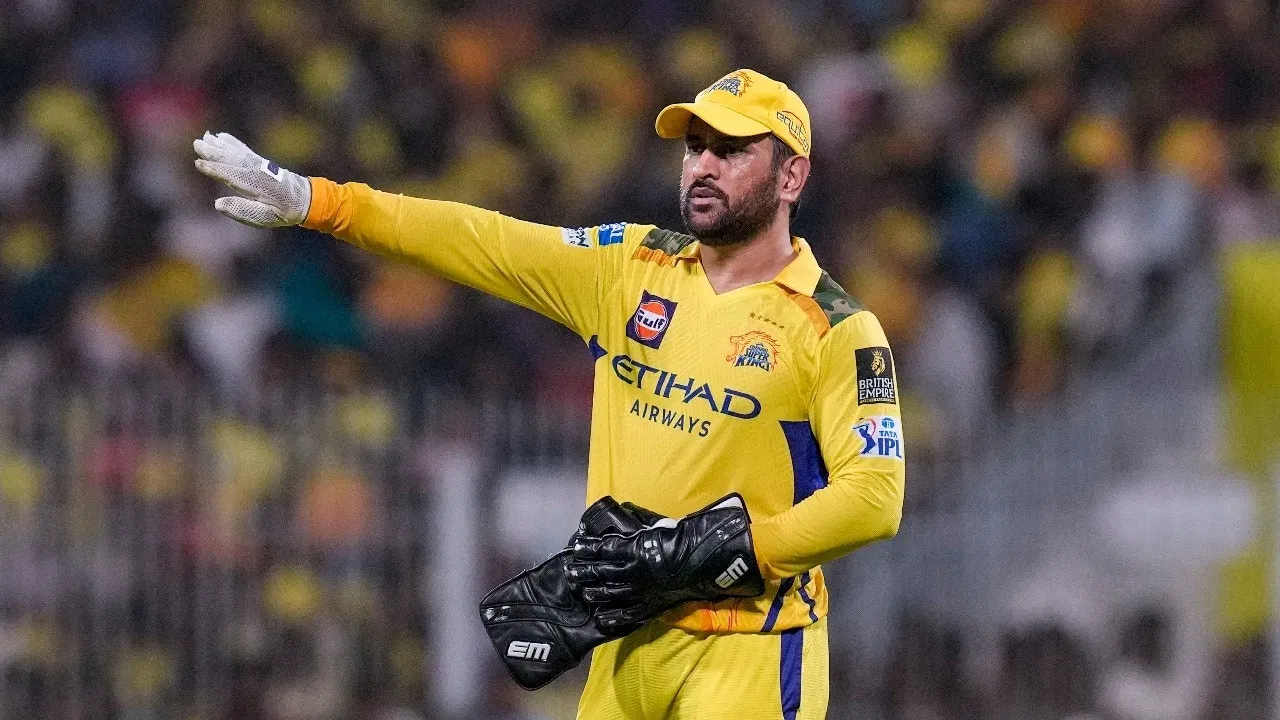
Huge blow for CSK! MS Dhoni likely out for six matches in IPL 2026
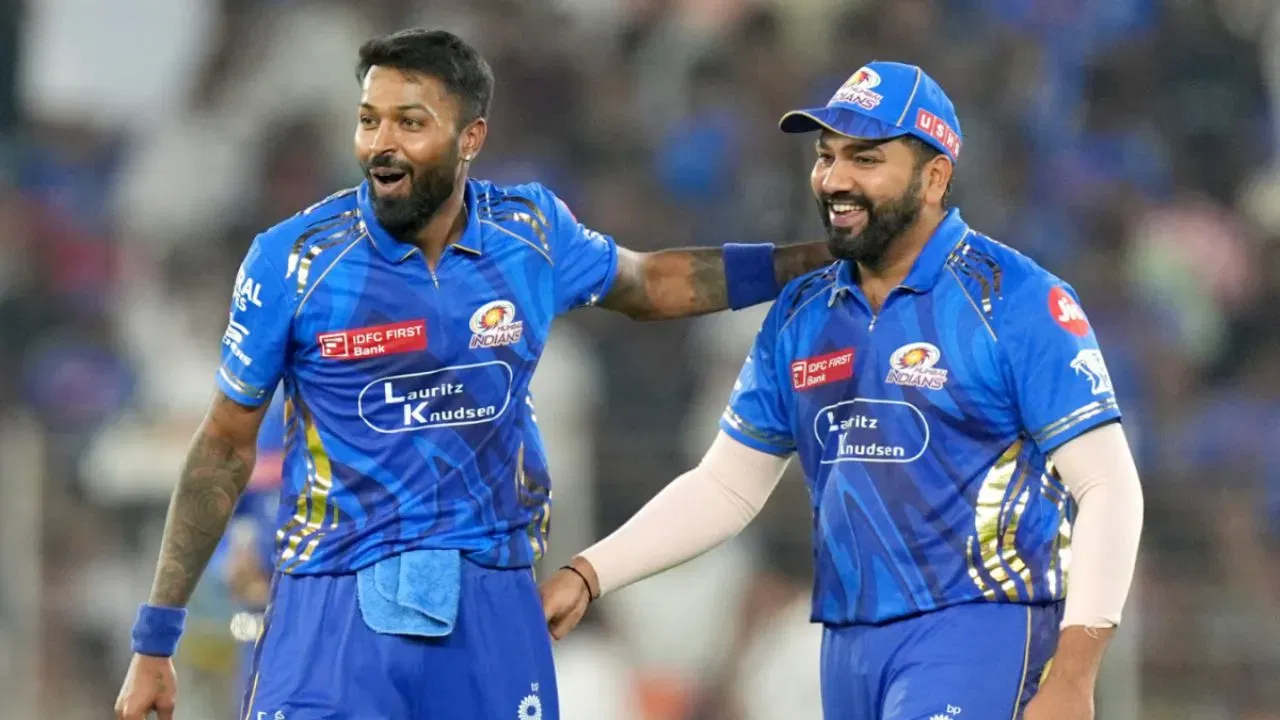
Rohit Sharma to wreak havoc at Wankhede! Ex-BCCI selector’s massive warning for KKR bowlers
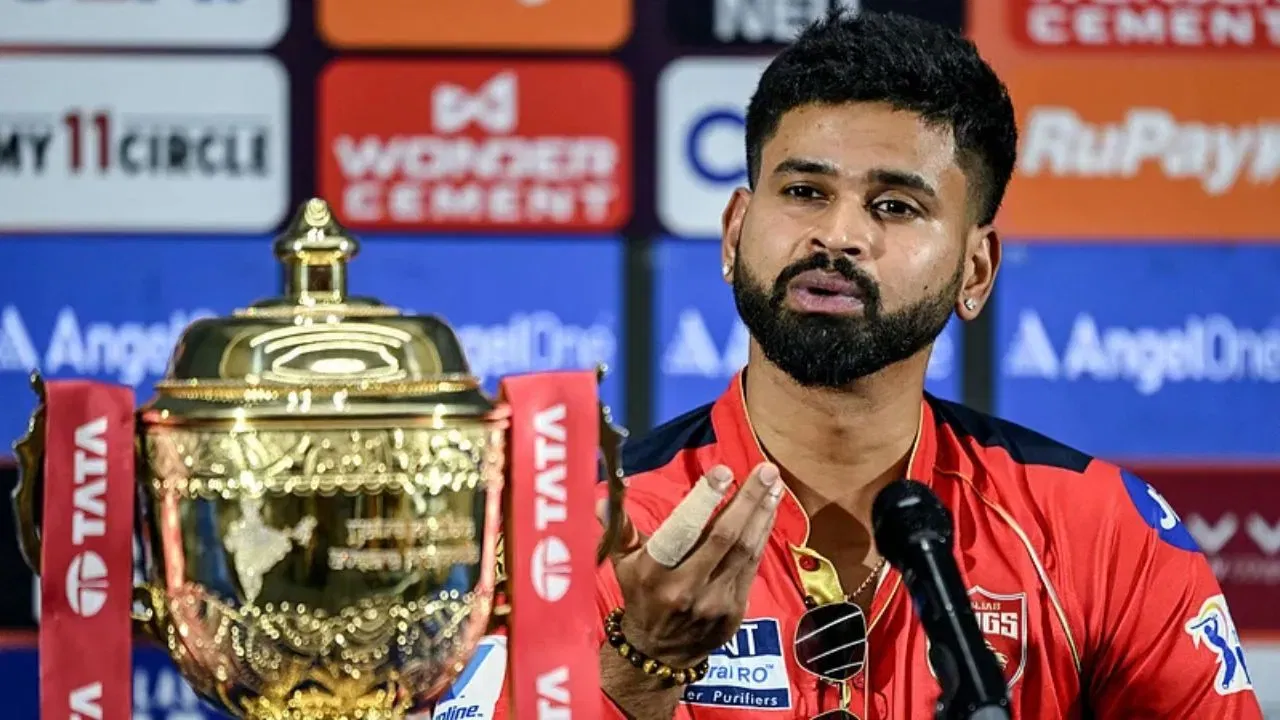
‘Shreyas Iyer is one of the strongest captains in IPL’ – Australia star in awe of PBKS skipper
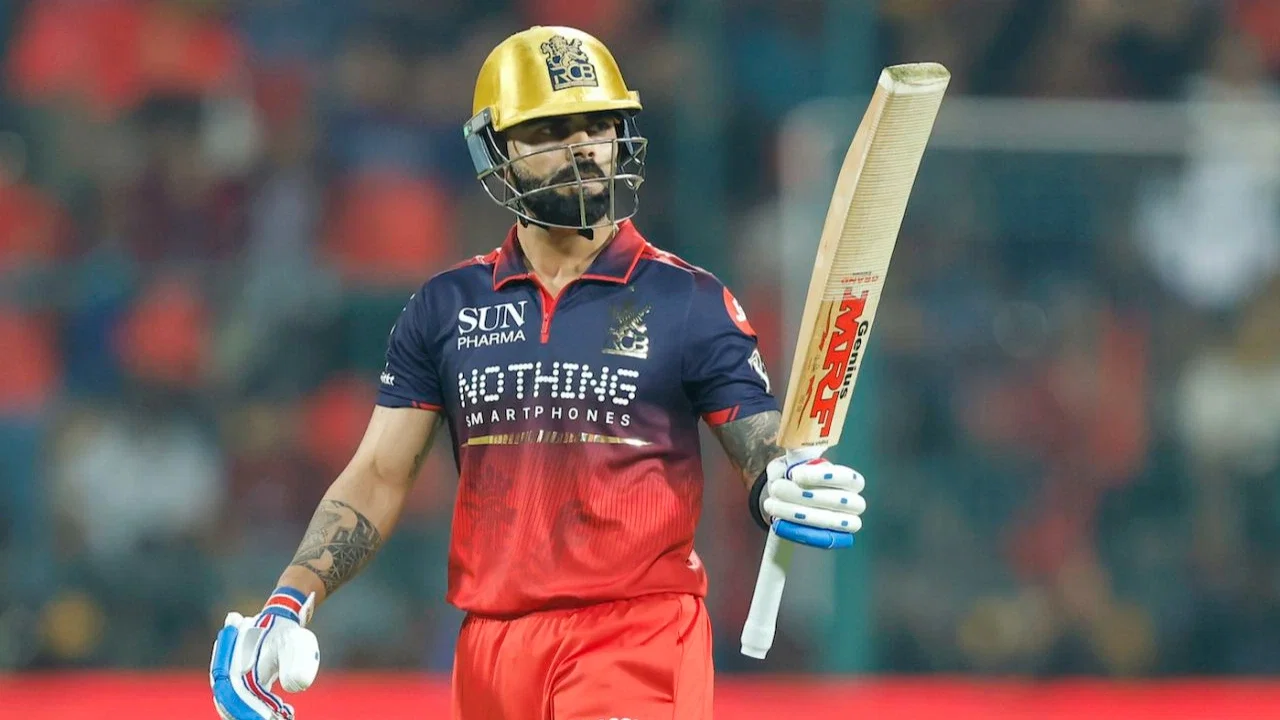
Shubman Gill out? Virat Kohli’s Test comeback as captain suggested by CSK legend
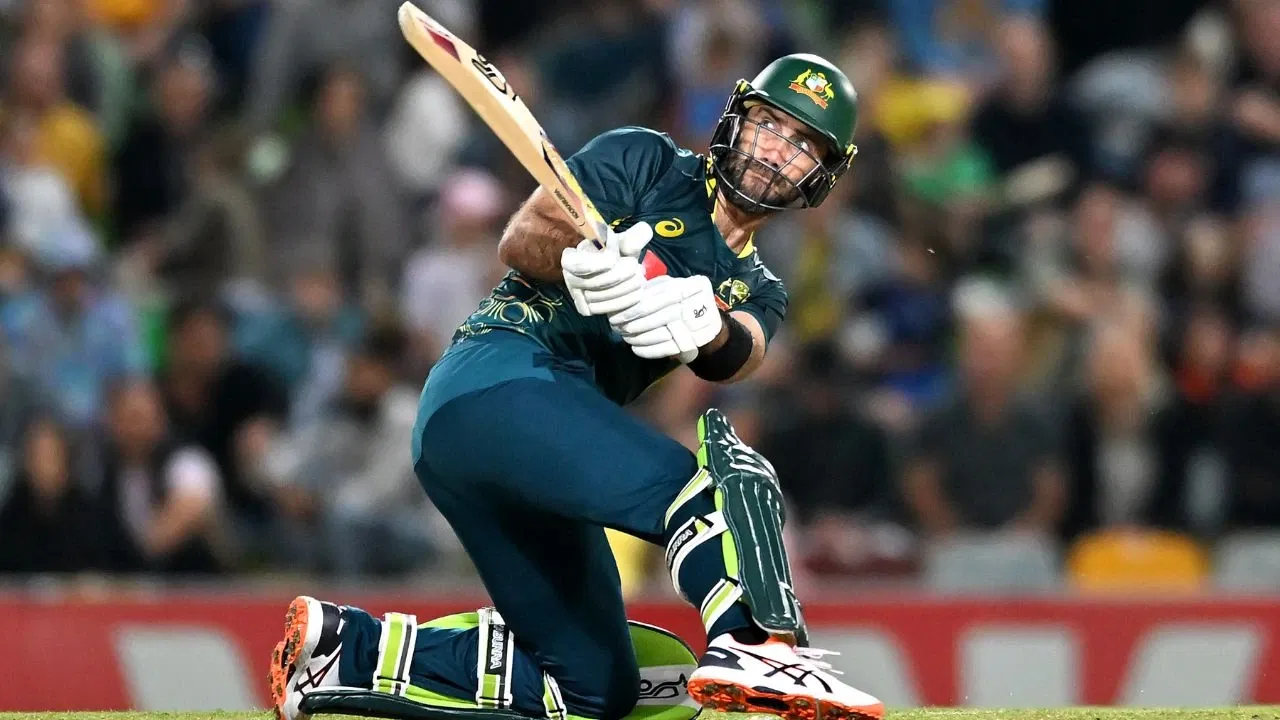
Jason Gillespie gives major update on Glenn Maxwell’s availability for PSL 2026