

BCCI turns heat on VVS Laxman, demands answers after India U19’s Asia Cup debacle
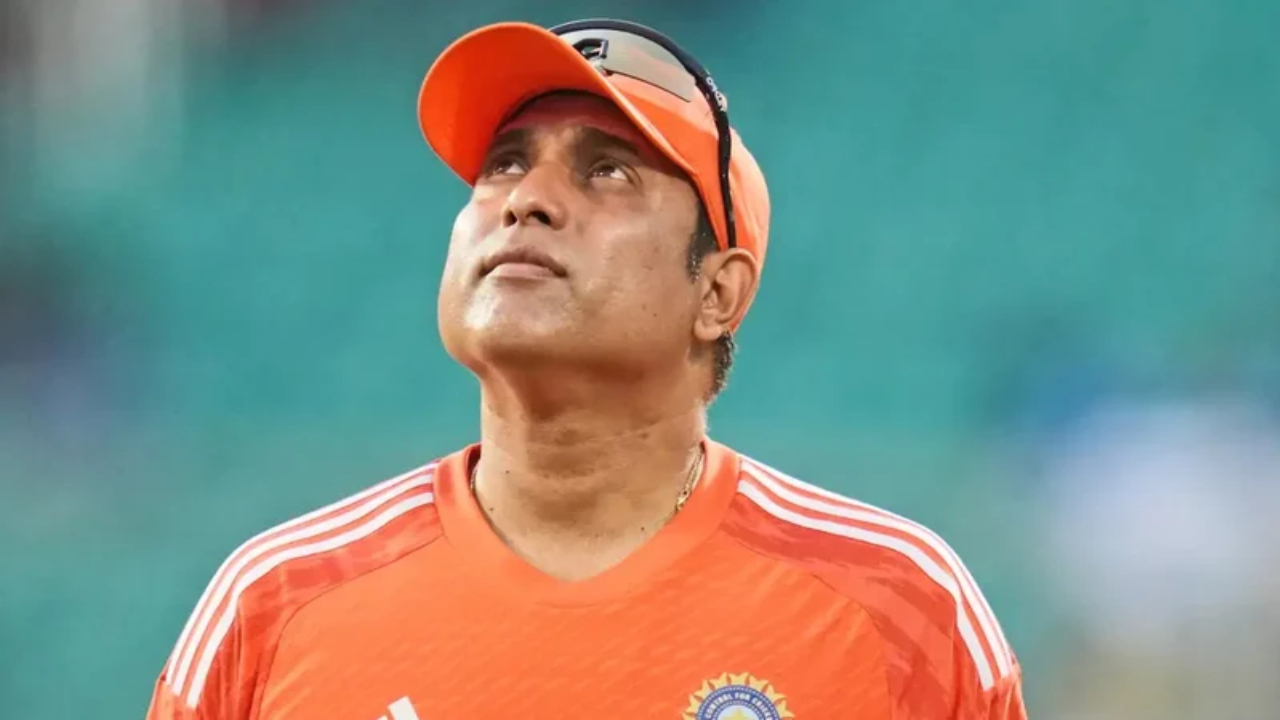
### BCCI to Revamp Youth Development System Following India U19’s Loss to Pakistan
The recent defeat of the India U-19 team to Pakistan in the Asia Cup 2025 has prompted the Board of Control for Cricket in India (BCCI) to critically review and address the shortcomings in its youth development system. The BCCI is now actively looking at restructuring the coordination between various stakeholders such as VVS Laxman, team management, selectors, and the Centre of Excellence (CoE) to enhance player development and performance.
#### Concerns Over Player Development
The Asia Cup match saw Pakistan posting an imposing total of 347 for 8, with Sameer Minhas scoring a century. In response, India struggled to counter Pakistan’s fast bowlers, with Ali Raza leading the attack with four wickets. India was bowled out for a mere 156 runs in just 26.2 overs. This dismal performance has raised significant concerns about the efficacy of India’s youth development system.
According to a report by The Times of India, the BCCI has expressed apprehensions about the progress and development of young players over the past four years. There seems to be a lack of clarity and coordination between the team management, selectors, and the CoE. In particular, the roles and responsibilities of CoE coaches and selectors are reportedly causing confusion.
#### VVS Laxman Under Scrutiny
VVS Laxman, who recently received a two-year extension as the head of cricket at the CoE, holds significant authority over the selection and captaincy decisions for the Under-19 teams. However, concerns have been raised about the lack of involvement of Laxman in the selection process for India ‘A’ players, unlike his predecessor Rahul Dravid, who played an active role in devising development programs for players across different age groups.
The defeat in the Under-19 Asia Cup, coupled with India ‘A’ team’s failure to reach the final of the Rising Stars Asia Cup, has highlighted the shortcomings in India’s player development pipeline. The management believes that many young players are not adequately prepared for the rigors of international cricket. The transition from age-group cricket to the senior level has been challenging for most players, emphasizing the urgent need for systemic changes.
#### Calls for Improved Oversight and Development
The operational efficiency of the CoE has come under scrutiny as it has only recently commenced full-fledged operations. VVS Laxman’s focus on administrative duties has limited his involvement with the developmental teams, contrasting with Rahul Dravid’s hands-on approach. The BCCI is now contemplating whether Laxman should travel more with the developmental teams to provide better oversight and guidance.
Moreover, the coaching staff, especially fast bowling coach Troy Cooley, is facing scrutiny due to the lack of significant improvements in young pacers. The need for a more structured and coordinated approach to team selection, training, and match strategies has been emphasized to enhance the overall development of young cricketers.
In conclusion, the recent setbacks suffered by the youth teams have prompted the BCCI to reassess its youth development system comprehensively. The focus is on strengthening the coordination between various stakeholders to ensure a more robust and effective player development pathway for aspiring cricketers in India.
### Evaluating the Impact of the Recent Loss
The defeat of the India U-19 team to Pakistan in the Asia Cup 2025 has sparked a wave of introspection within the Indian cricketing fraternity. The resounding loss has underscored the importance of a robust and coherent youth development system that can nurture young talent and prepare them for the challenges of international cricket. With Pakistan’s successful performance exposing the gaps in India’s strategy, the BCCI is now under pressure to revamp its approach to talent identification, training, and selection.
#### Addressing Structural Inefficiencies in Player Development
One of the key issues plaguing India’s youth development system is the lack of alignment between various stakeholders. The disconnect between the team management, selectors, and the Centre of Excellence (CoE) has hindered the seamless progression of talented youngsters from age-group cricket to the senior level. The BCCI’s decision to reevaluate the roles and responsibilities of these stakeholders is a step in the right direction towards creating a more integrated and coherent player development pathway.
The recent defeat has also highlighted the need for a more hands-on approach from senior management, especially from VVS Laxman, who plays a pivotal role in shaping the future of Indian cricket. Laxman’s involvement in the selection process for India ‘A’ players, as well as his active engagement with the developmental teams, will be crucial in bridging the gap between the youth setup and the senior team. By leveraging Laxman’s experience and expertise, the BCCI can ensure that promising young players receive the guidance and support they need to succeed at the international level.
#### Enhancing Coaching and Training Programs
In addition to restructuring the coordination between stakeholders, the BCCI must also focus on enhancing the coaching and training programs offered to young cricketers. The underperformance of India’s fast bowlers in the recent matches has raised concerns about the efficacy of the coaching staff, particularly the fast bowling coach Troy Cooley. A more structured and specialized approach to training young pacers is essential to develop a pool of quality bowlers who can compete at the highest level.
Moreover, the BCCI should consider implementing talent identification programs at the grassroots level to scout and nurture talent from a young age. By investing in grassroots cricket and providing opportunities for talented youngsters to showcase their skills, the BCCI can ensure a steady pipeline of talent that can feed into the national teams. This proactive approach to talent development will not only strengthen India’s cricketing infrastructure but also help identify and nurture the next generation of cricketing superstars.
### Conclusion
The recent loss suffered by the India U-19 team has served as a wake-up call for the BCCI, prompting a comprehensive review of the youth development system. By addressing structural inefficiencies, enhancing coaching and training programs, and investing in grassroots talent identification, the BCCI can create a more robust and effective player development pathway for aspiring cricketers in India. With a renewed focus on talent nurturing and strategic planning, India can pave the way for a bright future in international cricket.
Latest News
Punjab Kings penalised! Shreyas Iyer punished after win vs Gujarat Titans in IPL 2026
Shreyas Iyer injury update: Punjab Kings captain ruled out of IPL 2026?
LSG vs DC Match No. 5 Preview: Free Live Streaming, Pitch & Weather Report, Head-to-Head | IPL 2026

LSG vs DC Match Prediction – Who Will Win Match No.5? | IPL 2026
LSG Playing XI vs DC Playing XI – Match No. 5 | IPL 2026
Krunal Pandya breaks silence on India snub, opens up on Virat Kohli
Mohsin Naqvi enforces new social media rules for Pakistan players following Naseem Shah incident
Fakhar Zaman officially handed cricket ban after PSL 2026 ball-tampering controversy
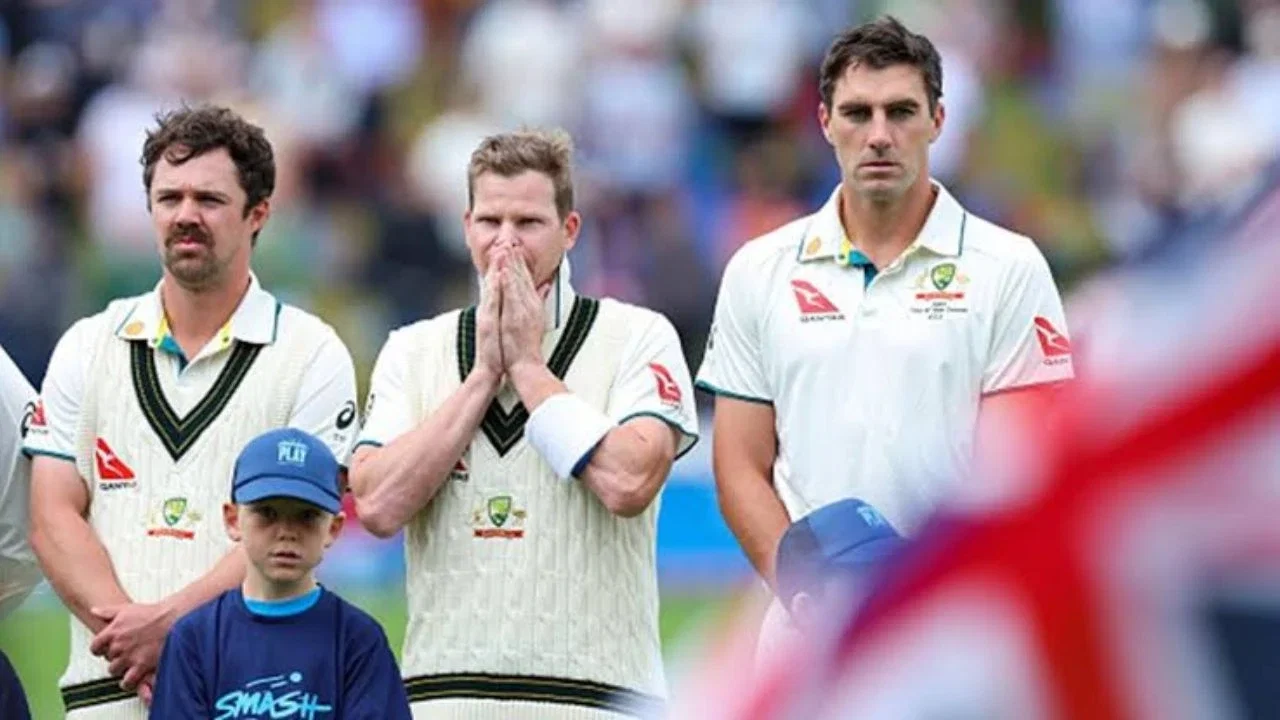
Pat Cummins forces Cricket Australia to slash central contracts list to secure premium deal
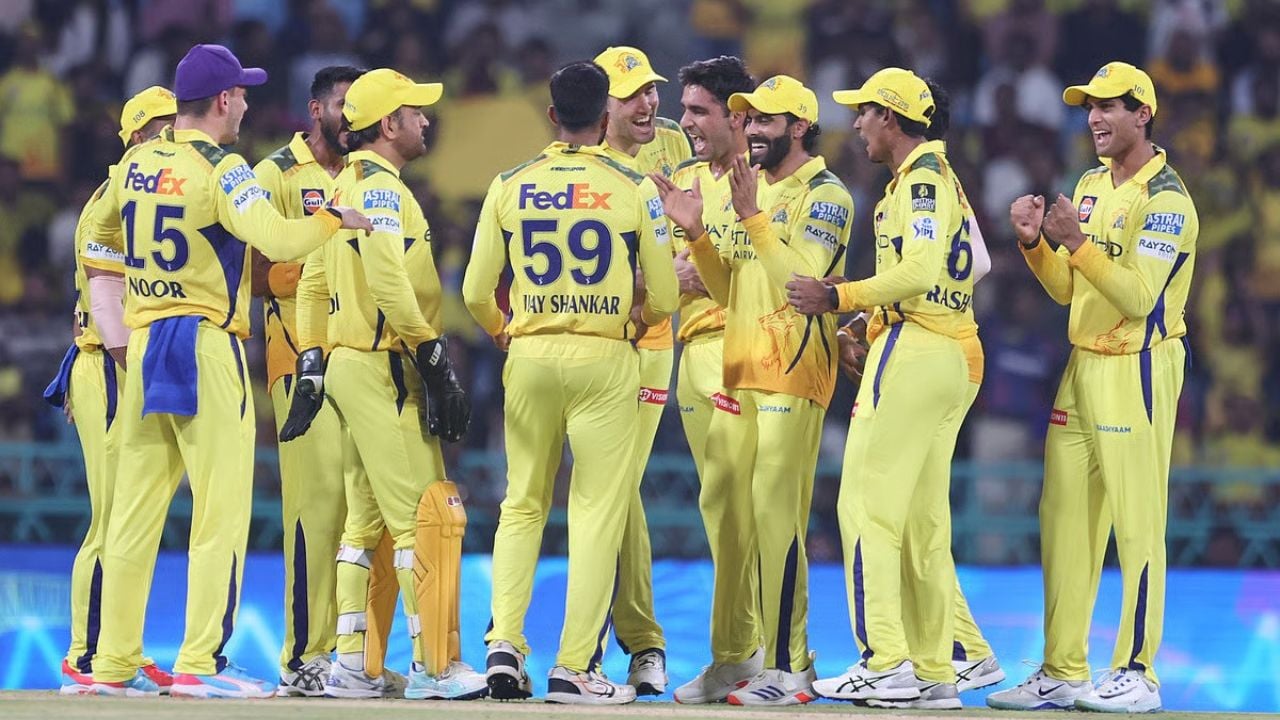
CSK’s big promise to players revealed amid IPL 2026: “Whatever BCCI offers, we’ll double it”
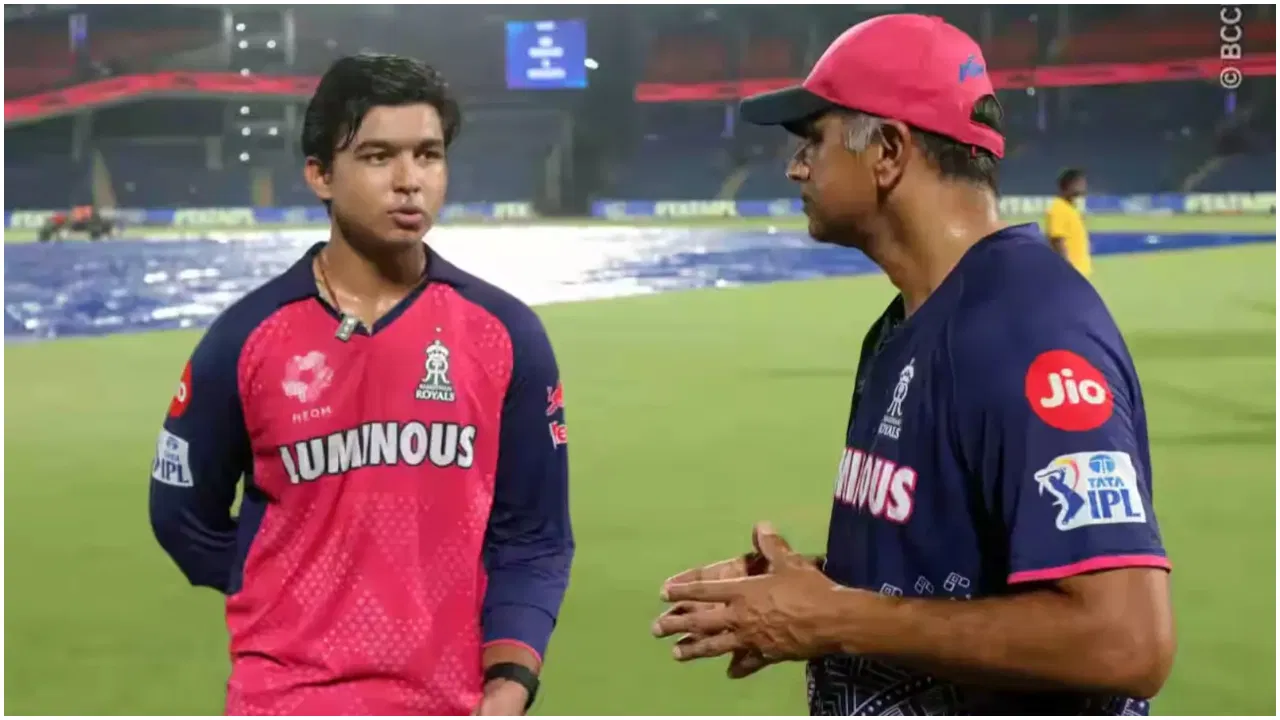
Ravichandran Ashwin rules out Vaibhav Sooryavanshi’s India call-up
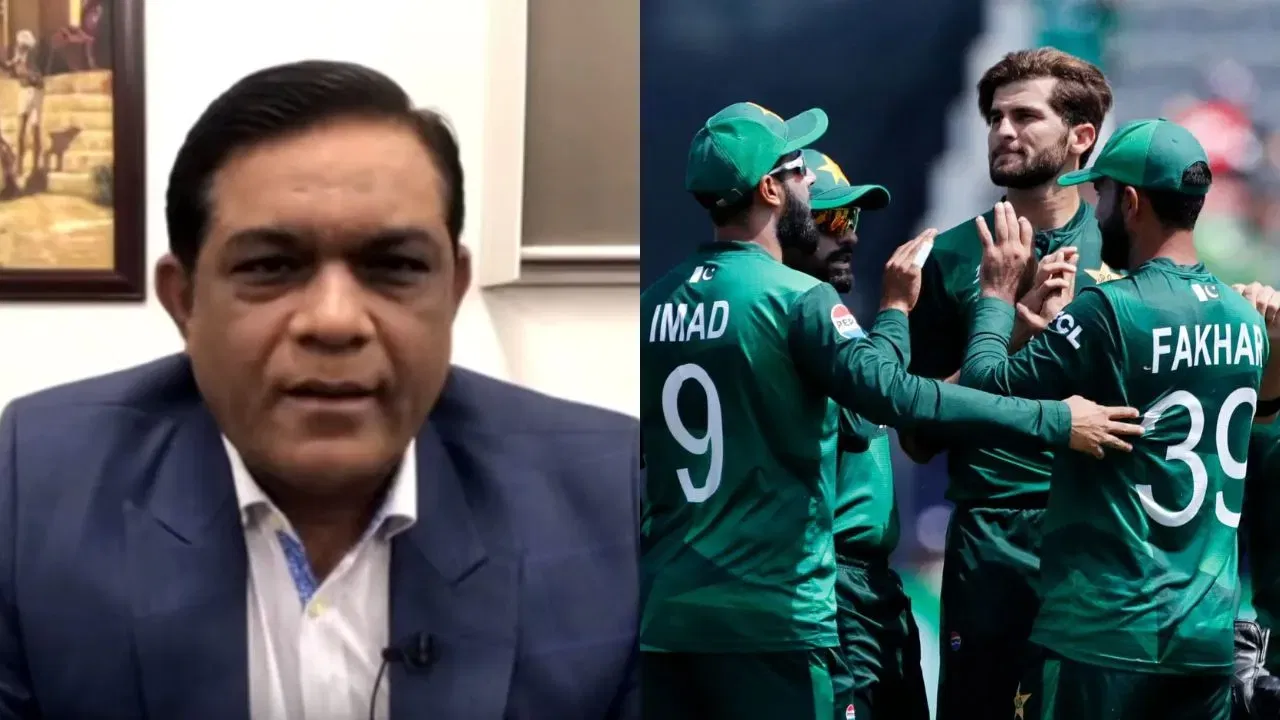
Rashid Latif claims PSL ball-tampering row was deliberately created for attention amid IPL rivalry
Mohammed Shami breaks silence on retirement buzz after India snub; has special message for LSG
Mohammed Shami reveals IPL 2026 Top 4, leaves out five-time champions

