BCCI Unfazed as Bangladesh Enforces IPL 2026 Broadcast Ban, Seeks T20 World Cup 2026 Venue Shift
BCCI Dismisses Bangladesh’s Response to IPL Controversy
The Board of Control for Cricket in India (BCCI) has downplayed the escalating diplomatic tensions with Bangladesh, deeming it to have “no real consequences.” The rift arose following Bangladesh’s decision to blackout the IPL 2026 and formally request the International Cricket Council (ICC) to relocate its upcoming ICC T20 World Cup 2026 matches to Sri Lanka.
Former BCCI Official’s Perspective
A former BCCI official has minimized the impact of Bangladesh’s actions, attributing them to recent developments. He reassured that neither India nor the IPL 2026 would face any significant repercussions from the situation. The official explained, “For every action, there is a reaction. The Bangladesh Cricket Board is merely doing what it believes is within its authority.”
The controversy was triggered by the unexpected expulsion of Bangladesh’s fast bowler, Mustafizur Rahman, from the Kolkata Knight Riders (KKR) squad just before the IPL 2026 season. The decision was made under political pressure, reflecting concerns over the situation of Hindu minorities in Bangladesh.
Bangladesh’s Response
In retaliation, the Bangladesh Ministry of Information and Broadcasting instructed all domestic broadcasters to suspend the telecast of IPL 2026 matches indefinitely. The ministry expressed dismay over Rahman’s exclusion from the KKR team, stating that it had caused distress and anger among the Bangladeshi people.
Moreover, the Bangladesh Cricket Board (BCB) formally requested the ICC to relocate Bangladesh’s matches in the upcoming ICC T20 World Cup 2026 out of India. This move adds a new dimension to the tensions between the two cricket-playing nations.
Impact on Cricket Ties and ICC
The fallout from this controversy threatens to strain cricket relations between India and Bangladesh. It also poses a challenge for the ICC in managing the scheduling of the ICC T20 World Cup 2026, slated to begin on February 7.
Although the BCB’s actions have sparked a diplomatic row, the BCCI maintains a “business as usual” stance, indicating that it does not expect any lasting repercussions from the situation. The governing bodies of both countries and the ICC are yet to provide a formal response to Bangladesh’s requests and actions.
As the cricketing world watches closely, the outcome of this dispute will potentially impact not just the immediate matches but also the broader relationship between India and Bangladesh in the cricketing arena.
Impact on South Asian Cricket Dynamics
The recent rift between India and Bangladesh over the IPL controversy highlights the intricate dynamics at play within South Asian cricket. Historically, cricket has been a unifying force in the region, with intense rivalries on the field balanced by mutual respect and camaraderie off the field. However, incidents like the one involving Mustafizur Rahman’s exclusion from the KKR squad underscore the potential for political tensions to spill over into the sporting arena.
Given the passionate following of cricket in both India and Bangladesh, any strain in bilateral relations can have far-reaching implications. Cricket serves as a cultural touchstone for millions of fans in both countries, and disruptions in matches or tournaments can fuel nationalist sentiments and exacerbate existing animosities.
Broader Implications for the ICC
While the immediate focus of the controversy is on India and Bangladesh, the International Cricket Council (ICC) also faces a delicate balancing act in managing the fallout. As the governing body of world cricket, the ICC must navigate political sensitivities while upholding the integrity and impartiality of the sport.
The ICC’s response to Bangladesh’s request to relocate T20 World Cup matches to Sri Lanka will set a precedent for how it handles future disputes between member nations. The organization’s ability to mediate and find a resolution that satisfies all parties will be crucial in maintaining the credibility of international cricket tournaments.
Path to Reconciliation
Amidst the escalating tensions, there is a glimmer of hope for reconciliation between India and Bangladesh. Both countries have a shared history of cricketing achievements and a deep-rooted passion for the sport. Finding common ground through dialogue and mutual respect can pave the way for rebuilding trust and restoring normalcy in cricketing relations.
Through diplomatic channels and sports diplomacy initiatives, India and Bangladesh can work towards resolving the current impasse and ensuring that cricket remains a bridge rather than a barrier between the two nations. The spirit of sportsmanship and fair play that defines cricket can serve as a guiding light in overcoming differences and fostering goodwill.
Conclusion
In conclusion, the IPL controversy between India and Bangladesh underscores the intricate interplay between sports, politics, and diplomacy in the realm of cricket. While the immediate repercussions of the rift may appear significant, there is an opportunity for both countries to rise above the current discord and reaffirm their commitment to the spirit of cricket.
By prioritizing dialogue, understanding, and a shared love for the game, India and Bangladesh can navigate through this challenging period and emerge stronger in their cricketing ties. Ultimately, the true test lies in how both nations choose to uphold the values of sportsmanship and unity that cricket embodies, setting a positive example for the global cricketing community.
Latest News
Mitchell Starc issues official statement on his IPL 2026 availability
Matheesha Pathirana IPL return date revealed, set to miss two matches

Living Like Prince: Shubman Gill Buys a Massive ₹20.7 Cr Luxury Home in Juhu.
Not Vaibhav Sooryavanshi! Shashank Singh points out the most exciting young batter in IPL 2026
Rohit Sharma will perform better than Virat Kohli in IPL 2026, claims South Africa GOAT
Ravichandran Ashwin set to team up with Haris Rauf for San Francisco Unicorns in MLC
Jasprit Bumrah, Matheesha Pathirana injury updates: MI, KKR coaches issue official medical bulletin
Why are RCB players wearing black armbands today vs SRH in IPL 2026 Match 1?
RCB vs SRH Impact Players Today: Toss Report, Playing XIs, Latest Updates IPL 2026 Match 1
Yograj Singh makes blunt remark at Virat Kohli and Rohit Sharma over early retirement calls
Bhuvneshwar Kumar on brink of IPL history, needs two wickets for massive milestone
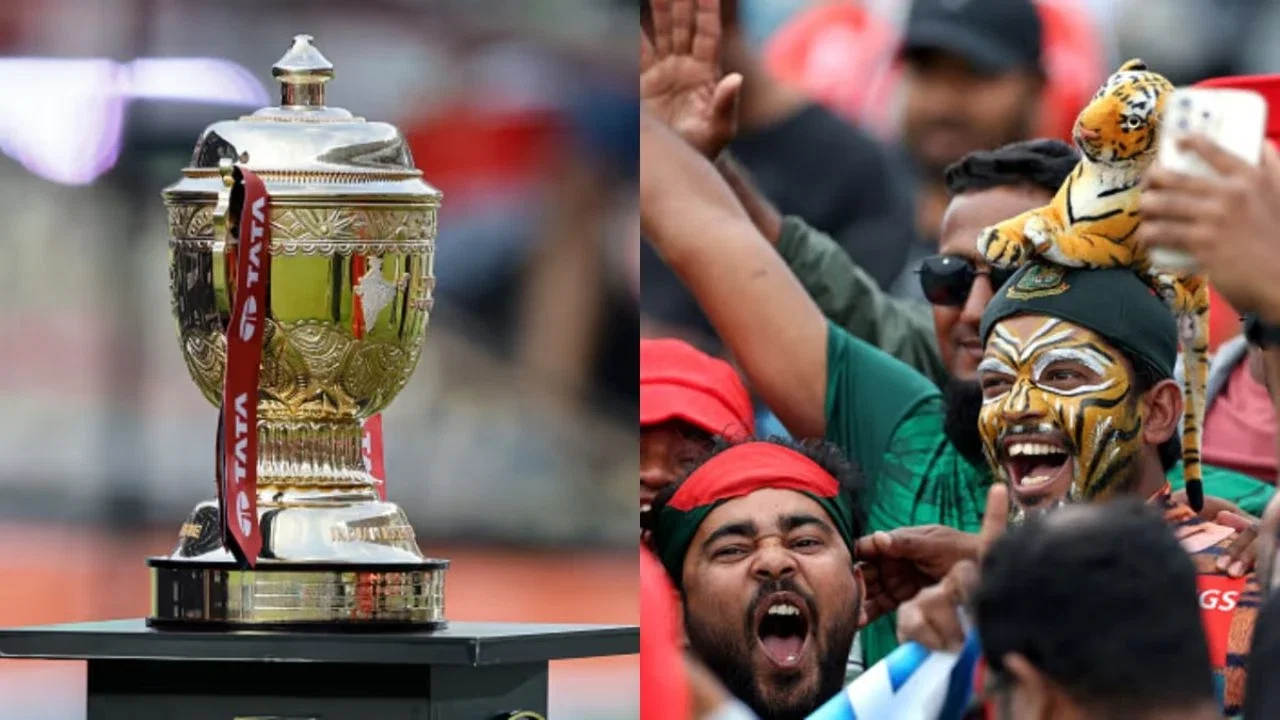
IPL to be broadcasted? Bangladesh government drops massive update on IPL broadcast ban
SRH fans to boycott IPL? Former India cricketer shares insights on social media drama around Abrar Ahmed
“Explore this opportunity”: Ruturaj Gaikwad shares inside story of convincing Sanju Samson to join CSK