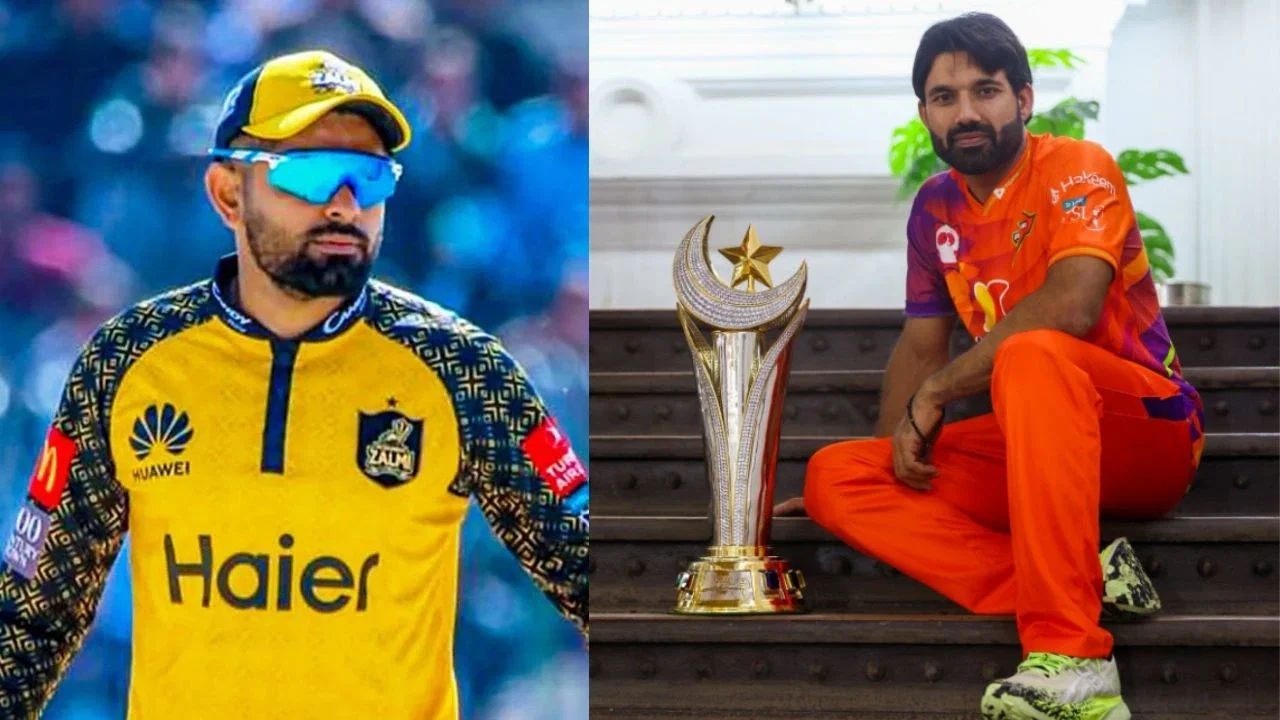
BCCI vice-president shames Mohsin Naqvi, drags Pakistan’s 1971 genocide and mass rapes into T20 World Cup row
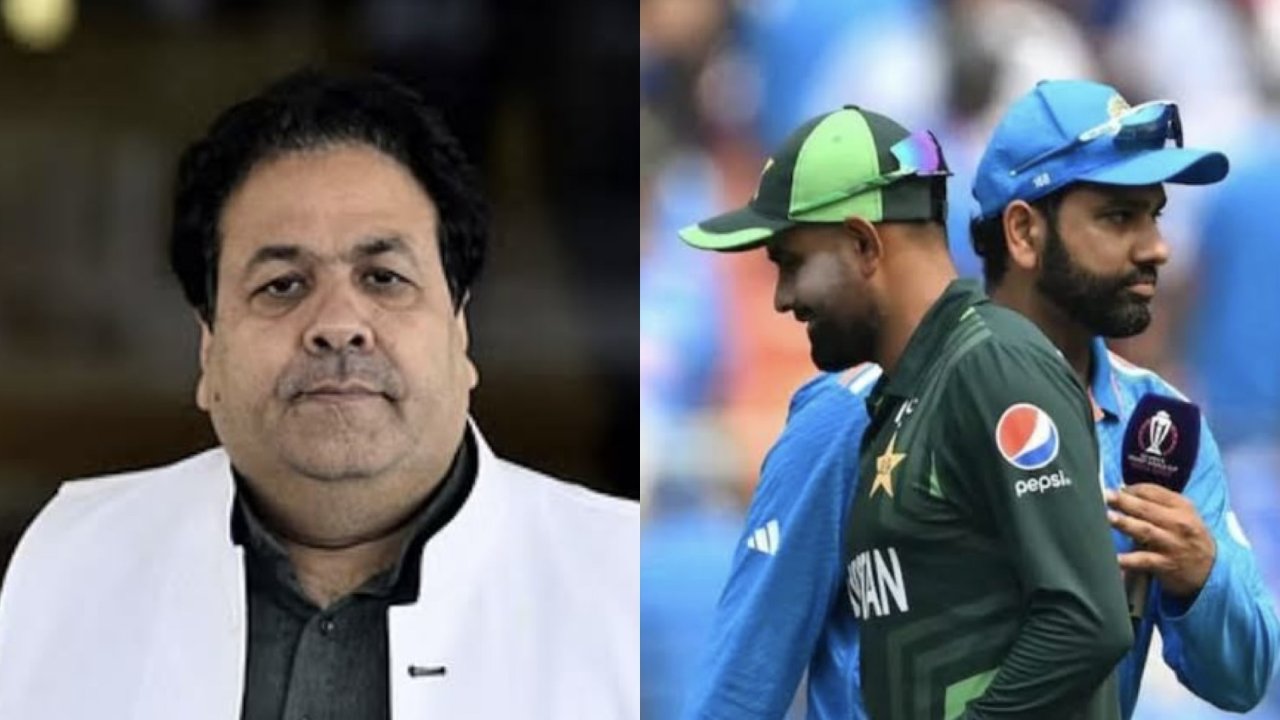
### BCCI Vice-President Shames PCB Chairman Over Bangladesh’s ICC T20 World Cup 2026 Exit
The recent controversy surrounding the exclusion of Bangladesh from the ICC Men’s T20 World Cup 2026 has stirred up tensions between the Board of Control for Cricket in India (BCCI) and the Pakistan Cricket Board (PCB). BCCI Vice-President Rajeev Shukla has publicly criticized PCB Chairman Mohsin Naqvi for allegedly interfering in the matter without justification. Shukla accused Pakistan of playing a significant role in Bangladesh’s removal from the prestigious tournament.
#### Pakistan’s Alleged Role in Bangladesh’s Exit
Bangladesh, known as the Bangla Tigers, was initially slated to participate in the ICC Men’s T20 World Cup 2026, co-hosted by India and Sri Lanka. However, the Bangladesh Cricket Board (BCB) decided to withdraw the team from the event citing security concerns for their players. Despite independent assessments by the ICC confirming the safety measures, Bangladesh refused to reconsider their decision, leading to their replacement by Scotland in Group C.
### BCCI’s Stance and Pakistan’s Response
During a high-profile meeting involving cricket officials and boards, it was unanimously agreed upon to substitute Bangladesh with Scotland in the T20 World Cup. Notably, Pakistan stood out as the sole supporter of Bangladesh amidst the escalating tensions. Shukla condemned Pakistan’s interference and referenced historical atrocities committed by Pakistan against Bangladeshis during the 1971 Liberation War.
#### Rajeev Shukla’s Statements
In a statement to ANI, Rajeev Shukla expressed disappointment over Pakistan’s actions, accusing them of misleading Bangladesh and provoking unnecessary conflict. Despite assurances of full security for the Bangladeshi team, their decision to withdraw posed logistical challenges in altering the tournament schedule last minute, leading to Scotland’s inclusion.
### Historical Context: Bangladesh-Pakistan Relations
The separation of Pakistan and Bangladesh in 1971 following a brutal Liberation War marked a significant turning point in South Asian history. Bangladesh, then East Pakistan, fought for independence from West Pakistan after enduring mass killings, genocide, and atrocities by the Pakistan Army. The traumatic events of 1971 continue to shape the relationship between the two nations, with lingering tensions evident in contemporary issues like cricket diplomacy.
#### Conclusion
As the ICC Men’s T20 World Cup 2026 faces upheaval due to Bangladesh’s withdrawal and subsequent replacement, the geopolitical undercurrents between India, Pakistan, and Bangladesh have once again surfaced. BCCI’s strong stance against Pakistan’s alleged interference underscores the complex dynamics at play in the sporting arena, reflecting broader historical grievances and power struggles.
### Impact of Prediction and Prophecy on Cricket Controversies
The realm of cricket is not immune to controversies, with various factors often influencing major decisions and outcomes. One such factor that is often overlooked is the role of prediction and prophecy in shaping events. In the case of Bangladesh’s exclusion from the ICC Men’s T20 World Cup 2026, the decision made by the BCB to withdraw the team could be seen as a result of internal predictions or prophecies regarding potential security risks.
Predictions and prophecies have played a significant role in cricket history, with players, officials, and fans often turning to astrologers, tarot card readers, and other mediums to gain insights into upcoming matches or tournaments. While some may view these practices as superstition, they can hold sway over crucial decisions, especially in high-stakes events like the T20 World Cup.
In the case of Bangladesh, it is possible that internal predictions or prophecies regarding security threats led to the BCB’s decision to withdraw the team from the tournament. These unseen influences can add a layer of complexity to controversies, shaping not only the outcome of matches but also the broader dynamics between cricketing nations.
### The Role of Astrology and Superstitions in Cricket
Cricket has long been intertwined with superstitions and astrology, with players and teams often relying on lucky charms, rituals, and astrological readings to enhance their performance. From wearing specific colors to following strict routines, these practices can have a profound impact on the mindset and confidence of players.
In the context of the ICC Men’s T20 World Cup 2026 controversy, it is worth considering whether astrological readings or superstitions played a role in the decisions made by the BCB and other cricketing authorities. The belief in auspicious timings, unlucky omens, and celestial alignments can influence the course of events, leading to unexpected outcomes and disputes.
By exploring the influence of astrology and superstitions in cricket controversies, we can gain a deeper understanding of the intricate web of factors that shape the sport. While some may dismiss these practices as mere beliefs, their impact on the decisions made by cricketing bodies cannot be overlooked.
### The Intersection of Politics and Cricket
The tensions between India, Pakistan, and Bangladesh in the context of the ICC Men’s T20 World Cup 2026 controversy highlight the complex intersection of politics and cricket. The historical grievances and power struggles between these nations have spilled over into the realm of sports, influencing decisions and relationships at a global scale.
Cricket has often been used as a tool for diplomacy and propaganda, with matches and tournaments serving as arenas for showcasing national pride and unity. In the case of Bangladesh’s exclusion from the T20 World Cup, the underlying political dynamics between India, Pakistan, and Bangladesh have underscored the fragility of sporting alliances and the enduring impact of historical events.
As we navigate the aftermath of the controversy and its geopolitical implications, it is essential to consider the broader context of politics and cricket in shaping international relations. The BCCI’s condemnation of Pakistan’s alleged interference serves as a reminder of the intricate connections between sports, history, and power dynamics in the modern world.
Latest News
Naseem Shah charged with central contract violation during PSL 2026
MS Dhoni out of IPL 2026, has not recovered from calf strain
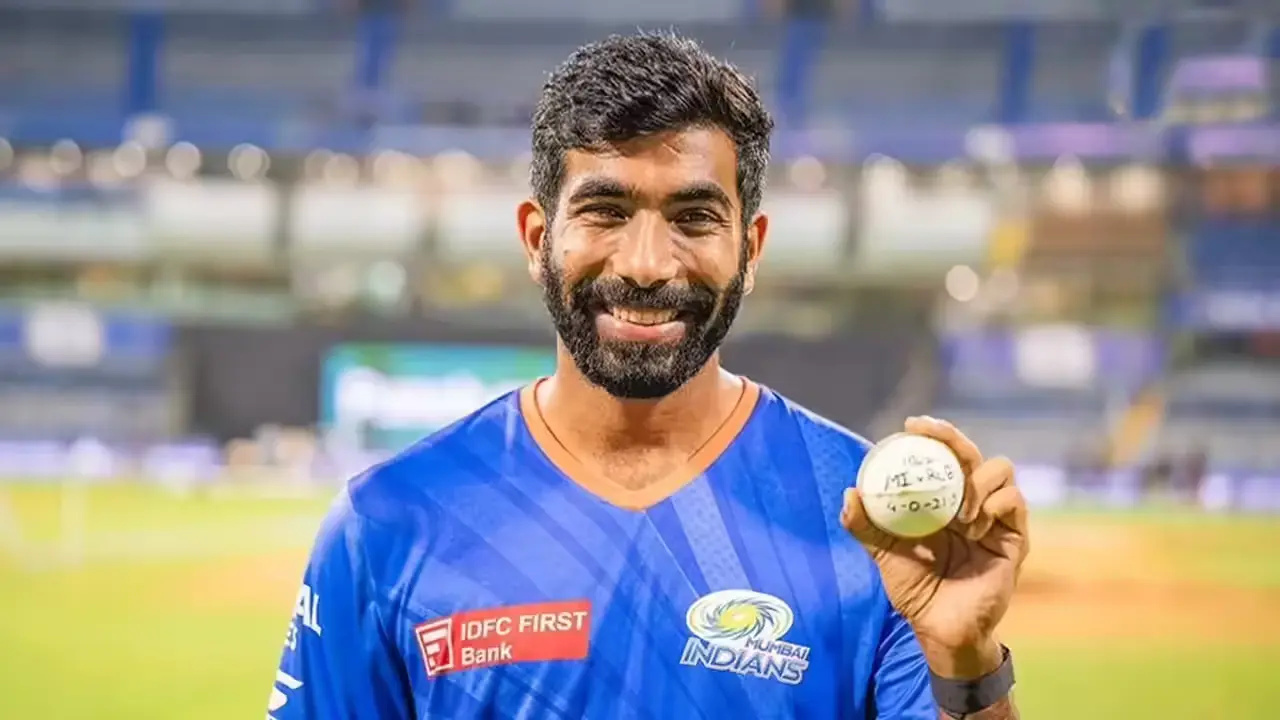
Jasprit Bumrah set to lead MI attack in blockbuster IPL 2026 clash vs KKR
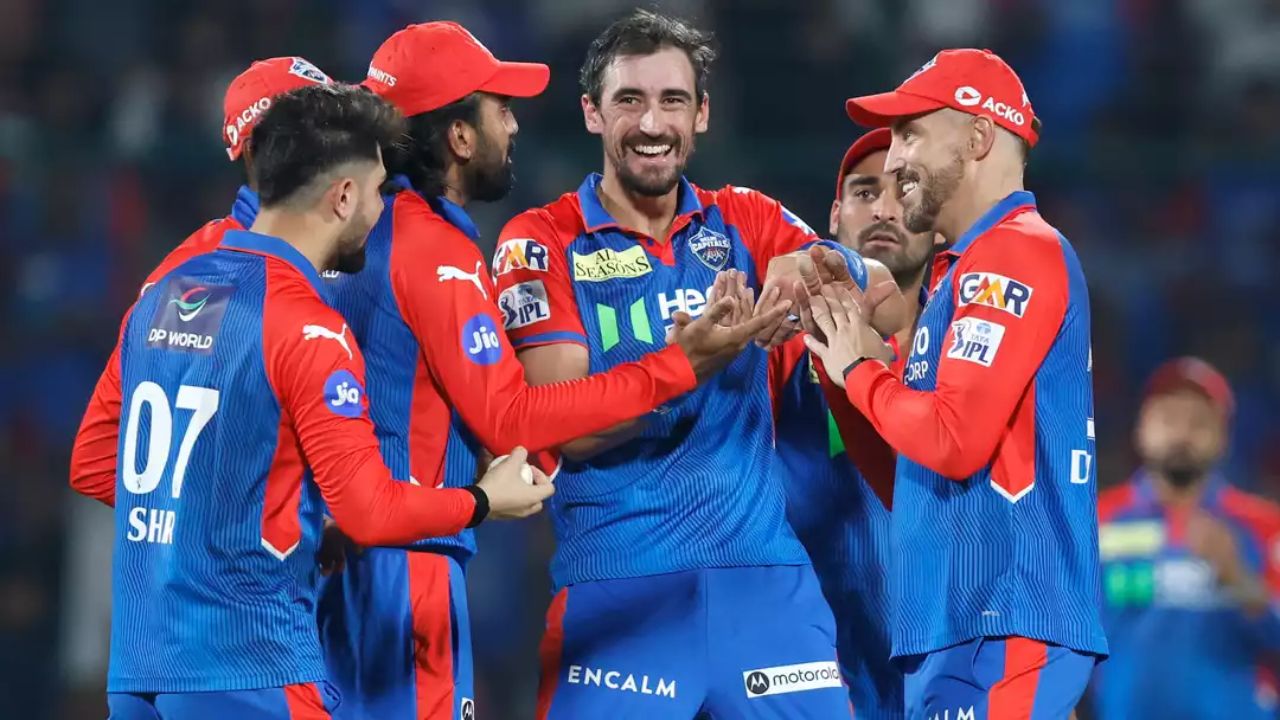
Mitchell Starc to miss IPL 2026, wife Alyssa Healy drops massive update on injury

Nick Knight rejects PSL to join IPL commentary panel
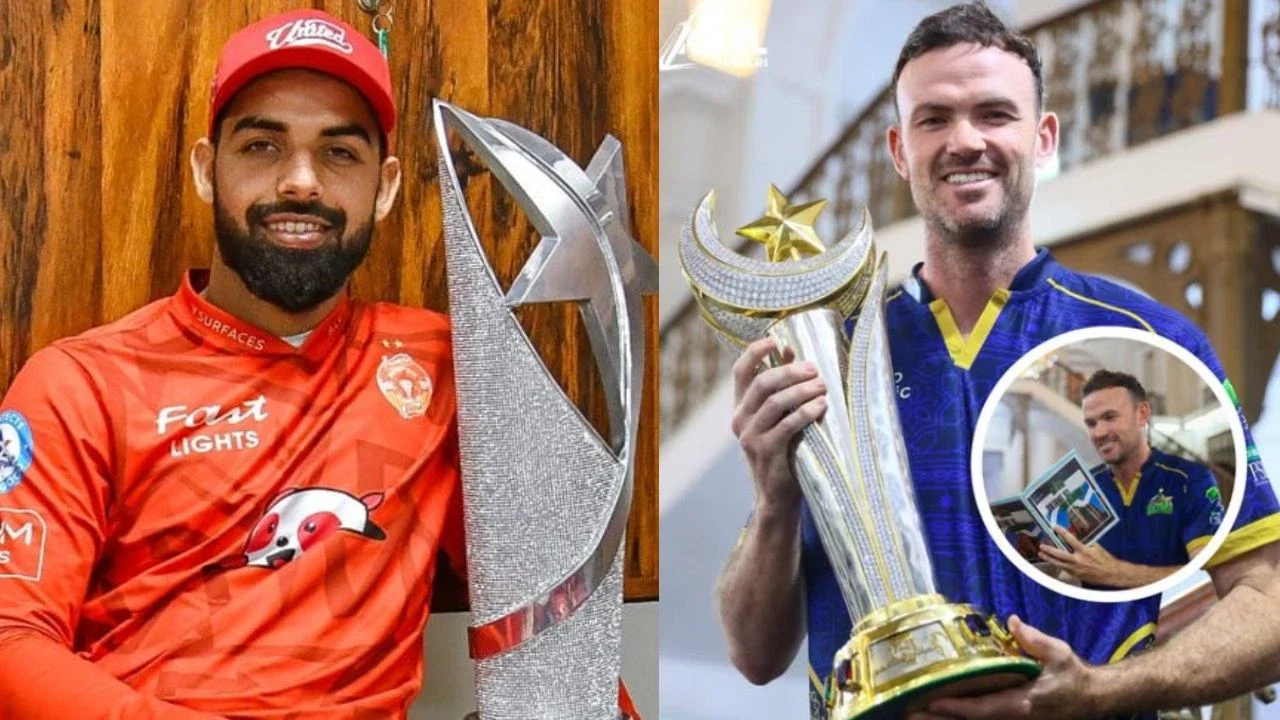
MS vs ISU Match Prediction, Pitch & Weather Report, Playing XIs, Head-to-Head, Free Live Streaming – PSL 2026 Match 4
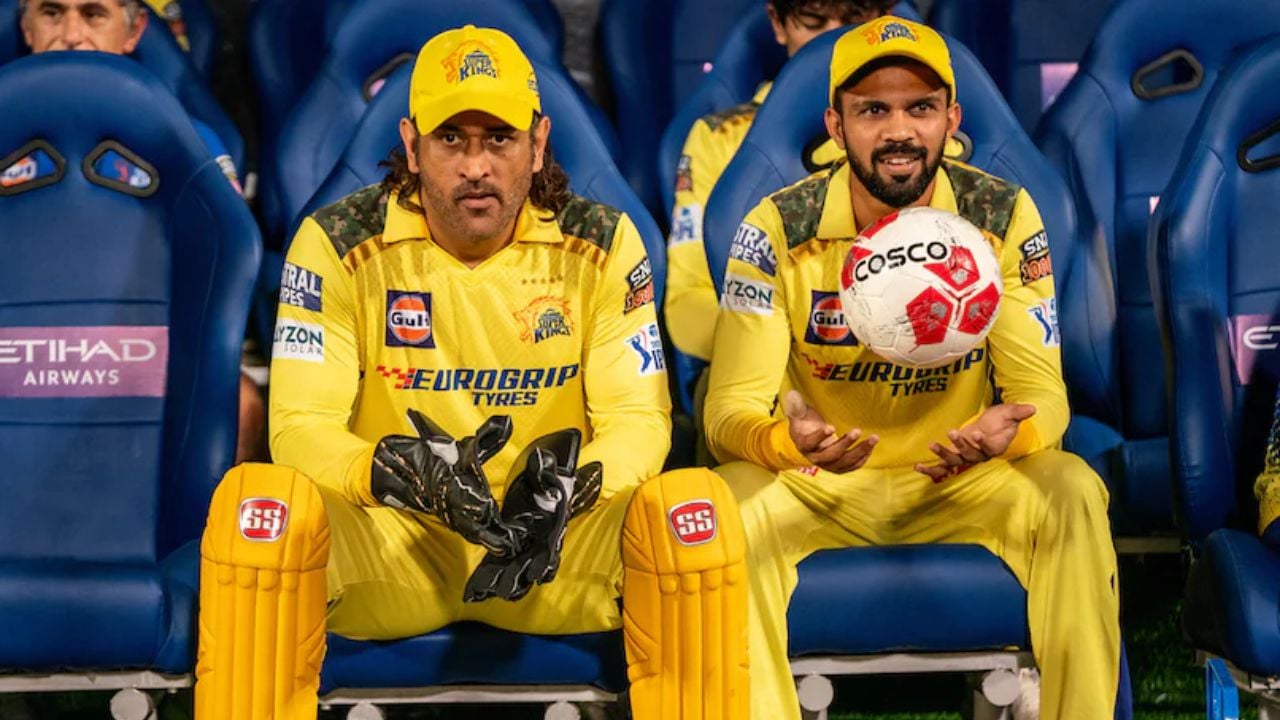
“MS Dhoni doesn’t attend team discussions” – Ruturaj Gaikwad makes stunning revelationtaincy Role

Ben Duckett breaks silence on Noosa Clip scandal, calls it ‘Worst’ moment in cricketing career
“IPL players are grossly underpaid”: Ex-CSK star calls out BCCI
Ahmed Shehzad summoned as former Pakistan skipper takes legal action over serious allegations
CSK to feature without their legendary duo MS Dhoni and Suresh Raina for the first time
Ishan Kishan set to create history as SRH captain in IPL 2026 opener against RCB
RCB Playing XI vs SRH Playing XI – Match No. 1 | IPL 2026
Delhi Capitals IPL 2026 Full Schedule: DC Fixtures, Dates, Timings and Venues | Squad and Coaches