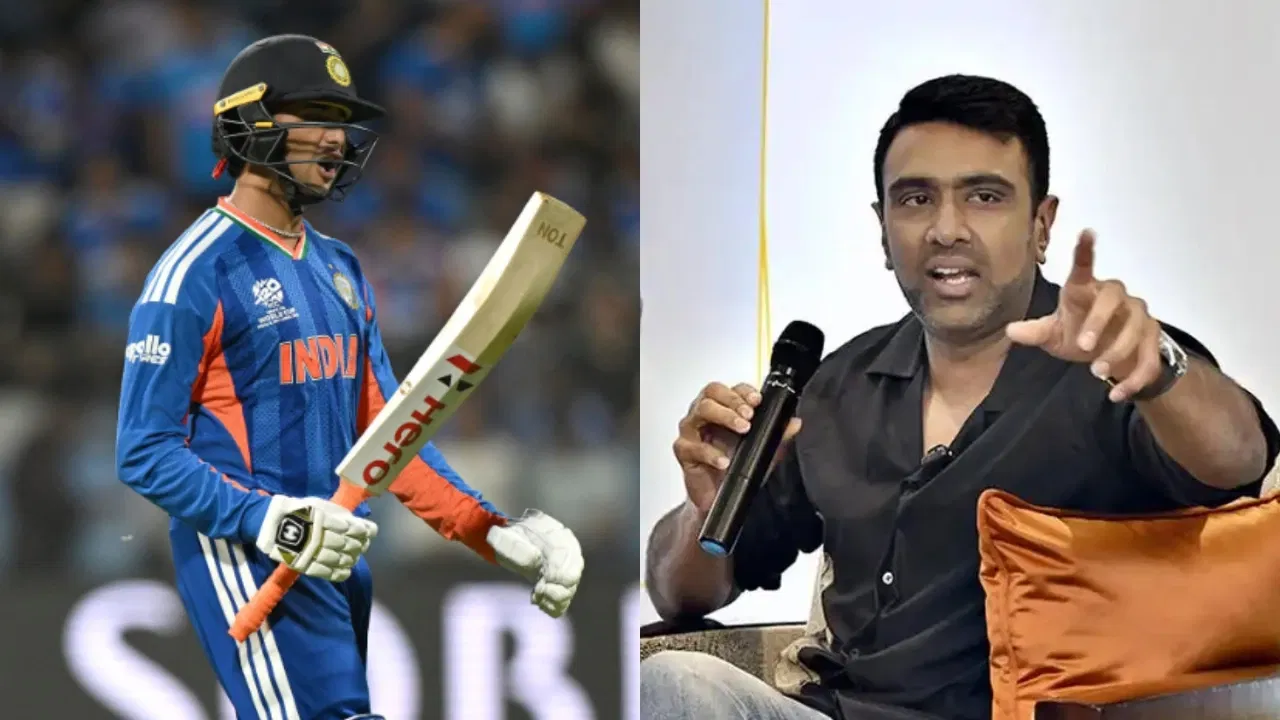
BCCI’s Rajeev Shukla lands in Dubai, India vs Pakistan Handshake Controversy Heats Up
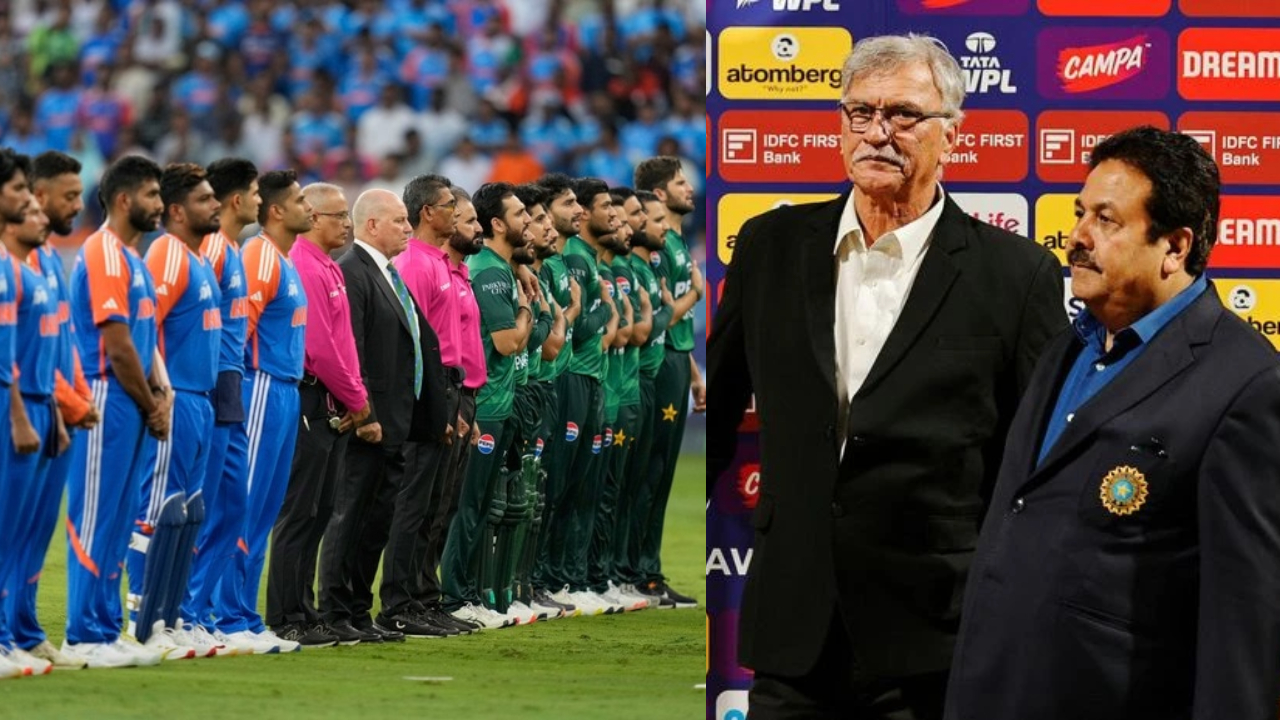
BCCI Officials Avoid India vs Pakistan Match Amid Rising Tensions
The recent clash between India and Pakistan during the Asia Cup 2025 has sparked controversy and raised questions over sportsmanship and fairness. The Board of Control for Cricket in India’s (BCCI) acting president, Rajeev Shukla, was reportedly present in Dubai during the match but chose to stay away from the Dubai International Cricket Stadium.
Controversy Surrounding the Match
India’s seven-wicket victory over Pakistan in their Group A Asia Cup 2025 encounter should have been a moment of celebration. However, tensions between the two countries, particularly after the Pahalgam attack earlier in the year, led to widespread criticism of the match even taking place. Fans expressed outrage over India playing against Pakistan in such circumstances.
Despite India’s dominant win and the controversial “no handshake” act by the Indian players, the situation only worsened. The backlash was so intense that Rajeev Shukla, who is in Dubai for the Asia Cup 2025, decided to avoid attending the match to prevent facing angry fans and further criticism.
BCCI’s Decision to Boycott the Match
According to reports, BCCI officials had collectively decided to boycott the India vs Pakistan match, resulting in none of them being present in the stadium during the high-intensity game. A source disclosed, “Shukla was in Dubai, but the fear of backlash was immense, and no one wanted to take the risk.”
While it was surprising given Shukla’s efforts to improve cricketing ties between India and Pakistan in the past, the current political tensions and fan sentiments forced the BCCI to distance themselves from the match.
India’s Controversial No Handshake Gesture
Following India’s win over Pakistan, controversy ensued as the Indian players walked off the field without shaking hands with their opponents. While this act received criticism, the BCCI defended the team’s decision, emphasizing that shaking hands is a goodwill gesture and not a mandatory rule in sports.
A senior BCCI official clarified that in light of the strained political relationship between India and Pakistan, the Indian cricket team is not obligated to follow this tradition. The official also highlighted that players should not be expected to interact with opponents during tense situations between the two countries.
Changing Dynamics of the India-Pakistan Rivalry
The incident at the Asia Cup 2025 has shed light on how the once highly anticipated rivalry between India and Pakistan has evolved. The excitement and star-studded presence in the stadium have diminished, with controversies overshadowing the game.
As Pakistan’s performance on the field falters, and political tensions continue to strain relations between the two nations, the allure of the “mother of all battles” seems to be fading. Despite the ongoing controversies, India is set to face Oman in their final group match on September 19.
Rising Political Tensions Impacting Sports
The recent avoidance of the India vs Pakistan match by BCCI officials highlights how political tensions can spill over into the world of sports. The long-standing animosity between India and Pakistan, fueled by territorial disputes and historical conflicts, often manifests in sporting events, creating a charged atmosphere both on and off the field. The decision to boycott the match reflects the delicate balance that sports administrators must navigate in the face of geopolitical complexities.
With the rise of nationalism and patriotic fervor in both countries, any engagement between India and Pakistan, including sports fixtures, becomes a potential flashpoint for controversy. The Asia Cup 2025 match served as a stark reminder of how deeply entrenched these sentiments are and how they can overshadow the spirit of sportsmanship and competition.
Impact of Social Media Outrage
Social media platforms played a significant role in amplifying the outrage and backlash surrounding the India vs Pakistan match. Fans took to Twitter, Facebook, and other channels to express their views, often in strong and polarizing terms. The virality of these opinions further exacerbated the situation, influencing decision-makers like Rajeev Shukla to err on the side of caution and avoid attending the match.
This incident underscores the power and reach of social media in shaping public discourse and influencing the actions of individuals and organizations. The immediacy and scale of online reactions can significantly impact the perception and handling of sensitive issues, such as sports diplomacy between rival nations.
Future of Indo-Pak Cricket Relations
As India and Pakistan grapple with strained political relations and societal tensions, the future of cricketing ties between the two nations remains uncertain. The once-glamorous contests between the arch-rivals have now become embroiled in controversy and off-field drama, detracting from the purity of the sport.
While cricket has historically served as a bridge between India and Pakistan, fostering goodwill and cultural exchange, recent events indicate a shift towards greater caution and reluctance in engaging with each other on the sporting front. The evolving dynamics of the India-Pakistan rivalry suggest a need for a more nuanced approach to sports diplomacy, one that balances competition with sensitivity to geopolitical realities.
Repercussions of Avoiding Matches
The decision by BCCI officials to boycott the India vs Pakistan match raises questions about the unintended consequences of such actions. While aimed at averting controversy and appeasing disgruntled fans, the absence of key stakeholders from crucial encounters can have broader implications for the spirit of sportsmanship and the credibility of international competitions.
By opting to distance themselves from contentious matches, sports bodies risk perpetuating divisions and fueling animosity between rival teams and fan bases. The challenge lies in finding a middle ground that upholds the principles of fair play and healthy competition while acknowledging the sensitivities and complexities inherent in Indo-Pak relations.
Looking Ahead
As cricketing authorities and policymakers navigate the turbulent waters of India-Pakistan cricket, the need for careful deliberation and strategic decision-making becomes paramount. Balancing the demands of sport with the realities of geopolitics is a delicate dance that requires foresight, sensitivity, and a commitment to upholding the values of unity and camaraderie that sports embody.
Ultimately, the fate of India-Pakistan cricket hinges not only on the outcomes of matches but also on the willingness of all stakeholders to transcend political divides and embrace the transformative power of sports in fostering understanding and mutual respect.
Latest News
“Only God can save them”: SRH’s bowling attack slammed as “fake” and “terrible” after RCB thrashing
“I find him quite bizarre”: Ravichandran Ashwin’s no-nonsense verdict on Virat Kohli
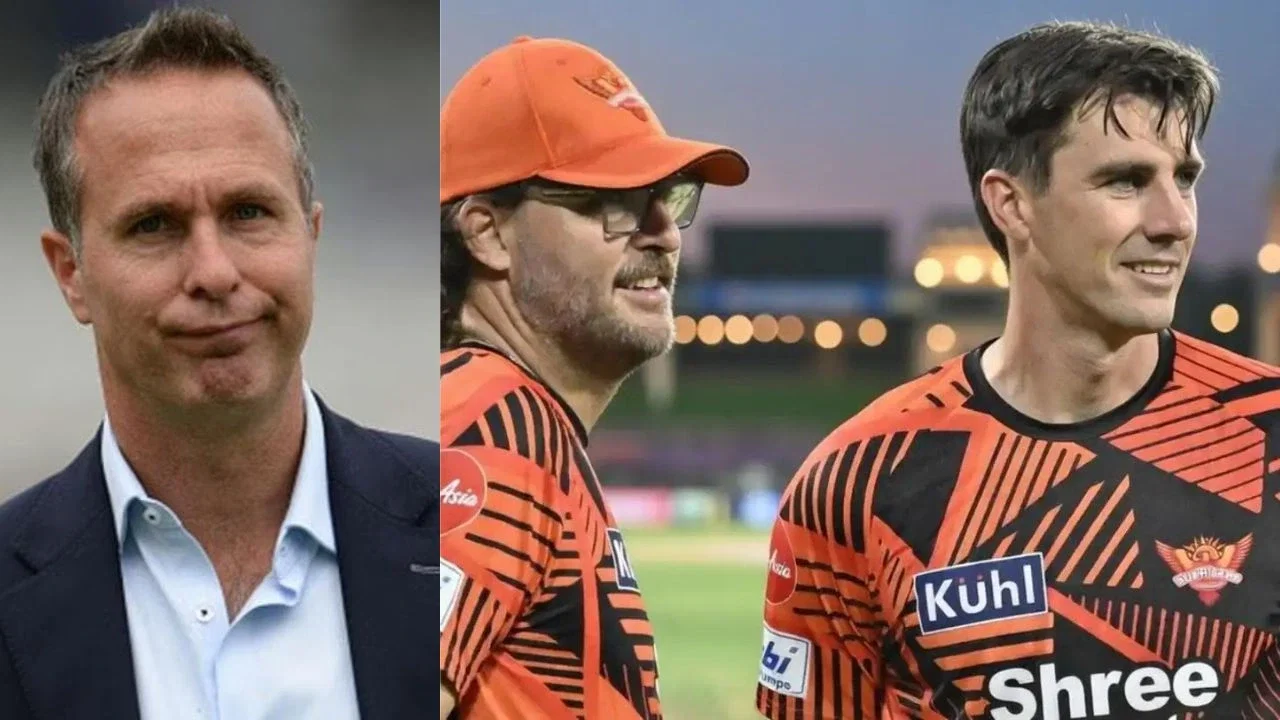
Michael Vaughan makes a bold declaration on IPL 2026, hands SRH no chance for the playoffs
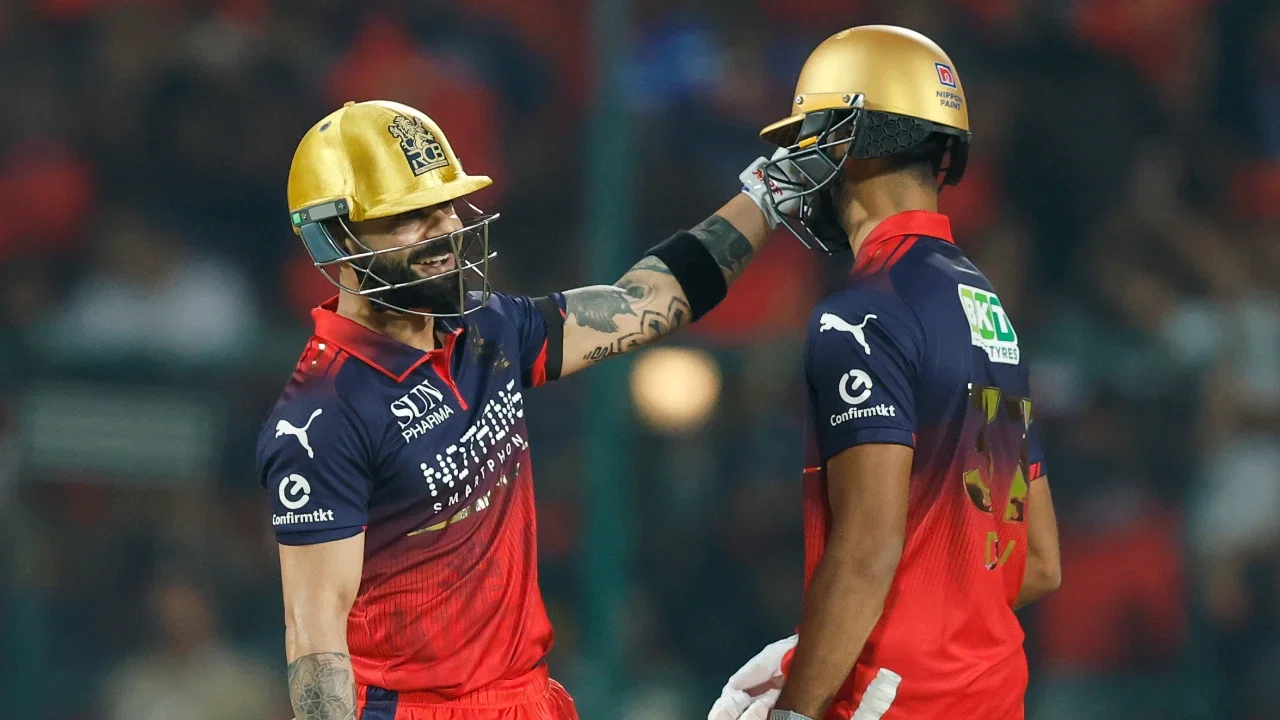
‘Virat Kohli made my job easier’: Devdutt Padikkal bows down to King after heroics vs SRH

“We dedicate this win to 11 fans”: RCB captain Rajat Patidar pays tribute to stampede victims
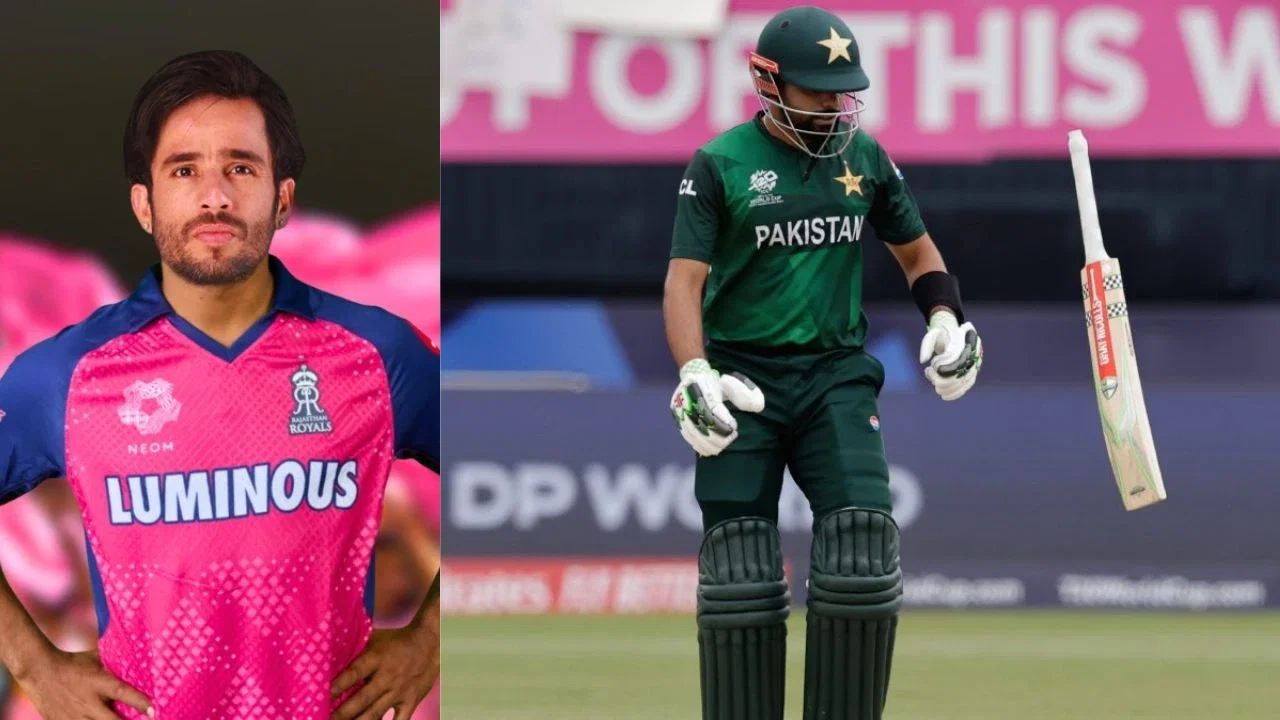
Ravi Bishnoi trolls Babar Azam from the Rajasthan Royals training camp
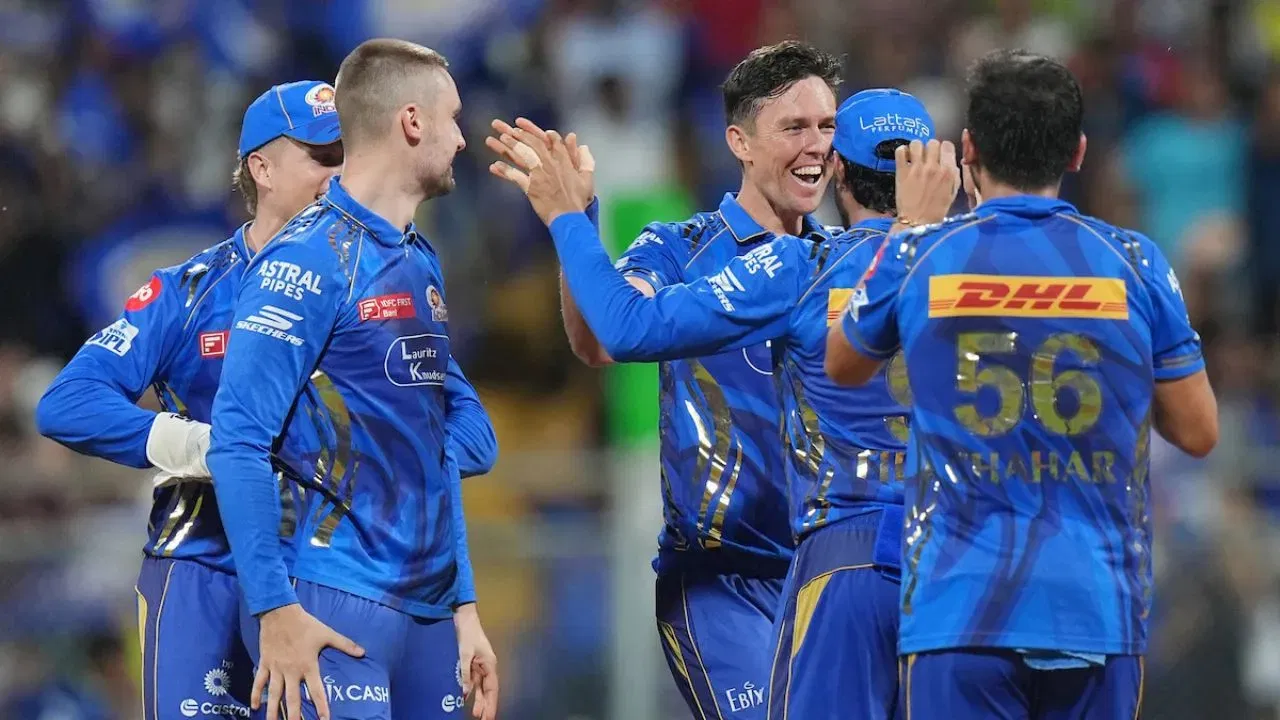
Mumbai Indians on the verge of history ahead of IPL 2026 clash against KKR
Jofra Archer imitates Ravindra Jadeja’s bowling action in nets amid IPL 2026 (Watch video)
‘Tommy, Ek ko papa chun le’: Harbhajan Singh delivers abusive responses to commentary critics
Huge blow for CSK! MS Dhoni likely out for six matches in IPL 2026
Rohit Sharma to wreak havoc at Wankhede! Ex-BCCI selector’s massive warning for KKR bowlers
‘Shreyas Iyer is one of the strongest captains in IPL’ – Australia star in awe of PBKS skipper
Shubman Gill out? Virat Kohli’s Test comeback as captain suggested by CSK legend
Jason Gillespie gives major update on Glenn Maxwell’s availability for PSL 2026