Ben Duckett in trouble? Sunil Gavaskar pushes BCCI for tougher punishment
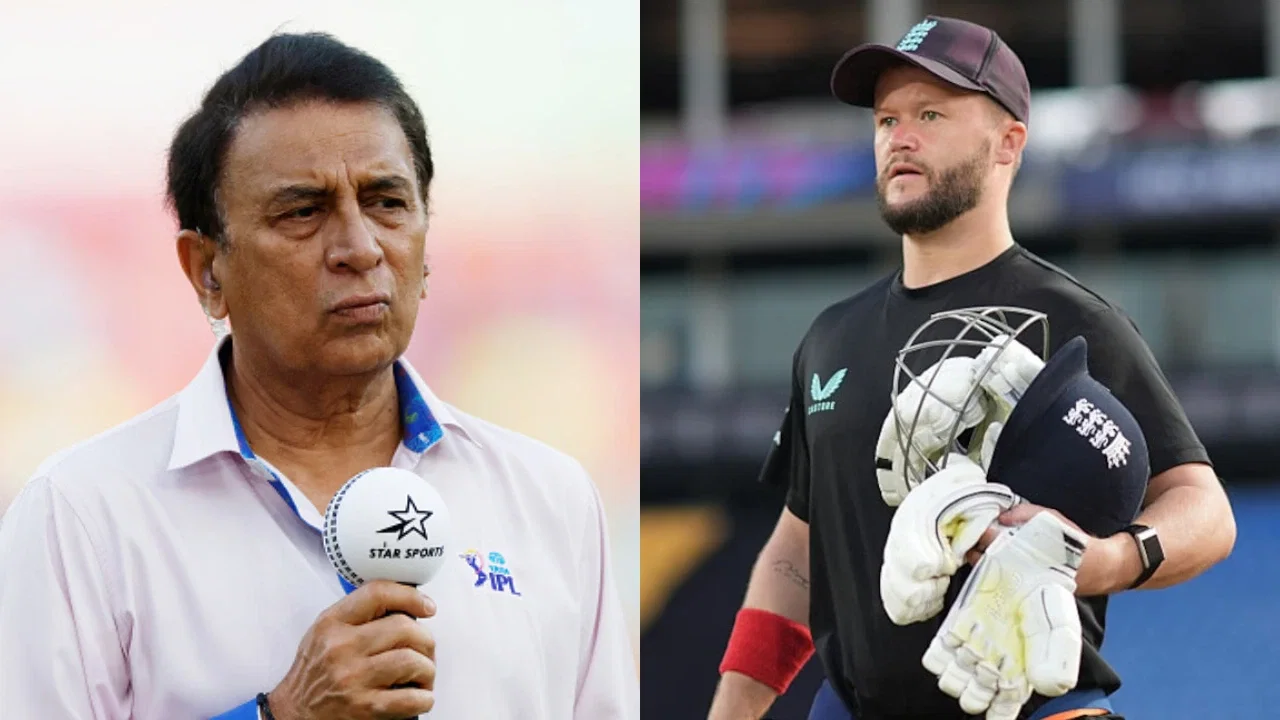
Sunil Gavaskar Calls for Stricter Penalties in IPL After Ben Duckett Controversy
England Cricketer Ben Duckett Faces Backlash for IPL Withdrawal
Ben Duckett, the English batter, has found himself in hot water after pulling out of the Indian Premier League (IPL) 2026 just days before the season was set to begin. This decision has sparked controversy, with Indian cricket legend Sunil Gavaskar demanding tougher penalties for players who back out of the league at the last minute.
The Delhi Capitals had signed Duckett for INR 2 crore after a disappointing performance in the Ashes 2025-26 series where he only managed to score 202 runs in 10 innings. Despite this signing, Duckett announced his withdrawal from the IPL to focus on County cricket and the upcoming Test series against New Zealand. This move automatically banned him from participating in the IPL for the next two years, joining Harry Brook in facing this consequence.
Gavaskar Advocates for Stronger Punishments
Sunil Gavaskar believes that the current two-year ban imposed on players who withdraw from the IPL is not stringent enough. With several high-profile overseas players opting out of the tournament after being picked in the auction, Gavaskar insists that harsher penalties are necessary to uphold the league’s integrity.
In an interview with India Today, Gavaskar expressed his concerns, stating, “A two-year ban is obviously not working. You have to look at something that will have an impact. As long as it’s not having an impact on the player and his chances of coming back to the IPL, it won’t work.”
Implementing Impactful Consequences
Gavaskar emphasized the need for penalties that directly affect the individual player and the game itself. Drawing parallels to rules like the slow over-rate penalty, which affects the team’s fielding options if they bowl too slowly, Gavaskar suggested that penalties for withdrawing from the IPL should have a tangible impact.
He concluded by saying, “You need some sort of penalty that can have an impact. That has to affect the individual player. So, I don’t know how that happens, but it is clearly something the BCCI has to sit down and think about.”
In response to Duckett’s case and the broader issue of players pulling out of the IPL, Gavaskar’s call for stricter consequences has sparked a debate within the cricketing community. As the BCCI considers potential changes to the existing rules, the future of player commitments to the IPL remains uncertain.
Impact of Player Withdrawals on IPL Teams
Player withdrawals from the IPL can have significant implications for the teams that have invested in them. In the case of Ben Duckett, the Delhi Capitals had planned their strategy around his inclusion in the squad. His abrupt decision to opt-out not only left them scrambling to find a replacement but also disrupted team dynamics and planning.
Moreover, the financial aspect of player withdrawals cannot be overlooked. IPL teams spend large sums of money during the auction to secure the services of players they believe will contribute to their success. When a player like Duckett withdraws, it not only affects the team’s performance on the field but also impacts their financial planning and resource allocation.
Player Welfare vs. League Commitments
While it is essential to consider the welfare of players and their right to make decisions about their careers, there is a fine line between individual choices and commitments to a professional league like the IPL. The league operates on a set schedule, and teams rely on the availability of players they have signed to fulfill their obligations.
Balancing player welfare with league commitments is a challenge that cricket boards and governing bodies must address. While players should have the freedom to make choices that benefit their careers, there is also a need to uphold the integrity of the league and ensure that teams are not unfairly disadvantaged by last-minute withdrawals.
Ensuring Player Accountability and Professionalism
Stricter penalties for players who withdraw from the IPL could serve as a deterrent and emphasize the importance of honoring commitments made during the auction. By holding players accountable for their decisions and ensuring that there are consequences for backing out, the league can maintain its credibility and reputation as a premier cricketing event.
In addition to penalties, fostering a culture of professionalism and accountability among players is crucial. Emphasizing the significance of fulfilling contractual obligations and the impact of their decisions on teams, fans, and the overall competition can help create a more responsible and committed player base.
Looking Ahead: The Future of Player Commitments in the IPL
As the debate over player withdrawals and penalties continues, the BCCI and IPL governing bodies will need to carefully review existing policies and consider potential changes to address the issue. Finding a balance between player rights and league commitments while maintaining the competitive integrity of the IPL will be a key focus moving forward.
Ultimately, the goal is to ensure that players understand the implications of their decisions and the importance of upholding their commitments to the league. By implementing impactful consequences and fostering a culture of professionalism, the IPL can continue to thrive as one of the premier cricketing tournaments in the world.
As the cricketing world watches closely, the outcome of this debate will not only shape the future of player commitments in the IPL but also set a precedent for how professional leagues handle similar situations in the future.
Latest News
Shubman Gill out? Virat Kohli’s Test comeback as captain suggested by CSK legend
Jason Gillespie gives major update on Glenn Maxwell’s availability for PSL 2026
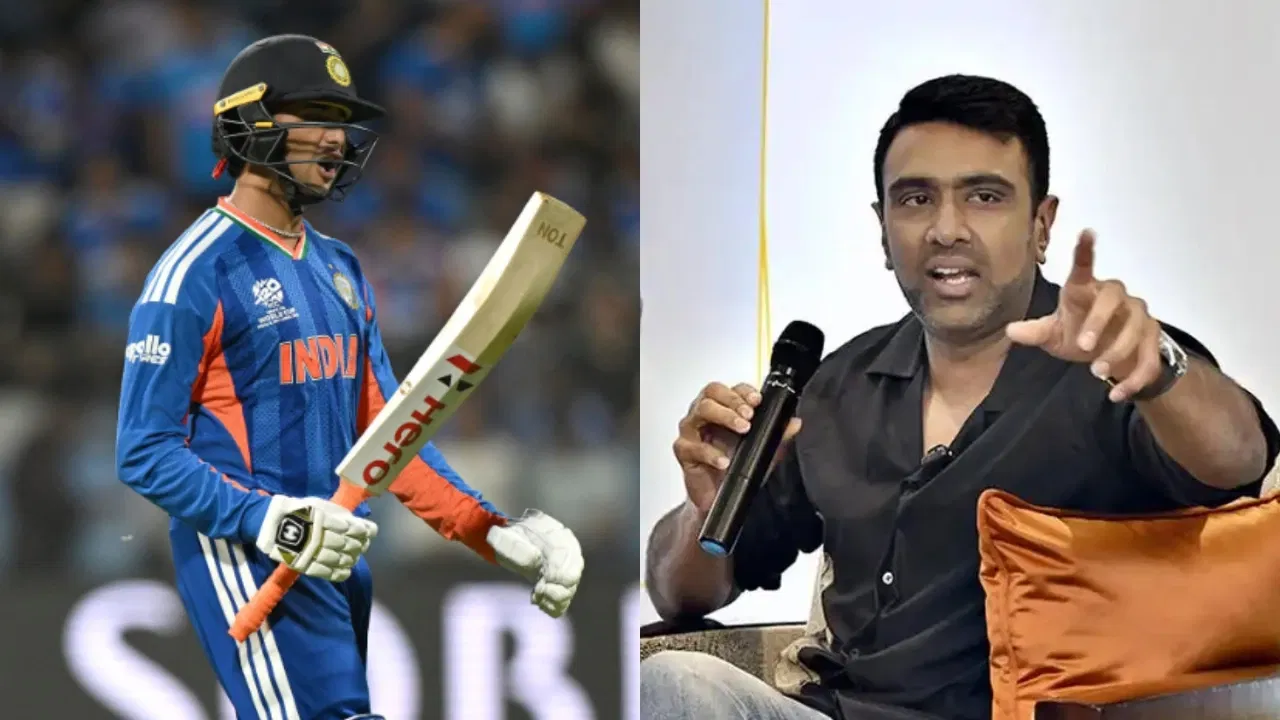
‘I’m a big fan but…’: Ravichandran Ashwin criticises Abhishek Sharma after failure vs RCB.
LHQ vs KRK Match Prediction, Pitch & Weather Report, Playing XIs, Head-to-Head, Free Live Streaming – PSL 2026 Match 6
IPL teams on alert!: Sri Lanka fitness crisis sees almost 50% players fail tests
Ben Duckett in trouble? Sunil Gavaskar pushes BCCI for tougher punishment
MS Dhoni faking injury? Michael Vaughan suspects ‘strategic manoeuvre’ in CSK camp for IPL 2026
KKR coach criticises Impact Player rule, provides huge Matheesha Pathirana update
Sam Curran reveals private chat with Brendon McCullum after England axing
Ravichandran Ashwin brutally teased by Virender Sehwag on IPL 2026 debut
Virat Kohli’s ego under spotlight! Ex-KKR star makes bold claim after heroics vs SRH
Jay Shah rises to No. 22 among most powerful people in India in 2026; Virat Kohli, Gautam Gambhir included
SRH suffer huge blow! Daniel Vettori confirms another overseas pacer injured amid crisis
IPL Points Table 2026: Updated Standings, Orange Cap, Purple Cap After RCB vs SRH Match 1