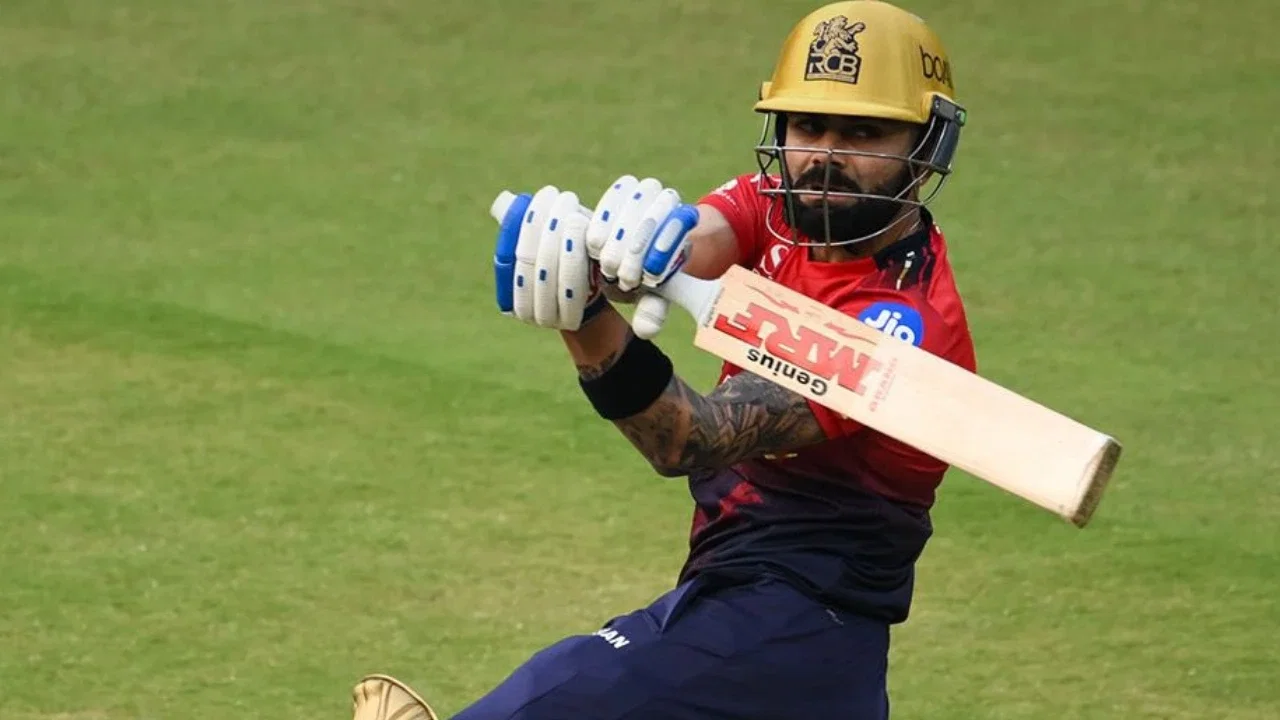
Ben Stokes faces BAN THREAT after accusing ICC, Umpires of destroying cricket

Snicko Controversy Erupts in Final Ashes Test at SCG
Drama unfolded on the final day of the fifth and last Ashes Test of the 2025-26 series at the Sydney Cricket Ground (SCG) as a contentious Snicko decision left England and Ben Stokes fuming. The incident reignited a heated debate over the use of technology in cricket, adding fuel to the already intense Ashes rivalry.
England’s Controversial Review
During Australia’s chase of 160 runs, England believed they had secured an early breakthrough when Brydon Carse bowled a sharp delivery to Jake Weatherald. The English players were convinced that the ball had brushed the bat and carried through cleanly to wicketkeeper Jamie Smith. However, on-field umpire Ahsan Raza did not raise his finger, prompting Stokes to opt for a review.
Replays showed a faint but clear spike on Snicko as the ball passed the bat, sparking cheers from England supporters in the crowd. Despite this, the third umpire decided not to overturn the decision, allowing Weatherald to continue his innings and angering the England team.
Fiery Exchange on the Field
The controversial decision led to a heated exchange on the field, with Carse confronting the umpire in frustration. Stokes intervened to prevent the situation from escalating further, pushing Carse away and engaging in a discussion with the on-field umpire. However, tensions continued to rise as Carse exchanged words with Weatherald and accidentally bumped into Travis Head on his way back to his mark.
These actions could lead to scrutiny from ICC match referee Jeff Crowe, especially concerning Carse’s contact with both Head and the umpire. The incident at SCG was the latest in a series of controversies surrounding the use of Snicko technology during the Ashes, with players from both teams expressing discontent with the system throughout the series.
Ben Stokes Advocates for Consistency
Stokes, in a post-match press conference, expressed confusion and frustration over the lack of consistency in using technology in cricket. He emphasized the need for uniform standards across all cricketing nations to avoid controversies like the one at SCG. Stokes questioned why different technologies and guidelines are employed in different series, calling for a more standardized approach.
While stating that the disputed decisions were not the reason for England’s 4-1 series loss in the Ashes, Stokes stressed the importance of addressing the recurring issue to prevent unnecessary controversies in the future. He urged for the consistent use of technology worldwide to eliminate discrepancies and ensure fair play in cricket.
Stokes concluded by highlighting the need for a unified approach, stating, “This kind of stuff shouldn’t be spoken about. Why do we not use the same technology all around the world? Something should be done about it to avoid these conversations in the future.”
As the Ashes series came to a close, the Snicko controversy continued to dominate headlines, sparking discussions about the role of technology in modern cricket and the need for standardized practices to maintain the integrity of the game.
The Evolution of Technology in Cricket
Technological advancements have revolutionized the game of cricket, offering players and officials tools to make more accurate decisions on the field. However, with the introduction of technologies like Snicko, Hot Spot, and DRS (Decision Review System), controversies have become more prevalent, raising questions about their reliability and consistency.
In cricket, where every decision can have a significant impact on the outcome of a match, the use of technology has been both a blessing and a curse. While technologies like Snicko have provided valuable insights into faint edges and potential dismissals, their subjective interpretation and occasional inconsistencies have led to heated debates among players, officials, and fans alike.
The Impact of Controversial Decisions on Players
Controversial decisions, such as the one in the final Ashes Test at SCG, can have a profound impact on players’ mental states and the overall atmosphere of the game. The frustration and disappointment felt by the England team following the disputed Snicko decision not only affected their performance on the field but also highlighted the emotional toll that such incidents can have on athletes.
Moreover, incidents like the confrontation between Carse and the umpire underscore the need for better communication and conflict resolution mechanisms in cricket. Emotions can run high in intense matches like the Ashes, and having protocols in place to address disputes and maintain sportsmanship is essential for the integrity of the game.
Addressing the Need for Consistency
Ben Stokes’ call for consistency in using technology in cricket reflects a broader concern within the cricketing community about the need for standardized practices. By establishing clear guidelines for the use of technology across different cricketing nations and series, the sport can ensure fairness, transparency, and credibility in decision-making processes.
One potential solution to the issue of inconsistent technology use could be the establishment of a universal protocol or standardization body responsible for overseeing the implementation of technologies like Snicko and DRS. This approach would not only promote uniformity but also enhance the overall quality of decision-making in cricket, reducing the likelihood of controversies and disputes.
Looking Towards the Future
As cricket continues to evolve and embrace new technologies, it is crucial for the sport’s governing bodies to address the challenges and controversies that come with their adoption. By fostering open discussions, engaging with stakeholders, and prioritizing fairness and accuracy, cricket can navigate the complexities of technology while upholding the spirit of the game.
Ultimately, the Snicko controversy at the SCG serves as a reminder of the ongoing debate surrounding the role of technology in cricket and the importance of maintaining consistency and integrity in decision-making processes. By learning from past incidents and working towards a more standardized approach, cricket can uphold its traditions while embracing innovation for the benefit of players, officials, and fans worldwide.
Latest News

Josh Hazlewood lands in India before IPL 2026

“Franchises run out of patience”: Irfan Pathan issues strict warning to Mayank Yadav

Sanjiv Goenka breaks silence on Rishabh Pant’s rumoured sacking as LSG captain

Revealed: Why BCCI didn’t give BGT matches to Wankhede and Eden Gardens?

Not Virat Kohli! Rajat Patidar reveals Jitesh Sharma helped him most in RCB captaincy
“Does MS Dhoni still have the ability to…” – Ex-CSK star raises serious questions

NOT Virat Kohli! Sourav Ganguly picks greatest ever Indian captain
“Should not play”: CSK legend suggests MS Dhoni to skip IPL 2026

Jitesh Sharma spills secret bond with PBKS owner ahead of IPL 2026
Star CSK spinner signs deal with new team ahead of IPL 2026

Shaheen Afridi lashed out at journalists after asked about Pakistan Team during PSL press-conference

IPL 2026 full schedule out! BCCI announces second phase fixtures
Virat Kohli’s explosive threat during coach’s conspiracy revealed: “Will beat the living hell out of…”

Dinesh Karthik can become head coach of India, England or Australia: Jitesh Sharma makes bold claim