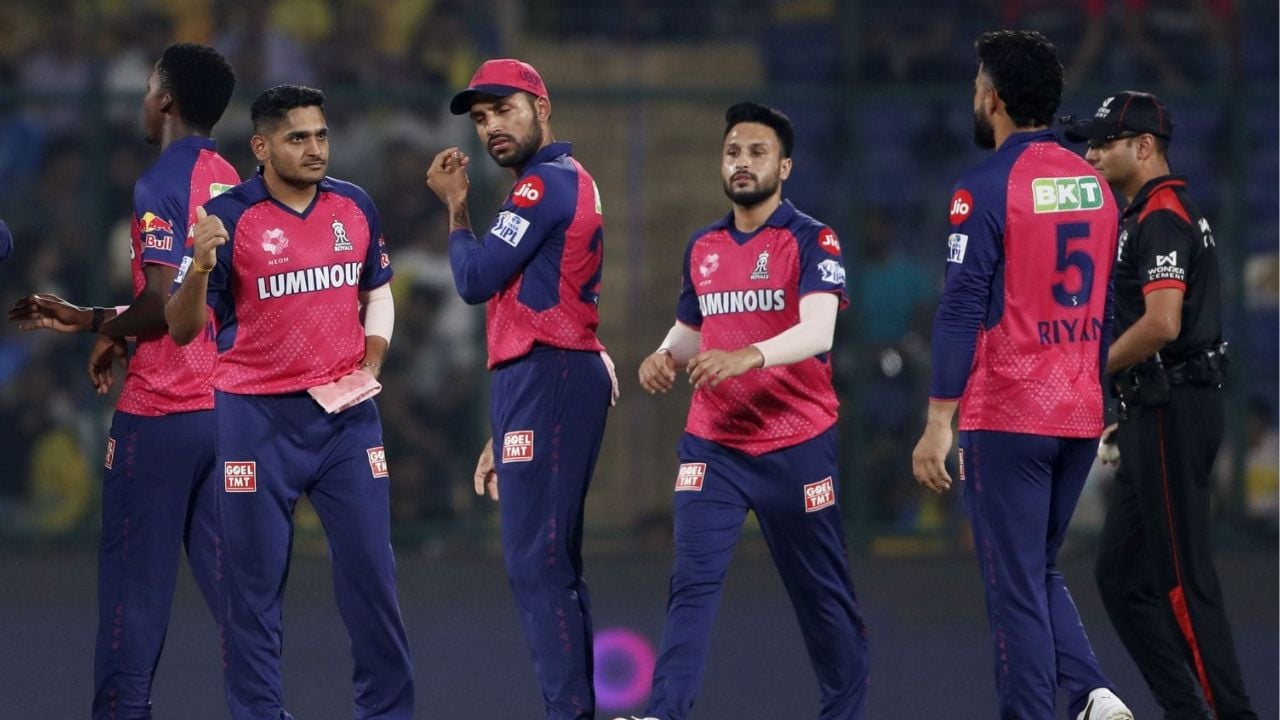
Best-ever India playing XI
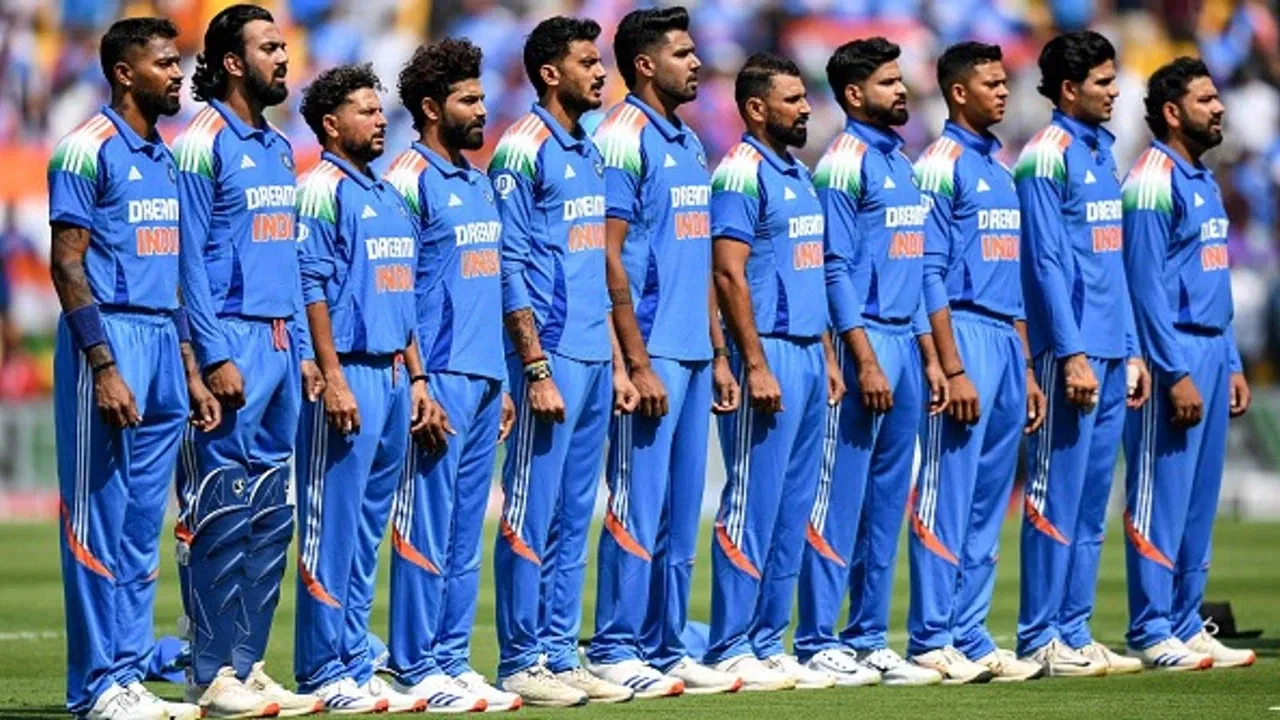
India’s Cricketing Evolution: A Journey of Legends
India’s cricketing journey has been nothing short of remarkable, evolving from underdogs to becoming a powerhouse in the game. With a rich history dating back to 1932, when they played their first-ever Test at Lord’s, India has seen tremendous growth in the sport both on and off the field. Today, India is considered one of the top teams in international cricket, with a rich pool of talent and a strong governing body in the Board of Control for Cricket in India (BCCI), which is the richest cricket organization globally.
The Best-Ever India Playing XI
Looking back at India’s cricketing history, it’s hard to ignore the contributions of legendary players across generations. Here, we delve into India’s best-ever playing XI, featuring some of the greatest cricketers the country has produced.
Openers: Virender Sehwag and Sunil Gavaskar
In this star-studded lineup, Virender Sehwag and Sunil Gavaskar take the opening slots. Gavaskar, known as one of the best batsmen of all time, held numerous records during his career. With over 10,000 runs and 34 centuries in Test cricket, Gavaskar’s prowess with the bat was unparalleled. On the other hand, Sehwag made a significant impact with his aggressive style of play, becoming the first Indian batsman to score two triple centuries in Tests. His contributions were vital in India’s victories in the and the 2011 ODI World Cup.
Middle-Order: Rahul Dravid, Sachin Tendulkar, Virat Kohli, Yuvraj Singh, MS Dhoni (C), Kapil Dev
The middle-order boasts an array of legendary batsmen, starting with Rahul Dravid, who excelled in both Tests and ODIs, amassing over 10,000 runs in each format. Sachin Tendulkar, widely regarded as the greatest batsman in cricket history, held numerous records, including the most runs and centuries in international cricket. Virat Kohli, the modern-day maestro, has dominated all formats with his aggressive batting style, accumulating over 14,000 runs and setting numerous records.
Yuvraj Singh, a match-winner in his own right, played crucial roles in India’s triumphs in the 2007 T20 World Cup and the 2011 ODI World Cup, where he was named Player of the Tournament. MS Dhoni, the captain of this lineup, led India to multiple victories, including the 2007 T20 World Cup, the 2011 ODI World Cup, and the 2013 Champions Trophy. Kapil Dev, India’s greatest all-rounder, completes the middle-order, with over 8,000 runs and 600 wickets in international cricket.
Bowlers: Anil Kumble, Javagal Srinath, Zaheer Khan, Ravichandran Ashwin, Jasprit Bumrah
The bowling attack features the spin wizard Anil Kumble, India’s leading wicket-taker in Tests and ODIs. Supporting him are pacers Javagal Srinath and Zaheer Khan, who were instrumental in India’s success on the field. Additionally, the lineup includes modern-day stars Ravichandran Ashwin and Jasprit Bumrah, who have made significant contributions to India’s bowling arsenal.
India’s cricketing journey has been a testament to the talent and dedication of its players, with each generation producing legends who have left an indelible mark on the sport. As India continues to excel on the international stage, the legacy of these players lives on, inspiring future generations of cricketers.
India’s Dominance in International Cricket
Over the years, India’s cricketing evolution has been marked by a significant shift in power dynamics within the sport. From being considered underdogs in the early years to emerging as a dominant force in international cricket, India’s rise has been fueled by a combination of talent, hard work, and strategic planning. The Indian Premier League (IPL) has played a crucial role in nurturing young talent and providing a platform for players to showcase their skills on a global stage.
One of the key factors behind India’s success in cricket has been the emphasis on grooming young talent from a grassroots level. The BCCI’s initiatives to develop cricket infrastructure across the country have led to the discovery of prodigious talents like Virat Kohli, Rohit Sharma, and Rishabh Pant, who have gone on to become stalwarts of the game. The emergence of these young players has injected fresh energy into the team, adding depth and versatility to the squad.
The Impact of Technology and Data Analytics
In recent years, the use of technology and data analytics has revolutionized the way cricket is played and analyzed. Teams now rely on advanced data metrics and video analysis to assess player performance, identify strengths and weaknesses, and formulate strategies to outsmart their opponents. India has embraced this technological revolution, with the BCCI investing in cutting-edge tools and technologies to enhance player performance and decision-making.
Furthermore, the advent of T20 cricket has brought about a paradigm shift in the game, with a greater emphasis on power-hitting, innovative strokeplay, and aggressive bowling tactics. India’s success in T20 cricket, highlighted by their victory in the inaugural T20 World Cup in 2007, underscores their adaptability and willingness to evolve with the changing dynamics of the sport. Players like Hardik Pandya and Jasprit Bumrah have epitomized this shift towards aggressive and dynamic cricket, redefining traditional notions of the game.
The Role of Captains in India’s Success
Throughout India’s cricketing journey, the role of captains has been pivotal in shaping the team’s fortunes. Captains like MS Dhoni, Sourav Ganguly, and Virat Kohli have led by example, instilling a sense of confidence and belief in their players. Dhoni’s calm demeanor and astute leadership qualities have been instrumental in guiding India to numerous victories, particularly in high-pressure situations.
Similarly, Ganguly’s aggressive captaincy style and emphasis on building a winning culture have laid the foundation for India’s success in the new millennium. Under Kohli’s captaincy, India has witnessed a renewed sense of aggression and intensity, with a focus on dominating opponents across all formats of the game. The leadership of these captains has been instrumental in fostering a winning mentality within the team and instilling a sense of pride in representing the country on the global stage.
Looking Ahead: The Future of Indian Cricket
As India continues to dominate international cricket, the future looks bright for the next generation of cricketers. With a strong pipeline of talent coming through the ranks, the prospects of Indian cricket seem promising. Young players like Shubman Gill, Prithvi Shaw, and Washington Sundar have already made a mark at the international level, signaling a new era of talent and potential.
Moreover, the BCCI’s focus on grassroots development, talent identification programs, and state-of-the-art training facilities bodes well for the future of Indian cricket. The continued success of the IPL as a breeding ground for young talent and a platform for experienced players to showcase their skills will only strengthen India’s position as a cricketing powerhouse.
In conclusion, India’s cricketing journey has been a testament to the country’s passion for the sport, the resilience of its players, and the vision of its cricketing administrators. As India continues to evolve and adapt to the changing landscape of cricket, the legacy of its legendary cricketers will serve as inspiration for future generations, ensuring that the journey of Indian cricket is one of continued success and excellence.
Latest News
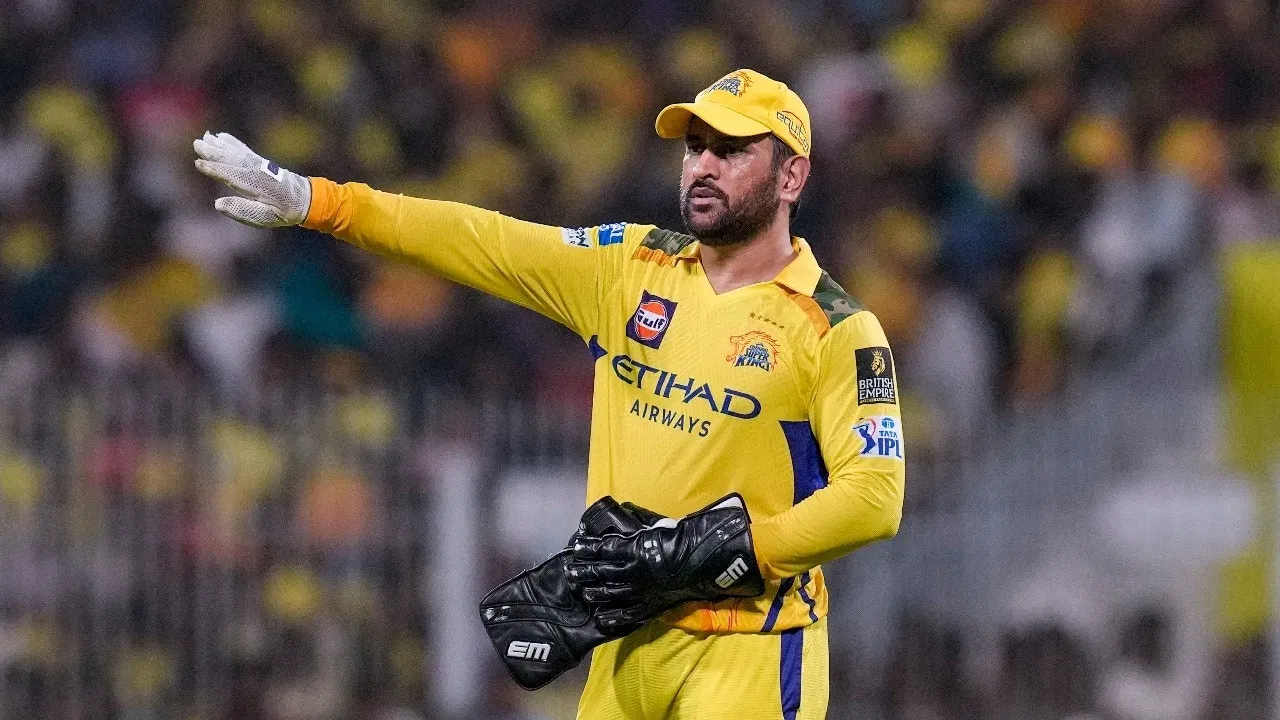
MS Dhoni out of IPL 2026, has not recovered from calf strain
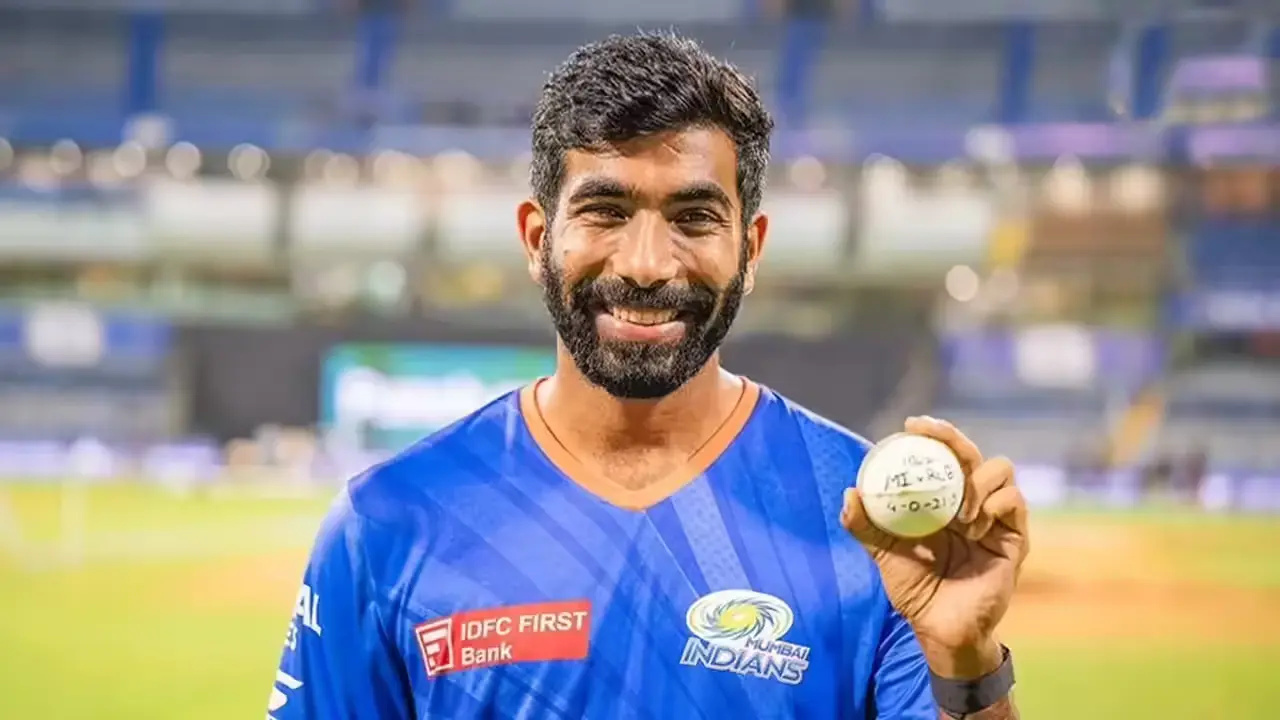
Jasprit Bumrah set to lead MI attack in blockbuster IPL 2026 clash vs KKR
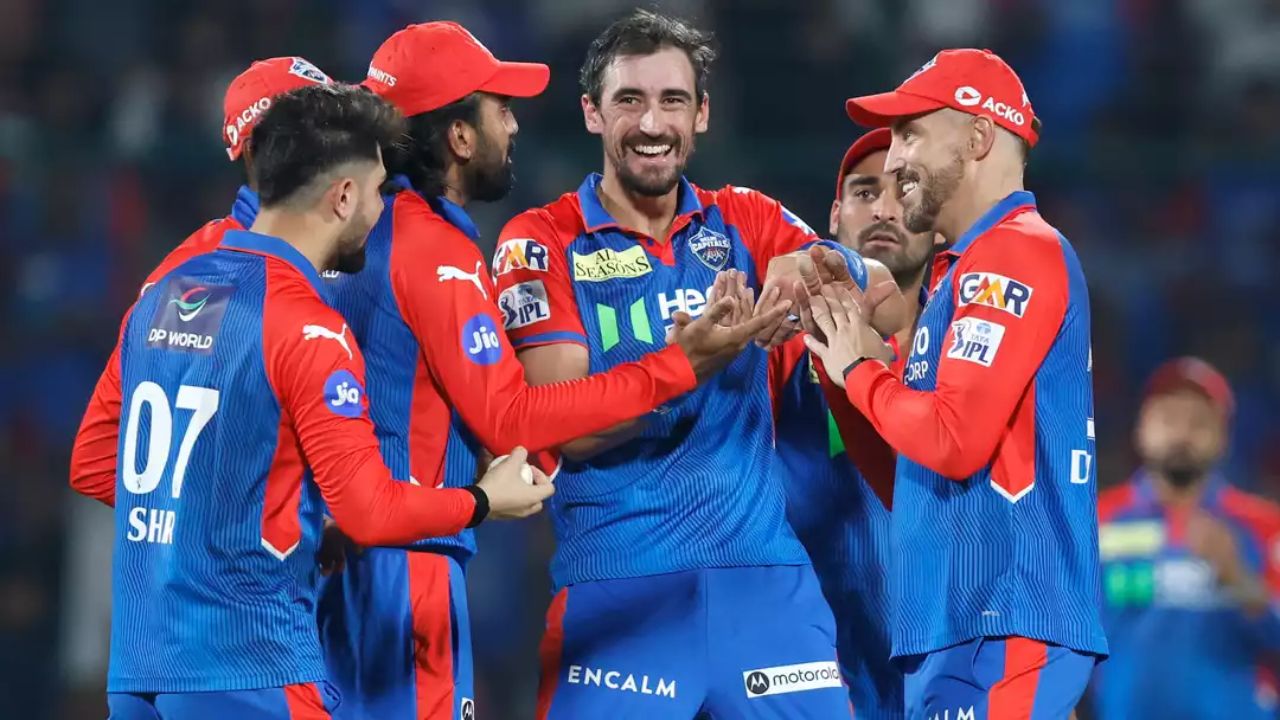
Mitchell Starc to miss IPL 2026, wife Alyssa Healy drops massive update on injury
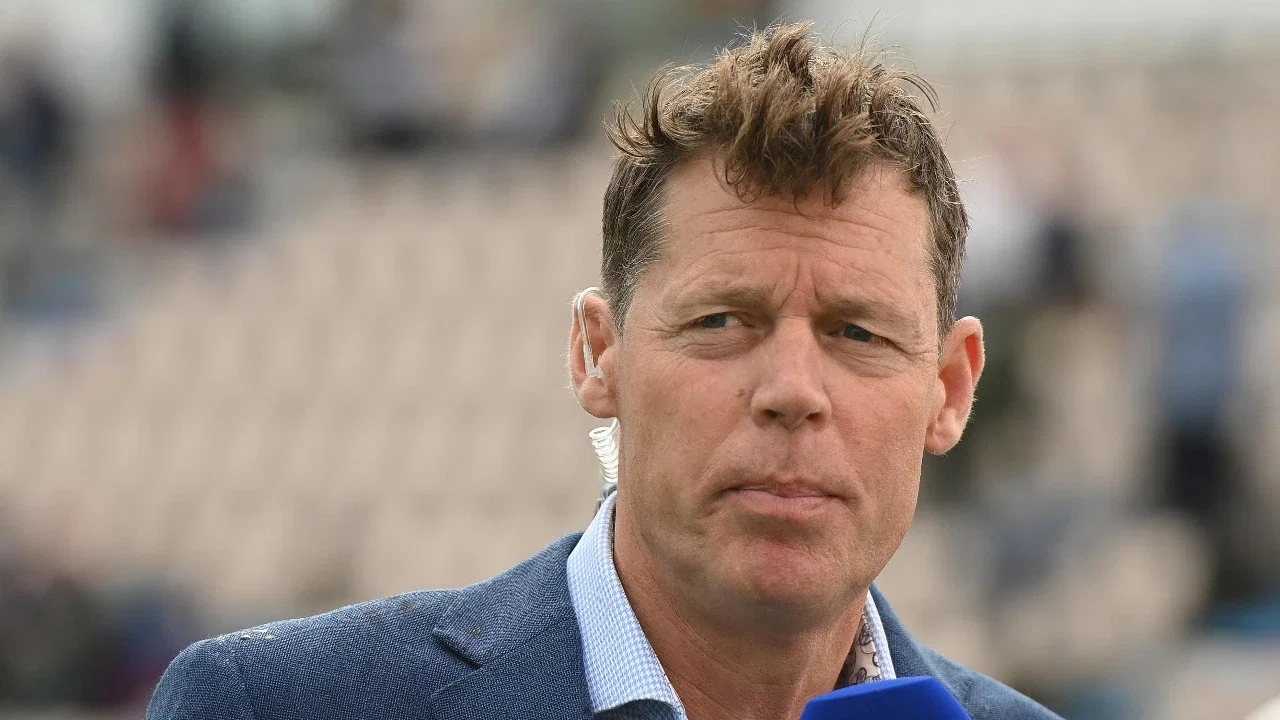
Nick Knight rejects PSL to join IPL commentary panel
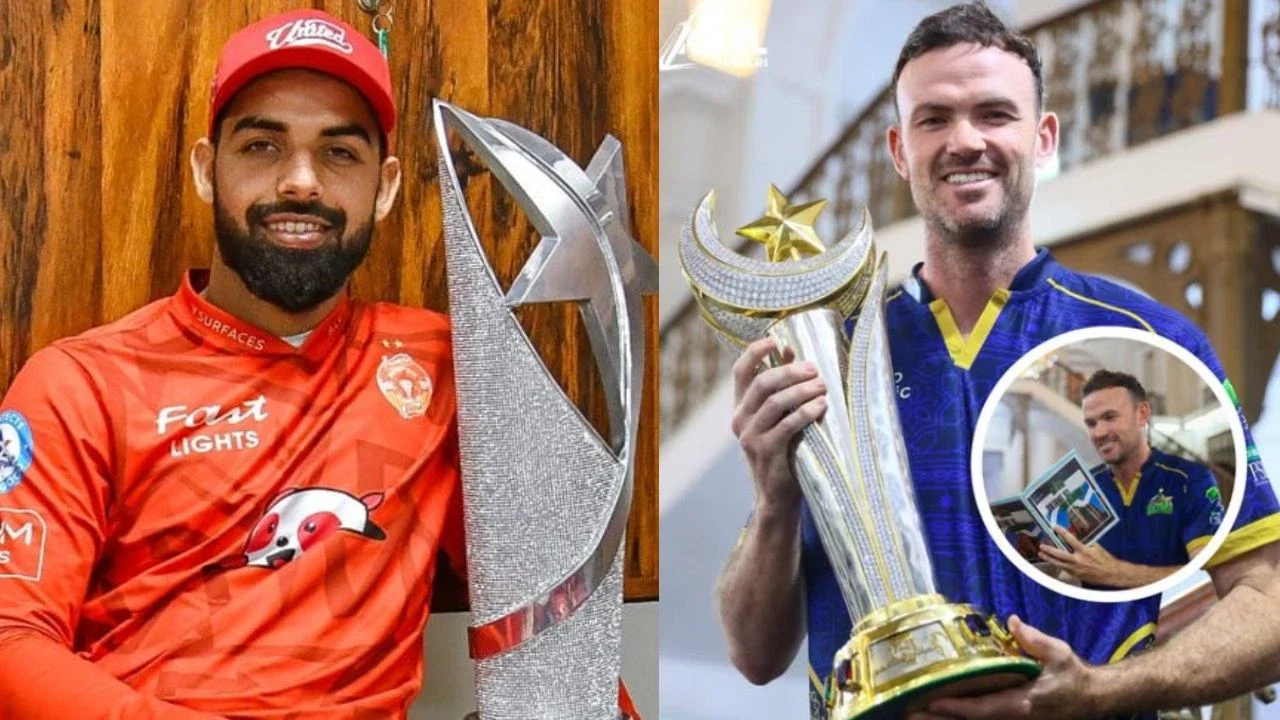
MS vs ISU Match Prediction, Pitch & Weather Report, Playing XIs, Head-to-Head, Free Live Streaming – PSL 2026 Match 4
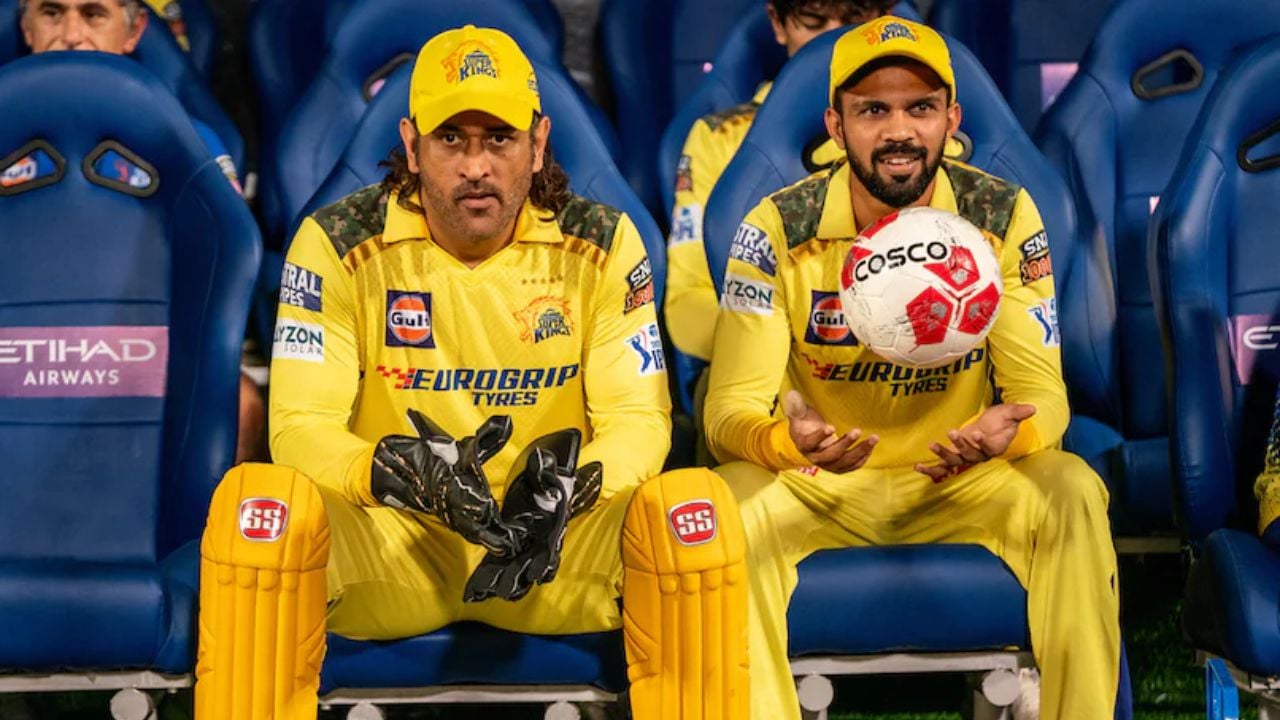
“MS Dhoni doesn’t attend team discussions” – Ruturaj Gaikwad makes stunning revelationtaincy Role

Ben Duckett breaks silence on Noosa Clip scandal, calls it ‘Worst’ moment in cricketing career
“IPL players are grossly underpaid”: Ex-CSK star calls out BCCI
Ahmed Shehzad summoned as former Pakistan skipper takes legal action over serious allegations
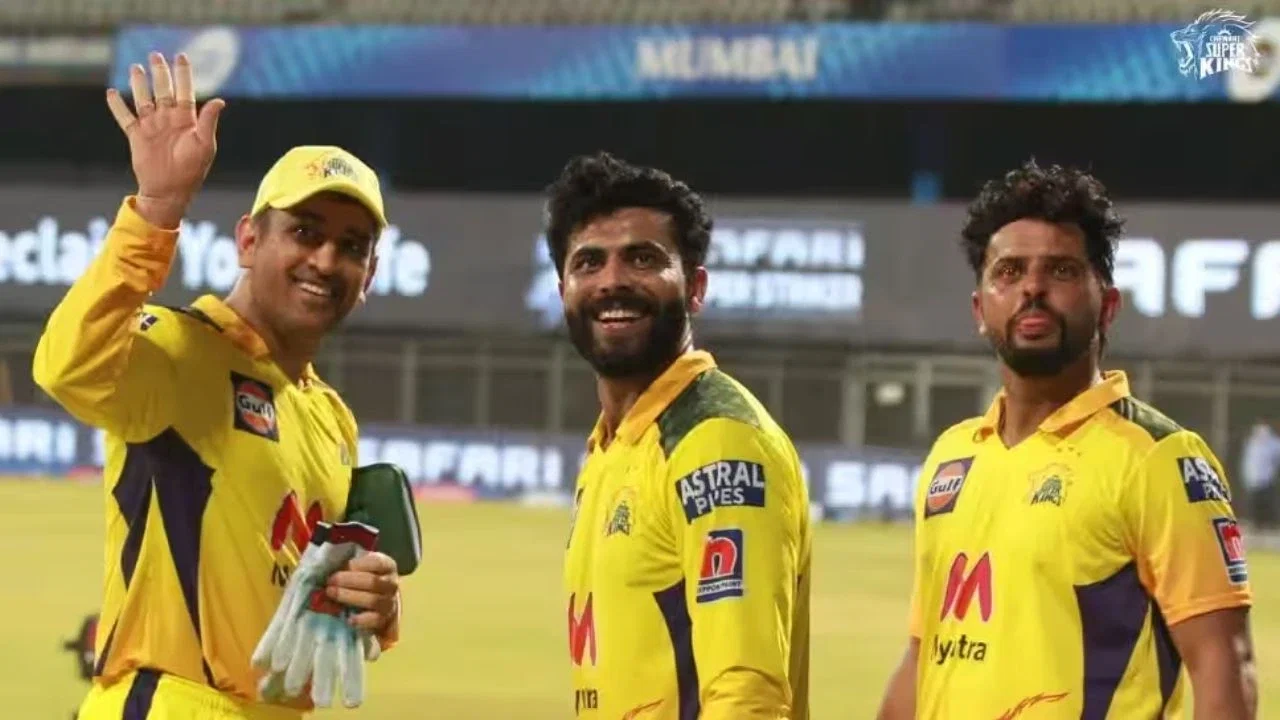
CSK to feature without their legendary duo MS Dhoni and Suresh Raina for the first time
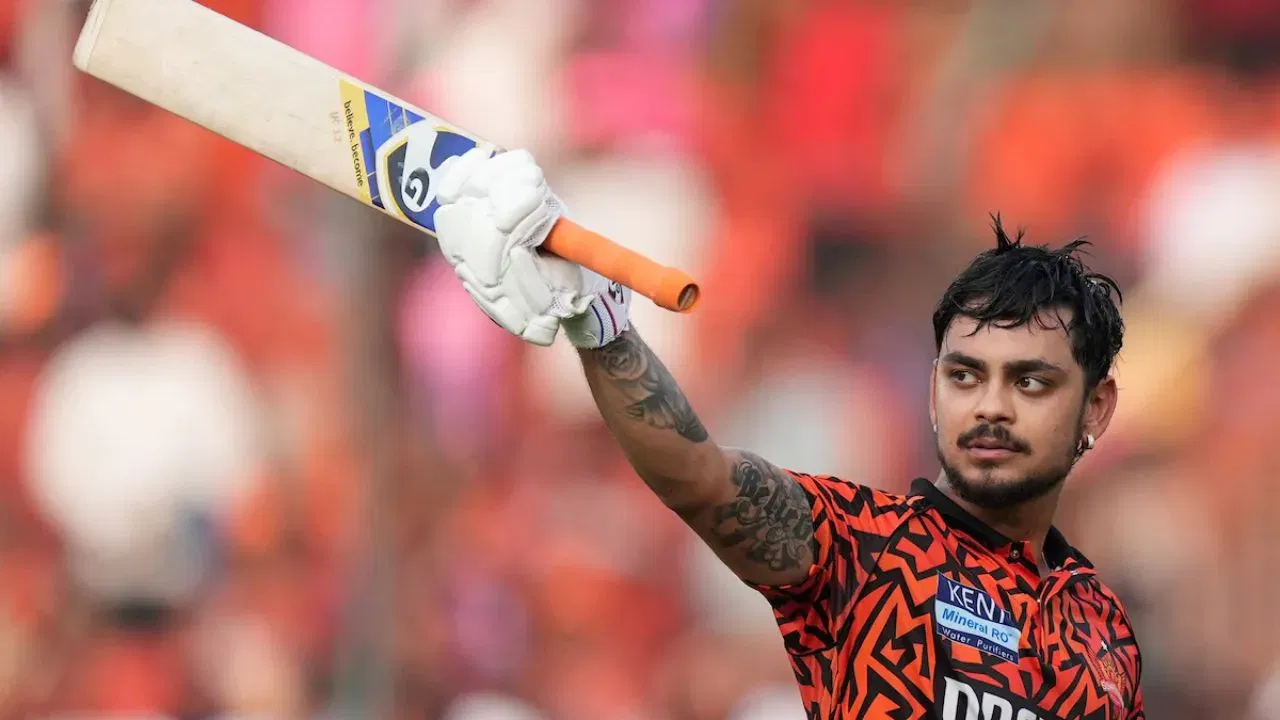
Ishan Kishan set to create history as SRH captain in IPL 2026 opener against RCB
RCB Playing XI vs SRH Playing XI – Match No. 1 | IPL 2026
Delhi Capitals IPL 2026 Full Schedule: DC Fixtures, Dates, Timings and Venues | Squad and Coaches
PSZ vs RWP Match Prediction, Pitch & Weather Report, Playing XIs, Head-to-Head, Free Live Streaming – PSL 2026 Match 3