

Betting ban in India: Protection of public or underground market rise?
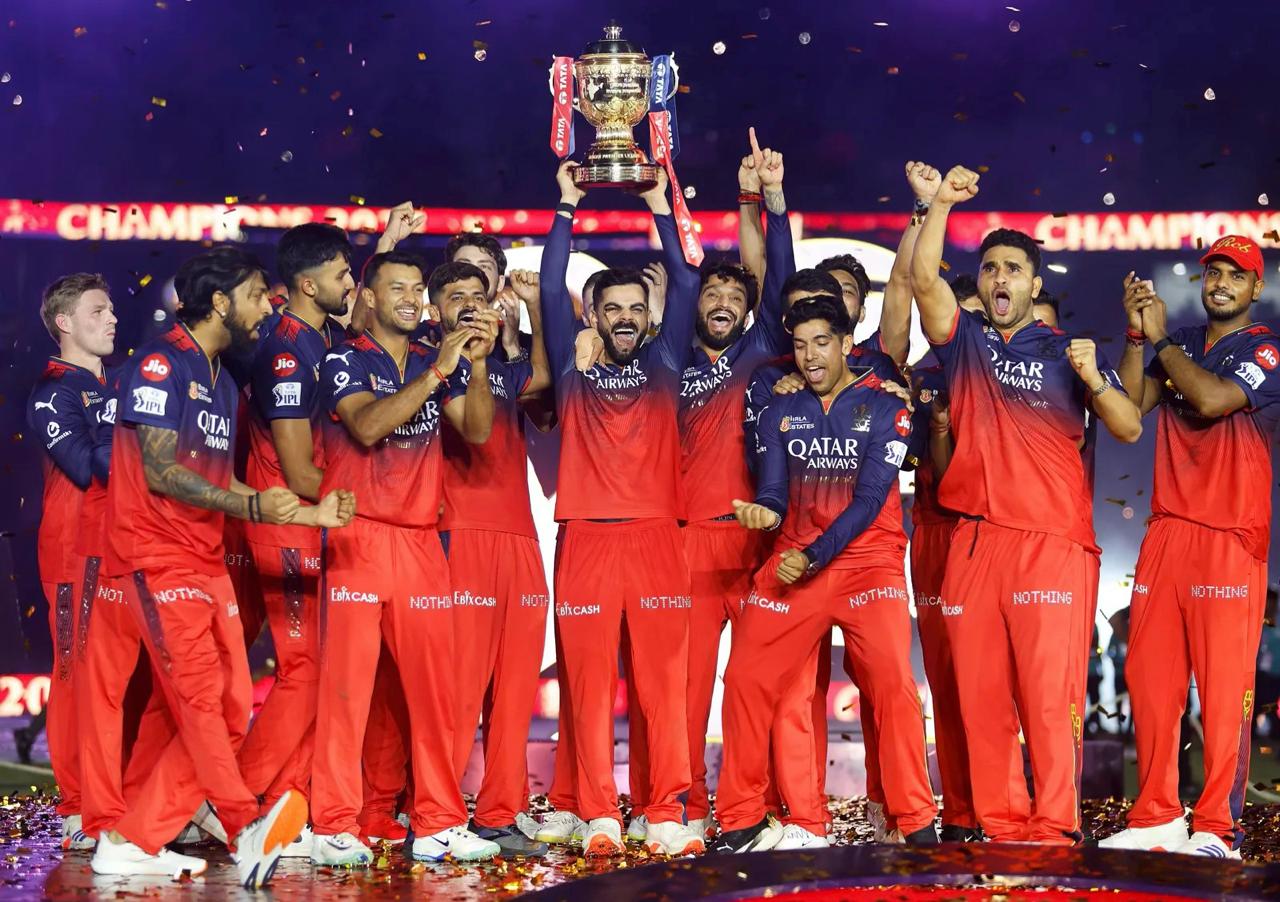
India Faces Economic Crossroads with Ban on Real-Money Gambling
Introduction
As of 1 October 2025, India has implemented a law banning real-money gambling, sparking a debate between economic and social interests. While authorities argue that the ban is necessary to protect citizens from gambling addiction, fraud, and money laundering, the financial implications of this decision could be significant.
Sports Economy Impact
India’s sports industry, particularly cricket, has been heavily reliant on investments from local and international gambling brands. However, the ban on real-money gaming companies has severed ties with these sponsors, leading to the loss of significant revenue streams. Before the ban, around 400 real-money gaming companies in India generated nearly $2.3 billion in taxes annually and supported over 200,000 jobs. Companies like Dream11 and My11Circle, which were key sponsors in the sports industry, have now ceased operations.
Lost Investments
International betting brands that previously invested in Indian sports development are now unable to collaborate with local clubs or organizations. This has resulted in a missed opportunity for significant investments that could have supported infrastructure, youth programs, and athlete development in India.
Regulated Market Potential
Studies suggest that legalizing betting in India could contribute billions of dollars to the government annually, creating a tax base and generating employment opportunities. Full legalization could also add 0.4–0.6% to India’s GDP in the first three years of a regulated sector. However, the current tax policies and unclear regulations deter investors and drive businesses underground.
Responsible Gambling
India lacks government institutions that could effectively regulate the gambling market and support social programs. Establishing a dedicated commission to issue licenses, audit algorithms, monitor transactions, and fund support centers could be a crucial step in proper regulation.
Market Consequences
A complete ban on real-money games poses a significant risk to a multi-billion-dollar industry in India. The ban does not eliminate gambling but rather drives it offshore, leading to tax evasion and lack of safety standards. This could result in economic losses and hinder the growth of the tech sector.
Conclusion
While the ban on betting in India aims to address social issues, it may have adverse economic implications. Embracing regulation instead of prohibition could create a transparent and responsible gambling market, attracting investments and boosting the economy. By following the path of mature economies, India could establish itself as a key player in the global digital economy while supporting sports development and social programs.
Overall, the ban on real-money gambling in India has ignited a debate on the country’s economic and social interests. While aiming to combat issues like gambling addiction and fraud, the ban has led to significant financial consequences, particularly in the sports industry. By exploring regulated market potential and responsible gambling practices, India has the opportunity to create a transparent and economically beneficial gambling sector that supports both the economy and social well-being.
Impact on Tech Innovation
With the ban on real-money gambling, India’s tech sector is also likely to face repercussions. Many startups and technology companies that were involved in developing gaming platforms and technologies for the gambling industry may now see a decline in business opportunities. This could stifle innovation in the tech sector and hinder the growth of cutting-edge technologies related to online gaming and gambling.
Job Losses and Economic Downturn
As real-money gaming companies shut down operations in India, there is a looming threat of job losses in the sector. Thousands of individuals employed in various roles within these companies, including software developers, marketers, and customer service representatives, could be left unemployed. This sudden loss of jobs could have a ripple effect on the economy, leading to decreased consumer spending and business closures in related industries.
Emerging Black Market
One of the unintended consequences of banning real-money gambling is the rise of an unregulated black market for gambling activities. With legal avenues closed off, individuals seeking to engage in gambling may turn to illicit and unlicensed operators, exposing themselves to potential fraud, lack of consumer protection, and criminal activities. This black market not only evades taxes but also poses a threat to public safety and fair play.
Impact on Advertising and Media
The ban on real-money gambling has also affected the advertising and media landscape in India. Many media outlets and advertising agencies that relied on revenue from gambling companies for ad placements and sponsorships are now facing financial losses. The absence of these advertisers could lead to a shift in advertising strategies and revenue sources for these businesses, impacting the overall media ecosystem in the country.
International Relations and Investments
The ban on real-money gambling in India could potentially strain international relations with countries where these gambling companies are based. It may lead to disputes over trade and business agreements, especially if foreign investors feel that their investments in the Indian market have been unfairly restricted. This could have broader implications for India’s reputation as a business-friendly destination and its ability to attract foreign investments in other sectors.
Opportunities for Alternative Revenue Streams
While the ban on real-money gambling poses challenges, it also presents opportunities for exploring alternative revenue streams in the gaming and entertainment industry. India could focus on promoting skill-based gaming platforms, esports competitions, or virtual betting options that do not involve real-money transactions. By diversifying the gaming landscape and tapping into new trends, the country can adapt to changing regulations and consumer preferences.
Conclusion
India’s decision to ban real-money gambling has triggered a complex interplay of economic, social, and regulatory factors. While the move aims to address concerns related to gambling addiction and fraud, it has far-reaching implications for various industries, job markets, and international relations. Moving forward, policymakers and stakeholders will need to carefully navigate these challenges, explore opportunities for innovation and diversification, and strike a balance between regulation and economic growth.
By engaging in constructive dialogue, adopting transparent regulations, and fostering responsible gambling practices, India can pave the way for a sustainable and thriving gambling ecosystem that benefits both the economy and society at large.
Latest News

Gujarat Titans Full Squad for IPL 2026 After Auction

Kolkata Knight Riders Full Squad for IPL 2026 After Auction

Sunrisers Hyderabad Full Squad for IPL 2026 After Auction

Mumbai Indians Full Squad for IPL 2026 After Auction

Punjab Kings Full Squad for IPL 2026 After Auction

Royal Challengers Bengaluru Full Squad for IPL 2026 After Auction

Rajasthan Royals Full Squad for IPL 2026 After Auction

AUS vs ENG Head-to-Head Records- 3rd Test, The Ashes 2025

Jake Fraser-McGurk UNSOLD at IPL Auction 2026

Jonny Bairstow UNSOLD at IPL Auction 2026

Jamie Smith UNSOLD at IPL Auction 2026

IPL 2026 Auction Full List: All Sold and Unsold Players With Team-Wise Prices

Who is Kartik Sharma? The 19-year-old bought by Chennai Super Kings for 14.20 Crore at IPL 2026 Auction
Who is Kartik Sharma? The 19-year-old bought by Chennai Super Kings for 14.20 Crore at IPL 2026 Auction

