Big controversy: Pakistan allege umpire-fixing and cheating by Bangladesh after ODI series loss
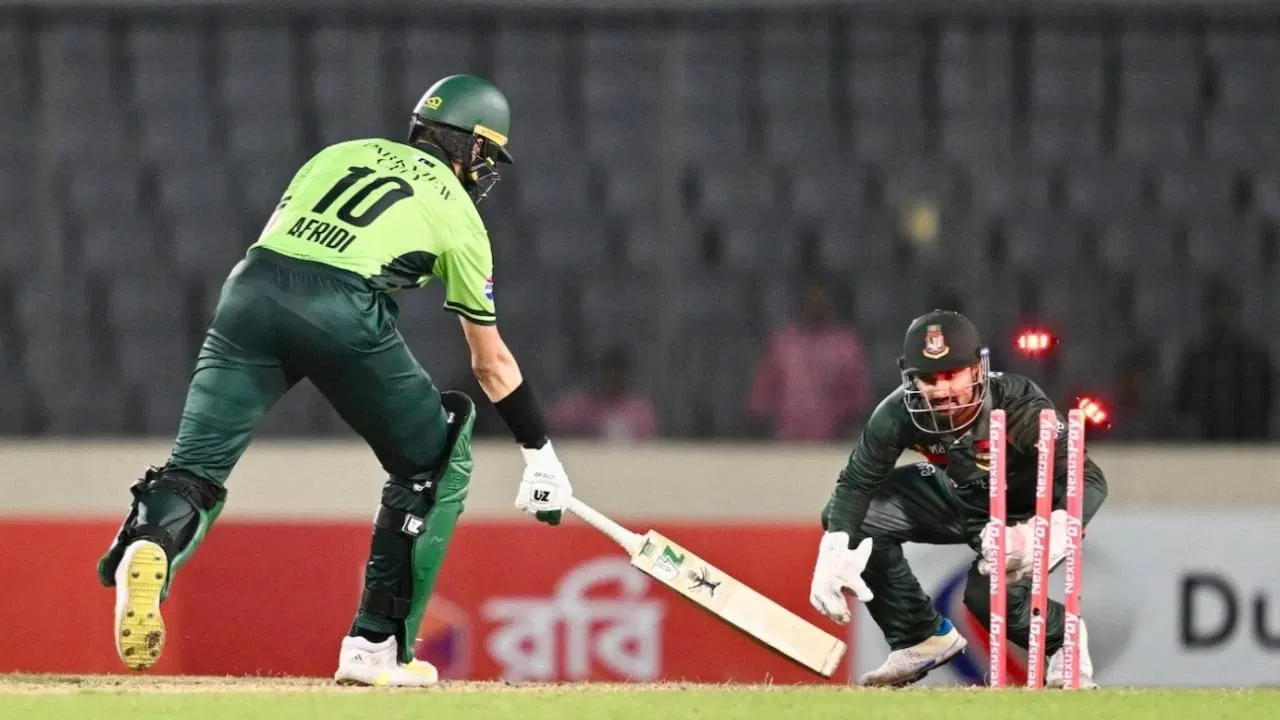
Pakistan Lodges Official Complaint After Controversial Finish in 3rd ODI Against Bangladesh
The thrilling third One-Day International (ODI) match between the Pakistan National Cricket Team and the Bangladesh National Cricket Team on Sunday (March 15) took an unexpected turn with a late review decision causing drama and controversy in Mirpur. The match ended with Bangladesh emerging victorious, but it was the events leading up to the final moments that left the Pakistan camp extremely frustrated.
Controversial Review Process
The Pakistan cricket team management was quick to register an official complaint against the on-field umpire, Kumar Dharmasena, citing mishandling of the Decision Review System (DRS) during the crucial moments of the series decider in Mirpur. According to reports from ESPNcricinfo, Pakistan alleged that Bangladesh may have taken the review after seeing the replay on the stadium’s big screen, a practice not normally allowed under standard match protocols.
Dramatic Decider
The controversial incident unfolded during the penultimate ball of the final ODI at the Sher-e-Bangla National Cricket Stadium. With Pakistan needing 12 runs from two balls to clinch the series, Bangladesh spinner Rishad Hossain delivered a ball that drifted down the leg side, beyond Pakistan captain Shaheen Afridi. The on-field umpire called it a wide, giving Pakistan an extra run and keeping their hopes alive in the tense chase.
However, moments later, Bangladesh players decided to request a review for an LBW decision, despite the ball appearing far away from Afridi’s legs. Pakistan raised concerns about the timing of the review, considering the replay they saw on the big screen and the absence of a visible timer for the 15-second limit to take a review.
Controversy and Reversal
Upon checking the delivery with the DRS system, a slight spike was detected as the ball passed the bottom edge of Afridi’s bat, ruling out the wide call originally made by the umpire. This turn of events meant that Pakistan now had to score 12 runs from just one ball, adding pressure to an already intense situation.
Bangladesh Secures Series Win
On the final delivery, Afridi’s attempted swing missed the ball, allowing Bangladesh to secure an 11-run victory and a 2-1 series win on home turf. The dramatic finish left Afridi visibly frustrated, prompting the Pakistan team management to raise the issue with match referee Neeyamur Rashid post-game.
The third ODI was not the only tense moment in the series, as Salman Agha was involved in a heated incident during the second ODI while trying to return the ball to Mehidy Hasan Miraz after a run-out.
This controversial finish in the third ODI between Pakistan and Bangladesh has sparked discussions within the cricketing community, highlighting the importance of fair play and adherence to rules in the sport.
Implications of the Controversy
The contentious finish in the third ODI between Pakistan and Bangladesh has raised questions about the role of technology in cricket and the integrity of the Decision Review System. The incident has once again brought into focus the need for transparency and adherence to established guidelines during high-stakes matches. The fallout from this controversy may lead to a closer examination of the DRS protocols and the implementation of stricter measures to prevent teams from gaining unfair advantages.
The Impact on Players and Teams
For the Pakistan National Cricket Team, the controversial finish in the third ODI was undoubtedly a bitter pill to swallow. The team had fought hard throughout the series and felt aggrieved by the turn of events in the crucial final moments. The emotional toll on the players, particularly captain Shaheen Afridi, who was at the center of the disputed decision, may linger on and motivate them to come back stronger in future encounters.
On the other hand, the Bangladesh National Cricket Team’s victory in the series will be clouded by the controversy surrounding the final match. While they emerged triumphant on the scoreboard, the manner in which the win was secured has sparked debate and scrutiny. Moving forward, Bangladesh may face increased scrutiny and pressure to address any perceived breaches of fair play to maintain their reputation in the cricketing world.
Lessons Learned and Moving Forward
As cricket authorities review the events of the third ODI and the ensuing controversy, there is an opportunity for the sport to reinforce its commitment to upholding the spirit of fair competition. It is essential for all teams, players, and officials to prioritize sportsmanship, respect for the rules, and ethical conduct on and off the field. Clear communication, consistent application of technology, and a dedication to transparency will be crucial in rebuilding trust and ensuring the integrity of cricket matches in the future.
Looking Ahead
As the cricketing community processes the fallout from the Pakistan-Bangladesh ODI series, fans and experts alike will be eager to see how the sport evolves in response to this incident. The controversy has underscored the need for ongoing vigilance in monitoring match processes and enforcing standards of fairness. In the end, the hope is that lessons learned from this experience will lead to a stronger, more resilient cricket ecosystem that prioritizes integrity, sportsmanship, and the thrill of the game above all else.
While the outcome of the third ODI may have left a bitter taste for some, it also serves as a reminder of the unpredictable nature of cricket and the enduring passion that fans and players share for the sport. As teams regroup and prepare for future competitions, they will carry with them the lessons gleaned from this incident, shaping their approach to the game and reaffirming their dedication to the principles that define cricket at its core.
Latest News
Mohsin Naqvi’s ‘ICC trophy stealing’ plan exposed after Pakistan’s humiliating loss to Bangladesh
Not Sachin Tendulkar! Hardik Pandya picks domestic giant as his childhood cricket idol
Big controversy: Pakistan allege umpire-fixing and cheating by Bangladesh after ODI series loss

Michael Vaughan snubs Rohit Sharma, Chris Gayle as he names best IPL captain and batter of all-time
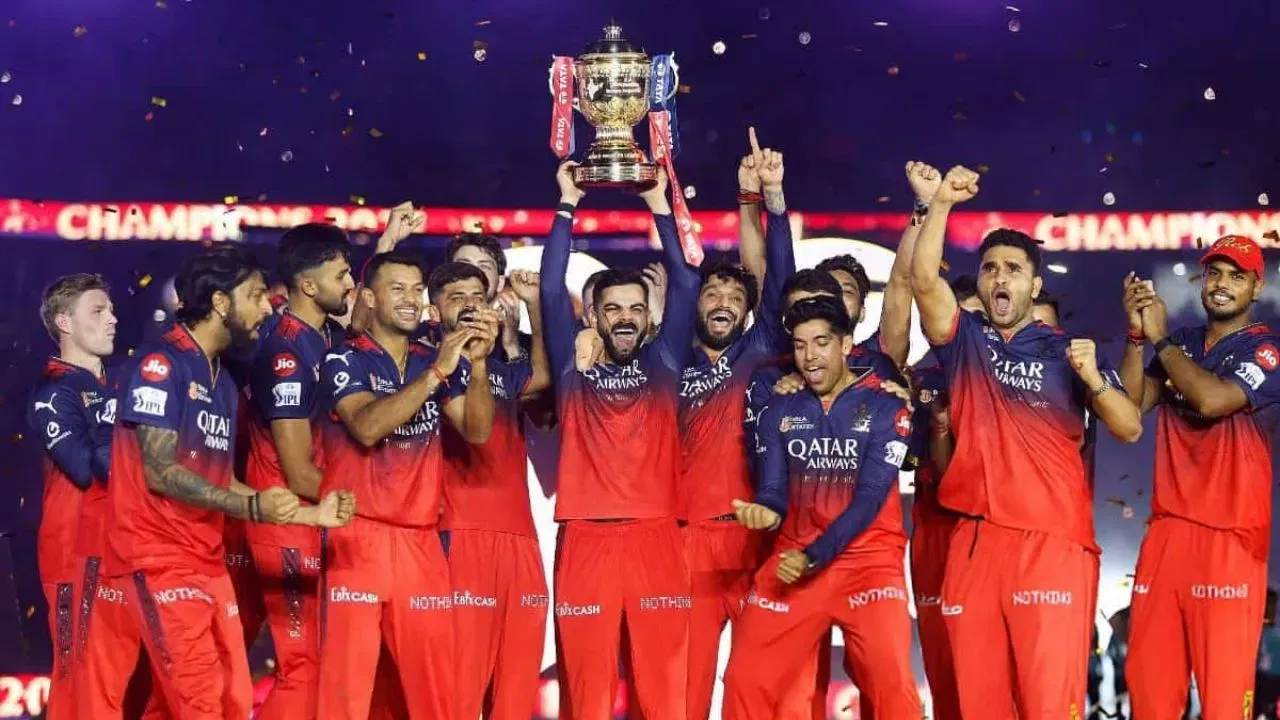
Virat Kohli picks all-time RCB playing XI with only one batter from IPL 2026 squad
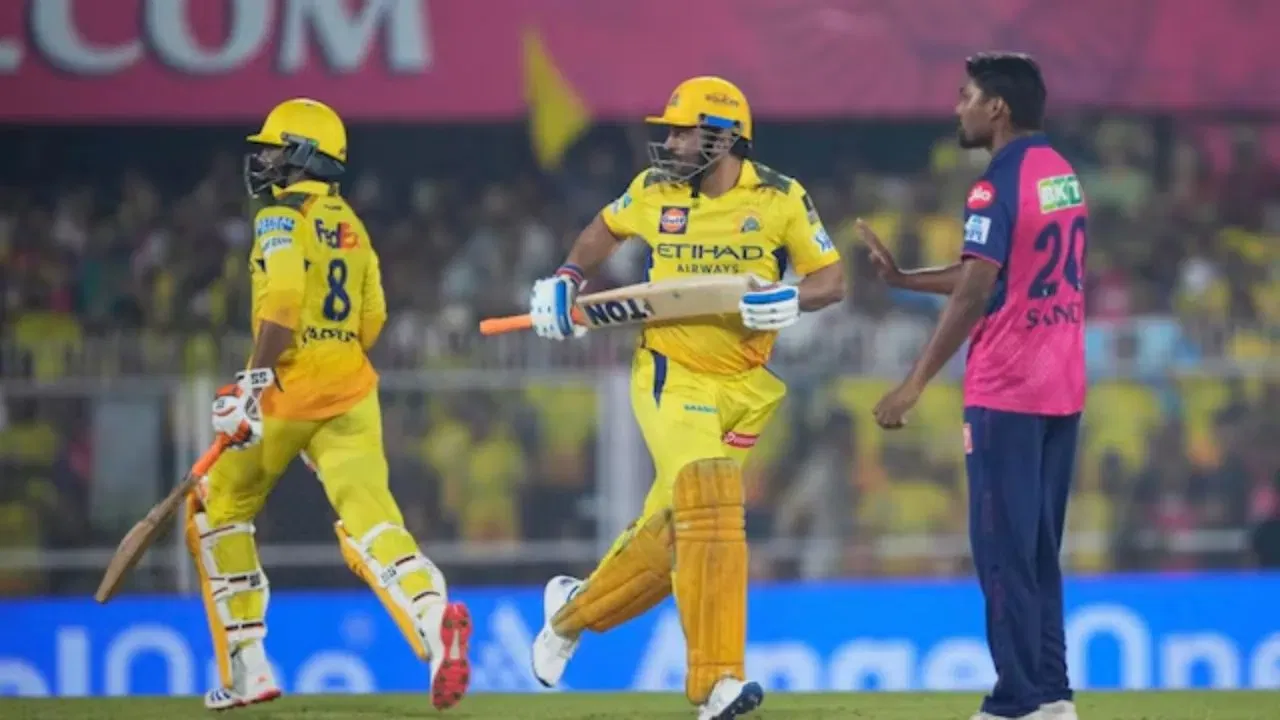
MS Dhoni furious as CSK dump Ravindra Jadeja for Sanju Samson ahead of IPL 2026
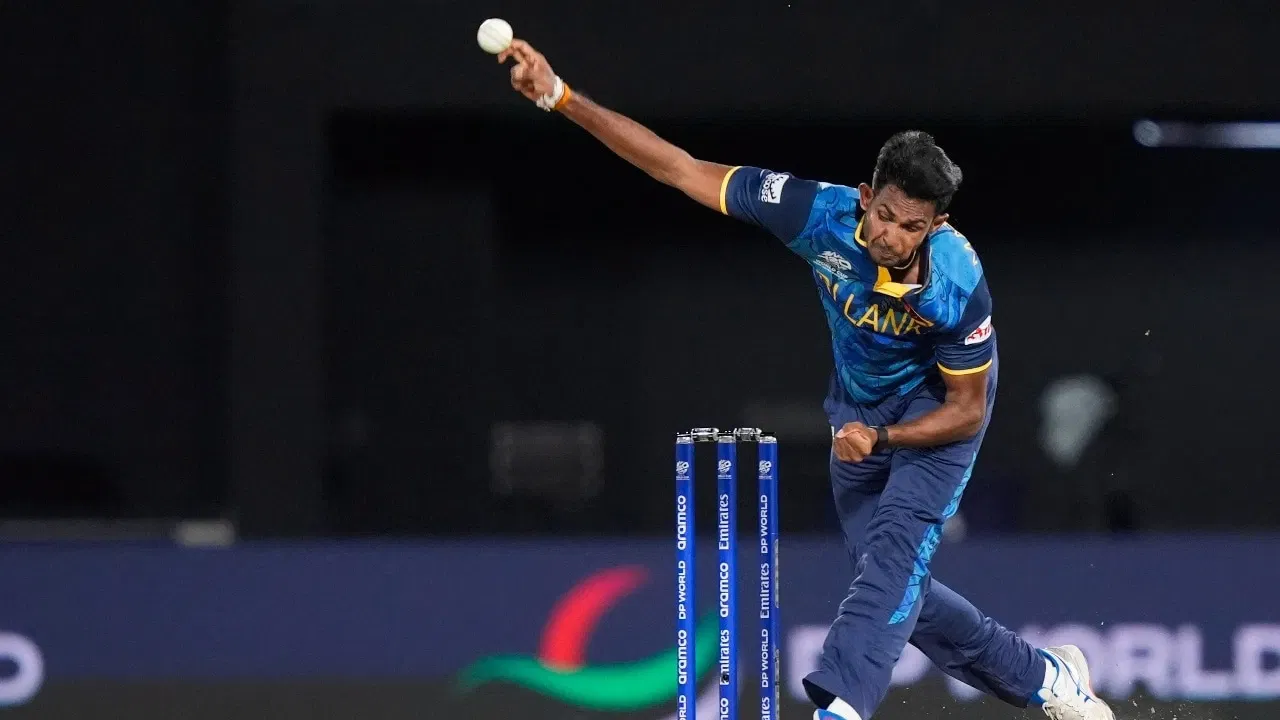
Matheesha Pathirana injury update: KKR get huge boost ahead of IPL 2026
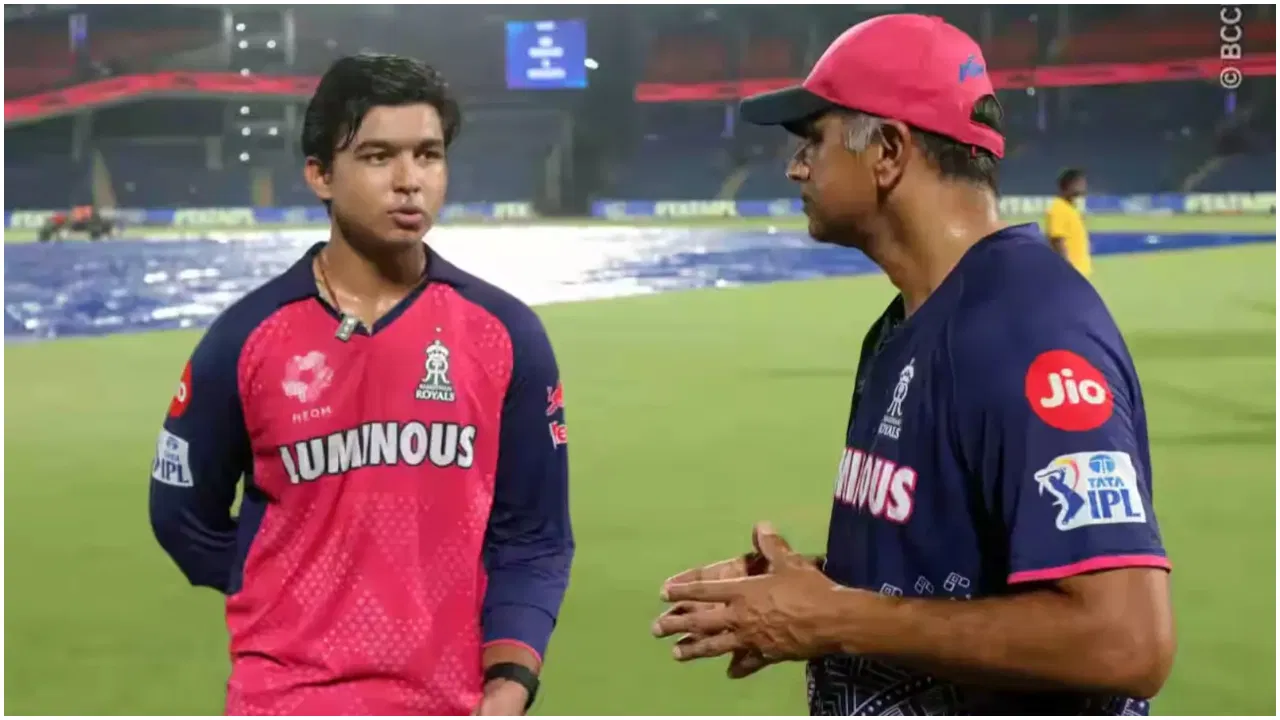
“Rahul Sir called him into the room”: Sanju Samson reveals long-kept secret of Vaibhav Sooryavanshi
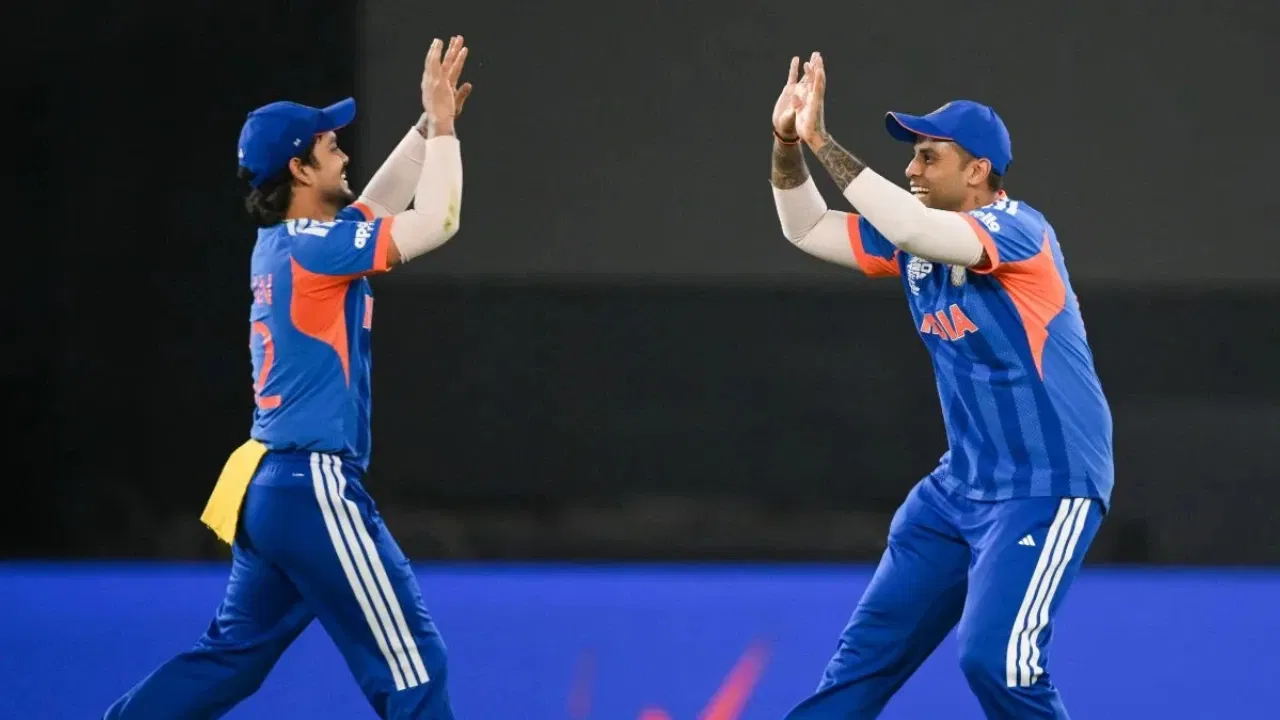
‘I just called Ishan Kishan and…’: Suryakumar Yadav rubs salt on Jitesh Sharma’s wounds
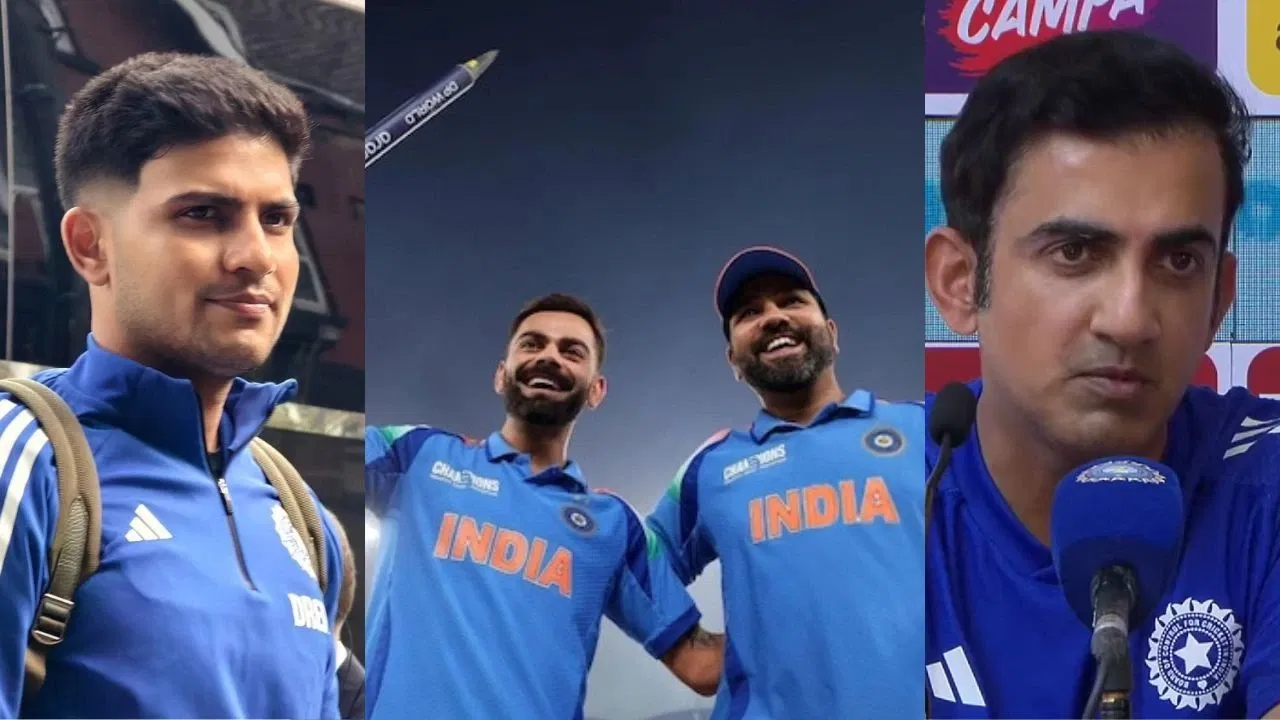
Shubman Gill promises to achieve what Rohit Sharma couldn’t in his career
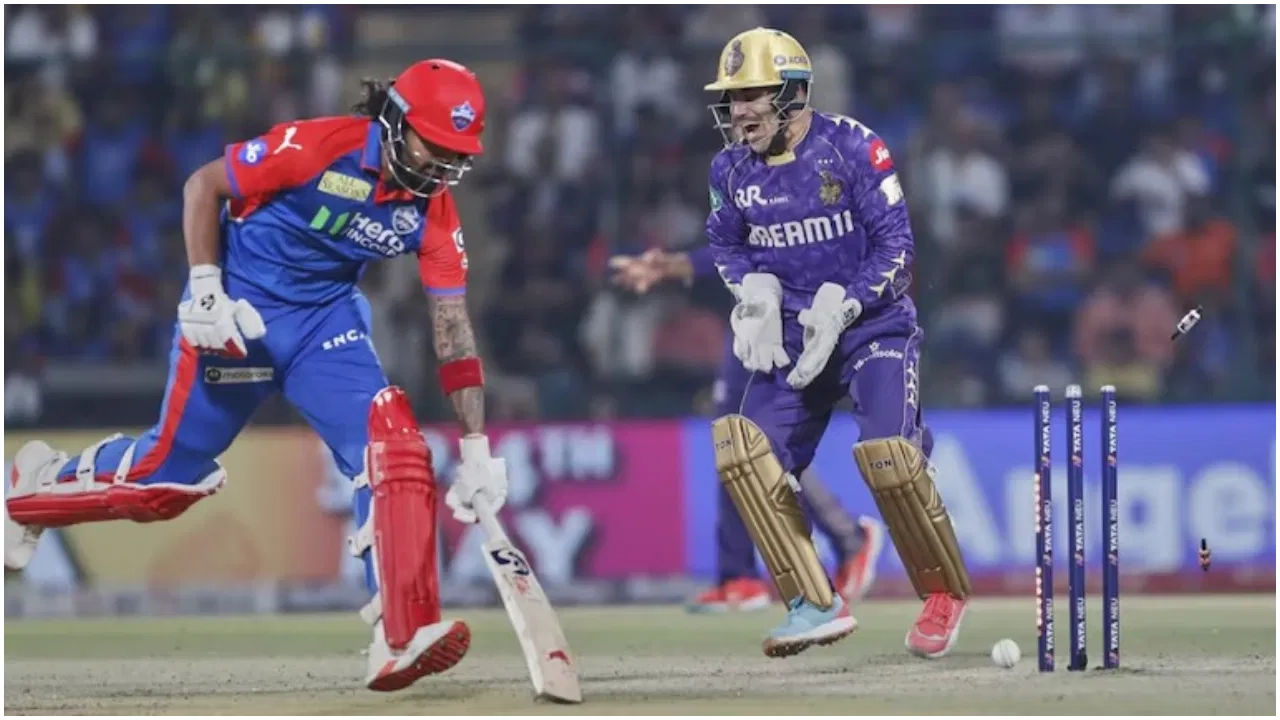
KKR ditched brutally as Delhi Capitals declared as IPL 2026 winners!
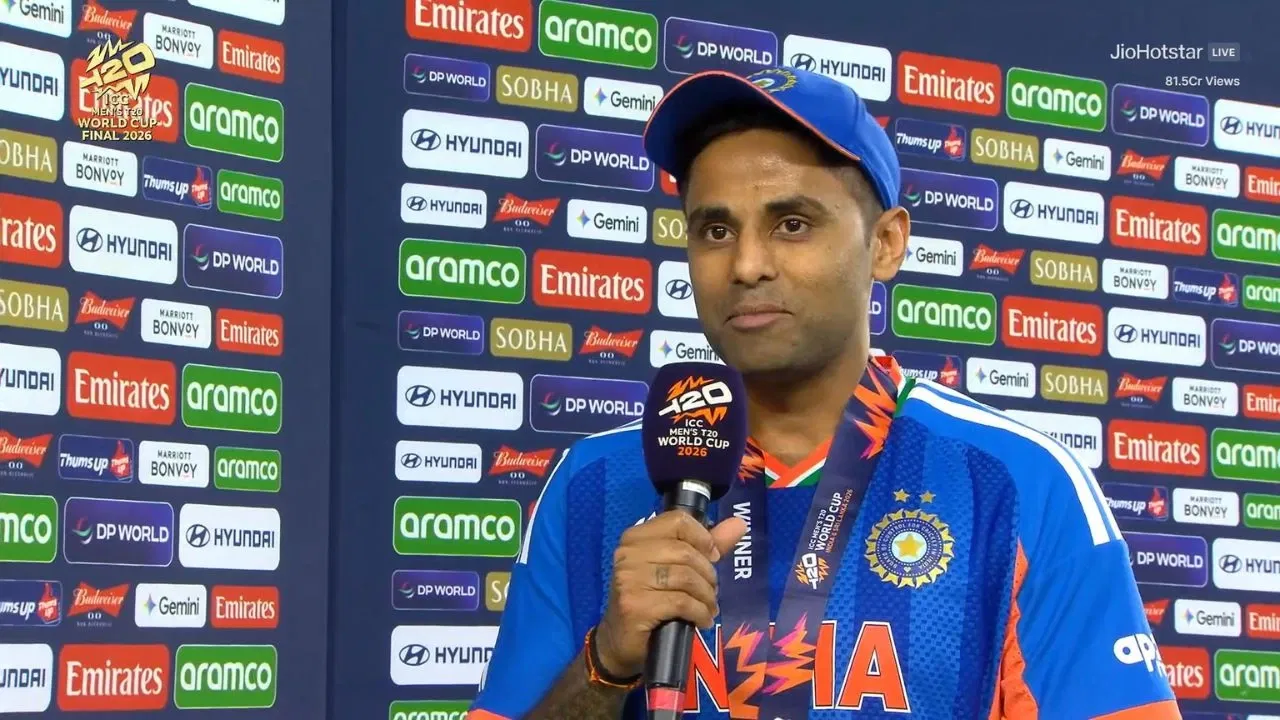
Suryakumar Yadav reveals 3 players who supported his captaincy during India’s T20 World Cup 2026 triumph

NZ vs SA 2nd T20I Preview: Free Live Streaming, Pitch & Weather Report, Head-to-Head | South Africa tour of New Zealand 2026

NZ vs SA Match Prediction – Who Will Win 2nd T20I? | South Africa tour of New Zealand 2026